Watch Out for Hidden Gluten: Common Names and Sources (2026)


Hey there, fabulous gluten-free friends! It’s your resident GF cheerleader, ready to dive into a topic that can sometimes feel like a culinary detective novel: hidden gluten. You know that feeling, right? You’re scrolling through the ingredients, feeling confident, then BAM! A sneaky little word pops up, and suddenly you’re wondering if your “safe” snack just turned into a gluten grenade. We’ve all been there. It’s like thinking you’ve spotted a unicorn, only to realize it’s just a goat with a party hat. A frustrating, but totally solvable, problem!
The truth is, living gluten-free gets easier and more delicious every single day. We have so many incredible options now, it’s truly a golden age for GF eating. But even with all the amazing progress, gluten can be a master of disguise. It loves to hide in plain sight, tucked away in foods you’d least suspect. That’s why being a savvy shopper is so important. Think of me as your gluten-detecting sidekick, here to arm you with the knowledge to conquer those tricky labels. Mastering this skill is a huge part of Navigating Gluten-Free Shopping successfully, and it truly changes the game for your peace of mind.
So, let’s pull back the curtain on some of these stealthy gluten sources. Don’t worry, this isn’t about fear. It’s about knowledge and confidence. You absolutely can enjoy a vibrant, delicious, and totally safe gluten-free life!
The Usual Suspects: Foods Where Gluten Likes to Hide Out
Some foods are like secret agents for gluten, slipping into your cart unnoticed. These aren’t always obvious “wheat-based” items, which makes them extra sneaky. Here are some of the most common culprits:
- Soy Sauce: This is probably the grand champion of hidden gluten. Most traditional soy sauces are brewed with wheat. Your best bet? Tamari! It’s generally gluten-free, but always double-check the label for a GF certification.
- Marinades and Sauces: Building on the soy sauce issue, many marinades, barbecue sauces, teriyaki sauces, and even some salad dressings use wheat-based soy sauce or wheat flour as a thickener.
- Processed Meats: Deli meats, hot dogs, sausages, and even some veggie burgers can contain gluten. It’s often used as a binder, filler, or for flavoring. Always scrutinize the ingredient list, even for seemingly simple items.
- Soups and Broths: Canned soups, soup mixes, and even some restaurant soups often use wheat flour for thickening. Read those labels!
- Snack Foods: Potato chips, flavored nuts, and even some corn chips can have gluten-containing seasonings or coatings. This one can be a real surprise!
- Licorice and Certain Candies: Traditional licorice is wheat-based. Some other candies use wheat flour as a filler or binder.
- Oats (Non-Certified): While naturally gluten-free, oats are a huge cross-contamination risk. They are often processed on the same equipment as wheat, barley, and rye. Always choose certified gluten-free oats to be safe.
- Flavorings and Extracts: Malt flavoring (from barley) is a big one. Some extracts might also contain gluten.
Decoding the Ingredient List: Names to Know
Alright, grab your magnifying glass! This is where we learn to spot gluten hiding behind its aliases. Sometimes gluten isn’t called “wheat” directly. It uses other names, making it harder to identify. Knowing these terms is your secret weapon.
- Wheat Starch: This one sounds tricky. If it’s *not* specifically labeled “gluten-free wheat starch,” assume it contains gluten. In the US, most wheat starch is not GF. Some European products use a processed GF wheat starch, but it must be certified.
- Modified Food Starch: This is a common thickener. While it’s *usually* derived from corn, potato, or tapioca, it *can* be from wheat. If the label doesn’t specify the source (e.g., “modified corn starch”) and the product isn’t certified GF, be cautious. A quick call to the manufacturer can clarify things!
- Malt: This almost always means barley. Look out for “malt extract,” “malt syrup,” “malt flavoring,” and “malt vinegar.” These are definitely off-limits for a GF diet.
- Yeast Extract: Often used for savory flavor, yeast extract *can* sometimes contain barley. Always check if it specifies “gluten-free yeast extract” or if the product has a GF certification.
- Hydrolyzed Vegetable Protein (HVP): HVP can be derived from various sources, including wheat. If the source isn’t specified and the product isn’t certified GF, consider it a potential risk.
- Dextrin and Maltodextrin: These are usually made from corn or potato. However, especially in products manufactured outside the US, they can sometimes be wheat-derived. Look for clarity on the label or stick to certified GF products.
- “Natural Flavors”: This is a tricky category. Manufacturers are not required to disclose the components of “natural flavors” unless they contain a major allergen like wheat, milk, soy, or nuts. So, if a “natural flavor” contains wheat, it *should* be listed under the “Contains:” statement. But, if you’re very sensitive or just starting out, it can be a source of anxiety.
- Caramel Color: While typically gluten-free, caramel color can sometimes be made with barley malt. Reputable food manufacturers are usually transparent about the source if it’s gluten-containing.
Cross-Contamination: The Unseen Invader
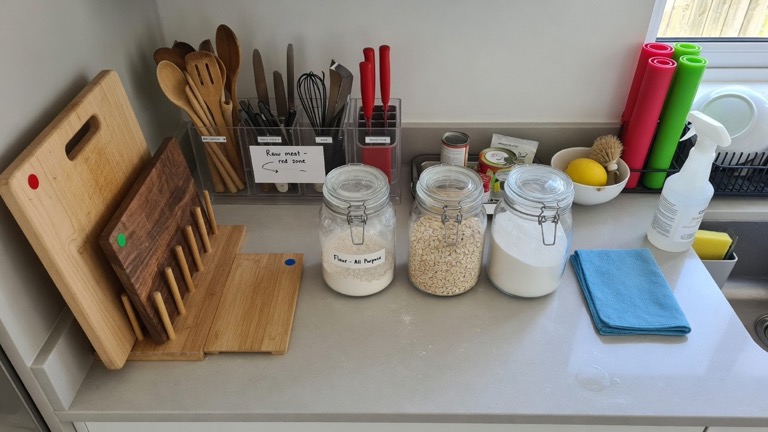
Even if ingredients are totally GF, cross-contamination is a real concern. This happens when gluten-free food comes into contact with gluten-containing food. It’s like when your kid’s colorful Play-Doh ends up mixed with the dog’s hair – a total mess! This is why dedicated GF facilities are so wonderful.
Think about toasters, cutting boards, shared fryers, or even flour dust in a bakery. In your own kitchen, use separate cutting boards and utensils for gluten-free cooking if you share a kitchen with gluten-eaters. When eating out, always ask about preparation methods and dedicated fryers. It’s okay to ask! Your health matters.
Beyond the Kitchen: Unexpected Spots
Sometimes gluten appears where you least expect it, completely outside the realm of food. It’s not usually a huge concern for most, but for the super sensitive, it’s worth knowing.
- Medications and Supplements: Many pills use gluten as a binder or filler. Talk to your pharmacist about the inactive ingredients in your prescriptions and over-the-counter medications. It’s a quick chat that can save you a lot of grief.
- Vitamins: Just like medications, vitamins and supplements can have gluten-containing binders. Check labels carefully, or contact the manufacturer.
- Lip Balms and Cosmetics: For those with extreme sensitivities, gluten in lip products or even lotions can be an issue if accidentally ingested.
Your GF Superpower: Label Reading and Certifications
Feeling a little overwhelmed? Don’t be! You’ve got this. The best defense is a good offense, and your offense is smart label reading. This is where you become a gluten-free superhero. We even have a handy guide for Decoding Gluten-Free Labels: A Beginner’s Guide to help you get started!
Here’s the deal:
- Read ALL the Ingredients: Every single time. Even if you’ve bought the product before, formulations can change. Brands tweak things. It happens.
- Look for the “Contains” Statement: In the US, manufacturers must list major allergens, including wheat. This is a big help.
- Seek Out GF Certifications: This is your ultimate peace of mind! Products with a certified gluten-free label (like the GFCO symbol) have been tested and verified to contain less than 20 parts per million of gluten, which is the universally accepted safe level. Learning more about Understanding GF Certifications: What Do They Mean? will make you an expert shopper. These certifications are like a personal gluten-free bodyguard for your food. For more information on certified gluten-free products, you can visit the Gluten-Free Certification Organization website.
- When in Doubt, Leave it Out: If you can’t be absolutely sure, it’s better to choose something else. There are so many amazing GF options out there, you never have to feel deprived.
You are now officially armed with some serious hidden-gluten-detecting skills! It might feel like a lot at first, but trust me, it becomes second nature. Soon, you’ll be whipping through those labels like a seasoned pro. Living gluten-free is a journey, not a sprint, and every step you take to educate yourself makes it smoother, safer, and so much more delicious. Keep exploring, keep cooking, and keep enjoying all the incredible food that’s out there just for you!