Gluten-Free and Organic: Combining Dietary Preferences (2026)

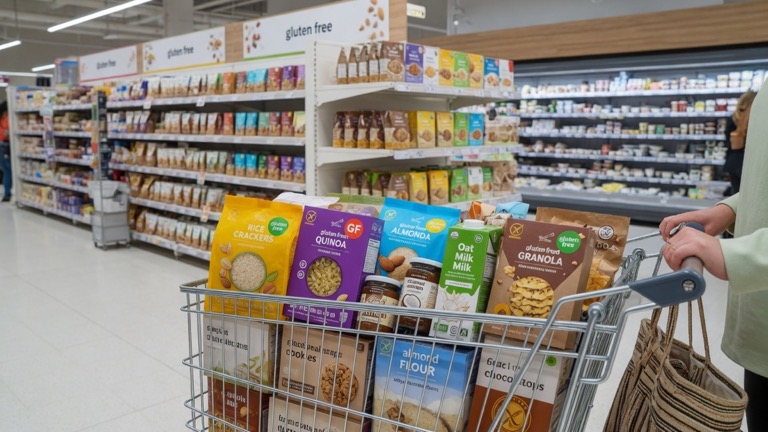
Hey there, fellow food adventurers! Ever stand in the grocery store, staring at two different bags of quinoa, one labeled “gluten-free” and the other “organic,” and wonder if you can (or should) have it all? You absolutely can! And trust me, once you get the hang of it, it’s a total game-changer for how good you feel. Combining a GF lifestyle with organic choices might seem like an extra layer of complexity, but I promise, it just means you’re being super intentional about fueling your amazing body. Think of it as upgrading your internal engine with premium fuel. Ready to dive into making those smart choices? Let’s talk about Navigating Gluten-Free Shopping with an organic twist!
What Does “Organic” Even Mean? Let’s Break it Down.
First off, let’s clear up the “organic” label. It’s not just a fancy marketing term. When you see that USDA Organic seal, it means a few specific things for your food, whether it’s produce, meat, or packaged goods. Basically, it means farming practices support ecological balance and conserve biodiversity. No synthetic pesticides, herbicides, or fertilizers. No genetically modified organisms (GMOs). For animals, it means no antibiotics or growth hormones, and they get access to the outdoors.
For us GF eaters, this can be extra reassuring. Why? Think about a crunchy apple. An organic apple means fewer weird chemicals sprayed on its skin, chemicals you’d otherwise be munching right along with your healthy snack. Or consider chicken. Organic chicken had a pretty different life than its conventional counterpart. It got to roam a bit, ate organic feed. Makes you feel better about dinner, right?
It’s all about working with nature, not against it. That’s the simplest way to put it. This approach aims for healthier soil, happier plants and animals, and ultimately, more nourishing food for us. It’s a complete circle of goodness.
The Power Couple: Why Go Gluten-Free AND Organic?
So, you’re already avoiding gluten, which is fantastic for your gut and overall well-being. But why add organic to the mix? Simple. It’s about taking your commitment to health to the next level. Think of gluten-free as clearing out the junk food aisle for your insides. Adding organic is like making sure the fresh produce section is also top-notch.
Here’s the thing: many people going GF are doing so because of sensitivities, allergies, or an autoimmune condition like Celiac disease. Our bodies are already working hard. Giving them the cleanest, most nutrient-dense ingredients just makes sense. It’s like giving your body a deep sigh of relief. Fewer unknowns, fewer potential irritants. It’s a double whammy of good choices.
- Cleaner Ingredients: When you buy GF organic products, you’re getting grains, flours, and other components that haven’t been treated with synthetic chemicals. This means less exposure for your sensitive system.
- Nutrient Density: Some studies suggest organically grown foods might have higher levels of certain nutrients. While research continues, it stands to reason that healthy soil builds healthy food.
- Avoiding GMOs: The USDA Organic certification specifically prohibits GMOs. If that’s a concern for you, choosing organic is a straightforward way to avoid them.
- Environmental Benefits: Choosing organic supports farming practices that are better for the planet. You’re making a choice that benefits you and the world around you.
Plus, let’s be honest, sometimes conventionally grown produce can just taste… blah. Organic fruits and veggies often have a brighter, more distinct flavor. They taste like they should. And when you’re making delicious GF meals, Vegan and Gluten-Free Shopping: Your Ultimate List for fresh, organic ingredients can really make your dishes sing!
Navigating the Organic GF Aisle: Challenges and Smart Solutions
Alright, let’s be real. Combining GF and organic can present a couple of hurdles. The biggest ones? Cost and availability. But don’t worry, I’ve got your back with some seasoned advice.
The Cost Factor: Budget-Friendly Organic GF
Yes, organic products often come with a higher price tag. This is because organic farming can be more labor-intensive and yield smaller crops. But it doesn’t mean you need to break the bank. Here’s how to be a savvy shopper:
- Prioritize Smart: The “Dirty Dozen” and “Clean Fifteen.” This is your secret weapon. The Environmental Working Group (EWG) releases lists annually of produce with the most (Dirty Dozen) and least (Clean Fifteen) pesticide residues. Focus your organic budget on the Dirty Dozen items like strawberries, spinach, kale, grapes, and apples. For the Clean Fifteen (avocados, sweet corn, pineapple), conventional might be fine. It’s about being strategic.
- Buy in Bulk (When Possible): For staples like GF oats, quinoa, rice, and beans, buying larger quantities from bulk bins (if you trust the GF cross-contamination protocols of your store) or online can save you a bundle. Just be sure to check those labels for organic certification.
- Shop Sales and Store Brands: Keep an eye out for discounts. Many grocery stores have their own organic GF brands that are often more affordable than national brands.
- Cook More at Home: Eating out, especially GF and organic, adds up fast. Cooking from scratch gives you full control over ingredients and costs a fraction of the price.
Availability: Finding Your Organic GF Treasures
Depending on where you live, finding a wide selection of organic GF products might be a quest. But with a little effort, it’s totally doable:
- Farmers’ Markets: These are goldmines! Many local farmers use organic practices even if they aren’t officially certified. Talk to them. Ask about their growing methods. You’ll often find incredible produce at good prices.
- Specialty Health Food Stores: These stores usually have a robust GF section and a strong commitment to organic products. Yes, prices can be higher, but the selection often makes it worth it for specific items.
- Online Retailers: This is a game-changer! Websites dedicated to organic and GF foods can deliver right to your door. You’ll often find unique products and competitive pricing, especially for pantry staples. Learning Mastering Online Gluten-Free Grocery Shopping is a superpower for GF organic eaters.
- Larger Supermarkets: Most mainstream grocery stores now have decent organic and GF sections. They’re getting better every year. Just keep looking!
Reading Labels Like a Pro (Because You Are!)
When you’re combining these two dietary choices, label reading becomes an art form. You’re not just looking for the “gluten-free” certification (which is crucial, of course). You’re also scanning for the “USDA Organic” seal. Sometimes, a product might be one but not the other. You need both to hit your sweet spot.
A quick checklist for your GF organic shopping trip:
- Look for the GF Certification: This might be a symbol (like GFCO or NSF) or a clear “Gluten-Free” statement.
- Spot the USDA Organic Seal: This green and white circular label is your assurance for organic.
- Check the Ingredient List: Even if it’s GF and organic, always scan the ingredients for anything you might be sensitive to or just prefer to avoid. Fewer, recognizable ingredients are always a win.
- Beware of “Natural” or “All-Natural”: These terms are often marketing speak and don’t carry the same weight or regulation as “organic.” Don’t be fooled!
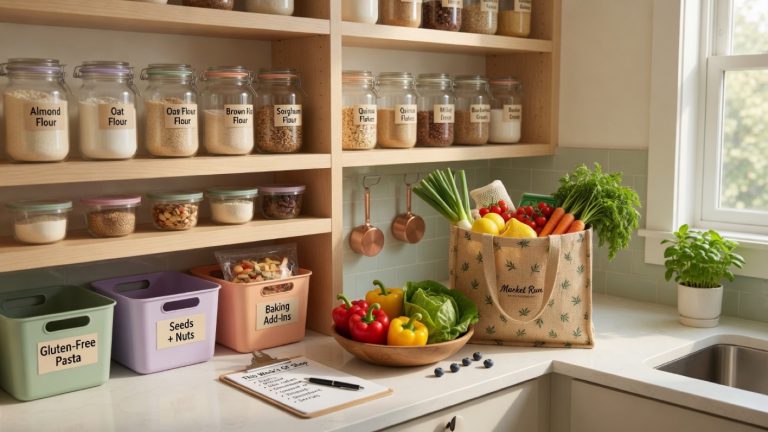
And remember, Preventing Cross-Contamination When Shopping and Storing GF Food is still super important, even with organic items. Just because something is organic doesn’t mean it’s magically free from gluten contamination in a shared facility. Always stay vigilant!
Embrace the Deliciousness!
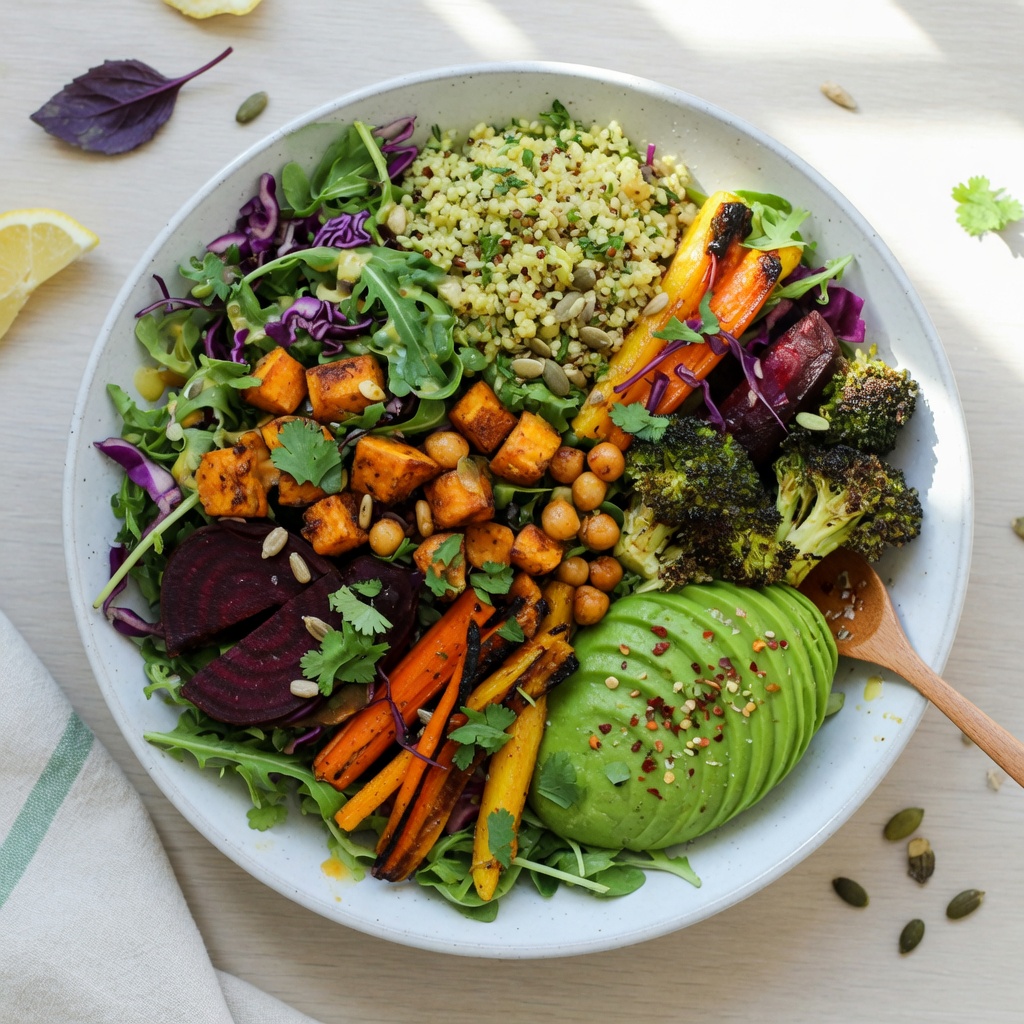
This journey isn’t about restriction. It’s about abundance! It’s about choosing the absolute best ingredients to make incredibly tasty food that makes you feel amazing. Imagine a vibrant salad bursting with organic greens, juicy tomatoes, crunchy cucumbers, and a drizzle of homemade GF dressing. Or a comforting bowl of organic lentil soup, made with beautiful organic vegetables and gluten-free broth.
You’re not just eating; you’re nourishing. You’re celebrating good food. This combination of GF and organic is a powerful way to take control of your health, support sustainable practices, and truly enjoy every single bite. It might take a little extra planning upfront, but the benefits for your well-being are immeasurable.
So go ahead, fill your cart with confidence. Choose those bright, fresh organic veggies. Grab those certified GF organic flours. Your body (and your taste buds!) will thank you. Here’s to happy, healthy, and wonderfully delicious eating!
For more in-depth information about organic farming standards, check out the USDA National Organic Program. And for details on the “Dirty Dozen” and “Clean Fifteen” lists, the Environmental Working Group is a fantastic resource.