Reducing Acid Reflux and Heartburn: A Gluten-Free Solution (2026)

Ever had that unsettling feeling, like a tiny, fiery dragon decided to take up residence right behind your breastbone? That unwelcome visitor, the one that makes you regret that last bite of pizza or that morning coffee? Yeah, that’s acid reflux and heartburn. It’s an all-too-common guest, and frankly, we’re ready to show it the door.
You’re not alone if you’ve been chasing remedies, popping antacids, and wondering why your digestive system seems to have a mind of its own. But what if I told you that your journey into the delicious world of gluten-free eating might just hold a significant key to calming that fiery beast?
For many, going gluten-free is more than just a dietary choice; it’s a pathway to feeling fantastic. It’s about understanding your body and giving it the fuel it truly craves. And guess what? A happy gut often means a happy, reflux-free esophagus. This whole body approach, focusing on what makes you feel great, is truly one of the fantastic Health Benefits of a Gluten-Free Diet.
The Gluten-Reflux Connection: More Than Just a Hunch
So, how exactly does gluten, a protein found in wheat, barley, and rye, play a role in that burning sensation? Well, for some of us, gluten is simply not a friendly ingredient. Think of your digestive tract as a delicate ecosystem, a bustling inner garden. When gluten is introduced, especially for those with sensitivities or celiac disease, it can stir up a lot of trouble.
First, there’s the inflammation. Gluten can irritate the lining of your small intestine. This isn’t just about nutrient absorption (though that’s a big deal too). This irritation can create a general inflammatory response throughout your entire digestive system. And when things are inflamed and grumpy, they don’t function at their best.
Imagine your stomach and esophagus are connected by a one-way door, called the lower esophageal sphincter (LES). Its job is to open for food to enter your stomach and then snap shut to keep stomach acid where it belongs. When inflammation is present, or when your digestive system is under stress from something like gluten, this little muscle can become a bit lax. It might not close completely, or it might open at the wrong times. When that happens, stomach acid, along with its digestive juices, can splash back up into your esophagus. That’s heartburn, my friend.
Plus, gluten can affect gut motility, basically how food moves through your system. If things are moving too slowly, or if there’s a build-up of gas and pressure, that can also put strain on the LES, encouraging reflux. Some studies suggest a link between celiac disease and a higher incidence of GERD (Gastroesophageal Reflux Disease). Even without celiac, gluten sensitivity can absolutely contribute to these symptoms. It’s a real thing, and your body is trying to tell you something.
Beyond the Gluten: A Holistic Approach to Soothing Your System
Okay, so ditching gluten is a powerful step. But even the most dedicated GF eater can sometimes experience reflux. Why? Because the digestive system is complex, and many factors contribute to its harmony (or lack thereof).
Here’s the thing: while gluten might be a primary irritant for you, it’s rarely the only one. Think of it like a beautiful symphony; if one instrument is out of tune, it affects the whole sound. So, let’s tune up the entire orchestra.
-
Mindful Eating Matters: How you eat is almost as important as what you eat. Ever wolf down a meal in five minutes flat? Guilty as charged sometimes! Eating too quickly, or eating too much in one sitting, can overwhelm your digestive system. Small, frequent meals are often easier on your stomach. Chew your food thoroughly, savor each bite. It helps with digestion from the very start.
-
Trigger Foods (Even GF Ones): Some foods are just notorious for causing reflux, gluten or no gluten. These often include:
- Spicy foods (think chili, hot sauce)
- Fatty foods (fried delights, rich creamy sauces)
- Acidic foods (tomatoes, citrus fruits, vinegar)
- Chocolate
- Peppermint
- Onions and garlic
- Coffee and alcohol
This isn’t to say you can never enjoy these things again! But pay attention. Keep a food diary for a week or two. You might find your personal list of culprits is quite specific. Maybe tomatoes are fine, but that extra spicy salsa is a no-go.
-
The Power of Posture: Gravity is your friend! Lying down right after eating is a fast track to reflux. Try to stay upright for at least two to three hours after your last meal, especially before bed. Elevating the head of your bed (not just using extra pillows, which can bend you at the waist and make it worse) by a few inches can also make a huge difference for nighttime reflux.
-
Stress & Sleep: The Gut-Brain Axis: Our gut and brain are in constant conversation. Stress can wreak havoc on digestion. When you’re stressed, your body prioritizes “fight or flight” and often slows down digestive processes. Finding ways to manage stress, whether through meditation, gentle exercise, or just deep breathing, can truly calm your gut. And sleep? It’s restorative for everything, including your digestion. A lack of quality sleep can exacerbate inflammation and make your body less resilient. Seriously, if you’re struggling, dive into the topic of Sleep Quality Improvement: The Gluten-Free Link. It’s a game-changer.
Your Gluten-Free Soothing Plate: What to Embrace
Now for the fun part! This isn’t about deprivation. It’s about filling your plate with delicious, gut-friendly foods that help keep that reflux monster at bay. Think of this as building a cozy, comfortable home for your digestive system.
Foods to Favor:
-
Lean Proteins: Chicken, turkey, fish, and plant-based options like tofu or lentils are generally easy to digest. They provide essential nutrients without the heavy fat content that can trigger reflux.
-
High-Fiber Fruits & Veggies: Things like green beans, asparagus, broccoli (steamed, not raw if you’re sensitive), carrots, apples, pears, and bananas are fantastic. Their fiber content helps keep things moving smoothly and can even absorb excess stomach acid. But remember, some fruits like citrus or tomatoes can be triggers for some.
-
Whole Grains (GF Naturally!): Quinoa, brown rice, wild rice, millet, and oats (certified GF, of course) are wonderful sources of fiber and complex carbohydrates. They digest slowly, keeping you full and providing sustained energy.
-
Healthy Fats (in moderation): Avocados, olive oil, and nuts (if tolerated) are good, but portion control is key. Too much fat, even healthy fat, can slow digestion and trigger reflux.
-
Alkaline Choices: Watermelon, melon, bananas, ginger (fantastic for soothing a troubled tummy), and leafy greens are often considered more alkaline, which can help balance stomach acid.
Recipe Ideas for a Calm Tummy:
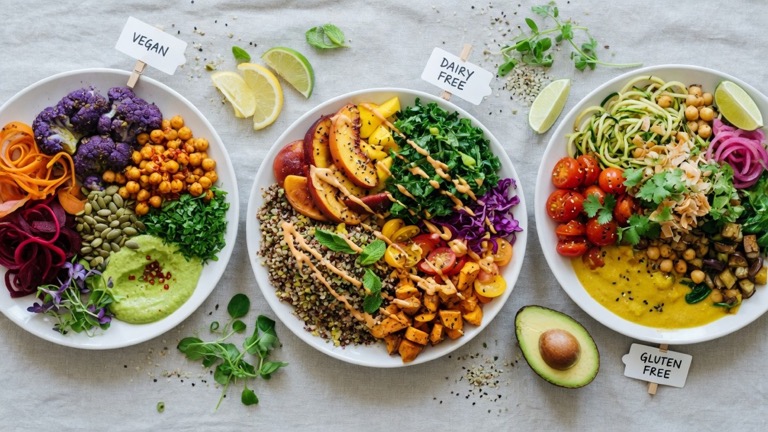
Instead of reaching for that greasy, gluten-filled pizza that might send your LES into a frenzy, imagine a comforting bowl of quinoa with roasted chicken and steamed veggies. Or a vibrant salad with grilled salmon and a light vinaigrette. Even a simple banana smoothie with almond milk and a touch of ginger can be incredibly soothing.
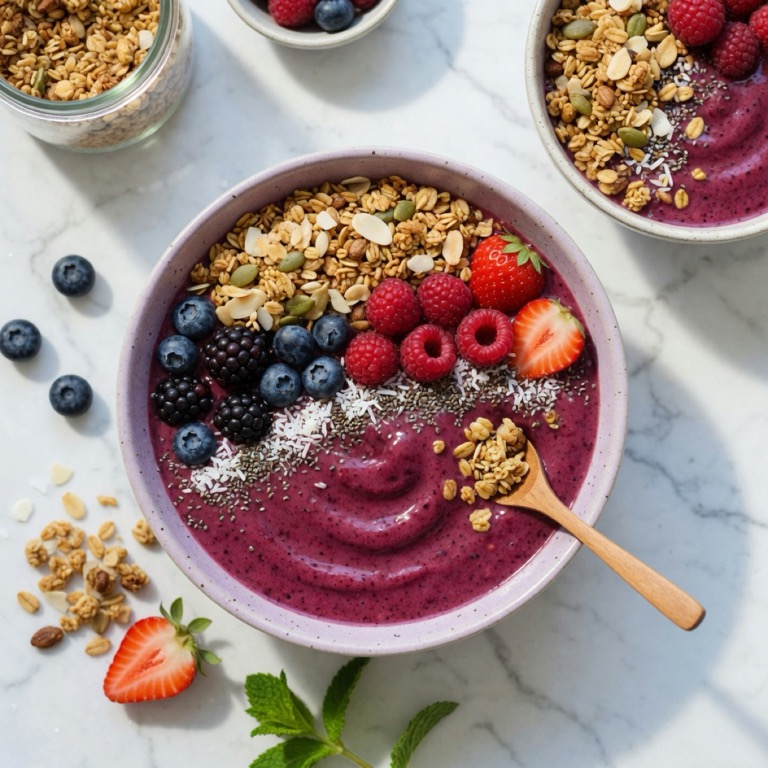
What about breakfast? Gluten-free oatmeal (with water or almond milk, sliced banana, and a sprinkle of cinnamon) is a gentle, filling start to the day. For lunch, maybe a turkey and avocado wrap on a GF tortilla. Dinner could be baked cod with brown rice and steamed greens. Delicious, satisfying, and no dragon in sight!
This approach also works wonders for conditions like IBS. Many people find a significant improvement in symptoms like bloating, gas, and discomfort by embracing both a GF diet and these mindful eating strategies. It’s all about listening to your unique body. If you’re curious about how this ties into broader digestive wellness, you might find our insights on a Gluten-Free Diet for IBS: Managing Symptoms Naturally really helpful.
Living Reflux-Free and Deliciously GF
Taking control of acid reflux and heartburn when you’re gluten-free isn’t about rigid rules; it’s about understanding your body and making informed, loving choices. It’s about experimenting, being patient, and celebrating every small victory.
This isn’t a life of bland, boring food. It’s a journey to discovering an even wider range of delicious, naturally gluten-free ingredients that make your taste buds sing and your stomach sigh with contentment. There are so many fantastic GF alternatives to enjoy now, from breads to pasta to crackers. Choosing these options wisely, along with focusing on whole, unprocessed foods, will naturally lead to a happier gut.
Remember, you’re building a happier, healthier you, one delicious, soothing, gluten-free meal at a time. Be kind to yourself, listen to your body, and never underestimate the power of thoughtful food choices. For ongoing support and tips, consider checking out resources like the National Institute of Diabetes and Digestive and Kidney Diseases.
So, go forth and enjoy your food! Confidently. Joyfully. Reflux-free. You’ve got this.