Gluten-Free Diet for IBS: Managing Symptoms Naturally (2026)


Ever feel like your gut has a mind of its own, throwing a temper tantrum after almost every meal? If you’re nodding, chances are you’ve danced with Irritable Bowel Syndrome, or IBS. It’s a frustrating condition, often leaving us feeling confused and utterly drained. But what if I told you that a delicious, vibrant gluten-free diet could be your secret weapon against those pesky symptoms?
You’re probably here because you’ve heard whispers, maybe even shouts, about going GF for IBS. And you’re smart to investigate! While it’s not a cure-all for everyone, a gluten-free lifestyle offers significant relief for many. Think of it as giving your digestive system a much-needed spa day, letting it relax and reset. This isn’t just about cutting out foods; it’s about embracing a whole new world of incredible, gut-friendly options. In fact, many people discover unexpected health benefits of a gluten-free diet far beyond just symptom management.
Understanding IBS: Your Gut’s Quirky Personality
So, what exactly *is* IBS? Picture your gut like a super-sensitive alarm system. For folks with IBS, that alarm tends to go off way too easily. It’s a functional gastrointestinal disorder, meaning there’s no visible damage or inflammation, but your bowel just isn’t working quite right. It cramps. It bloats. It swings wildly between urgent trips to the bathroom and feeling completely backed up.
The symptoms are a real mixed bag: abdominal pain, bloating (oh, the bloat!), gas, diarrhea, constipation, or sometimes both. It’s truly a spectrum, and what triggers one person might be perfectly fine for another. That’s why managing IBS often feels like solving a complex puzzle. Stress, certain foods, even hormonal changes can all play a role in setting off those alarms.
Gluten and IBS: A Complicated Dance
Now, let’s talk about gluten. You might think, “But I don’t have Celiac disease!” And you’re right, Celiac is different. It’s an autoimmune condition where gluten causes severe damage to the small intestine. But here’s the kicker: many people without Celiac still experience gluten sensitivity. We call this non-Celiac gluten sensitivity (NCGS). For these individuals, gluten acts like an unwelcome guest, stirring up trouble in the gut even without the dramatic intestinal damage seen in Celiac.
How does it happen? Well, gluten, a protein found in wheat, barley, and rye, can be tough for some systems to break down. It’s a big molecule. For sensitive guts, it can trigger an immune response, lead to increased gut permeability (sometimes called “leaky gut” – something a GF diet can help with, by the way; read more about understanding leaky gut and how gluten-free can heal your intestines), or simply ferment in the large intestine, causing gas and bloating. Think of it like trying to fit a square peg in a round hole – your body tries, but it just creates friction and discomfort.
The Low-FODMAP Connection: More Than Just Gluten-Free
Here’s where things get a little nuanced, but totally worth understanding. Many people with IBS find tremendous relief on a low-FODMAP diet. What are FODMAPs? They’re specific types of carbohydrates (Fermentable Oligosaccharides, Disaccharides, Monosaccharides, and Polyols) that are poorly absorbed by some people. These little guys draw water into the intestine and ferment, producing gas. Hello, bloat and pain!
So, what’s the link to GF? Wheat, barley, and rye (the main sources of gluten) are also high in FODMAPs, specifically fructans. This means that for some, the benefits of a gluten-free diet might actually be due to reducing FODMAPs, not just gluten itself. It’s like finding out your favorite cake is delicious because of the sugar *and* the chocolate, not just one or the other!
A low-FODMAP diet is a bit more restrictive than just GF, often eliminating other foods like certain fruits, vegetables, legumes, and dairy. The key is to work with a dietitian to properly implement an elimination and reintroduction phase. But starting with gluten-free can be an excellent first step, especially since wheat is a major FODMAP culprit.
Benefits: What Your Gut Gains From Going GF
When you ditch gluten, especially if it’s been an IBS trigger, your gut gets a chance to breathe. Many people report:
- Reduced Bloating and Gas: This is often one of the first and most welcome changes. Imagine your tummy feeling flat and calm instead of like a hot air balloon.
- Less Abdominal Pain: Fewer cramps, less discomfort. Your gut muscles can relax.
- More Predictable Bowel Habits: Less diarrhea, less constipation, more regularity. It’s like bringing order to chaos.
- Increased Energy: When your gut isn’t constantly battling an irritant, your body can direct energy elsewhere. Hello, productive afternoons!
- Improved Mood: Believe it or not, your gut and brain are in constant communication. A happier gut often means a happier you. This brain-gut axis is a fascinating area of research.
For some, this shift is profound. It’s not just about symptom management; it’s about reclaiming daily life. Imagine being able to enjoy a meal out without immediately scanning for the nearest restroom!
Making the Switch: Your Gluten-Free Toolkit
Ready to give it a try? Here’s how to ease into your GF journey:
1. Read Labels Like a Pro
This is your superpower. Gluten hides in unexpected places: sauces, seasonings, even some medications. Always look for “Gluten-Free” certification. If it’s not certified, scan the ingredient list for wheat, barley, rye, malt, brewer’s yeast, or spelt. It takes practice, but soon you’ll be a label-reading ninja.
2. Focus on Naturally GF Foods
This is where the abundance comes in! Fill your plate with:
- Fresh Fruits and Vegetables: All of them! A rainbow of nutrients.
- Lean Proteins: Chicken, fish, beef, eggs, tofu, legumes (if tolerated).
- Gluten-Free Grains: Quinoa, rice (brown, white, wild), oats (certified GF), corn, millet, buckwheat, sorghum. These are versatile and delicious.
- Healthy Fats: Avocados, nuts (if tolerated), seeds, olive oil.
3. Beware of Cross-Contamination
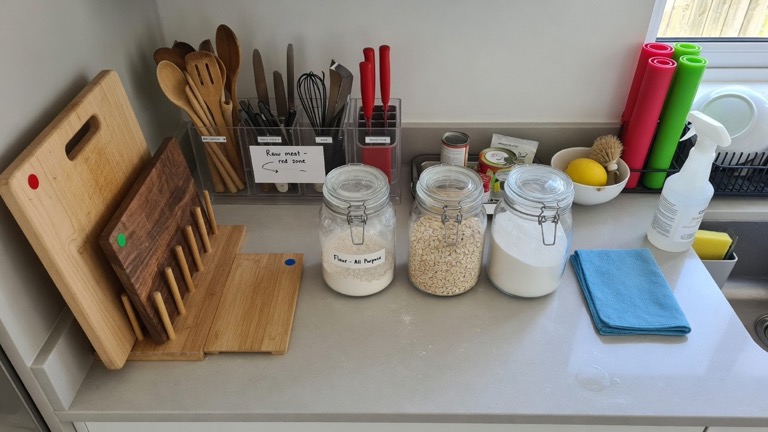
If your household isn’t entirely GF, be mindful. Use separate cutting boards, toasters, and condiments to avoid accidental exposure. A tiny crumb can sometimes be enough to trigger symptoms for a sensitive gut.
4. Discover GF Alternatives
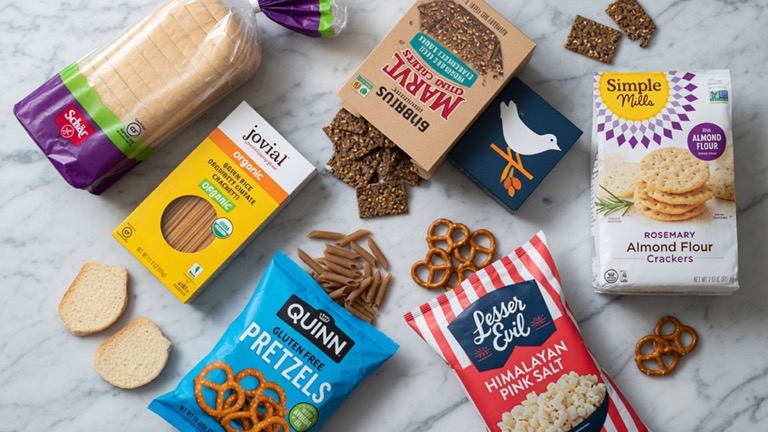
The GF market has exploded! There are fantastic gluten-free breads, pastas, crackers, and snacks. Experiment to find your favorites. Just remember that many GF processed foods can still be high in FODMAPs, so listen to your body.
5. Hydration is Key
Water is your gut’s best friend. It helps with digestion and keeps things moving. Aim for at least 8 glasses a day.
Beyond the Plate: Lifestyle Factors That Soothe IBS
While diet is a huge player, it’s not the only piece of the IBS puzzle. Here are some other natural ways to support your gut:
- Stress Management: Your gut and brain are intimately connected. Stress can exacerbate IBS symptoms. Try mindfulness, meditation, yoga, or simply deep breathing exercises.
- Regular Exercise: Movement helps stimulate gut motility and can reduce stress. Find an activity you enjoy, whether it’s walking, dancing, or swimming.
- Adequate Sleep: Poor sleep can throw your entire system off balance, including your digestive tract. Aim for 7-9 hours of quality sleep each night.
- Probiotics: Specific strains of beneficial bacteria can sometimes help balance gut flora and reduce IBS symptoms. Consult with a healthcare professional before starting any supplements.
When to Talk to Your Doctor
While a gluten-free diet can be incredibly helpful, it’s always important to rule out other serious conditions before making major dietary changes. Always consult with your doctor or a registered dietitian before starting a restrictive diet, especially if you suspect Celiac disease. They can provide personalized advice, ensure you’re getting all the necessary nutrients, and help monitor your progress.
Symptoms like unexplained weight loss, blood in stool, persistent vomiting, or difficulty swallowing are red flags that require immediate medical attention and are NOT typical of IBS alone. Do not self-diagnose.
For more detailed information on specific medical conditions and the gluten-free diet, a comprehensive resource like Wikipedia’s page on Irritable Bowel Syndrome can offer a broader understanding of the disorder.
Embrace Your Gluten-Free Journey with Joy!
Managing IBS with a gluten-free diet isn’t about deprivation; it’s about discovery. It’s about finding out which foods make your body sing and which ones cause it distress. It’s about listening to your gut, literally!
You have the power to transform your relationship with food and your digestive health. Imagine a life with fewer cramps, less bloating, and more energy. It’s totally within reach. So go ahead, experiment, explore new recipes, and revel in the abundance of delicious, naturally gluten-free foods waiting for you. Your happy, calm gut will thank you for it!
And remember, a gluten-free life opens doors to so much goodness, contributing to your overall well-being and a healthier you. Check out our main guide for even more health benefits of a gluten-free diet and embrace this wonderful journey!