Mastering Gluten-Free Label Reading: Beyond the Certification Seal (2026)

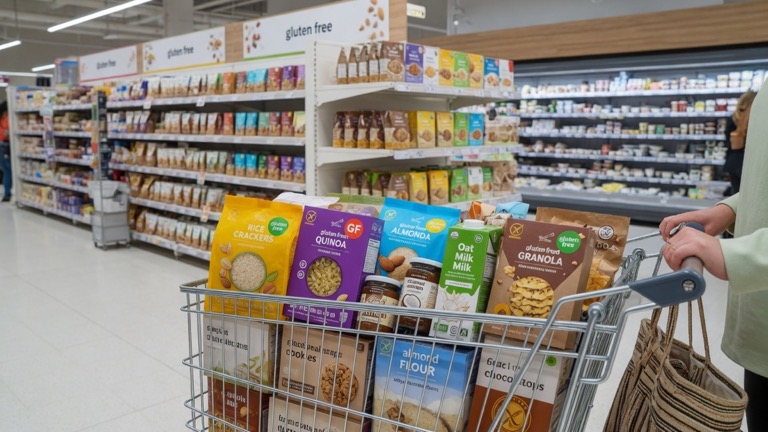
Okay, my fellow gluten-free trailblazers, let’s talk labels. You know the drill. You’re cruising through the grocery store, basket ready, and suddenly, you’re faced with a wall of brightly colored packages. It can feel like decoding ancient hieroglyphs sometimes, can’t it? Especially when you’re just starting out on your gluten-free journey, trying to understand everything from what gluten-free for special dietary needs really means to how to make sense of what’s *actually* safe to eat.
Here’s the thing: that little “Certified Gluten-Free” seal? It’s a beautiful, wonderful thing. A beacon of hope! But here’s a secret from your trusted GF friend: it’s your starting point, not your finish line. To truly master gluten-free living, we need to go a little deeper. We need to become ingredient detectives, decoding those tiny words like culinary Sherlock Holmeses. Ready? Let’s dive in!
The Certified Seal: Your First Best Friend
Think of the “Certified Gluten-Free” seal like a warm, comforting hug from the food gods. When you see it, it generally means the product has been verified by an independent third party to contain less than 20 parts per million (ppm) of gluten. That’s the industry standard, folks. It’s tiny. We’re talking about a grain of sand on a football field. For most of us, especially those with celiac disease, that’s considered a safe amount.
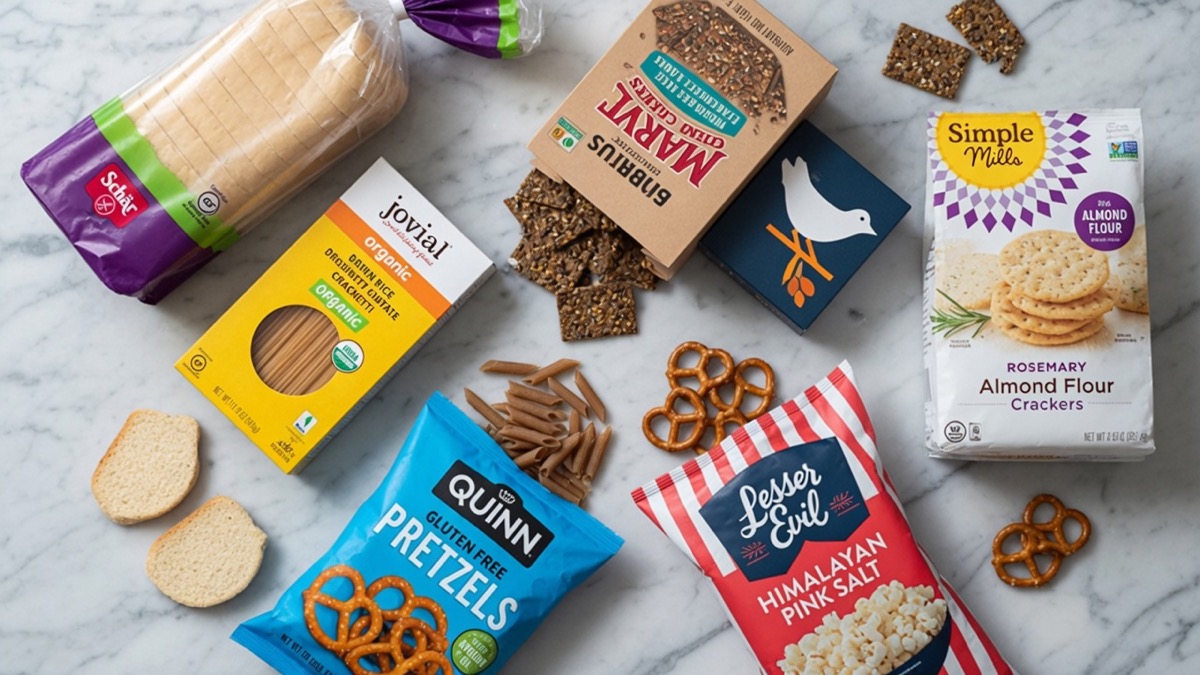
This seal is fantastic for peace of mind. It saves you time and effort. Grab a certified GF bread, pasta, or snack, and you’re usually golden. So, yes, always look for it! It’s your express pass to deliciousness.
Beyond the Seal: Why We Need a Secret Decoder Ring
But here’s the kicker: not every naturally GF food, or even every processed GF food, carries that seal. Some companies just haven’t gone through the certification process, often because it’s expensive. Or maybe you’re picking up something inherently gluten-free, like a bag of rice or a can of beans. They won’t have a seal, but they’re still safe, right?
Usually. But sometimes, sneaky gluten can hide in plain sight or pop up where you least expect it. This is where your inner food detective comes out. This is where we learn to read between the lines, even the really small ones.
The “May Contain” Mystery
Ever seen a label that says, “Manufactured in a facility that also processes wheat”? Or “May contain traces of wheat”? This statement is called a “precautionary allergen label,” and it’s a big one for us GF eaters.
What does it mean? Basically, the company is telling you there’s a risk of cross-contamination. Their production lines might be shared, or ingredients might be stored near gluten-containing items. For some, especially those with celiac disease, this is a hard stop. It’s simply not worth the risk. Others might have a higher tolerance for these warnings, depending on their sensitivity. There’s no single right answer here, only your comfort level and how your body reacts. It’s a deeply personal choice, like picking the perfect GF cookie.
Your Gluten-Free Naughty List: Ingredients to Always Check
Time for the roll call of usual suspects. These are the ingredients that often contain gluten or are derived from gluten-containing grains. Bookmark this list, my friends:
- Wheat: Obvious, right? But it can hide under different names like farina, durum, semolina, spelt, kamut, einkorn, or couscous. Also, modified wheat starch is wheat.
- Barley: Malt is a big one here. If you see “malt extract,” “malt flavoring,” or “brewer’s yeast,” think barley. This is often found in cereals, candies, and some beverages.
- Rye: Less common in processed foods, but still one to watch.
- Oats (if not certified GF): This is a biggie! Pure oats are naturally GF. However, most commercial oats are processed on shared equipment with wheat, barley, and rye. So, always, always look for “certified gluten-free oats.” Otherwise, they’re a no-go for anyone with celiac disease or a strong gluten sensitivity.
The Sneaky Suspects: More Ingredients to Scrutinize
Here’s where it gets a little trickier, but you’re smart. You’ve got this!
- Modified Food Starch: This one is a big question mark. It *can* be derived from wheat, but it can also come from corn, potato, or tapioca (all GF). If the label doesn’t specify “modified corn starch” or “modified potato starch,” and it’s not a certified GF product, it’s best to avoid it or call the manufacturer.
- Hydrolyzed Vegetable Protein (HVP): Sometimes, this can contain wheat. Again, if not specified as “hydrolyzed soy protein” or similar, and no GF certification, be cautious.
- Soy Sauce: Traditional soy sauce is brewed with wheat. Always opt for tamari, which is the GF alternative. It tastes just as good, sometimes even better!
- Natural Flavors/Artificial Flavors/Spices: Generally, these are GF. Most flavors are derived from GF sources. However, in very rare cases, a carrier for a flavor might contain gluten, especially if it’s not a certified GF product. If you’re super sensitive or concerned, and the product isn’t certified, a quick call to the company is your best bet.
- Dextrin/Maltodextrin: These are usually safe. Dextrin can come from wheat, but it’s typically processed to be GF. Maltodextrin is almost always corn-derived. Still, if you’re ever in doubt, check with the manufacturer, especially for non-certified items.
Knowing these common hiding spots will transform your shopping experience. You’ll scan those labels like a pro, quickly spotting potential issues.
Understanding Allergen Statements: Your Fast Track to Safety
Good news! In many countries, like the U.S., major allergens must be clearly declared. This means looking for the “Contains:” statement near the ingredient list. If a product contains wheat, it *must* say “Contains: Wheat.” This doesn’t cover barley or rye directly, which is why our detective skills are still crucial, but it’s a helpful shortcut for wheat.
The European Union has even stricter labeling laws, requiring bolding of all allergens, including gluten-containing grains, right within the ingredient list. Keep an eye out for the crossed grain symbol there; it’s another trusted friend!
The Case of the Cross-Contamination Conundrum
This is where things get truly personal. We already touched on “may contain” statements. But what about restaurant kitchens? What about shared toasters at home? Cross-contamination is when gluten-free food comes into contact with gluten-containing food, even in tiny amounts. For someone living with celiac disease, like those whose journey began with understanding celiac disease diagnosis, even a crumb can be enough to cause a reaction. This risk is why many people who live with celiac disease are vigilant about separate cutting boards, toasters, and utensils.
Your sensitivity level is your guide here. Some can tolerate a slight risk, others cannot. It’s about knowing your body and what it needs to thrive. And sometimes, you just learn as you go, figuring out what works for *your* living gluten-free with celiac disease plan.
Listening to Your Gut (Literally!)
At the end of the day, all the label reading in the world still comes down to one thing: how *you* feel. Our bodies are amazing communicators. Pay attention to them. If a product seems okay on paper, but you consistently feel unwell after eating it, something might be up. Keep a food diary if you need to. Note down ingredients, brands, and how you feel. This can be incredibly illuminating, especially when you’re dealing with something like dermatitis herpetiformis: the gluten rash and your GF diet, where symptoms are visible.
And remember, you’re not alone on this journey. Consult with your doctor or a registered dietitian. They are invaluable resources for personalized advice and can help you decode the nuances of your own unique gluten-free path.
Remember how we mentioned the U.S. has specific rules for allergen labeling? The Food and Drug Administration (FDA) provides clear guidelines on what companies need to do. You can always check their website for the most up-to-date information. They define “gluten-free” for packaged foods as containing less than 20 ppm of gluten, and they also have rules for voluntary declarations like “No gluten,” “Free of gluten,” or “Without gluten.” This consistency helps us all shop with more confidence. The FDA website is a great resource if you want to geek out on the specifics.
Globally, things can vary a bit. In Canada, the gluten-free standard is also less than 20 ppm. The UK and the European Union use the same threshold and have strict regulations around labeling. Australia and New Zealand actually have an even tighter standard, requiring “no detectable gluten” for a food to be labeled gluten-free, which is essentially less than 3 ppm! Knowing this can be helpful if you’re traveling or buying imported products. The Celiac Disease Foundation offers excellent summaries of these international standards, too.
Empowerment Through Knowledge
Look, mastering gluten-free label reading isn’t about fear. It’s about empowerment! It’s about gaining the knowledge to confidently choose delicious foods that make you feel amazing. It’s about opening up a whole new world of culinary possibilities, not restricting them. You’re not limited; you’re enlightened!
Think of all the naturally gluten-free foods out there: mountains of fresh fruits and veggies, lean proteins, nuts, seeds, and a rainbow of ancient grains like quinoa and millet. The world is your oyster (a naturally GF one, of course!).
So, next time you’re at the grocery store, grab your imaginary magnifying glass. You’re not just a shopper; you’re a food detective, a culinary expert, and a joyful gluten-free eater. With a little practice, scanning those labels will become second nature, leaving you more time to savor every delicious, safe bite. Keep exploring, keep learning, and most importantly, keep enjoying your incredible gluten-free life!