Living Gluten-Free with Celiac Disease: Essential Tips & Strategies (2026)


Hey there, my friend! It’s me, your trusted guide in all things deliciously gluten-free. Today, we’re talking about Celiac Disease. If you’ve recently been diagnosed, or if you’ve been living with it for a while but still feel a bit overwhelmed, know this: you are not alone. And more importantly, living a vibrant, delicious, and perfectly normal life with Celiac Disease is absolutely possible.
Think of it like this: your body is a super-sensitive gourmet chef. It just can’t handle one particular ingredient – gluten – without getting a serious tummy ache and causing some real damage behind the scenes. Our mission? To feed that amazing chef body only the good stuff, keeping it happy and thriving. This isn’t about deprivation. It’s about discovering a whole new world of incredible foods. It’s about empowering you to take charge of your health with confidence and joy. In fact, embracing a gluten-free lifestyle for Celiac Disease is a big part of creating a Gluten-Free for Special Dietary Needs plan that truly works.
What Exactly Is Celiac Disease? (The Quick & Friendly Version)
So, what’s the deal with Celiac? Basically, it’s an autoimmune condition. When someone with Celiac eats gluten (a protein found in wheat, barley, and rye), their body launches an immune attack on its own small intestine. Imagine the lining of your small intestine as a lush, velvety carpet with tiny finger-like projections called villi. These villi are crucial for absorbing nutrients from your food.
When gluten enters the picture, these villi get flattened, almost like that velvety carpet being stomped flat. No villi, no proper nutrient absorption. This can lead to all sorts of issues, from digestive problems (hello, bloating and belly pain) to fatigue, skin rashes, and even more serious long-term health complications if left unchecked. It’s a serious condition, yes, but thankfully, the treatment is straightforward: a 100% gluten-free diet. If you’re curious about how doctors figure this out, you might find our guide Understanding Celiac Disease Diagnosis: A Complete Guide really helpful.
The Golden Rule: Go 100% Gluten-Free
This is the cornerstone of Celiac management. No wiggle room here, folks. Even tiny amounts of gluten can trigger that autoimmune response and damage your small intestine. We’re talking crumbs, traces, invisible particles. Think of it like a severe allergy. You wouldn’t knowingly expose yourself to something harmful, right?
This means saying goodbye to traditional pasta, bread, most cereals, beer, and many processed foods. But don’t despair! The world of naturally gluten-free foods is vast and delicious. Plus, the GF market has exploded, offering fantastic alternatives for almost everything you might miss.
Becoming a Label Detective
Your new superpower? Reading food labels. Every single time. It sounds daunting at first, but it quickly becomes second nature. Here’s what you’re looking for:
- “Gluten-Free” Certification: This is your gold standard. Products labeled “Certified Gluten-Free” meet strict standards (usually less than 20 parts per million of gluten) and are tested regularly. Look for the GF symbol.
- Ingredients List: Scan for wheat, barley, rye, malt (often from barley), brewer’s yeast, and oats (unless certified gluten-free oats). Be aware of “hidden” gluten in things like soy sauce, modified food starch, and some flavorings. When in doubt, leave it out.
- Allergen Statements: Many labels will state “Contains Wheat” which is a clear no-go.
Manufacturers are getting better every year, so don’t be shy about reaching out to them if you have questions about a product. Transparency is key.
Kitchen Confidence: Avoiding Cross-Contamination
This is where things can get a little tricky, especially in a shared kitchen. Gluten cross-contamination happens when gluten-containing foods come into contact with your gluten-free foods, utensils, or cooking surfaces. It’s a sneaky villain, but we can outsmart it!
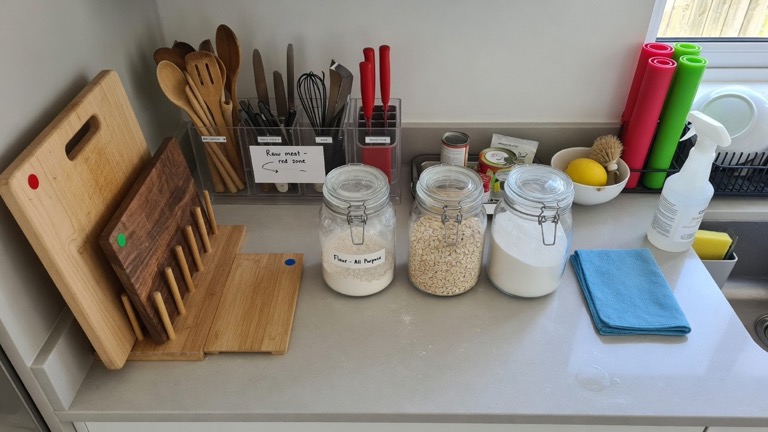
- Dedicated Gear: Consider having a dedicated toaster, cutting board, colander, and even separate butter or jam containers. A crumb from a regular slice of toast in a shared toaster can be enough to cause issues.
- Clean Surfaces: Always wipe down counters, tables, and stovetops before preparing your GF food.
- Separate Utensils: Use clean spoons and spatulas that haven’t touched gluten-containing items.
- Storage Smarts: Store gluten-free items on higher shelves to prevent gluten crumbs from falling onto them from above. Keep GF flours and mixes in airtight containers.
It sounds like a lot, but once you set up your kitchen sanctuary, it’s smooth sailing. Your kitchen will become your happy, safe place to create culinary masterpieces.
Dining Out? You Got This!
Eating out used to be a minefield for Celiacs. Not anymore! The world is waking up. Many restaurants understand Celiac Disease and offer safe options. Here’s how to dine out like a pro:
- Do Your Homework: Before you even leave the house, check restaurant websites for GF menus, read reviews, or call ahead. Apps like Find Me GF are your best friend.
- Communicate Clearly: When you arrive, tell your server you have Celiac Disease. Not “gluten sensitivity” (which is different, as we explain in our What is Non-Celiac Gluten Sensitivity? Symptoms & Management post), but Celiac Disease. Explain that even a tiny bit of gluten makes you sick.
- Ask Specific Questions: “Is the fryer dedicated GF?” “Do you use a separate prep area for GF dishes?” “Can you ensure clean utensils and cutting boards?” Don’t feel bad about asking. Your health matters!
- Stick to Simple Dishes: Grilled meats, plain vegetables, salads (with dressing on the side and confirmed GF ingredients) are often safer bets. Be wary of sauces, marinades, and fried items unless confirmed GF.
Find a few restaurants in your area that you trust. They will become your go-to spots for worry-free dining!
Travel Adventures & Social Life
Don’t let Celiac Disease put a damper on your wanderlust or your social calendar. It just means a little extra planning.
Travel Tips:
- Pack Smart: Always carry GF snacks! Bars, crackers, fruit, nuts – enough to get you through delays or unexpected food deserts.
- Research Ahead: Look up GF-friendly restaurants and grocery stores at your destination.
- Language Cards: If traveling internationally, print out cards in the local language explaining Celiac Disease and what you can’t eat.
- Communicate with Airlines/Hotels: Many can accommodate GF meals if you give them advance notice.
Social Gatherings:
- Communicate with Hosts: A quick chat with your host before a party helps immensely. Offer to bring a delicious GF dish to share (and ensure you’ll have something safe for yourself!).
- Be Prepared: Sometimes, despite best intentions, there might not be safe options. Having a small, satisfying snack in your bag saves you from hunger and awkwardness.
- Educate (Kindly): Most people want to be helpful but just don’t understand the strictness required. A gentle explanation goes a long way.
Beyond the Plate: Nutritional Well-being
Living GF isn’t just about avoiding gluten. It’s about nourishing your body back to health. Because Celiac Disease can cause nutrient malabsorption, it’s important to pay attention to your overall nutritional intake.
- Listen to Your Doctor: Regular follow-ups with your doctor and possibly a dietitian specializing in Celiac Disease are crucial. They can monitor your progress and recommend any necessary supplements (like Vitamin D, B vitamins, iron, or calcium).
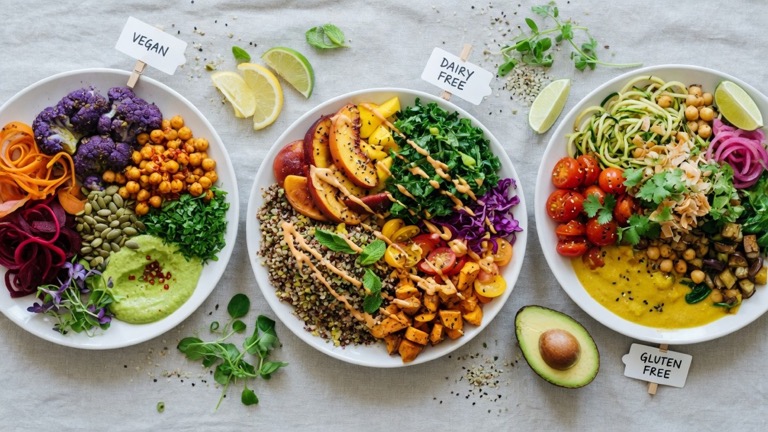
- Focus on Whole Foods: Naturally gluten-free foods like fruits, vegetables, lean proteins, nuts, seeds, and gluten-free grains (quinoa, rice, corn, buckwheat, certified GF oats) should be the stars of your plate.
- Hydration: Drink plenty of water. It’s simple, but so important for overall health.
Sometimes, Celiac Disease can come with other conditions, like Type 1 Diabetes. If that’s you, check out our insights on Managing Type 1 Diabetes & Celiac Disease with a Gluten-Free Diet.
Embrace the Deliciousness!
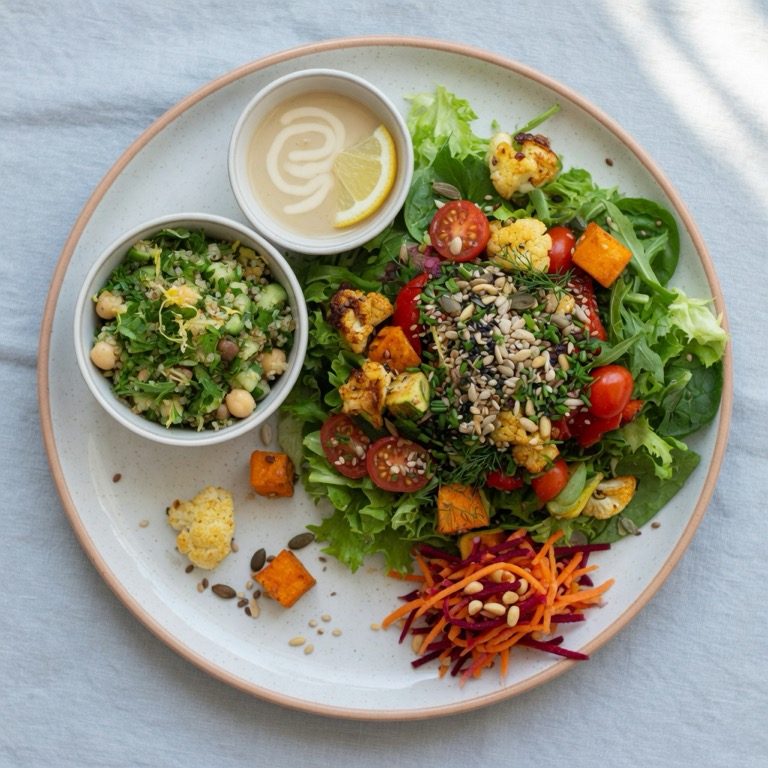
This is where the fun begins! Living gluten-free opens up a world of new flavors and ingredients. You might discover a love for teff flour pancakes, vibrant quinoa salads, or the incredible versatility of sweet potatoes. The gluten-free aisle is growing, but the produce aisle, the meat counter, and the dairy section? They’ve always been GF superstars!
Experiment with new recipes. Find your favorite GF bread or pasta brand. Learn to make amazing meals from scratch. You’ll be surprised at how much joy you can find in cooking and eating when you’re feeling your best.
Remember, Celiac Disease is a part of your life, but it doesn’t define it. It’s an opportunity to become a more mindful eater, a more creative cook, and a healthier you. With these essential tips and a positive mindset, you’re not just living gluten-free; you’re absolutely thriving. You’ve got this, and we’re here to help you every step of the way.
Sources: