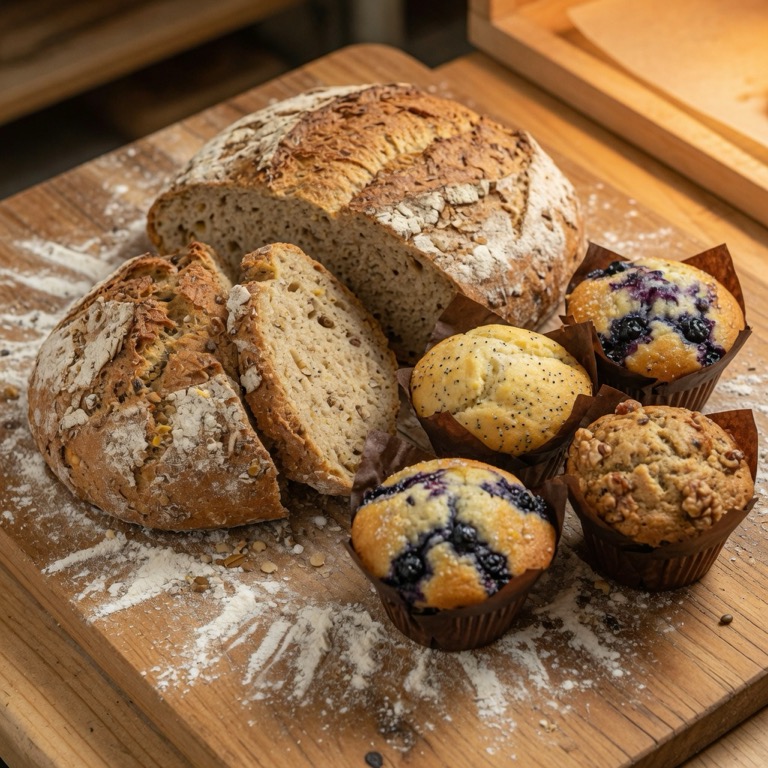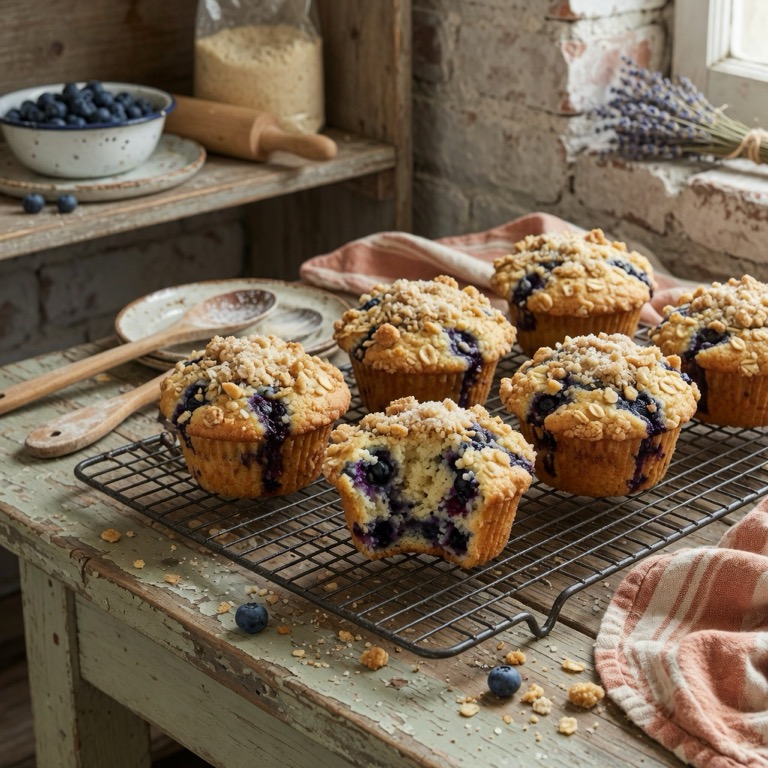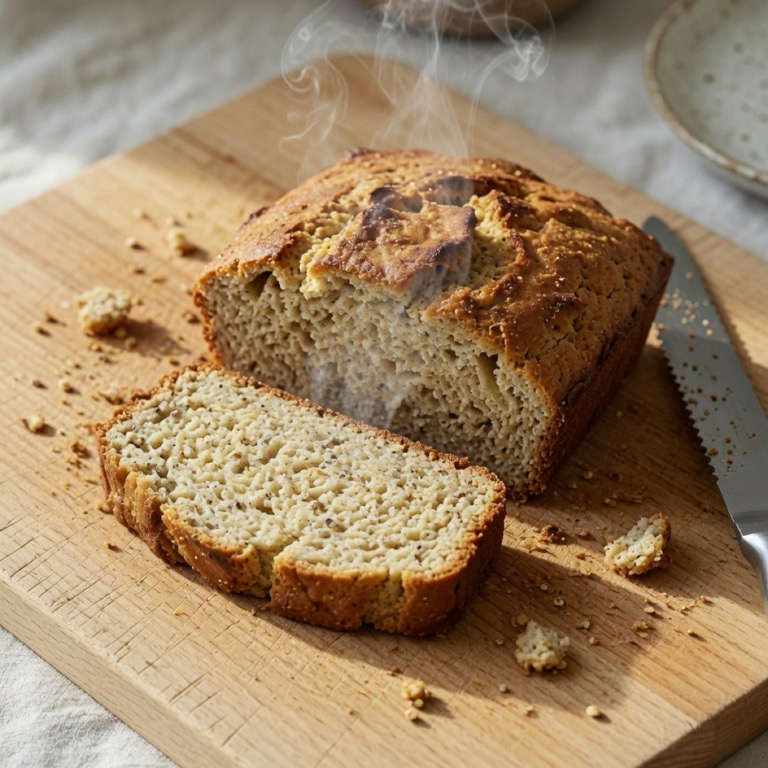
Essential Gluten-Free Flours for Baking and Cooking (2026)

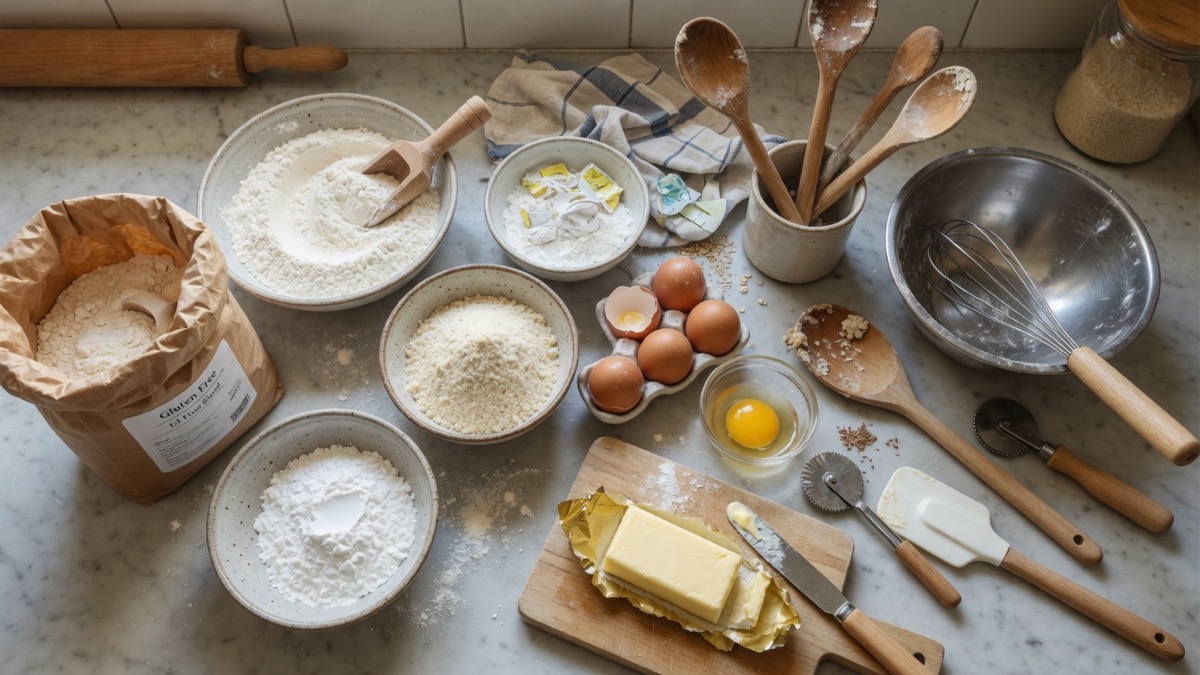
Hey there, fellow food adventurers! Ever opened up your pantry, stared at a bag of gluten-free flour, and wondered, “Now what?” You’re not alone. When you first jump into gluten-free (GF) baking and cooking, the world of flours can feel like a whole new language. Forget the simple wheat flour days! We’re talking about a vibrant, diverse crew of ingredients, each with its own personality and superpowers.
But here’s the good news: it’s not nearly as complicated as it seems. Think of me as your friendly guide, here to demystify the magic and help you build a pantry that’s ready for anything. We’re going to dive deep into the essential GF flours, showing you how they work, what they love to make, and how to get the most out of them. It’s about opening up a world of delicious possibilities, not limiting them!
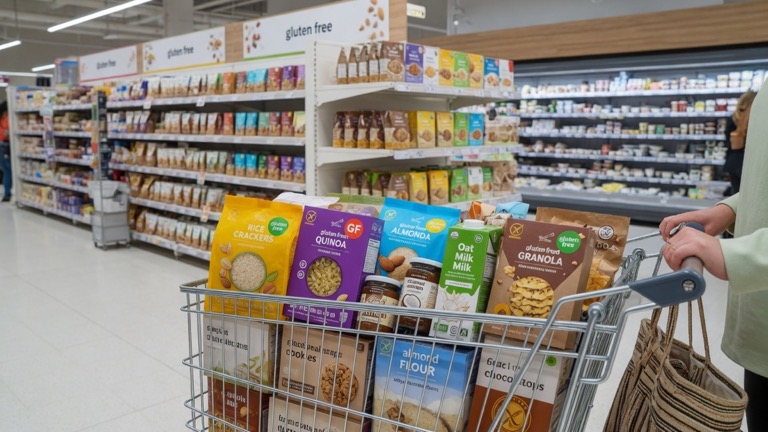
One of the biggest lessons I learned early on, and something I always share, is that GF flours don’t always behave like their wheat-based cousins. Wheat has gluten, which basically acts like a tiny, elastic scaffolding, giving structure and chewiness. When we remove that, we need to get creative. That often means blending different GF flours to mimic those properties. It’s like assembling a superhero team, each flour bringing a unique power to the recipe. And speaking of assembling the best ingredients, knowing your flours is a huge step in Navigating Gluten-Free Shopping.
Your Essential GF Flour Squad: Who They Are and What They Do
Let’s meet the MVPs of your gluten-free kitchen. These are the workhorses, the versatile stars that will form the foundation of almost all your GF creations. Get ready to bake and cook with confidence!
Almond Flour: The Protein-Packed Pal
Ah, almond flour. If you’ve spent any time in the GF baking world, you’ve definitely run into this superstar. It’s made from blanched, ground almonds, giving it a fine texture and a lovely, slightly nutty flavor. Plus, it’s packed with protein and healthy fats. This makes it a fantastic choice for adding richness and moisture.
- Best for: Cakes, cookies, muffins, quick breads, pie crusts, and even breading for meats or vegetables. It makes wonderfully tender baked goods.
- Texture Tip: Because it’s low in carbs and high in fat, it absorbs liquid differently than grain flours. Don’t swap it 1:1 for wheat flour; you’ll often need less liquid or a different ratio.
- Flavor Profile: Mildly sweet and nutty. It plays well with both sweet and savory dishes.
Oat Flour: The Wholesome Workhorse
Certified gluten-free oat flour is a dream. Seriously. It’s made from ground GF oats and brings a subtle, earthy sweetness and a fantastic chewiness to baked goods. It’s also a whole grain, meaning it offers more fiber and nutrients. Just make sure the label specifically says “certified gluten-free oats” to avoid cross-contamination for those with celiac disease or severe sensitivities.
- Best for: Cookies, muffins, pancakes, waffles, and even as a partial replacement in yeast breads. It adds a hearty texture.
- Texture Tip: Oat flour can be a bit thirsty, so it often needs more liquid than you might expect. It’s excellent for adding structure without being too dense.
- Flavor Profile: Mild, slightly sweet, and classic “oaty.”
Brown Rice Flour: The Sturdy Staple
Brown rice flour is a cornerstone of many GF flour blends, and for good reason. It’s affordable, widely available, and brings a nice, slightly nutty flavor and good structure to baked goods. It’s a whole grain flour, so it’s a good source of fiber, too. Some folks find it a bit gritty on its own, which is why blending it with starches is common.
- Best for: Breads, muffins, cookies, and general baking. It’s a good base flour in GF blends.
- Texture Tip: Can be a bit dense or gritty if used in large quantities by itself. Blending it with starches like tapioca or arrowroot helps lighten the texture.
- Flavor Profile: Mild, slightly earthy, with a hint of nutty sweetness.
White Rice Flour: The Light & Bright Baker
Like brown rice flour, but made from polished white rice, this flour is much finer and lighter. It’s often used in blends to provide structure without the grittiness that brown rice flour can sometimes bring. It’s virtually flavorless, which makes it incredibly versatile.
- Best for: Delicate baked goods, tempura batters, thickening sauces, and as a component in many all-purpose GF flour blends.
- Texture Tip: Very fine, can make baked goods a bit crumbly if used too much on its own. It’s a team player, usually combined with other flours.
- Flavor Profile: Neutral, almost undetectable.
Tapioca Starch (or Flour): Your Chewy Secret Weapon
This is where things get fun! Tapioca starch (often called tapioca flour) comes from the cassava root. It’s incredibly fine, white, and a powerhouse for adding chewiness and crispness. Think of it as the ‘glue’ that helps bind your GF recipes together and gives them that satisfying bounce. This one is a game-changer for texture.
- Best for: Adding chewiness to cookies, crispness to crusts, thickening gravies and sauces (it’s fantastic for clear, glossy sauces), and as a binder in GF breads.
- Texture Tip: A little goes a long way. Too much can make things gummy. It’s best used in combination with other flours.
- Flavor Profile: Completely neutral.
Arrowroot Starch (or Powder): The Silky Smoother
Another fantastic starch, arrowroot is similar to tapioca but often provides a slightly silkier texture. It’s a fantastic thickening agent for liquids, especially good for fruit pies, gravies, and sauces. It also stands up well to freezing and thawing without breaking down, which is a bonus for meal prep!
- Best for: Thickening sauces, gravies, fruit fillings, and puddings. It also adds a nice tenderness to baked goods.
- Texture Tip: Produces a clear, glossy finish when used as a thickener. Can substitute for cornstarch in many recipes, especially if you’re avoiding corn.
- Flavor Profile: Neutral.
Sorghum Flour: The Ancient Grain Gem
Sorghum flour, made from a nutrient-rich ancient grain, is gaining serious popularity. It has a mild, slightly sweet flavor and a soft texture. It’s a great choice for adding a lovely crumb structure to your baked goods. Plus, it’s packed with fiber and antioxidants!
- Best for: Cookies, cakes, quick breads, and pancakes. It’s also a great addition to GF bread recipes.
- Texture Tip: It has a good protein content, which helps with structure. It’s less dense than some other whole grain flours.
- Flavor Profile: Mild, slightly sweet, and earthy.
Millet Flour: The Mild & Mellow Contributor
Millet flour is another ancient grain hero, offering a mild, slightly sweet flavor and a fine texture. It’s a good source of protein and fiber, making it a nutritious addition to your GF pantry. It tends to lighten baked goods and give them a slightly cakey texture.
- Best for: Pancakes, waffles, muffins, and as part of a GF flour blend for breads.
- Texture Tip: Less dense than brown rice flour, it helps create a tender crumb.
- Flavor Profile: Mild, slightly sweet, and a bit buttery.
Buckwheat Flour: The Hearty & Distinctive Choice
Don’t let the name fool you, buckwheat isn’t wheat at all! It’s actually a fruit seed, making it naturally gluten-free. It has a very distinct, earthy, somewhat robust flavor that can be polarizing but is beloved by many. It adds a hearty texture and a beautiful color to baked goods.
- Best for: Pancakes (classic buckwheat pancakes!), crepes, noodles (soba!), and some rustic breads.
- Texture Tip: Can be quite dense and crumbly if used on its own. Best used in smaller amounts or blended with other flours.
- Flavor Profile: Strong, earthy, nutty, and slightly bitter.
The Magic of Blending: Your GF Flour Superpowers Unite!
Now, here’s the secret sauce, the real game-changer: you almost never use just one GF flour. Most successful GF baking relies on a blend. Why? Because no single GF flour can perfectly replicate the structure, chewiness, and texture that gluten provides.
Think of it like building a house. You wouldn’t use just bricks, right? You need wood for the frame, concrete for the foundation, glass for the windows. GF flours work the same way!
A typical GF flour blend usually has:
- A “Structure” Flour: Like brown rice flour, white rice flour, sorghum, or millet. These provide the bulk.
- A “Protein/Flavor” Flour: Almond or oat flour add richness, protein, and often flavor.
- A “Starch/Binder” Flour: Tapioca or arrowroot starch. These are your elasticity and chewiness makers.
And don’t forget the binders! Ingredients like xanthan gum or psyllium husk powder are crucial in many GF recipes. They act like that missing gluten, providing elasticity and preventing crumbling. Usually, you only need a tiny pinch, but it makes a huge difference. Knowing these tools helps you understand your ingredients better, which is key to Decoding Gluten-Free Labels: A Beginner’s Guide when buying pre-made blends.
Putting It All Together: Your Flour Power Journey
Starting with these essential flours gives you an incredible foundation. You’ll be amazed at the variety of delicious things you can create. Don’t be afraid to experiment! Start with recipes that specifically call for certain GF flours, then, as you get more confident, try tweaking ratios or substituting similar flours.
Remember, gluten-free eating is about joy, flavor, and incredible food. It’s not about missing out. With this fantastic array of flours at your fingertips, you’re not just baking; you’re crafting masterpieces. So grab your bags of almond, oat, and tapioca, and let’s get cooking!
Stay curious, keep baking, and enjoy every single delicious, gluten-free bite. The world of GF flours is wide open, and it’s full of flavor. If you’re ever unsure about which flours might be lurking in processed foods, it’s always smart to remember the importance of Watch Out for Hidden Gluten: Common Names and Sources.
Further Reading:
- Properties of Gluten-Free Flours and Starches (This link might be a bit technical, but it provides a great overview of the science if you’re curious!)
- Gluten-Free Grains – Whole Grains Council