The Psychological Impact of a Gluten-Free Diagnosis and How to Cope (2026)


Remember that moment? The doctor’s office, the phone call, the sinking feeling in your stomach? The words “gluten-free” hung in the air, possibly followed by “for life.” For many of us, hearing that diagnosis (whether it’s celiac disease or a serious gluten sensitivity) feels less like a solution and more like a sentence. It’s okay to admit it. That initial shock can hit hard. Really hard.
You’re not alone if you felt a wave of sadness, anger, or even a weird kind of grief wash over you. It’s a very real thing. Food is more than just fuel; it’s comfort, celebration, tradition, and a huge part of our social lives. Suddenly, a big chunk of that feels… gone. It’s like discovering your favorite cozy blanket is actually made of nettles. Ouch. This isn’t just about what’s on your plate. It’s about how you feel about yourself, your social life, and your future meal plans.
The Emotional Rollercoaster: Why It’s Normal
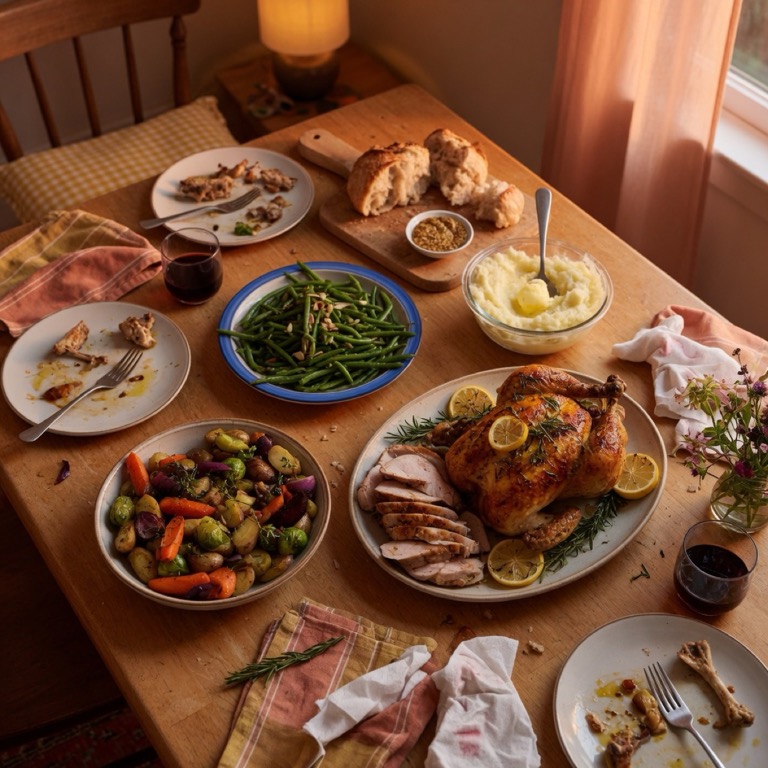
Think about it. Our lives are intertwined with food. Birthdays have cake. Holiday dinners feature gravy and stuffing. A quick coffee catch-up often involves a pastry. When gluten suddenly becomes the enemy, those familiar rituals can feel threatening. This can lead to some pretty understandable emotions:
- Loss: You might grieve the loss of spontaneity, the ease of eating out, or even just your grandma’s homemade pie. This is a legitimate form of loss, and it deserves acknowledgment.
- Anxiety: Dining out? Traveling? Even grocery shopping can become a minefield. The fear of accidental gluten exposure, known as “glutenation” (yes, we made that up, but it feels real!), causes real stress. What if you get sick? How will you explain it?
- Isolation: Ever felt like the “difficult” friend at dinner? Or spent a party just watching everyone else eat? It’s tough. This can make you feel different, set apart, or like you’re constantly explaining yourself.
- Anger: Why me? Why this? It’s natural to feel frustrated and resentful about the unfairness of it all.
- Confusion: What *can* I eat? Where do I even start? The sheer volume of new information can be overwhelming. It feels like you’ve been dropped into a new country without a phrasebook.
These feelings are valid. They’re part of the process. But here’s the good news, my friend: you don’t have to stay stuck on that roller coaster. You can grab the controls and make this ride a whole lot more fun, and delicious.
Taking Control: Your GF Power-Up Kit
Getting a gluten-free diagnosis isn’t the end of delicious eating. It’s the beginning of a magnificent, brand-new culinary adventure. Seriously! Here’s how you can turn those challenging emotions into empowered action.
1. Knowledge is Your Superpower
Understand your diagnosis. What exactly is going on in your body? For some, like those with celiac disease, it’s a serious autoimmune reaction. For others, it’s a sensitivity that causes discomfort. Knowing the specifics helps you understand the ‘why’ behind the ‘what.’ This isn’t just about avoiding gluten; it’s about healing your body and feeling fantastic.
For example, if you’re trying to figure out The Difference Between Celiac Disease and Gluten Sensitivity, getting clear on that distinction is a huge first step. The more you know, the less mysterious and scary the whole thing becomes. You become the expert on your own body.
2. Reframe Your Plate: Focus on Abundance
Stop thinking about what you can’t eat. Seriously, put that thought in a little box and kick it away. Instead, throw open the doors to all the amazing, naturally gluten-free foods out there! We’re talking about a vast, colorful world of:
- Fresh fruits and vegetables (think vibrant salads, roasted root veggies)
- Lean proteins (chicken, fish, eggs, beans, lentils)
- Healthy fats (avocados, nuts, seeds)
- Naturally GF grains (rice, quinoa, corn, oats – certified GF, of course!)
- Potatoes (baked, roasted, mashed – a true comfort food hero!)
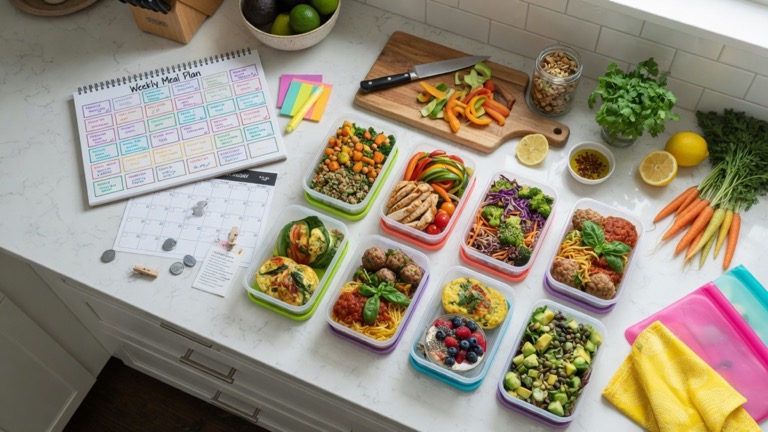
Your plate doesn’t have to look barren. It can be a rainbow of deliciousness! Imagine a gorgeous stir-fry with perfectly cooked rice noodles, or a hearty stew packed with tender veggies and lean meat. You’re not missing out. You’re just taking a delicious detour.
3. Build Your GF Sanctuary (aka Your Kitchen)
Your kitchen is your safe haven. Equip it well. This might mean a bit of a pantry overhaul initially. Ditch the old gluten-filled staples. And yes, it’s okay to have a little pity party while you toss that last box of regular pasta. But then, get excited!
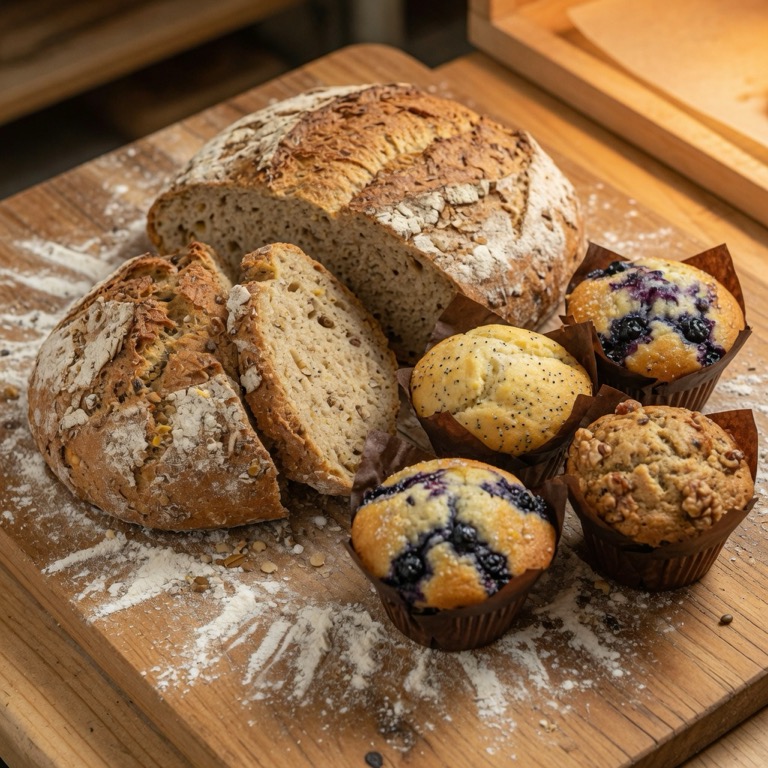
- Explore New Flours: Almond flour, coconut flour, rice flour, tapioca starch, cassava flour. Each has its own unique texture and flavor. Baking becomes a fun science experiment!
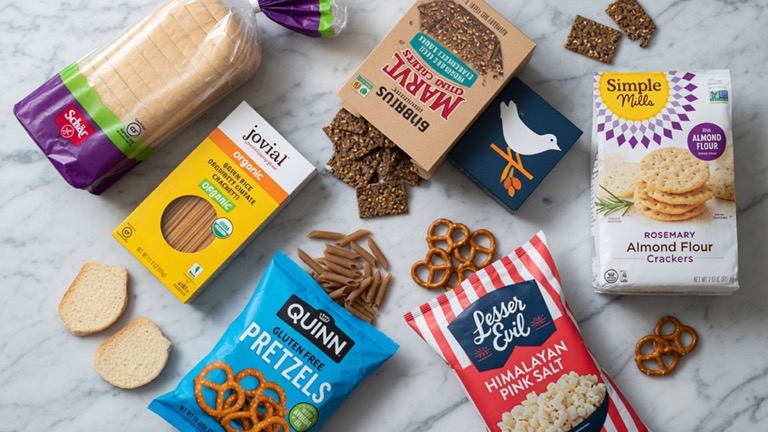
- Stock GF Staples: Dedicated gluten-free pasta, bread, crackers, and baking mixes are everywhere now. The quality has improved leaps and bounds in recent years.
- Separate and Conquer: If you share a kitchen, consider dedicated toaster slots, cutting boards, and even condiments to prevent cross-contamination. A little planning goes a long way.
This is where the fun begins. Experiment! You’ll discover new favorite ingredients you never even knew existed.
4. Master the Social Scene
This is often the trickiest part. But you can do it. Confidence is your best ingredient here!
- Communicate Clearly: Don’t apologize for your dietary needs. State them simply and clearly. “I have to eat gluten-free for my health.”
- Plan Ahead: Eating out? Call the restaurant beforehand. Check menus online. Choose places known for being GF-friendly.
- Bring Your Own: Attending a potluck or party? Offer to bring a fantastic GF dish to share. That way, you know you have something safe and delicious to eat. Plus, everyone else gets to try your amazing food!
- Educate (Kindly): For close friends and family, gently explain what gluten-free truly means. Help them understand it’s not a fad diet. A quick analogy can help: “Think of it like a peanut allergy for my gut.”
Most people want to be helpful. Give them the tools to support you. And if someone isn’t supportive? That’s their issue, not yours. Keep shining your GF light.
5. Find Your Tribe
You are absolutely not alone. There are millions of us living this GF life! Connecting with others who understand can be incredibly validating and empowering. Here’s how:
- Online Communities: Facebook groups, forums, and blogs (like this one!) are amazing resources. Share struggles, celebrate victories, and swap recipes.
- Local Support Groups: Check if there are any Celiac Disease Foundation or Gluten Intolerance Group chapters near you.
- Share Your Journey: Talk to friends who might also have dietary restrictions. You might be surprised who else understands.
Having a support system makes the journey much smoother. Sometimes, just knowing someone else “gets it” can make all the difference.
6. Don’t Hesitate to Seek Professional Help
It’s okay to need a little extra guidance. This is a big life change. A registered dietitian specializing in celiac disease or gluten sensitivity can be a game-changer. They can help you with meal planning, nutrient deficiencies, and understanding labels. For emotional support, a therapist can help you process the grief, anxiety, or frustration that comes with a chronic condition.
Studies have shown a real link between chronic conditions like celiac disease and mental health challenges, so taking care of your mind is just as important as taking care of your body. Organizations like Beyond Celiac often highlight the importance of addressing the psychological impact of the diagnosis, reinforcing that seeking support is a sign of strength, not weakness.
7. Celebrate Every Little Victory
Did you successfully navigate a restaurant meal? High five! Did you bake a fantastic loaf of GF bread that actually tasted good? Throw a party (with that bread)! Did you explain your needs clearly to a relative without feeling awkward? You’re a rockstar. Every step forward, no matter how small, deserves recognition. Managing a gluten-free diet effectively is a marathon, not a sprint, and every successful mile marker is worth celebrating.
Embrace Your Delicious Future
A gluten-free diagnosis can indeed bring on a whirlwind of emotions. But it also presents an incredible opportunity: an invitation to discover new foods, experiment in the kitchen, and truly understand what makes your body feel its best. This isn’t about deprivation; it’s about discovery.
You’re not just coping. You’re thriving. You’re becoming a more informed, adventurous, and resilient eater. This embrace of a new way of eating, this journey toward total wellness, is all part of Understanding Gluten-Free at its deepest, most personal level. So, go forth, explore, and eat gloriously!