Oat Flour in Gluten-Free Baking: Benefits and Best Practices (2026)

Alright, my gluten-free friends, let’s talk about a baking superstar that often gets overlooked in the grand flour parade: oat flour. If you’ve been navigating the wonderful world of Gluten-Free Baking Essentials for a while, you know the magic is in the blend. But today, we’re giving a much-deserved spotlight to this humble, wholesome ingredient. It’s a game-changer, truly.
Think of oat flour as your baking buddy. It’s got a warm, friendly vibe and it’s surprisingly versatile. We’re going to dive deep into why oat flour deserves a prime spot in your pantry, how to get the best out of it, and a few pro tips to make your gluten-free bakes absolutely sing. Get ready to embrace the deliciousness!
What Exactly is Oat Flour? And Why Certified GF Matters
Simply put, oat flour is finely ground oats. Sounds straightforward, right? And it is. This delightful flour brings a mild, slightly nutty flavor and a wonderful chewiness to baked goods. It’s like a comforting hug for your taste buds.
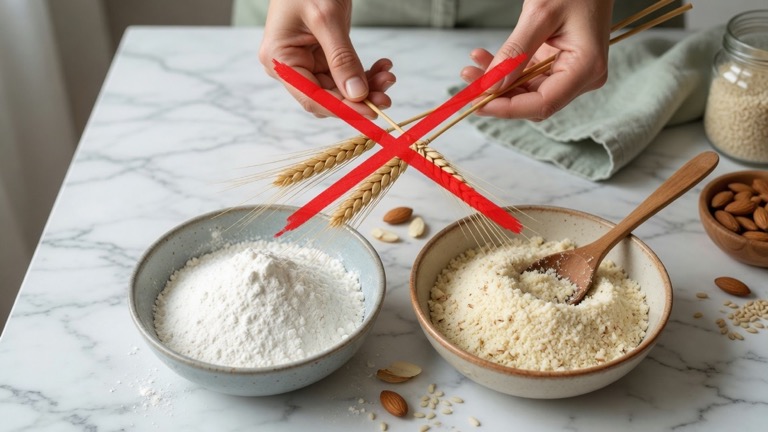
But here’s the crucial bit, something we talk about a lot in the GF community: cross-contamination. Oats themselves are naturally gluten-free. Yes, they are! However, they are often grown, harvested, and processed in facilities that also handle wheat, barley, or rye. This is where the risk of gluten exposure sneaks in. For those with celiac disease or severe gluten sensitivity, this is a big deal.
So, what’s the solution? Always, always, always look for “certified gluten-free” oats or oat flour. This label means the oats have been processed in dedicated gluten-free facilities and tested to ensure they meet strict GF standards (usually less than 20 parts per million of gluten). Don’t compromise on this. It’s about your health, and trust me, there are plenty of excellent certified GF options out there.
Why Oat Flour is a GF Baking Hero
Why do I gush about oat flour? Because it brings so much to the table. Let’s break down its superpowers:
-
Flavor and Aroma: It adds a lovely, subtle nutty flavor that’s never overpowering. It tastes wholesome. Think oatmeal cookies, but in everything from pancakes to quick breads. This isn’t just a binder, it’s a flavor contributor.
-
Texture Triumph: This is where oat flour truly shines. It helps create a soft, tender crumb in your bakes, plus a delightful chewiness. No more dry, crumbly GF muffins! It’s like the secret ingredient for that perfect moist bite you crave.
-
Moisture Magnet: Oat flour is fantastic at absorbing moisture. This means your baked goods stay fresh and moist for longer. It’s a lifesaver for cakes and muffins that might otherwise dry out too quickly.
-
Nutritional Boost: Oats are a good source of soluble fiber, particularly beta-glucans. This fiber is great for digestion and can help keep you feeling full. Plus, you get a little extra protein compared to some other GF flours. It’s a win-win for taste and well-being.
-
Budget-Friendly: Compared to some specialty gluten-free flours, certified GF oats (and therefore oat flour) can be quite economical. You can even make your own at home, which we’ll talk about next!
Your Guide to Baking with Oat Flour: Best Practices
Ready to bake? Here are my top tips for making oat flour your new favorite:
1. Certified GF, Every Time
I know I’ve said it, but it bears repeating: only use certified gluten-free oat flour or certified gluten-free rolled oats to make your own flour. This is non-negotiable for safe GF baking.
2. To Grind or To Buy?
You can buy oat flour, or you can make it yourself. Both work great! If you’re grinding your own, simply pulse certified GF rolled oats in a high-speed blender or food processor until they reach a fine, powdery consistency. Don’t overdo it, or you’ll end up with oat butter (which is also delicious, but not what we’re aiming for here). Homemade flour is often coarser than commercially milled flour, which can slightly affect texture, but it’s totally fine for most recipes. Just store it in an airtight container, just like any other flour.
3. Hydration is Your Friend
Oat flour is a bit like a sponge; it loves to drink up liquid. This means you might need to adjust the liquid in your recipe. If you’re substituting oat flour into a recipe not specifically designed for it, start by adding a little less liquid initially, or be prepared to add a splash more if your batter seems too thick. Dough made with oat flour can feel a bit sticky at first, but don’t rush to add more flour. Let it sit for a few minutes; the flour needs time to absorb that moisture.
4. Don’t Go 100% (Usually)
While oat flour is wonderful, it rarely performs well as the sole flour in a recipe. It lacks the structure of gluten, so using it alone can lead to dense or crumbly results, especially in things like bread or delicate cakes. Think of it as a team player. I usually aim for oat flour to make up about 25-50% of the total flour blend in most recipes. Pair it with other GF flours like brown rice flour for structure, or a starchy flour like tapioca or potato starch for lightness. This is where knowing your The Ultimate Guide to Gluten-Free Flour Blends really comes in handy!
| Bake Type | Recommended Oat Flour Ratio (of total flour) | Why It Works |
|---|---|---|
| Cookies, Muffins, Quick Breads | 30-50% | Adds chewiness, moisture, and a comforting flavor. |
| Pancakes, Waffles | 50-75% | Great for a tender, fluffy texture without being too dense. |
| Cakes, Cupcakes | 25-40% | Contributes softness and moisture, but needs structure from other flours. |
| Breads (yeast leavened) | 15-25% | Can add flavor and fiber, but relies heavily on other flours (like brown rice) and binders (like The Role of Psyllium Husk in Gluten-Free Bread Making) for structure. |
5. Measure by Weight, Not Volume
This is a golden rule in all gluten-free baking, and especially important with oat flour. Different brands, and even homemade batches, can vary in density. A cup of oat flour can weigh differently depending on how packed it is. For consistent, reliable results, use a kitchen scale. Most recipes will list gram measurements, or you can look up common conversions. Typically, 1 cup of oat flour weighs around 90-100 grams.
6. Don’t Overmix
While there’s no gluten to develop, overmixing can still lead to tough baked goods. Mix until just combined. You want that tender texture, not something that could double as a hockey puck!
7. Storage Savvy
Because of its natural oils, oat flour can go rancid faster than some other flours. Store it in an airtight container in a cool, dark place, or even better, in the refrigerator or freezer for extended freshness. Give it a sniff before you bake; if it smells a bit like old crayons, it’s time for a fresh batch.
Oat Flour in Action: Delicious Ideas
So, what can you make with this glorious flour? So much! Here are a few ideas to get you started, inspiring your next kitchen adventure:
-
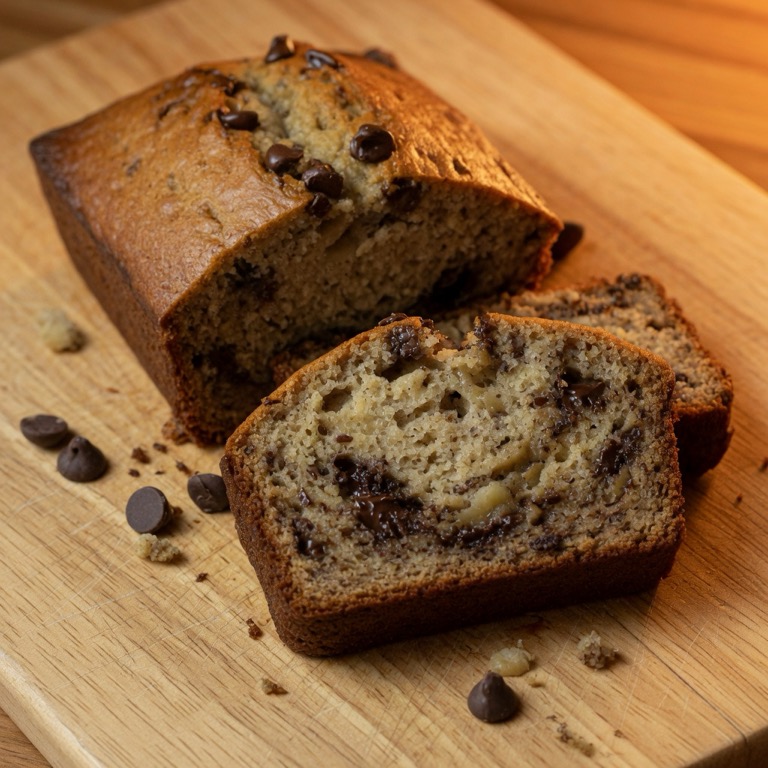
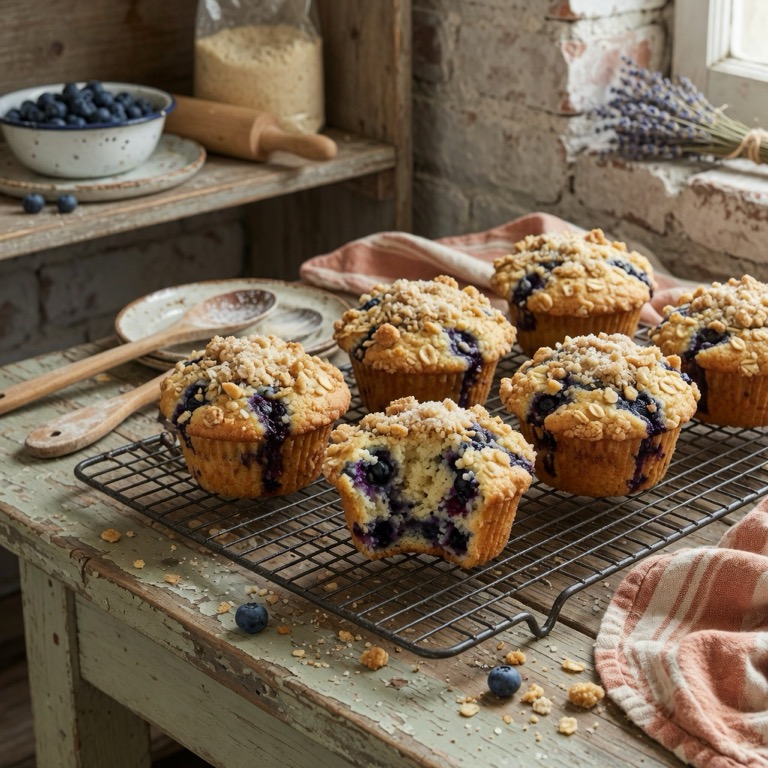
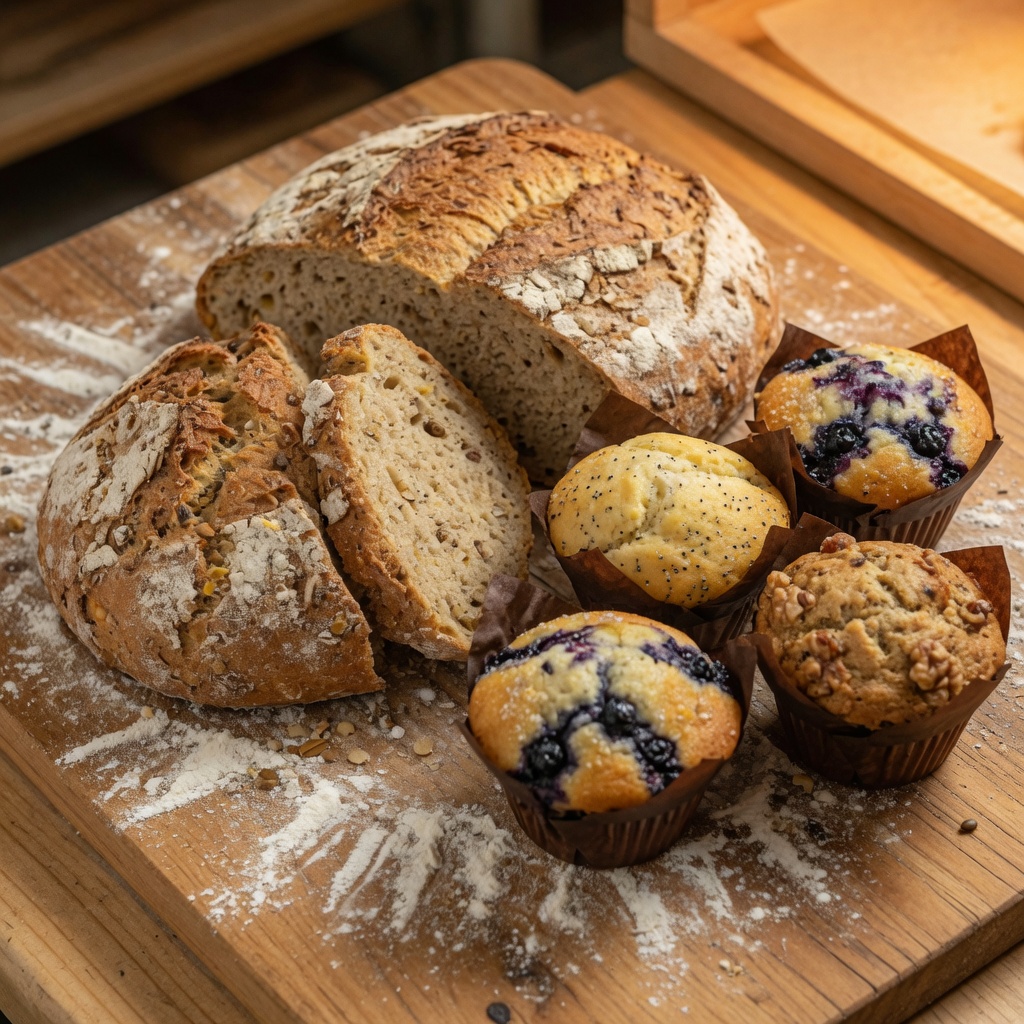
Muffins and Quick Breads: It’s absolutely perfect here. Think apple cinnamon muffins, banana bread, or even savory cheddar oat scones. The oat flour makes them incredibly moist and tender.
-
Cookies: Chewy oat flour chocolate chip cookies? Yes, please! It adds a fantastic texture that’s hard to beat.
-
Pancakes and Waffles: For light, fluffy, and delightfully chewy breakfast staples, oat flour is your secret weapon. You can even make these almost entirely with oat flour.
-
Crumbles and Crisps: It makes a fantastic, naturally chewy topping for fruit crumbles. Just mix it with some certified GF oats, butter, sugar, and cinnamon.
-
Thickening Agent: Use a little oat flour to thicken soups, stews, or gravies. It’s a great alternative to wheat flour or cornstarch.
Remember, gluten-free baking is all about experimenting and finding what works for *you* and your specific kitchen. Don’t be afraid to try new combinations. Maybe try mixing oat flour with some Rice Flour Varieties: Brown, White, and Sweet Rice Flour for GF Baking to see what amazing textures you can create!
Embrace the Oat Flour Magic
There you have it, my friends. Oat flour is not just another gluten-free flour. It’s a workhorse, a flavor enhancer, and a texture magician all rolled into one. It’s a powerful tool in your GF baking arsenal, helping you create dishes that are not only safe but truly delicious and satisfying.
So next time you’re stocking your pantry, grab some certified gluten-free oat flour. Experiment with it. Play with it. Discover the amazing things it can do for your baked goods. You’ll be delighted by the results, I promise. Happy baking, and enjoy every single delicious bite!
Sources: