Reducing Anxiety and Depression: A Gluten-Free Perspective (2026)

Hey there, wonderful GF friends! Let’s get real for a moment, shall we? We often talk about gluten-free living in terms of delicious food, managing symptoms, and feeling physically better. And trust me, those are huge wins! But today, I want to talk about something a little deeper, a topic that touches so many of us in quiet ways: anxiety and depression. It’s a conversation that can feel heavy, but I promise we’ll approach it with hope, understanding, and plenty of practical, empowering insights.
You know we’re big fans of exploring the Health Benefits of a Gluten-Free Diet here, and today we’re diving deeper into how our plate, specifically a gluten-free one, might just be a powerful ally in supporting our mental well-being. This isn’t about promising a magic cure. It’s about opening up a new pathway to feeling better, mind and body, by understanding the incredible connection between what we eat and how we feel. It’s about chipping away at the gloom with every vibrant, gluten-free meal.
The Gut-Brain Superhighway: More Than Just a Hunch
Ever had a “gut feeling” about something? Turns out, that’s not just a cute phrase. Your gut and your brain are constantly chatting, linked by what scientists call the gut-brain axis. Think of it like a super-speedy, two-way highway. Messages, hormones, and even tiny immune cells zoom back and forth, influencing everything from your digestion to your mood. And guess what? This communication network is heavily influenced by the trillions of microbes living in your digestive system, your gut microbiome.
When this gut-brain highway is running smoothly, you feel good. But if there’s a traffic jam, or a few potholes (hello, inflammation!), things can get messy. This connection between your gut and your mood is so powerful, we’ve even talked about it before in our piece on The Gut-Brain Connection: Gluten-Free for Better Mood and Mental Clarity. It’s not just a theory; it’s a fundamental biological reality. A happy gut often means a happier mind.
When Gluten Crashes the Party
So, where does gluten fit into all of this? For many of us, especially those with celiac disease, non-celiac gluten sensitivity (NCGS), or even certain autoimmune conditions, gluten isn’t just a tough guy for the gut. It’s a troublemaker for the brain, too. When gluten enters the system of someone sensitive to it, it can trigger a cascade of issues that directly impact mood and cognitive function.
One major culprit is inflammation. Think of inflammation like a tiny, persistent fire in your body. While necessary for acute injuries, chronic low-grade inflammation, often sparked by dietary triggers like gluten in sensitive individuals, can be truly draining. This systemic inflammation doesn’t just stay in your gut; it travels. It can cross the blood-brain barrier, affecting brain chemistry and contributing to symptoms of anxiety and depression. Imagine trying to feel calm and centered when your body is essentially on high alert.
Another big piece of the puzzle is nutrient absorption. Gluten can damage the lining of the small intestine in sensitive individuals, particularly those with celiac disease. This damage flattens the villi, which are tiny, finger-like projections responsible for soaking up nutrients from your food. If your villi are damaged, you’re not absorbing those vital vitamins, minerals, and amino acids your brain needs to function optimally. We’re talking about things like B vitamins, magnesium, zinc, and iron, which are crucial for neurotransmitter production (the brain’s chemical messengers) and energy. If your brain is starved of these building blocks, it’s like trying to bake a cake without flour or sugar. It just won’t work right. Our article on Enhancing Nutrient Absorption: Why Gluten-Free Can Boost Vitamin Levels dives deep into this very issue.
Plus, there’s the direct impact on neurotransmitters. Some research suggests that gluten can directly influence the production and regulation of serotonin, dopamine, and GABA, all of which play key roles in mood, stress response, and feelings of well-being. A disruption in these delicate chemical balances can easily tip the scales towards feelings of anxiety, irritability, and sadness.
The Research Speaks (Simply)
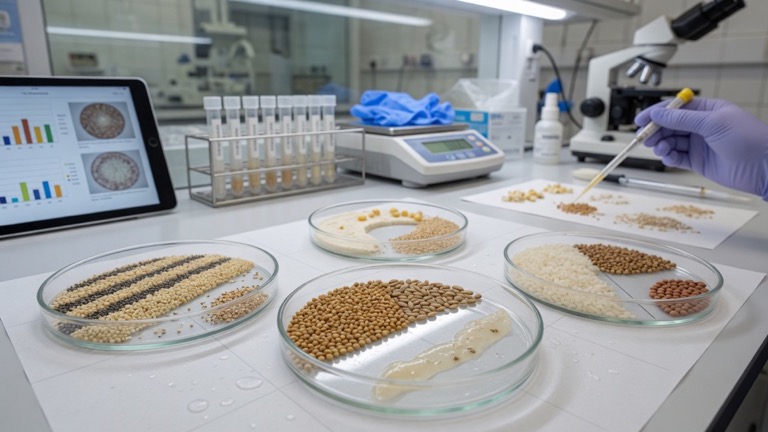
It’s not just anecdotal evidence, though personal stories are incredibly powerful. Scientific studies are increasingly backing up what many of us have experienced firsthand. A 2017 review published in Nutrients, for example, highlighted the potential link between gluten sensitivity and psychiatric symptoms, including depression and anxiety, emphasizing the role of gut inflammation and intestinal permeability (often called “leaky gut”) in this connection. (Source: NIH National Library of Medicine)
Another fascinating area of research explores the concept of “brain fog” often reported by individuals with gluten issues. This isn’t just a feeling of being a bit fuzzy. It’s a genuine cognitive symptom that can contribute to feelings of frustration and low mood. A 2014 study published in the journal Alimentary Pharmacology & Therapeutics found that non-celiac gluten sensitivity could indeed lead to symptoms like “foggy mind” and depression, which improved significantly on a GF diet. (Source: Alimentary Pharmacology & Therapeutics via Wiley Online Library)
These studies, and many others, are painting a clearer picture. Your dietary choices, especially going GF if you’re sensitive, aren’t just about your tummy. They’re about your head and your heart too.
From Anxious to Awesome: Practical Steps
So, if you’re struggling with anxiety or depression, and you suspect gluten might be playing a role, what can you do? Here’s where the empowered, delicious side of GF living really shines!
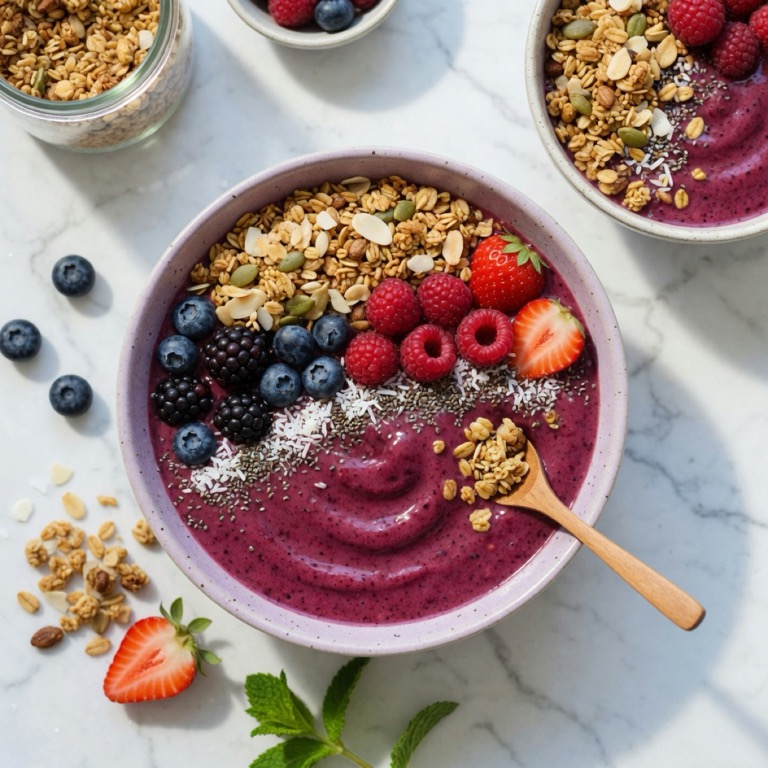
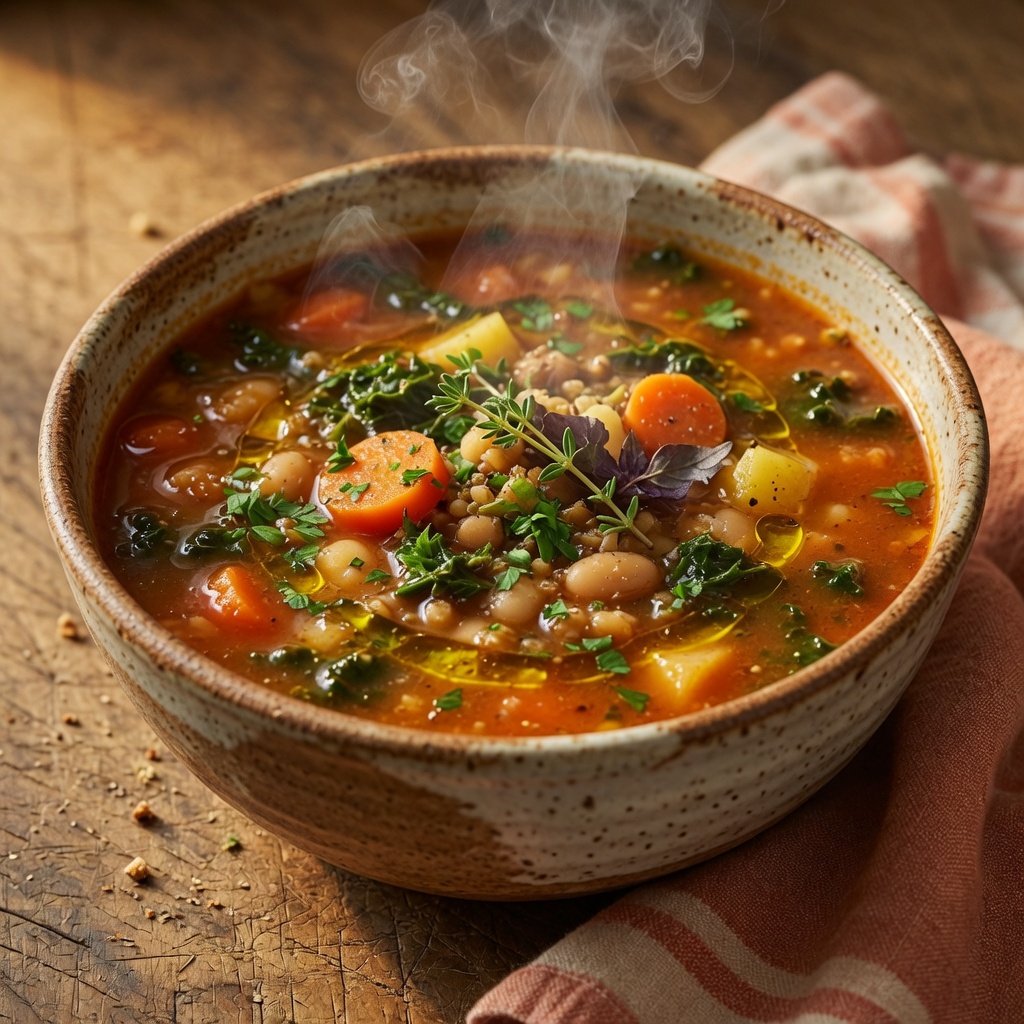
- Embrace Whole, Unprocessed Foods: This is your GF superpower. Focus on nature’s bounty: fresh fruits, vibrant vegetables, lean proteins (chicken, fish, legumes), and naturally gluten-free grains like quinoa, brown rice, and oats (certified GF, of course!). These foods are packed with the nutrients your brain craves.
- Prioritize Gut Health: Remember that gut-brain highway? Keep it smooth! Incorporate fermented foods like sauerkraut, kimchi, and GF yogurt into your diet. These probiotics introduce beneficial bacteria to your gut, supporting a balanced microbiome. Prebiotic foods (garlic, onions, asparagus) also feed those good bugs.
- Hydrate, Hydrate, Hydrate: Seriously, simple water is a miracle worker. Dehydration can exacerbate feelings of fatigue and poor concentration, directly impacting mood. Keep that water bottle handy!
- Mind Your Macros: Don’t fear healthy fats (avocado, nuts, seeds, olive oil). Your brain is mostly fat, and it needs good quality fats to function. Protein is also essential for building those critical neurotransmitters.
- Be Patient and Kind to Yourself: Shifting your diet and waiting for your body and mind to respond takes time. It’s not an overnight fix. Celebrate small victories. If you have a slip-up, don’t beat yourself up. Just get back on track.
Beyond the Plate (But Still GF-Focused)
While food is a massive piece of the puzzle, remember that overall well-being is a beautiful tapestry woven from many threads. A gluten-free diet can lay a fantastic foundation, but also consider these:
- Movement Matters: Even a brisk walk can shift your mood. Exercise releases endorphins, those natural feel-good chemicals. Find something you enjoy and move your body.
- Sleep is Sacred: Your brain uses sleep to clean house and reset. Aim for 7-9 hours of quality sleep. A tired brain is an irritable brain.
- Stress Less: Easier said than done, I know! But finding healthy ways to manage stress (meditation, deep breathing, spending time in nature, hobbies) is crucial. Chronic stress can undo a lot of the good work you’re doing with your diet.
- Seek Support: If you’re struggling significantly with anxiety or depression, please reach out to a healthcare professional. A doctor, therapist, or nutritionist can provide personalized guidance and support. You don’t have to do this alone.
Embrace the GF Goodness
Making the switch to gluten-free, or fine-tuning your current GF journey, is an act of self-love. It’s about giving your body and your brain the best possible environment to thrive. It’s about more than just avoiding gluten; it’s about embracing a whole new world of delicious, nourishing foods that can truly make a difference in how you feel, both physically and mentally.
Imagine waking up with less brain fog, feeling a little lighter, a little calmer, and with more energy to tackle your day. That’s the potential power of a thoughtful, gluten-free lifestyle when it comes to supporting your mental health. It’s a journey, yes, but it’s one filled with incredible flavors, renewed energy, and the quiet joy of feeling more like yourself. So, go ahead, fill your plate with vibrant GF goodness. Your mind will thank you for it!