Future Food Trends: Lab-Grown and Alternative Proteins in Gluten-Free (2026)

Ready for a little peek into the future, my friend? Grab your favorite GF snack, because we’re about to talk about what’s cooking (literally!) in the world of food, and how it’s going to make our gluten-free lives even more delicious, safe, and exciting. This isn’t just about new recipes. Oh no. We’re talking about the very building blocks of our meals. It’s truly part of the wider Research & Innovations in Gluten-Free that are changing our plates for the better.
You know how finding great GF options can feel like a treasure hunt sometimes? Well, imagine a world where incredible protein sources are not only abundant but also specifically designed with safety and sustainability in mind. That’s not some far-off dream. It’s happening right now, in labs and innovative kitchens across the globe.
Alternative Proteins: More Than Just a Trendy Buzzword
First, let’s clear up “alternative proteins.” It sounds a bit like something from a sci-fi movie, right? But really, it’s just a fancy way of saying proteins that aren’t your traditional beef, chicken, or fish. Think about it: nuts, beans, and lentils are alternative proteins. We’ve been eating them for ages! But now, the field has exploded. Scientists and food innovators are exploring new sources and new ways to produce protein.
Why does this matter for us, the gluten-free community? So many reasons!
- Allergy Safety: Novel proteins often avoid common allergens. Less worry about cross-contamination. Big win.
- Nutritional Boost: These new sources can offer incredible nutritional profiles, sometimes even better than traditional meats.
- Sustainability: Eating for the planet is a huge bonus. Many alternative proteins use fewer resources.
- Flavor & Texture: They open up a whole new universe of culinary possibilities. More options mean more delicious GF meals.
Welcome to the Lab: Cultivated Meat is Here
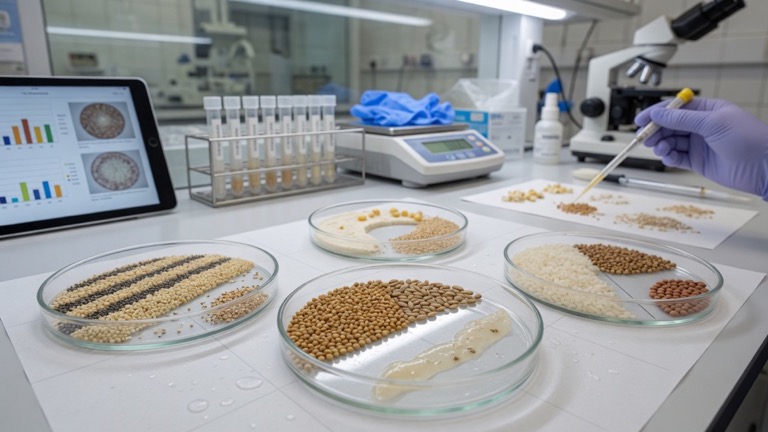
Alright, let’s dive into the one that truly sounds futuristic: lab-grown meat. Or, as the scientists prefer to call it, cultivated meat. Yes, we’re talking about real animal meat, grown directly from animal cells, without the animal. No slaughter involved. It sounds wild, but it’s a reality in 2026.
Here’s the simple version: Scientists take a tiny, harmless sample of cells from an animal. They then feed these cells nutrients, essentially tricking them into growing into muscle tissue, just like they would inside the animal. Think of it like growing a perfect little steak in a carefully controlled greenhouse, instead of on a farm. This happens in big bioreactors, which look a bit like massive beer fermenters.
Why is this a big deal for GF folks?
The magic here is the controlled environment. In a traditional processing plant, there’s always a risk of gluten sneaking in. Not with cultivated meat. These labs are sterile. They’re precise. The potential for a truly gluten-free meat product, from start to finish, is incredibly high. We’re talking about a meat that can be guaranteed free from gluten, right down to its cellular level. That’s peace of mind on a plate.
You might be wondering about availability. The US Food and Drug Administration (FDA) and the USDA have already given the green light to cultivated chicken from some companies, and it’s slowly making its way into select restaurants and specialty markets. It’s still a bit pricy, sure, but prices are dropping fast as technology improves. It’s not in every grocery store yet, but it’s coming. Imagine a GF burger that’s truly “guaranteed GF” from cell to patty!
Beyond the Barn: The Power of Plants, Fungi, and Microbes
Of course, lab-grown isn’t the only exciting new kid on the block. The plant-based protein world has exploded far beyond just soy and pea. These days, we’re seeing incredible advancements in proteins derived from fungi, algae, and even air (yes, air!).
Mycoprotein: The Fungus Among Us (In a Good Way!)
Ever heard of Quorn? It’s probably the most well-known example of mycoprotein. Basically, it’s a protein-rich food source made from a type of fungus. Fermentation is the key process here. They grow a specific microbe (Fusarium venenatum) in a nutrient-rich liquid, then harvest and process it into a meat-like texture. It’s naturally GF and has a fantastic, satisfying chew. It’s low in saturated fat, high in fiber, and packed with protein. This isn’t a new idea, but the range of products using mycoprotein is expanding rapidly. You’ll find it in everything from GF nuggets to ground “meat” alternatives.
Algae: The Green Superstars
You know spirulina and chlorella? Those vibrant green powders often found in smoothies? They’re types of algae, and they’re absolute nutritional powerhouses. Algae are incredibly efficient at turning sunlight into protein, vitamins, and minerals.
As food scientists figure out how to make algae more palatable and functional, we’ll see more algae-derived proteins showing up in everything from GF pasta to protein bars. Imagine a protein powder that’s not only clean and sustainable but also a complete protein source, full of good stuff, and naturally gluten-free. It’s already happening, with companies developing ways to extract neutral-tasting proteins. This means less “green” flavor and more versatility for our favorite GF snacks.
Precision Fermentation: Brewing Up Proteins
This is where things get truly exciting. Think of precision fermentation like brewing beer, but instead of alcohol, you’re brewing specific proteins. Scientists can program microorganisms (like yeast) to produce specific proteins – even things like dairy proteins (casein and whey) or egg proteins (ovalbumin) – without needing a cow or a chicken! This means we could get truly animal-identical dairy or egg proteins that are lactose-free, cholesterol-free, and most importantly for us, can be certified free from gluten contamination risks that sometimes plague conventional dairy or egg processing. We’re talking about milk, cheese, and eggs that are identical on a molecular level to their animal counterparts but made in a bioreactor. The advancements in this area are truly mind-boggling, promising animal-free dairy and egg products with the same functionality.
Insect Proteins: A Buzz-Worthy Option?
Now, before you wrinkle your nose, let’s talk about insect proteins. Yes, insects. Crickets, mealworms, grasshoppers – they’re incredibly protein-dense, environmentally friendly, and already a staple food source for billions of people worldwide. While they might not be making it onto Western dinner plates in whole form quite yet, insect-derived flours and protein powders are gaining traction. These are often naturally GF and pack a serious protein punch. They’re also less likely to be contaminated with common allergens. Don’t worry, you probably won’t be crunching on a cricket any time soon unless you seek it out, but these proteins could sneak into things like GF protein bars or snacks to boost their nutritional value. It’s a fascinating area of research, and the protein content is astounding. Many cultures have long embraced edible insects as a sustainable protein source.
What Does This Mean for *Your* GF Plate?
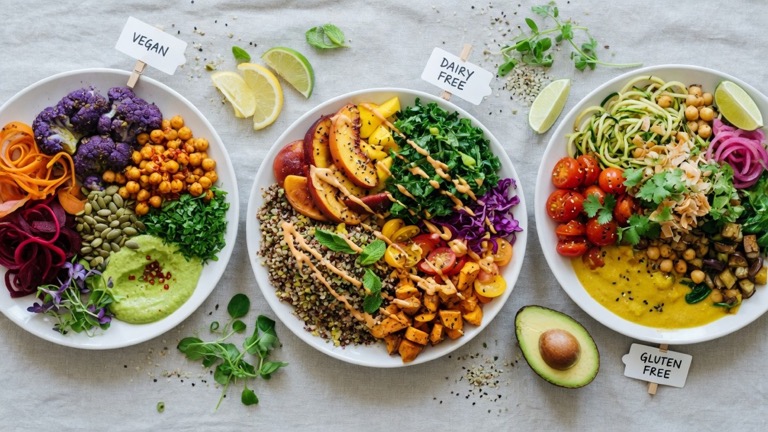
This isn’t just about cool science; it’s about real food. It means more choices for you, the gluten-free eater.
- More Diverse & Delicious Foods: Imagine GF bread that gets its perfect structure not just from ancient grains, but from novel plant proteins that mimic gluten’s magic. Or a GF burger that’s nutritionally superior and incredibly juicy. This adds layers of creativity to GF cooking.
- Enhanced Nutritional Profiles: Many of these alternative proteins are complete proteins, meaning they contain all nine essential amino acids our bodies can’t make. Plus, they often come with extra fiber, vitamins, and minerals.
- Unmatched Safety: With cultivated meats and precision-fermented proteins, the controlled environments mean we can expect unprecedented levels of gluten-free assurance. That’s a game-changer for anyone with Celiac disease or severe gluten sensitivity.
- A Kinder, Greener Plate: Eating these foods helps reduce our environmental footprint. Less land, less water, fewer emissions. It’s a win-win for our bodies and the planet.
We’re already seeing these innovations trickle into our kitchens. Think about how far GF bread has come. These new proteins will only push that further, making our breads even better. Remember how we used to dream of truly good GF bread? Well, the ongoing Innovations in Gluten-Free Bread Texture: A Scientific Review shows just how far we’ve come, and these new proteins are poised to take it to the next level. We might even find ourselves comparing the protein profiles of these new ingredients to the exciting qualities of The Rise of Ancient Grains in Gluten-Free Baking.
Embracing the Future, One Delicious Bite at a Time
I know. New things can feel a little weird at first. Lab-grown meat? Fungus protein? It takes a bit of adjusting. But remember how we embraced gluten-free flours that seemed unusual years ago? How we learned to love quinoa and sorghum? This is no different.
My advice? Stay curious. Be open-minded. When you see new products featuring these alternative proteins, read the labels, check their GF certification, and give them a try. You might just discover your next favorite food.
The future of food, especially for us in the gluten-free community, looks incredibly bright. It’s a future filled with more choices, safer options, and unbelievably delicious possibilities. So, let’s get ready to feast! The table is getting bigger, and there’s more than enough for everyone.