Using Aquafaba in Gluten-Free and Vegan Baking: An Egg White Alternative (2026)

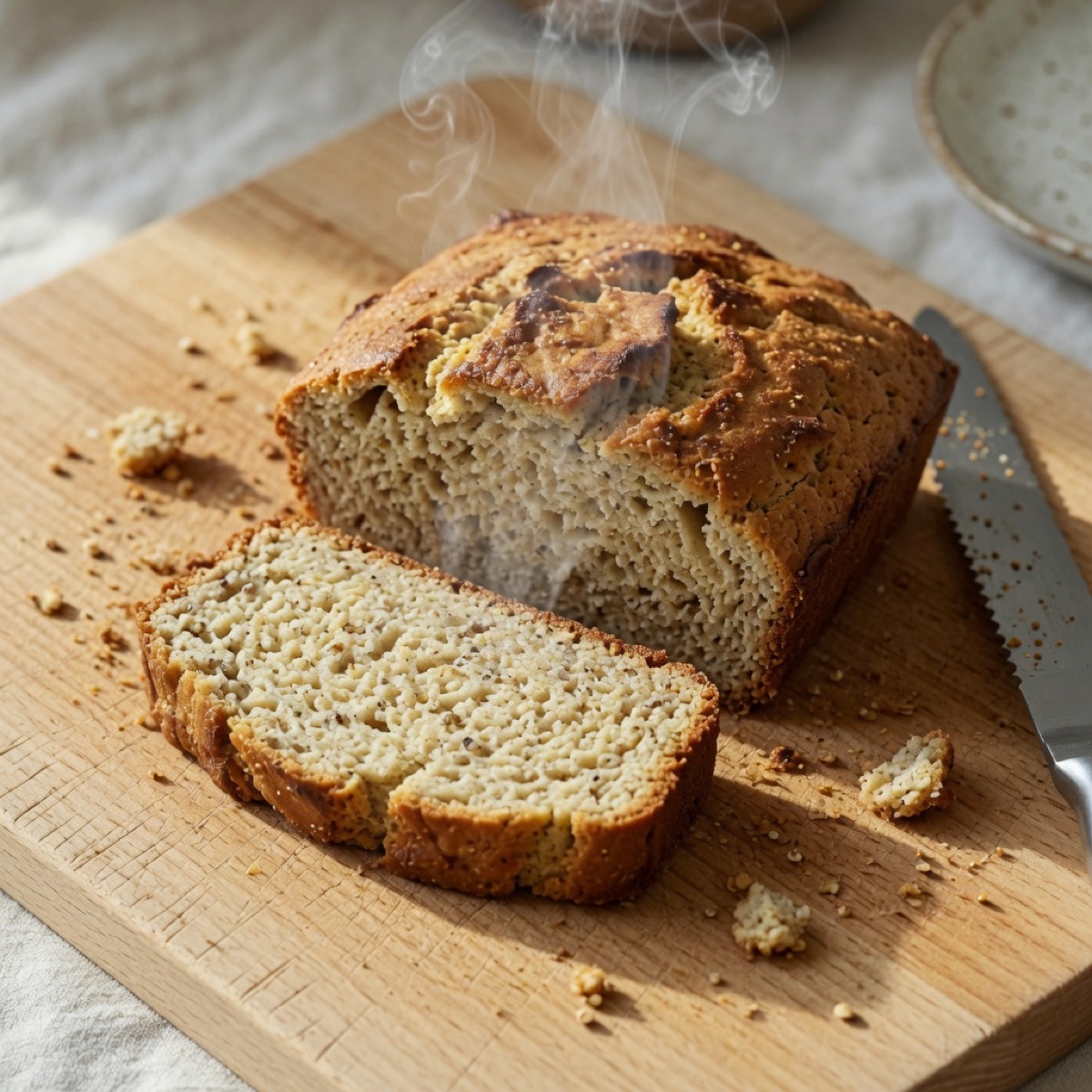
Ever found yourself staring down a recipe, longing for that light, airy texture of a classic meringue or the fluffy lift in a cake, but you’re working with gluten-free and vegan ingredients? It’s a common moment for many of us. Baking can feel like a delicate dance, especially when you take eggs out of the equation. Those humble little powerhouses do so much: binding, leavening, emulsifying. For years, finding a truly stellar egg white alternative was the holy grail for GF and vegan bakers.
Good news, my friend. The search is over. A true baking hero has emerged from the most unexpected place: a can of chickpeas! Yes, I’m talking about aquafaba, and it’s about to change your baking world. If you’re serious about mastering your GF creations, understanding staples like this is as fundamental as knowing your flours, which we talk all about in our Gluten-Free Baking Essentials guide.
What Even IS Aquafaba, Anyway?
Simply put, aquafaba is the liquid you usually drain from a can of chickpeas (or other legumes like cannellini beans, but chickpeas are the go-to). Sounds wild, right? It’s essentially chickpea brine. For ages, we just tossed it, oblivious to the culinary magic it held. But then, smart cookies (pun intended!) discovered its incredible properties. It’s a game-changer. Pure genius, really.
Think of it like this: when chickpeas cook in water, they release starches and proteins. These compounds dissolve into the cooking liquid. This liquid then takes on a remarkable ability to mimic egg whites. It foams, emulsifies, and binds beautifully. This makes it perfect for so many vegan applications. Plus, it’s naturally gluten-free. That’s a double win for our community!
The Science (Made Simple, Promise!) Behind the Magic
Okay, let’s get a tiny bit science-y, but only because it’s fascinating and helps you understand *why* aquafaba works so well. Don’t worry, no lab coats required. The secret lies in those dissolved starches and proteins. These aren’t just floating around randomly. They act as natural emulsifiers. Emulsifiers help ingredients that don’t usually mix (like oil and water) come together in a stable way. Think mayonnaise – that’s an emulsion!
When you whip aquafaba, these proteins denature, meaning they unfold and create a stable network. This network traps air, forming those glorious, stiff peaks we adore in meringues. It’s very similar to how egg albumin (the protein in egg whites) behaves. This structural integrity is what gives your baked goods lift and stability. It’s not just a binder; it’s a texture architect.
Why Aquafaba is Your GF & Vegan Baking Bestie
For those of us navigating the delicious world of GF and vegan baking, aquafaba is a lifesaver. Here’s why it deserves a permanent spot in your pantry (or rather, its liquid form does):
- Egg White Substitute: It perfectly replaces egg whites in recipes where their foaming, binding, or emulsifying properties are key.
- Neutral Flavor: Most importantly, it tastes like… well, nothing much! Once whipped and incorporated into a recipe, any subtle chickpea flavor disappears. Your lemon meringue pie will taste like lemon, not legumes.
- Accessibility: Canned chickpeas are cheap and found everywhere. No fancy ingredients needed here.
- Versatility: From delicate meringues to hearty loaves of buckwheat bread, its uses are broad.
- Allergen-Friendly: Naturally free from gluten, dairy, soy, and nuts, making it a safe choice for many dietary restrictions.
Getting Started: Sourcing Your Aquafaba
This is the easiest part. Go to your local grocery store. Find the canned chickpea aisle. Buy a can of unsalted or low-sodium chickpeas. That’s it! Seriously. Drain the can, collect the liquid, and congratulations, you’ve got aquafaba. Using unsalted or low-sodium varieties is important, as too much salt can interfere with whipping and flavor.
A quick tip: If you’re cooking chickpeas from scratch, you can use that cooking liquid too! Just make sure it’s reduced enough to have a similar consistency to canned aquafaba. It should be slightly viscous, like thin syrup, not watery.
Whipping Up Wonderful Things: Basic Aquafaba Techniques
Using aquafaba is simple, but a few pointers will ensure success. Think of it like learning to work with different gluten-free flours; each has its quirks, but once you know them, you’re golden.
1. The Right Consistency
- From the Can: For most recipes, you can use the liquid straight from the can.
- Reducing (Optional but Recommended): For super stable meringues or macarons, reducing your aquafaba can help. Pour it into a small saucepan and simmer gently until it reduces by about 25-30%. This concentrates the proteins. Let it cool completely before using.
2. Whipping It Good
You’ll need an electric mixer (handheld or stand mixer) for this. A whisk will work your arm muscles into oblivion before you get proper peaks.
- Cleanliness is Key: Ensure your mixing bowl and beaters are absolutely spotless and grease-free. Even a tiny bit of oil can prevent aquafaba from whipping properly. Wash them with soap and water, then wipe with a little lemon juice or vinegar for extra assurance.
- Whip, Whip, Hooray: Pour your aquafaba into the clean bowl. Start whipping on medium speed. You’ll see it get foamy.
- Increase Speed: After a couple of minutes, crank up the speed to high.
- Add Stabilizers (Optional, but Often Recommended): For firmer, more stable peaks, add about 1/4 teaspoon of cream of tartar or a teaspoon of lemon juice or apple cider vinegar per 1/2 cup of aquafaba once it starts to get foamy. This acid helps the proteins create a stronger structure.
- Sweeten (If Making Meringues): If you’re making meringues, gradually add granulated sugar a tablespoon at a time once soft peaks form. Keep whipping until the mixture is glossy and holds stiff peaks. You should be able to turn the bowl upside down without it falling out (careful on your first try!).
Aquafaba vs. Egg Whites: The Ratio
Generally, 3 tablespoons of aquafaba equals one whole egg, and 2 tablespoons equals one egg white. This is a good starting point. Sometimes you might need to adjust slightly based on the specific recipe or the consistency of your aquafaba.
Delicious Destinations for Aquafaba
Now for the fun part: what can you make? The possibilities are truly delicious.
- Meringues: This is the showstopper. Light, crispy, melt-in-your-mouth vegan meringues are totally possible. Add some vanilla extract, a pinch of salt, and you’re in business.
- Macarons: Yes, even those notoriously finicky French cookies can be made vegan with aquafaba! They require precision, but the results are stunning.
- Mousses: Chocolate mousse, fruit mousses – aquafaba gives them that airy, decadent texture without any dairy or eggs.
- Waffles and Pancakes: Whip it lightly and fold it into your batter for extra fluffiness.
- Mayonnaise: This is a classic savory use. Emulsify aquafaba with oil, vinegar, and seasonings for a creamy, homemade vegan mayo.
- Fudgy Brownies and Cakes: It adds moisture and binds ingredients, ensuring your GF baked goods don’t crumble. Consider it alongside your chosen binder, like xanthan gum or guar gum, for the perfect structure.
- Whipped Topping: Add some powdered sugar and vanilla to stiffly whipped aquafaba for a light, fluffy dessert topping.
Troubleshooting Common Aquafaba Hurdles
Baking can be finicky. Don’t get discouraged if your first attempt isn’t perfect. Here are a few common issues and how to fix them:
- It’s not whipping! This is usually due to grease. Start over with impeccably clean equipment. Ensure your aquafaba isn’t too cold (room temp is often best, but some find cold works too, experiment!). A pinch of cream of tartar helps immensely.
- It’s too watery. Your aquafaba might be too thin. Try reducing it by simmering gently on the stove. Let it cool completely before whipping.
- It smells like chickpeas. This is rare once whipped, but if you notice it, try a brand with lower sodium content. Adding a tiny bit of vanilla extract or lemon zest to your recipe can also mask any faint odor.
- My meringue deflated. Over-whipping can sometimes cause instability. Also, ensure your oven temperature is consistent, as sudden changes can cause collapse. Slowly cooling meringues in the oven after baking helps prevent this.
Embrace the Aquafaba Adventure!
Aquafaba is truly one of those ingredients that feels like a secret weapon in your gluten-free and vegan baking arsenal. It frees us from the limitations of traditional egg whites, opening up a whole world of light, airy, and utterly delicious treats. From delicate macarons to fluffy pancakes, the possibilities are endless.
So, next time you open a can of chickpeas, don’t just dump that liquid down the drain. Save it. Experiment with it. Whip it up! You’ll be amazed at the deliciousness you can create. Happy baking, my confident, joyful GF friend. Keep exploring those incredible ingredients that make gluten-free living so abundant and wonderful. And remember, for even more insights into transforming your kitchen, dive into our main guide on Gluten-Free Baking Essentials.
Sources: