Coconut Flour Demystified: The High-Fiber Gluten-Free Staple (2026)

Okay, GF friends, let’s talk about something truly special in our baking arsenal: coconut flour. For years, it felt like this ingredient was shrouded in a bit of mystery, maybe even a little fear. People would whisper about its incredible absorption, its unique texture, and how it could either make or break a recipe. Well, consider me your friendly neighborhood gluten-free guru, ready to pull back the curtain and demystify this high-fiber staple once and for all. Because, let’s be honest, navigating the world of gluten-free baking flours can feel like trying to assemble IKEA furniture without the instructions. But with coconut flour, once you know its secrets, it’s a game-changer. It really is. In fact, understanding how it works is a huge piece of the puzzle when you’re mastering your Gluten-Free Baking Essentials.
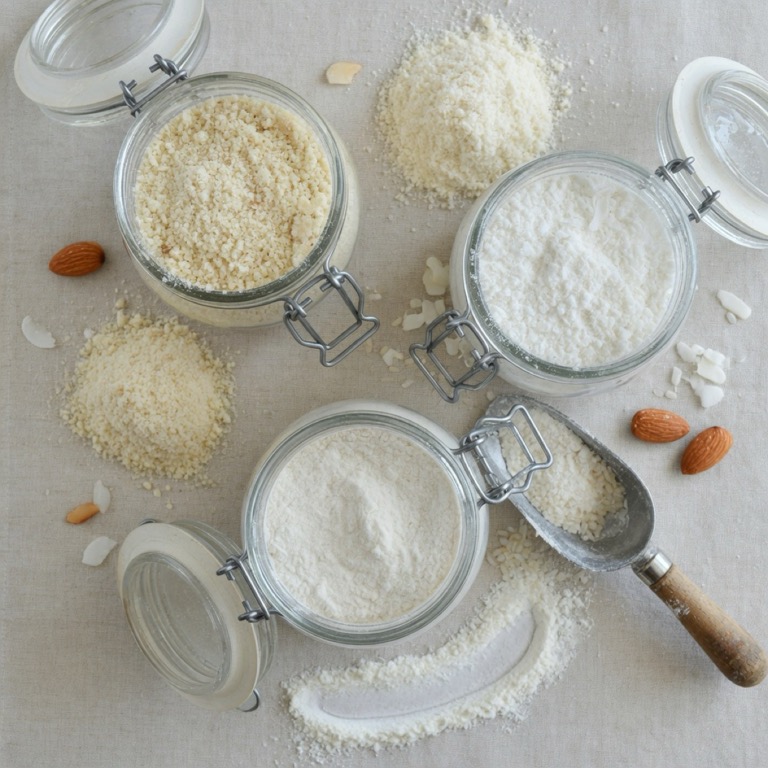
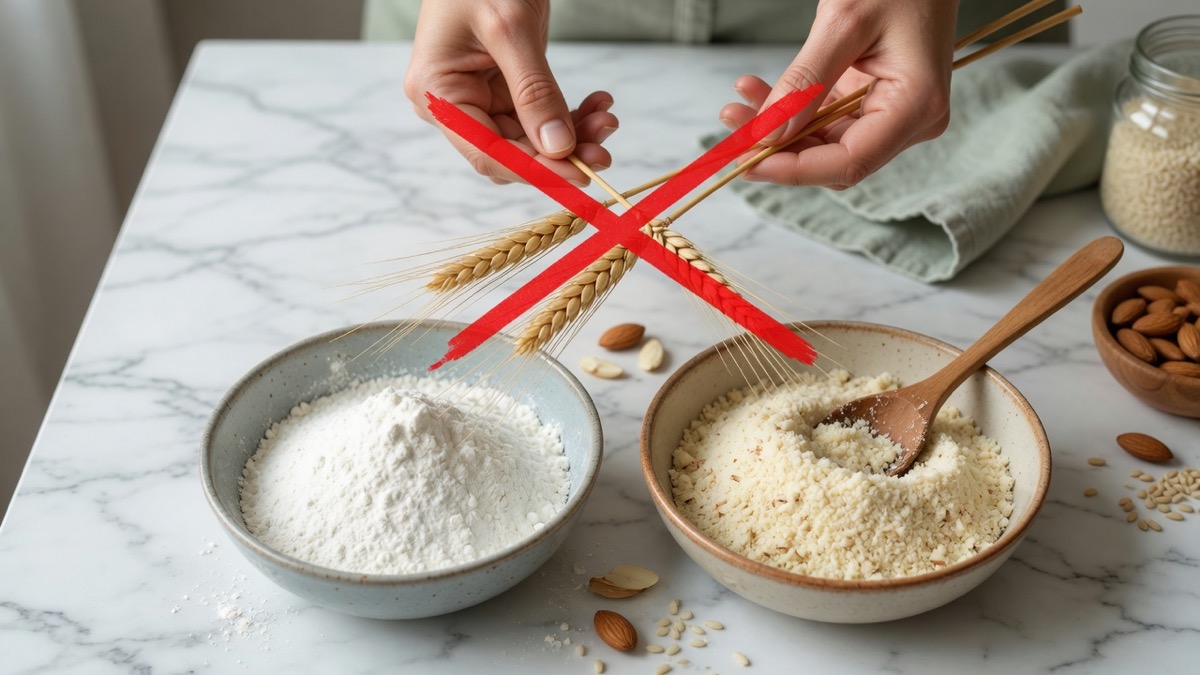
You’ve probably seen it in the health food aisle, maybe even bought a bag on a whim. That fine, powdery stuff that smells subtly tropical. But what is it, exactly? Unlike many other GF flours that come from grains or nuts, coconut flour is born from the humble coconut. Not the water, not the milk, but the solid white meat inside. After that meat is pressed for its glorious coconut milk, the leftover pulp is dried and then ground into this soft, fluffy flour. Simple, right? But oh, so powerful. This process means it’s naturally grain-free, too, which is a bonus for many.
The Fiber Powerhouse: Why Coconut Flour is a GF Superstar
Here’s the big secret, the real reason coconut flour behaves differently from almost every other flour out there: fiber. Lots and lots of it. We’re talking serious fiber content. When you look at its nutritional profile, it often boasts more fiber per serving than many whole grains. This isn’t just a nice-to-have; it’s what makes coconut flour so unique and so beneficial for us. Fiber is basically the backbone of this flour, acting like tiny, invisible sponges.
Think of it this way: if regular wheat flour is like a comfy, worn-out t-shirt, happily soaking up a little spill, coconut flour is like a brand-new, super-absorbent kitchen towel. It drinks up liquid like nobody’s business. This incredible absorbency is a double-edged sword, though. It’s fantastic for adding bulk and satiety to your baked goods. Plus, it’s a friend to your digestive system. That high fiber content can help keep things moving smoothly, contributing to better gut health and keeping you feeling full longer. No more “I just ate but I’m hungry again” syndrome.
This fibrous nature also means coconut flour can help regulate blood sugar spikes. Because fiber slows down digestion, the sugars in your food get released into your bloodstream more gradually. That’s a win for sustained energy and avoiding that dreaded sugar crash. You see, it’s not just a flour; it’s a nutritional powerhouse in disguise.
Baking with Coconut Flour: Your Expert Guide
Now, let’s get down to the baking mechanics. Because of that super-sponge quality, you absolutely cannot substitute coconut flour for wheat flour (or most other GF flours) cup for cup. That’s a recipe for a dry, crumbly disaster that no one wants to eat. Imagine trying to bake a cake with only sand. Not good. So, let’s talk ratios.
The Golden Rule: More Liquid, Fewer Eggs
- Liquid, Liquid, Liquid: For every 1/4 to 1/3 cup of coconut flour you use, you’ll generally need about one cup of liquid. Yes, you read that right. A full cup! This could be water, milk (dairy or non-dairy), even puréed fruit or vegetables. Don’t be shy.
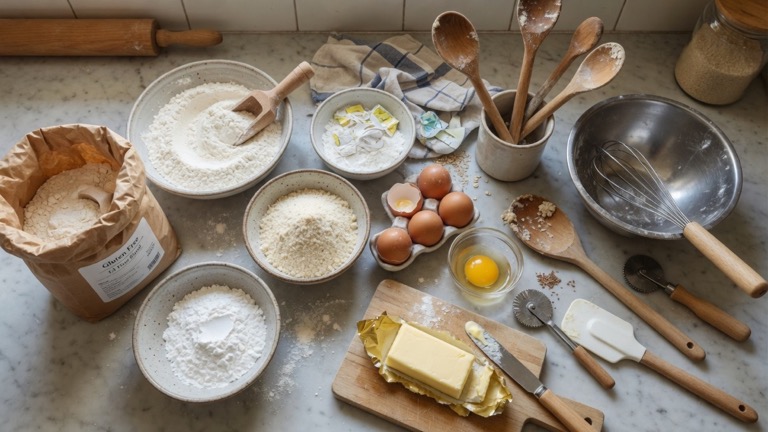
- Eggs Are Your Best Friends: Since coconut flour doesn’t have gluten (which provides elasticity and structure), you need something else to hold your baked goods together. Eggs are your heroes here. They add structure, moisture, and help bind everything. As a general rule, for every 1/4 cup of coconut flour, plan on using one egg.
- Patience, Young Grasshopper: Give your batter time. Coconut flour needs a few minutes (5-10 usually does the trick) to fully absorb the liquid and eggs. It will thicken up noticeably. Don’t add more flour too quickly, or you’ll end up with a brick.
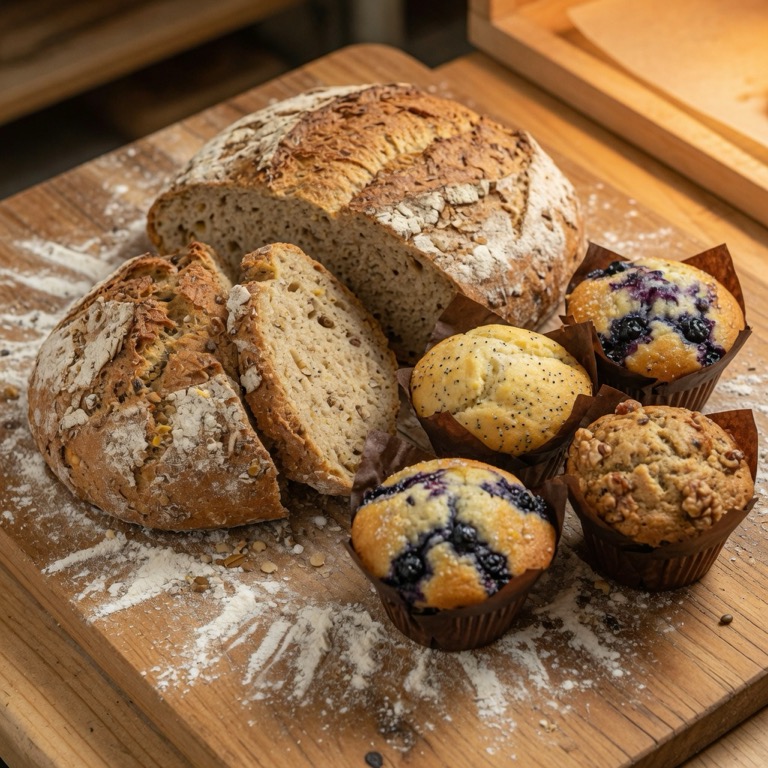
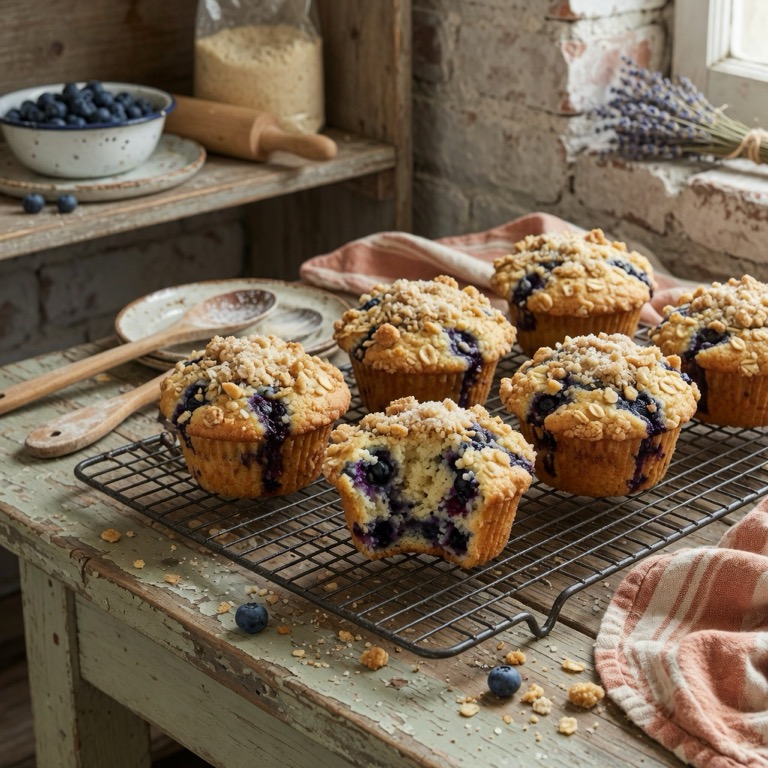
This flour plays very well with others. Combining it with other gluten-free flours like almond flour or tapioca starch can give you a more balanced texture. For instance, if you’re making a batch of muffins, a mix of coconut flour for fiber and structure, plus a bit of a lighter flour like tapioca for chew, can work wonders. This is also where you might consider adding a little Xanthan Gum vs. Guar Gum: Choosing the Right Binder for GF Baking to provide that extra structural integrity and prevent crumbling, especially in more delicate bakes.
The flavor of coconut flour is subtly sweet and, well, coconut-y. But not overwhelmingly so. It adds a lovely, slightly tropical note that enhances many recipes, especially those with chocolate, vanilla, or other fruit flavors. It’s not like baking with shredded coconut, which is much more intense. It’s more of a gentle whisper.
Practical Tips for Coconut Flour Success
Ready to jump in? Here are some insider tips to make sure your coconut flour endeavors are nothing short of delicious:
- Start Small: If you’re new to coconut flour, try recipes specifically developed for it. Don’t just wing it by swapping it into a traditional recipe. That’s like trying to teach a fish to ride a bicycle. It won’t go well.
- Measure Accurately: This is crucial. Because it’s so absorbent, even a tablespoon too much can throw off your recipe. Using a kitchen scale for precise measurements (grams are great!) is highly recommended. If you’re using cups, spoon the flour into the measuring cup and level it off; don’t pack it down.
- Think Beyond Baked Goods: Coconut flour isn’t just for cakes and cookies. It makes a fantastic thickener for gravies, sauces, or even smoothies. A tablespoon or two can add body and fiber without a lot of extra carbs. You can also use it as a light breading for chicken or fish, giving it a delicate, crispy coating.
- Don’t Be Afraid of Fat: Coconut flour can absorb a lot of moisture, but also fat. Adding a healthy fat like coconut oil, butter, or even a little extra egg yolk can result in a more tender, less dry crumb.
- Combine for the Win: For the best texture in many recipes, particularly breads and cakes, blend coconut flour with other GF flours. This creates a more balanced flour blend that mimics the qualities of wheat flour better.
Remember, the goal here is to create delicious, satisfying gluten-free treats, not to feel like you’re performing mad science. It’s all about understanding the ingredients. Just like you might add Benefits of Chia Seeds and Flax Seeds in Gluten-Free Baking for extra binding and nutrition, coconut flour adds its own unique magic.
The Nutritional Scoop (Simplified)
Beyond its baking prowess, coconut flour brings a lot to the table nutritionally:
- High in Dietary Fiber: As we discussed, this is its superpower. It keeps you full and happy.
- Good Source of Protein: It actually has a decent amount of protein compared to many other flours, which is fantastic for satiety and muscle health.
- Lower in Digestible Carbs: Thanks to all that fiber, the net carb count is lower, making it a popular choice for those watching their carb intake.
- Contains Healthy Fats: Coconut products are known for their Medium Chain Triglycerides (MCTs). These are a type of saturated fat that our bodies metabolize differently, potentially providing a quick energy source and having other health benefits. Don’t fear the healthy fats! (Source: Wikipedia)
- Hypoallergenic: It’s naturally free from common allergens like gluten, dairy, nuts (though coconut is botanically a fruit, some people with nut allergies react to it, so always check with your doctor if you have severe allergies), and soy.
So, you’re not just baking with a flour; you’re baking with a nutrient-dense ingredient that genuinely supports your overall health. That’s something to feel good about every time you pull a warm, delicious treat from the oven.
Dispelling the Myths
Let’s bust a couple of common misconceptions about coconut flour:
- “It makes everything taste like coconut.” Not true! While it has a mild coconut aroma, it’s not overpowering. In savory dishes, it often disappears. In sweet dishes, it simply adds a lovely background note. Think subtle, not in-your-face.
- “It’s too difficult to bake with.” It’s different, yes, but not difficult once you understand its unique properties. It just requires a slight adjustment in your mindset and recipe. It’s like learning to drive a new car; it’s just a different set of controls.
- “It makes baked goods dry and crumbly.” Only if you don’t add enough liquid and eggs! Properly used, coconut flour can yield surprisingly moist and tender results. The key is hydration. Trust the process and that extra splash of liquid.
Understanding these points really helps unlock its potential. For a deeper dive into how fiber impacts your diet, check out resources like the Harvard T.H. Chan School of Public Health on the importance of fiber. (Source: Harvard T.H. Chan School of Public Health)
Embrace the Coconut Flour Revolution!
Seriously, coconut flour is a fantastic addition to any gluten-free kitchen. It brings unique nutritional benefits, a delightful texture when used correctly, and a subtle flavor that complements so many dishes. It’s not about limitation; it’s about expansion, about discovering new ways to create incredibly delicious and healthy food. Don’t let its quirks deter you. Embrace the learning curve, experiment with confidence, and get ready to enjoy some truly amazing gluten-free creations.
Your journey to joyful, confident gluten-free eating just got a whole lot more exciting with this fibrous friend. So grab that bag of coconut flour and let’s get baking! You’ve got this.