Enhancing Shelf Life of Gluten-Free Products: Recent Breakthroughs (2026)

Oh, my gluten-free friends! Let’s chat about something truly delicious and, let’s be honest, sometimes a little frustrating: the shelf life of our favorite GF goodies. Remember those days? You’d buy a beautiful loaf of gluten-free bread, bring it home, and by the next morning, it had transformed into something resembling a medieval weapon? Hard, crumbly, practically a petrified artifact. Those days, my friends, are mostly behind us.
Here in 2026, we’re living through a truly exciting time. Science has been busy, like a bustling bakery working overtime, to make our GF lives not just tolerable, but absolutely delightful. We’re talking about real breakthroughs in keeping our food fresher, longer, and tasting fantastic. It’s all part of the incredible Research & Innovations in Gluten-Free that are changing the game. Think of it as a culinary glow-up for every GF item in your pantry.
So, what exactly has changed? Why can we now enjoy that GF muffin for more than an hour, or have bread that doesn’t demand immediate consumption or freezing? Let’s pull back the curtain on some of these awesome advancements.
The Quest for Lasting Freshness: Why GF Was Tricky
First, a quick refresher. Why did gluten-free products struggle with shelf life in the first place? Well, gluten, that tricky protein, does a lot of heavy lifting in traditional baking. It’s like the internal scaffolding of your bread, giving it structure, elasticity, and helping it hold onto moisture. Without it, GF flours (which, by the way, are getting super sophisticated thanks to The Science of Gluten-Free Flours: Blending for Optimal Results) often resulted in products that:
- Staled much faster (lost moisture and became hard).
- Were more prone to microbial spoilage (mold loves moisture!).
- Lacked the structural integrity to withstand storage without crumbling.
But fear not! Scientists and food innovators, bless their cotton socks, have been cracking this code. They’re finding ingenious ways to tackle these issues head-on, giving us the wonderful GF world we enjoy today.
Breakthroughs in Ingredients: The Secret Sauce of Stability
The magic often starts with what goes *into* our food. We’ve seen a revolution in ingredient science, turning what used to be a challenge into an opportunity for creativity.
Hydrocolloids and Gums: Tiny Water Magnets
You might see ingredients like xanthan gum, guar gum, or psyllium husk on your GF labels. These aren’t just for texture; they’re like tiny, powerful sponges, excellent at attracting and holding onto water. In gluten-free baking, they mimic some of gluten’s water-retention properties. This means your bread stays soft, your cakes stay moist, and they don’t dry out into a crumbly mess quite so quickly. Basically, they’re the hydration heroes of the GF world.
Resistant Starches: The Slow-Release Superstars
Certain starches, like high-amylose corn starch or specific tapioca starches, are “resistant” to digestion in the small intestine. What does this have to do with shelf life? When incorporated into GF products, these starches can influence the retrogradation process (the scientific term for staling, where starches reorganize and kick out water). By slowing down this process, they keep things feeling fresh for much longer. Plus, they can add a nice fiber boost. Two birds, one delicious stone!
Specialized Proteins: Mimicking Gluten’s Muscle
Researchers are getting incredibly smart with plant-based proteins. Think potato protein, fava bean protein, or specialized rice proteins. These aren’t just for boosting protein content; they’re being engineered and selected for their ability to form structures that closely resemble gluten’s network. This improves elasticity, crumb structure, and helps prevent that rapid hardening. It’s like giving our GF dough its own mini-muscles, built from nature!
Advanced Processing Techniques: The Kitchen Magic, Scaled Up
Beyond the ingredients, how our food is made and packaged plays an enormous role. Modern technology is giving GF products a serious advantage.
High-Pressure Processing (HPP): The Gentle Giant
Imagine sterilizing food without using heat! That’s HPP. Products (think GF deli meats, some dips, or even certain baked goods) are submerged in water and subjected to extremely high pressure. This pressure inactivates spoilage microorganisms and pathogens without significantly altering taste, texture, or nutritional value. It’s like giving your food a deep-tissue massage that also kills all the bad guys, extending shelf life beautifully without relying on harsh preservatives. It’s a clean, green way to keep food safe and fresh.
Modified Atmosphere Packaging (MAP): The Custom Climate Control
Have you ever noticed some GF products, like pasta or ready-meals, come in packaging that feels a little different, maybe a bit puffed up? That might be MAP at work. This technique involves removing the air inside the package and replacing it with a carefully controlled mix of gases (like nitrogen and carbon dioxide). This custom atmosphere slows down microbial growth and oxidation (which causes rancidity), effectively creating a tiny, perfect microclimate for your food. It’s like giving your GF treats their own personal, perfectly regulated hotel room.
Pulsed Electric Fields (PEF): A Zippy New Sterilization Method
PEF is another non-thermal processing technique making waves. It uses short bursts of high-voltage electricity to inactivate microorganisms in liquid or semi-liquid foods. Similar to HPP, it’s gentle on the food’s sensory qualities and nutrients, but tough on spoilage organisms. It’s faster than traditional heat treatments for many products, meaning your GF juices, soups, and even some purees can stay fresh longer with better flavor retention.
Bioactive Compounds & Natural Preservatives: Nature’s Little Helpers
Who needs synthetic stuff when nature has so many clever tricks up its sleeve? We’re seeing a rise in natural compounds that extend shelf life.
- Antimicrobial Peptides: These are tiny protein fragments, often derived from plants or beneficial microbes, that act like natural bodyguards, fighting off unwanted bacteria and fungi. They’re being explored for use in everything from baked goods to fresh produce, adding a layer of protection without artificial additives.
- Plant Extracts: Extracts from rosemary, green tea, or grape seeds aren’t just for flavor or health benefits; they’re powerful antioxidants. Oxidation is a big culprit in food spoilage, leading to off-flavors and discoloration. These plant heroes step in to protect fats and oils, keeping your GF crackers crisp and your cookies tasting fresh.
- Fermentation: This ancient technique is making a huge comeback. Beyond sourdough (though GF sourdough is amazing!), fermentation creates natural acids and compounds that act as preservatives. Plus, it can actually improve the texture and digestibility of GF flours. It’s a win-win: better flavor, better texture, longer life! Learn more about food fermentation on Wikipedia.
Smart Packaging: The Future is Wrapped Up
The container itself is getting smarter, too! Packaging isn’t just a protective barrier anymore; it’s an active participant in keeping our food delicious.
- Edible Coatings: Imagine your GF apple slices having a thin, invisible, edible second skin made from natural starches or proteins. This layer reduces moisture loss, slows oxidation, and can even carry antimicrobial compounds. It’s brilliant for fresh produce and could be coming to your GF bakery items soon!
- Active Packaging: This isn’t just a passive wrapper. Active packaging can do things like absorb oxygen from the headspace (that little bit of air in the bag), release controlled amounts of antimicrobials, or even regulate humidity. It’s like a tiny, vigilant guardian protecting your food from the moment it’s sealed.
- Biodegradable Options: As we strive for sustainability, new materials are emerging that offer the same protective qualities as traditional plastics but break down naturally. We can look forward to even more environmentally friendly options that don’t compromise on freshness. National Geographic has some great insights on biodegradable plastics.
What This Means for You, The GF Eater
The impact of these breakthroughs is huge. For us, it means:
- Less Food Waste: No more throwing away half a loaf of rock-hard bread. This saves money and helps the planet.
- Greater Convenience: Your GF muffins can actually last a few days in your lunchbox. Your pasta won’t go bad overnight.
- Better Taste and Texture: Products stay softer, chewier, and more flavorful for longer periods. The “cardboard crunch” is officially retired.
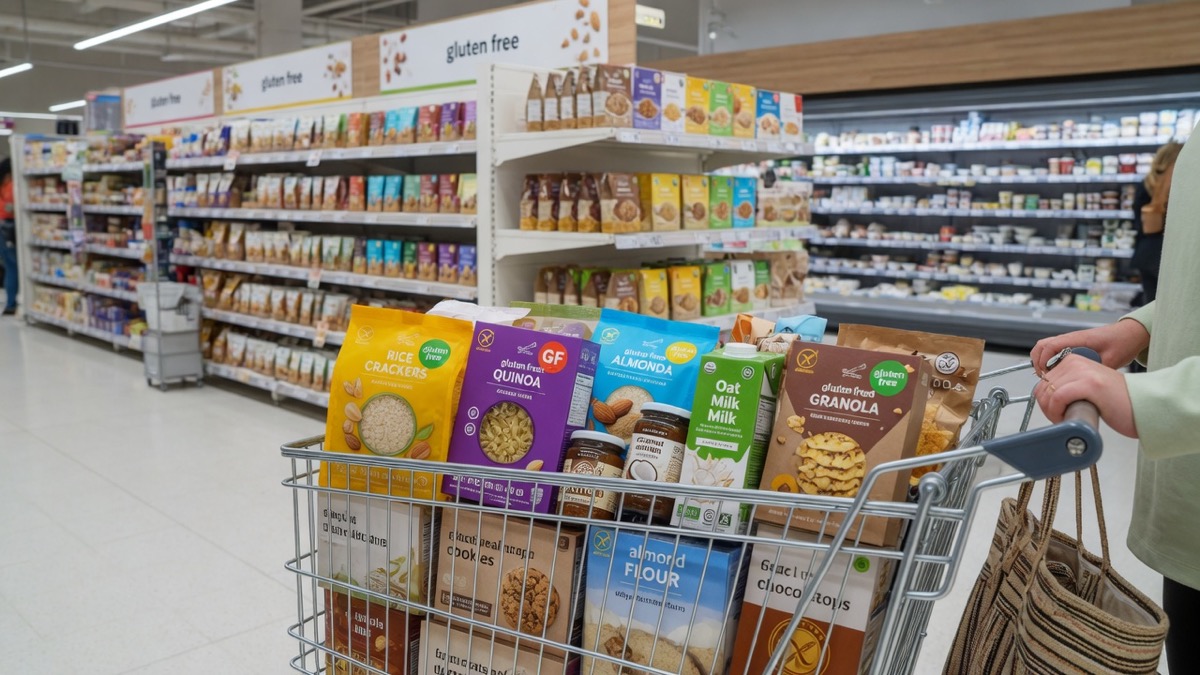
- Wider Availability: As shelf life extends, distribution becomes easier. You’ll likely see more variety of GF products in more places.
We’re truly in a golden age for gluten-free foods. The days of compromise are fading fast, replaced by an abundance of choice and, crucially, an abundance of freshness. So, go ahead, stock up on that incredible GF sourdough, those yummy cookies, and that surprisingly tender pasta. They’re built to last, designed for delight, and ready to make your gluten-free life even more delicious!