Understanding Non-Celiac Gluten Sensitivity: Recent Discoveries (2026)


Ever bitten into something delicious, only to feel your stomach do a sour tango a few hours later? Or found yourself in a brain fog that makes remembering your own name a challenge, all after a meal that *should* have been harmless? You’re not alone, my friend. Not at all.
For years, many of us who felt “off” after eating gluten but didn’t have Celiac disease were often told it was “all in our heads.” Those days? They’re thankfully fading. In 2026, the scientific community isn’t just listening, they’re actively digging, and the dirt they’re turning up about Non-Celiac Gluten Sensitivity (NCGS) is both fascinating and validating. It’s like finally getting a name for that mysterious ingredient that’s been messing with your perfect recipe. And understanding it helps us all lead happier, healthier gluten-free lives. That’s what this whole journey is about, after all!
Here at the heart of Research & Innovations in Gluten-Free, we’re constantly sifting through the latest data, and let me tell you, NCGS is a hot topic. Researchers are finally piecing together the biological puzzle. It’s a complex picture, certainly. But we’re getting clearer brushstrokes every day.
So, What Exactly is NCGS? (The Gluten-Free Cliff Notes Version)
Think of it this way: Celiac disease is like a full-blown allergic reaction that damages your small intestine, basically flattening the tiny “velvet” (villi) that absorb nutrients. It’s an autoimmune response, clear as day, with specific blood markers and intestinal biopsy proof. NCGS, on the other hand, is more like an angry, grumbling stomach or a sudden head rush after gluten, without the characteristic intestinal damage or the same specific antibodies seen in Celiac disease. Your body is definitely reacting, just in a different way.
It’s not an allergy, it’s not autoimmune (in the Celiac sense), but it’s very, very real. Symptoms can range from digestive distress (bloating, gas, pain, diarrhea, constipation) to non-digestive issues like headaches, fatigue, brain fog, joint pain, skin rashes, and even mood changes. Basically, gluten can make you feel anywhere from mildly annoyed to completely miserable. And for a long time, the lack of a definitive diagnostic test made it a frustrating mystery for many.
The Breakthroughs: What Recent Discoveries Tell Us About NCGS
Science is a patient chef, slowly simmering complex ideas until they make sense. In the last few years, especially leading up to 2026, we’ve seen some incredible progress in understanding NCGS. It’s like finding new spices that explain why that dish tasted so unique.
It’s Not Just Gluten! The “Wheat Fructans and ATIs” Angle
This is a big one. Remember when we all just pointed fingers at “gluten”? Well, scientists are now saying, “Hold on, sometimes it’s more complicated.” Recent studies suggest that for some individuals diagnosed with NCGS, their symptoms might not solely be from gluten itself. Instead, they could be reacting to other components found in wheat, barley, and rye. Picture gluten as the main character, but there are some strong supporting actors causing drama too.
- Fructans: These are a type of FODMAP (Fermentable Oligosaccharides, Disaccharides, Monosaccharides, and Polyols). They’re short-chain carbohydrates that can be poorly absorbed in the small intestine. For sensitive individuals, they ferment in the large intestine, causing gas, bloating, and pain. It’s a common trigger for Irritable Bowel Syndrome (IBS) symptoms. Wheat is loaded with fructans. So, when someone feels better on a GF diet, it might be because they’ve also removed these troublesome FODMAPs.
- Amylase-Trypsin Inhibitors (ATIs): These are proteins in wheat that act as natural pesticides for the plant. Smart, right? But in humans, ATIs can actually activate certain immune responses in the gut. They essentially signal the immune system to “wake up” and create a low-grade inflammatory state. This isn’t the same full-blown immune attack as Celiac disease. But it’s enough to cause discomfort and widespread symptoms. It’s like a tiny alarm bell going off, not a fire drill.
This discovery is huge because it opens up the possibility that some people might be sensitive to specific parts of wheat, not necessarily gluten. It helps explain why a ‘low FODMAP’ diet often helps those with suspected NCGS. It’s a reminder that sometimes, the whole package is the problem, not just one ingredient.
The Gut Microbiome: Your Inner Garden
Your gut is a bustling city, full of trillions of tiny residents (bacteria, fungi, viruses). This community, your microbiome, plays a massive role in your overall health, digestion, and even your mood. What are we learning about NCGS here? Basically, a disturbed gut microbiome (what we call ‘dysbiosis’) is frequently observed in individuals with NCGS. It’s like the city’s infrastructure is a bit wonky.
Studies show that those with NCGS often have a different balance of bacteria compared to healthy individuals or even those with Celiac disease. This imbalance can affect gut barrier function (more on that next) and contribute to inflammation. Restoring a healthy balance through diet, prebiotics, and probiotics is becoming a key area of research for managing NCGS symptoms. It’s all about nurturing that inner garden, making sure the good guys outnumber the bad.
Leaky Gut (Intestinal Permeability) Without Celiac Damage
We used to think “leaky gut” was primarily a Celiac thing. When the small intestine is damaged in Celiac, the tight junctions between intestinal cells loosen, allowing undigested food particles and toxins to “leak” into the bloodstream. This triggers a wider immune response. Now, we know NCGS can also involve increased intestinal permeability, even without the severe villous atrophy seen in Celiac. It’s like a tiny crack in a fence, not a gaping hole.
Researchers are identifying specific biomarkers (think of them as chemical footprints) in the blood and stool of NCGS patients that indicate this increased permeability. This means the gut lining, while not visibly damaged like in Celiac, isn’t quite as tight as it should be. This allows things to slip through that shouldn’t, potentially triggering systemic inflammation and those widespread symptoms.
Immune System’s Subtle Dance
While NCGS doesn’t involve the same specific antibodies as Celiac disease (like IgA anti-tTG), it definitely involves the immune system. Recent research points to an activation of the *innate* immune system (your body’s rapid-response team) in response to gluten or other wheat components. It’s not the full-blown, tailored attack of Celiac’s *adaptive* immune system. It’s more of a general alert. They’re finding markers like increased cytokines (immune signaling molecules) that indicate low-grade inflammation. This silent inflammation can be the root of many of those mysterious NCGS symptoms.
The Genetic Links Are Still Being Explored
While the Celiac genes (HLA-DQ2 and HLA-DQ8) are not primarily associated with NCGS, researchers are exploring other genetic predispositions. It’s becoming clear that there might be a genetic component that makes some individuals more susceptible to developing NCGS. It’s like having a family tendency towards liking spicy food – not everyone does, but some families are definitely more inclined. This is still a complex area, but future discoveries here could lead to even more personalized approaches, which is very exciting!
Speaking of personalized approaches, the field of Personalized Gluten-Free Diets: Genomic and Dietary Approaches is rapidly advancing. Understanding individual responses to various food components, whether it’s gluten, FODMAPs, or other compounds, is crucial. It means we’re moving beyond a one-size-fits-all approach and truly tailoring diets to what makes *your* body feel best.
Living Your Best GF Life with NCGS: What This Means For You
Okay, so the science is getting clearer. What does this mean for your plate, your pantry, and your peace of mind?
First and foremost: your symptoms are real. That’s the most important takeaway. NCGS is a legitimate condition. The lack of a simple blood test doesn’t invalidate your experience. Trust your body’s signals.
The current gold standard for diagnosing NCGS still involves a diagnostic process of exclusion. That means ensuring you don’t have Celiac disease or a wheat allergy first. Then, a supervised gluten elimination diet followed by a reintroduction phase helps confirm if gluten (or other wheat components) is indeed the culprit. It’s a bit like being a food detective, but a professional guide makes it much easier.
For most with NCGS, a strict gluten-free diet remains the most effective way to manage symptoms. But, this understanding that it might be FODMAPs or ATIs gives us new avenues to explore. Some individuals with NCGS might find that they can tolerate small amounts of gluten, or perhaps fermented wheat products (like sourdough), if their primary sensitivity is to fructans or ATIs which are reduced during fermentation. This is a highly individual journey, so always work with a doctor or a registered dietitian who specializes in gluten-free living.
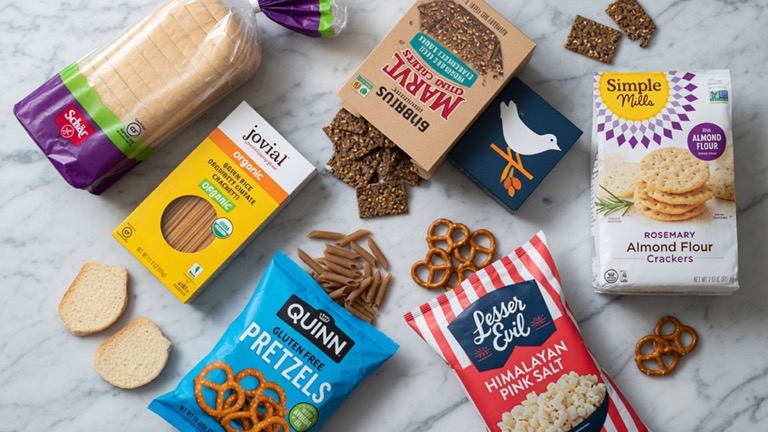
The good news is that living GF has never been easier or more delicious. The market is absolutely brimming with incredible alternatives, from artisan GF breads to innovative pasta shapes and mouth-watering desserts. We’ve gone way beyond just rice cakes. Embrace the culinary adventure! Discovering The Rise of Ancient Grains in Gluten-Free Baking, for instance, opens up a whole new world of flavors and textures.
Looking Ahead: The Future of NCGS
The pace of discovery is quickening. Researchers are actively looking for reliable biomarkers to diagnose NCGS more objectively. Imagine a simple test that could confirm your sensitivity! That would be a huge step forward. They’re also investigating specific therapies that might target the immune activation or gut dysbiosis associated with NCGS, beyond just dietary elimination.
Until then, the path for most remains the gluten-free road. And that road, once perceived as restrictive, is now a vibrant, delicious highway of options. It’s about choosing health, feeling fantastic, and celebrating the abundance of food that *does* make you feel good.
Remember, you’re part of a growing, knowledgeable community. We learn together, we share delicious recipes, and we keep pushing for better understanding. Keep advocating for yourself, keep exploring, and keep enjoying every bite of your joyful, gluten-free life.
For more detailed scientific dives, you might find these resources helpful: