Certified Gluten-Free Brands vs. Gluten-Free Labeled: What’s the Difference? (2026)

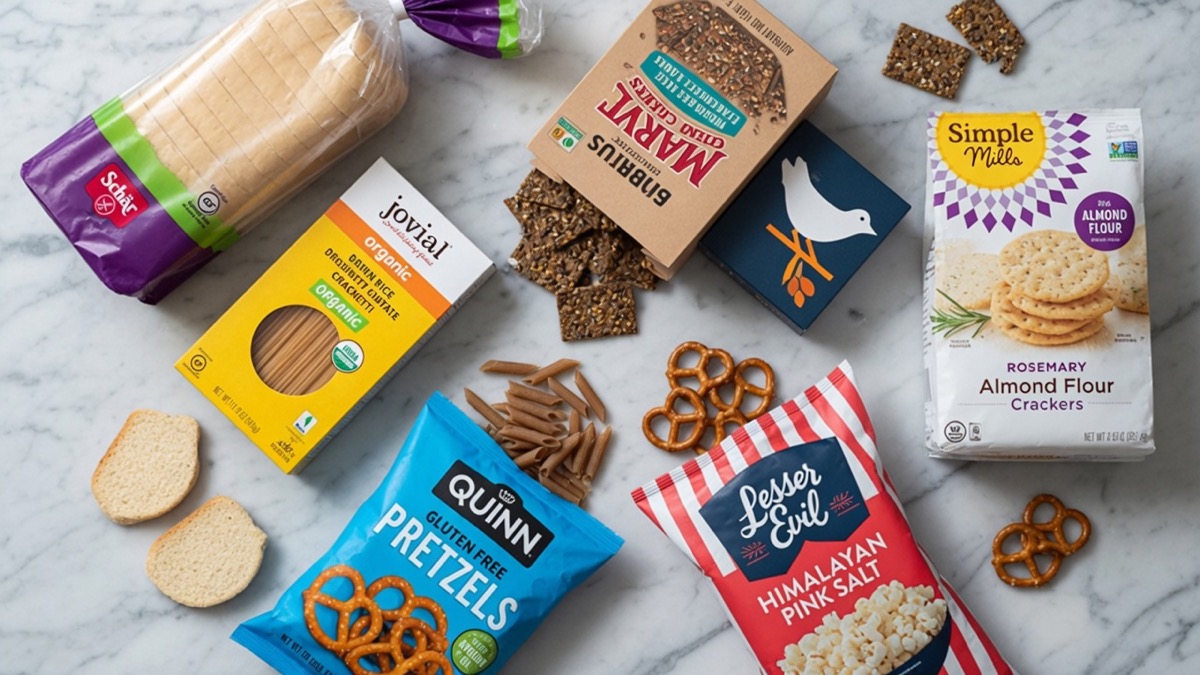
Picture this: You’re strolling through the grocery store, basket in hand, on a mission to stock your gluten-free pantry. You pick up a package of crackers, flip it over, and see those glorious words: “Gluten-Free.” Hooray! But then, you spot another product, maybe a bag of granola, and it proudly displays a different emblem, a specific symbol, often with the words “Certified Gluten-Free.” Suddenly, a tiny question mark floats above your head. What’s the deal? Are they the same? Or is one somehow, well, *more* gluten-free than the other?
As your friendly, gluten-free expert, let me tell you, that little question mark is totally valid. It’s a common point of confusion, and understanding the difference is like having a secret superpower in the GF world. It gives you confidence, peace of mind, and the ability to choose what’s right for *your* body, every single time. And that, my friends, is what truly makes for a joyful, abundant gluten-free life. So, let’s peel back the label and get to the delicious truth about Gluten-Free Products & Trusted Brands.
“Gluten-Free Labeled”: Your Everyday GF Promise
First up, let’s talk about products that simply state “Gluten-Free” on their packaging. This is the most common label you’ll encounter, and it’s regulated by the U.S. Food and Drug Administration (FDA). In 2013, the FDA established a clear definition for what “gluten-free” means for food labeling. Basically, any food bearing this label must contain less than 20 parts per million (ppm) of gluten.
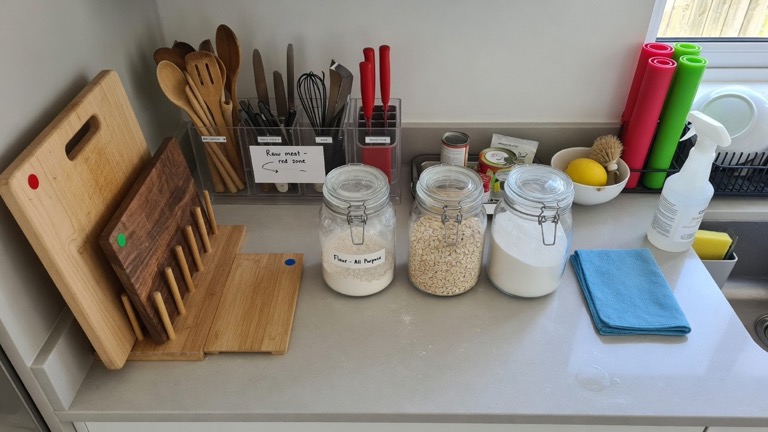
Think of it like this: You’re baking a batch of your famous chocolate chip cookies. You promise your friends they’re gluten-free because you used GF flour, carefully cleaned your counter, and avoided any gluten-containing ingredients. You’re confident, right? That’s essentially what a brand is doing when they put “Gluten-Free” on their label.
How Brands Meet the Standard
- Ingredient Sourcing: They start by selecting ingredients that are naturally gluten-free (like rice, corn, potatoes) or specifically processed to remove gluten (like gluten-free oats).
- Good Manufacturing Practices: Companies put practices in place to prevent cross-contact. This could mean dedicated gluten-free production lines, thorough cleaning between product runs, or strict scheduling to minimize risk.
- Internal Testing: Many brands conduct their own internal testing of ingredients and finished products to ensure they meet the under 20 ppm threshold.
This “Gluten-Free” label is a legal promise from the manufacturer. It means they’ve done their due diligence, from ingredients to production, to keep gluten levels below the FDA’s standard. For many, this level of assurance is perfectly fine. You can trust that the company is aiming for safety, and they’re legally bound to meet that standard. They’re standing by their word.
“Certified Gluten-Free”: The Independent Stamp of Approval
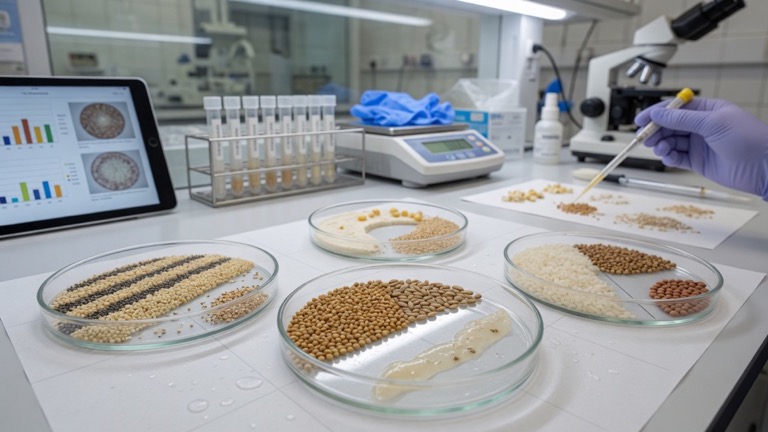
Now, let’s talk about “Certified Gluten-Free.” This label often comes with a specific logo, like GFCO (Gluten-Free Certification Organization), NSF, or the Celiac Support Association. When you see one of these, it means an independent, third-party organization has swooped in, put on their detective hat, and verified that the product meets even stricter standards.
Imagine those cookies again. This time, not only do you promise they’re GF, but you also invite a professional, unbiased food inspector to come to your kitchen. They watch you bake, check your ingredients, test your flour, and then run a lab analysis on your finished cookies. If everything checks out, they give you a special badge. That’s certification!
What Does Certification Really Mean?
- Stricter Standards: While the FDA standard is less than 20 ppm, many certification programs require products to test at less than 10 ppm of gluten, or even lower. This provides an extra layer of safety.
- Rigorous Auditing: The certifying body doesn’t just take the manufacturer’s word for it. They conduct regular, unannounced audits of the facility. They scrutinize everything: ingredient sourcing, supplier documentation, production processes, cleaning protocols, and finished product testing records.
- Dedicated Lines (Often): In many cases, certified products are produced on dedicated gluten-free lines, or in facilities entirely free of gluten, to virtually eliminate the risk of cross-contact.
- Ongoing Verification: It’s not a one-and-done deal. Brands must continuously meet these strict standards to maintain their certification.
These certification programs add a powerful layer of trust and accountability. They’re like an independent referee ensuring fair play in the gluten-free arena. Organizations like the GFCO, for example, have a widely recognized symbol that immediately tells you, “Hey, we’ve had someone else check this, thoroughly!” This is the gold standard for many in our community.
The FDA’s website offers more specifics on their gluten-free labeling rule. Also, you can learn more about third-party certifications and their stringent requirements from organizations like the Celiac Support Association.
Why It Matters (And When It Matters Most)
So, which one should you choose? Well, it depends on your individual needs, sensitivity, and comfort level. This isn’t about right or wrong. It’s about informed choices.
For Celiac Disease or Severe Gluten Sensitivity
If you have celiac disease, or experience significant symptoms from even tiny amounts of gluten, then “Certified Gluten-Free” products are often your safest bet. The stricter ppm limit (often 10 ppm or less) and the robust third-party verification significantly reduce the risk of accidental gluten exposure. Cross-contamination is a very real concern for you, and those extra safeguards are incredibly valuable. It’s like having an extra lock on the door to your health.
For Non-Celiac Gluten Sensitivity or Personal Preference
For those with non-celiac gluten sensitivity (NCGS) or who choose a gluten-free lifestyle for other health reasons, “Gluten-Free labeled” products are often perfectly adequate. Many individuals can tolerate the trace amounts of gluten that might occasionally be present in products meeting the FDA’s 20 ppm standard, without experiencing adverse effects. You still get the benefit of the manufacturer’s promise, which is usually enough to keep you feeling great.
Ultimately, it boils down to risk management. The “Certified” label minimizes that risk even further, giving you maximum assurance. The “Labeled” designation provides a high level of confidence under federal guidelines. It’s about knowing your body and what it needs to thrive.
Decoding the Labels: What to Look For
How do you spot these differences in the wild? It’s easier than you think:
- “Gluten-Free Labeled”: You’ll typically see the words “Gluten-Free” printed clearly on the package. Sometimes it’s on the front, sometimes near the ingredient list or nutritional information. There won’t be a specific third-party logo accompanying it, unless it’s a dual label.
- “Certified Gluten-Free”: Look for a distinct logo or symbol from a certification body. Common ones include:
- GFCO (Gluten-Free Certification Organization) – often a circle with “GF” in the center.
- NSF (NSF International) – a blue circle with “NSF” and “Certified Gluten-Free.”
- CSA (Celiac Support Association) – often a green circle with “GF” and “CSA.”
These logos are your visual cue that an independent party has verified the product.
Beyond the Label: Your GF Detective Skills
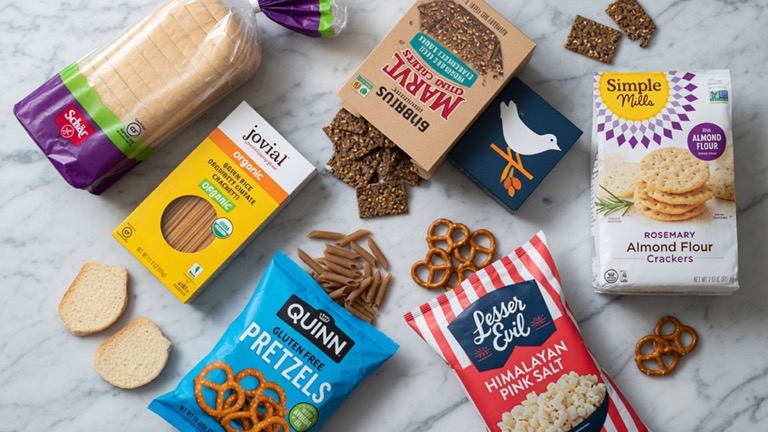
Even with clear labels, a little extra detective work never hurts, especially when you’re trying something new or dealing with a new brand. Research is your friend! Most reputable brands will have a “FAQs” section on their website detailing their gluten-free practices. Don’t hesitate to reach out to their customer service if you have specific questions about their cross-contamination protocols. Plus, keeping up with our ultimate guide to gluten-free pasta brands or finding new delicious gluten-free cookies often means checking reviews and community discussions.
Making Your Choice: A Personal Kitchen Strategy
In my own kitchen, I often use a tiered approach. For staple items that I consume frequently or foods that are inherently higher risk (like breads, flours, oats, or anything prone to cross-contamination during processing), I lean heavily towards certified gluten-free options. This gives me maximum peace of mind. For other products, perhaps a yogurt or a bag of chips where gluten isn’t a primary ingredient and the risk is lower, a simply “Gluten-Free” label is usually sufficient. It’s all about balancing convenience, cost, and your personal health needs.
The beauty of today’s gluten-free world, especially in 2026, is the sheer abundance of incredible options available. You don’t have to feel limited. You get to choose from a dazzling array of delicious foods, all while feeling safe and confident in your choices. Whether you’re hunting for top gluten-free baby food brands or just your favorite morning cereal, knowing the difference between “labeled” and “certified” puts you in control.
Certified Gluten-Free vs. Gluten-Free Labeled: A Quick Comparison
Let’s break it down in a handy table, so you can see the key differences at a glance:
| Feature | “Gluten-Free Labeled” | “Certified Gluten-Free” |
|---|---|---|
| Regulatory Body | FDA (U.S.) | FDA & Third-Party Certification Body (e.g., GFCO, NSF) |
| Gluten Limit | Less than 20 ppm | Often less than 10 ppm (always < 20 ppm) |
| Verification | Manufacturer’s promise, internal testing | Manufacturer’s promise + rigorous third-party audits, inspections, & testing |
| Symbol | Words “Gluten-Free” | Specific certification logo (e.g., GFCO, NSF) |
| Confidence Level | High (meets federal standard) | Highest (additional layer of independent verification) |
| Best For | Non-celiac gluten sensitivity, general GF diet, lower risk items | Celiac disease, severe sensitivity, higher risk items, maximum peace of mind |
There you have it! The curtain is pulled back. You now have the insider knowledge to confidently navigate the grocery aisles. Remember, living gluten-free isn’t about deprivation. It’s about feeling your best, savoring amazing food, and making informed choices. Go forth, my friend, and enjoy every delicious, confident bite!