Cross-Contamination Prevention: Keeping Your Gluten-Free Kitchen Safe (2026)

Picture this: you’ve just pulled a batch of the most heavenly, golden-brown gluten-free chocolate chip cookies from the oven. The aroma fills your kitchen, promising pure bliss. You bite in, and it’s everything you dreamed of. That feeling? That confidence, that joy in creating something truly delicious and safe? That’s what we’re all about. And a huge part of making that magic happen consistently is understanding and preventing something called cross-contamination.
Think of your kitchen as a culinary canvas. We want to paint a masterpiece of gluten-free deliciousness, but we need to make sure no rogue specks of gluten accidentally smudge our beautiful work. Because for us, even a tiny crumb, a microscopic bit of flour dust, can derail that delicious moment and cause real discomfort. It’s not about being overly paranoid, it’s about being smart, prepared, and celebrating the safety that brings true enjoyment to every GF meal. So, let’s talk kitchen safety, shall we? It’s simpler than you think, and honestly, a little common sense goes a long way. And hey, while we’re at it, mastering things like this makes your Gluten-Free Baking Essentials even more effective!
What is Cross-Contamination, Really?
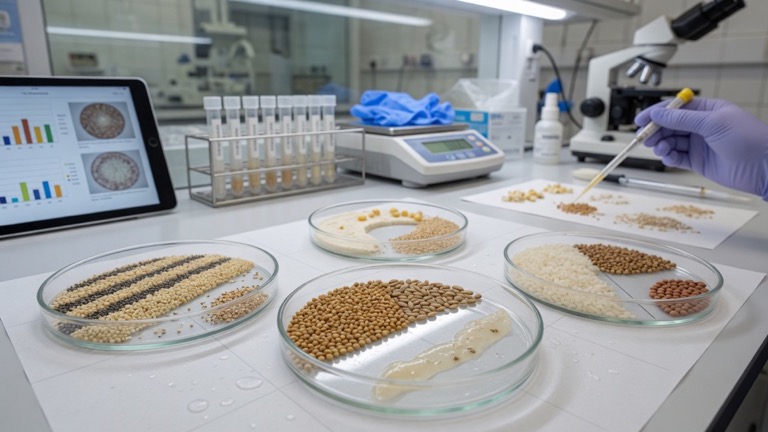
Okay, let’s break it down without getting all scientific. Cross-contamination happens when gluten-containing foods or ingredients accidentally come into contact with your gluten-free foods. It’s like having a little glitter party with regular flour, and then, without realizing it, some of that glitter lands on your GF ingredients. Even a minuscule amount (we’re talking parts per million, smaller than a pinhead) can be enough to cause issues for someone with celiac disease or severe gluten sensitivity. This isn’t just about crumbs; it’s about invisible dust, shared surfaces, and even airborne particles. It’s a silent, tiny intruder. But don’t worry, we’re building a fortress against it!
Your GF Kitchen Fortress: The Golden Rules
Building a safe GF kitchen doesn’t mean tearing everything out and starting from scratch, though sometimes a fresh start feels good! It’s about setting up smart habits and designating a few key items. These rules are your foundation.
Dedicated Zones & Gear: No Sharing Allowed!
This is probably the biggest game-changer. Some kitchen items simply cannot be shared if they’ve ever touched gluten. Period. Think of them as VIPs (Very Important Protection) for your GF journey.
- Toaster or Toaster Oven: A major offender! Gluten crumbs cling inside. You absolutely need a dedicated GF toaster or toaster oven. No exceptions. This is non-negotiable for safe toast or warming bagels.
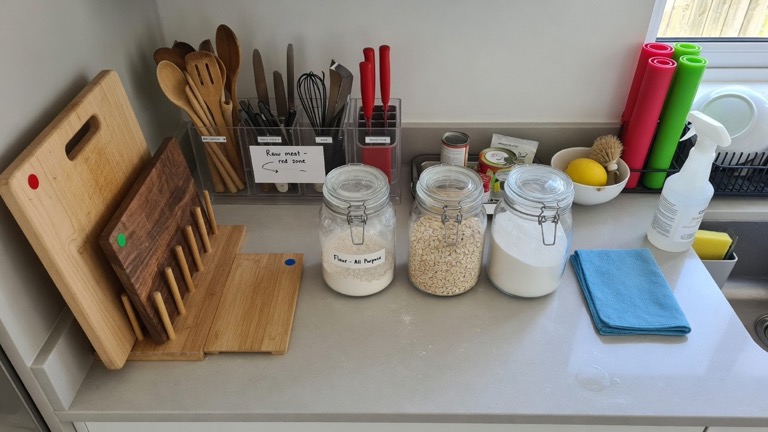
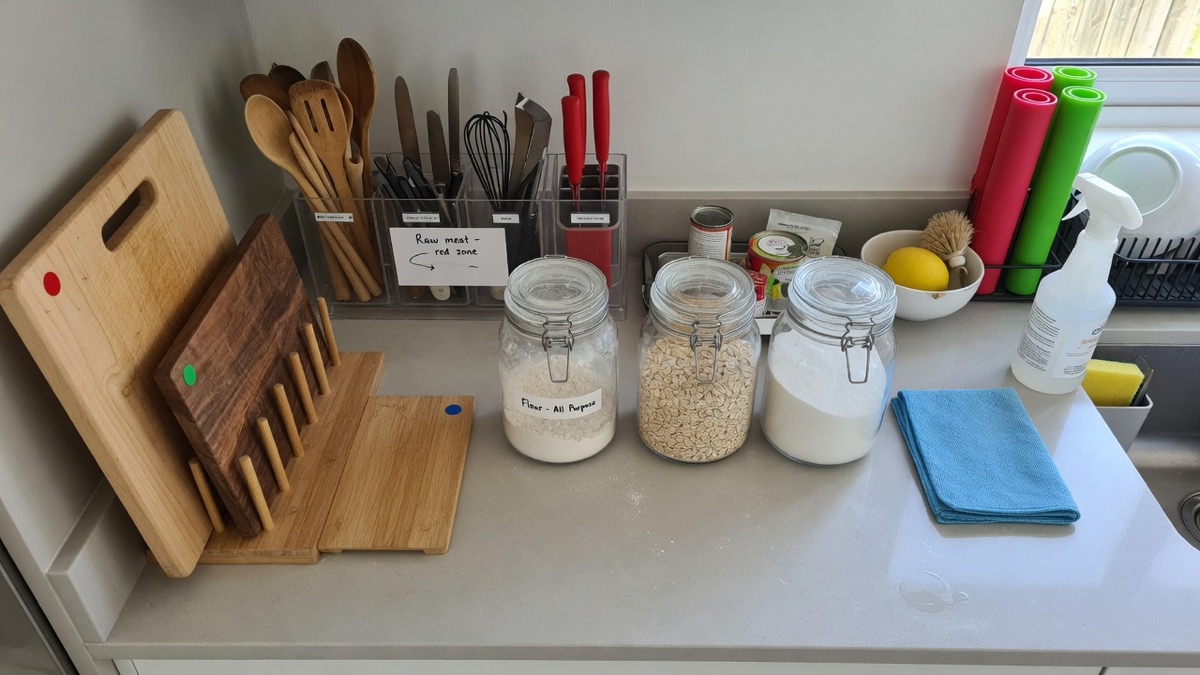
- Cutting Boards: Wood and plastic boards are porous. Gluten can hide in those nooks and crannies. Get a separate, clearly marked (maybe even color-coded) cutting board just for GF items. Keep another for gluten.
- Colanders: Pasta water, anyone? The tiny holes in colanders are perfect hiding spots for gluten residue. A dedicated GF colander is a must.
- Sponges & Dishcloths: These soak up everything. If you’re washing dishes that have touched gluten, that sponge is now contaminated. Keep a separate sponge or dishcloth just for cleaning GF dishes and surfaces, or better yet, run everything through a dishwasher.
- Flour Sifters/Sieves: This one is a big deal for baking. Regular flour gets stuck in the mesh. You need a dedicated GF sifter if you bake. Maybe this is a good time to reconsider if you’re Adapting Traditional Recipes for Gluten-Free Success; some things need GF-only tools.
- Utensils (sometimes): While metal utensils usually clean up fine, wooden spoons are porous and can harbor gluten. Consider having separate wooden spoons or just stick to metal.
Cleaning is King (or Queen)!
Even with dedicated tools, surfaces need to be spotless. This isn’t just about looking tidy, it’s about eliminating invisible threats.
- Wipe Down ALL Surfaces: Before you start cooking, wipe down countertops, stovetops, and any work surfaces with hot, soapy water or a sanitizing spray. Especially if a gluten-containing meal was just made.
- Wash Your Hands: Seems obvious, but it’s easy to forget. Always wash your hands thoroughly before handling GF ingredients, especially if you’ve been touching gluten items, packaging, or even just opening the fridge door.
- Dishwasher Power: If you have a dishwasher, use it! High heat and strong detergents do a fantastic job of sanitizing dishes and utensils. Just load GF items separately or run them after a gluten cycle.
Storage Savvy: Keep it Separate
Once you’ve got your GF groceries, how you store them makes all the difference.
- High Shelves for GF: If you share a pantry, store your GF flours, pastas, and snacks on higher shelves, above any gluten-containing items. This prevents gluten crumbs from falling onto your precious GF goodies. Gravity is a real thing, my friends!
- Airtight Containers are Your Best Friend: Transfer GF flours, grains, and baking mixes into clearly labeled, airtight containers. This prevents airborne gluten particles from settling on them and keeps them fresh.
- Clear Labeling: Use labels, stickers, or even colored tape to clearly mark your GF items, especially if they look similar to their gluten-containing counterparts (e.g., GF pasta versus regular pasta).
Ingredient Awareness: Reading is Power
You already know this, but it bears repeating: read every label, every time. Ingredient lists can change, and hidden gluten is a sneaky fellow.
- The “Certified GF” Seal: Look for products with a certified gluten-free label. This means they meet strict standards for gluten content (usually less than 20 parts per million).
- Common Hidden Gluten Culprits: Soy sauce (unless specifically GF tamari), marinades, broths, seasonings, salad dressings, and even some processed meats can contain gluten. Always check. When in doubt, leave it out.
- Bulk Bins Beware: Avoid buying anything from bulk bins, as cross-contamination is almost guaranteed there. Stick to packaged, labeled GF products.
Navigating Shared Kitchens: Harmony and Safety
Living with non-GF eaters, whether family or roommates, adds another layer of complexity. But it’s totally doable with communication and a bit of strategy.
- Establish a “GF First” Rule: When cooking meals that include both GF and gluten-containing dishes, prepare and plate your GF items first. Clean up your dedicated GF zone immediately.
- Separate Condiments & Spreads: Jars of peanut butter, jam, butter, or mayo can easily get contaminated by a knife that just spread gluten bread. Get separate, clearly marked containers for GF use. This is a small investment with huge peace of mind.
- Oven Strategy: If baking both types of items, use separate baking sheets or parchment paper. If you’re truly sensitive, consider baking GF items on a different rack or at a different time. A study by Beyond Celiac found that shared ovens can be safe if precautions are taken, but individual sensitivities vary.
- Designate a “GF Chef”: If one person in the household is primarily responsible for GF cooking, this helps maintain consistency and vigilance.
Beyond the Basics: Pro Tips for Total Confidence
You’ve got the core principles down. Now, let’s add a few more layers to your GF kitchen armor.
Color-Coding Your Life
It sounds simple, but it’s incredibly effective. Grab some GF-specific color-coded items:
- A red cutting board for gluten, a green one for GF.
- Colored handles on spatulas, tongs, or other frequently used utensils.
- Different colored sponges for GF dishwashing.
The GF Cook-Off: Batch Cooking for the Win
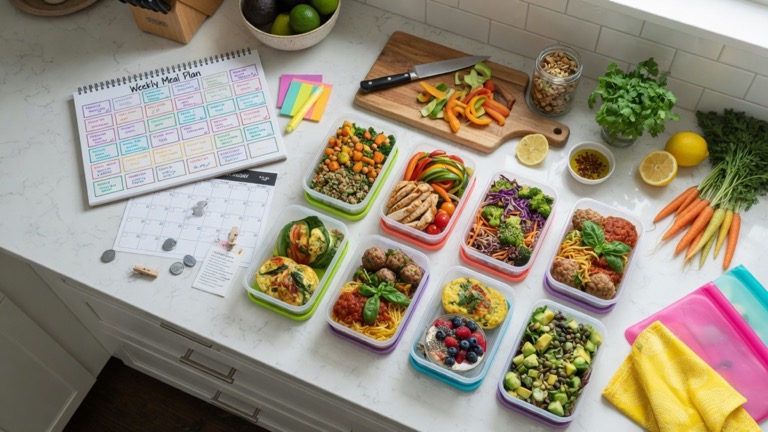
When you’re doing a big cook session, tackle all your GF components first. Get your GF pasta cooked, your GF veggies roasted, your GF sauces made. Once those are safely stored or plated, then you can move on to any gluten-containing items if you need to. This drastically reduces the risk.
Snack Attack Safety
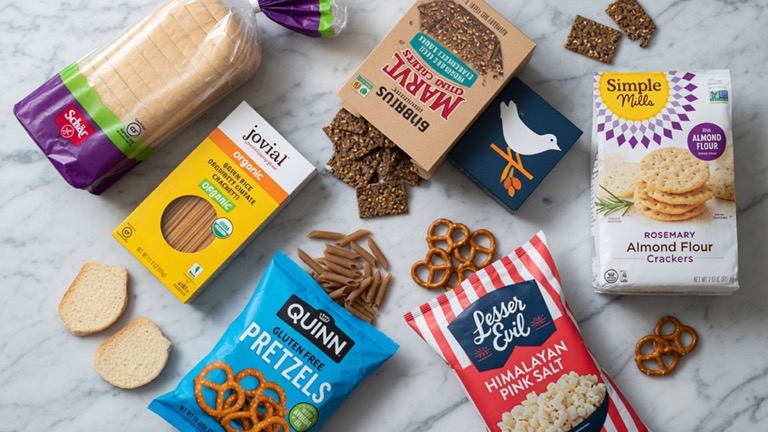
Beware of shared snack bags or containers. A hand that just dipped into a bag of regular pretzels should never go into your GF chip bag. This is why individual GF snacks are often a smart choice, especially for kids. Or pour GF snacks into a separate bowl for serving.
Consider a “GF Only” Area (Even Small!)
If space allows, designate one small area of your counter as the “GF zone.” It could be a corner where your GF toaster lives, or where you do all your GF prep work. Keep it pristine.
Embrace the Delicious Freedom!
It might seem like a lot to think about at first, but trust me, these practices quickly become second nature. Like learning to ride a bike, it feels wobbly at first, then suddenly you’re cruising along, wind in your hair, feeling completely free. These steps aren’t about limitation; they’re about liberation. They free you from worry and open up a world of confident, joyful eating.
Your GF kitchen should be a haven, a place where you feel excited to create, knowing every bite will be safe and satisfying. With a little awareness and a few smart habits, you’ll be a cross-contamination prevention pro in no time. And don’t forget, exploring different aspects of GF living, like The Importance of Measuring by Weight in Gluten-Free Baking or Dairy-Free Substitutions for Gluten-Free Baking, will only add to your culinary adventure!
Happy, safe cooking, my friends! Because truly, a safe plate is a delicious plate. If you’re ever curious about specific gluten levels, the Celiac Disease Foundation offers great resources on understanding gluten thresholds and testing.