Best Gluten-Free Flour Blends for Baking Success (2026)

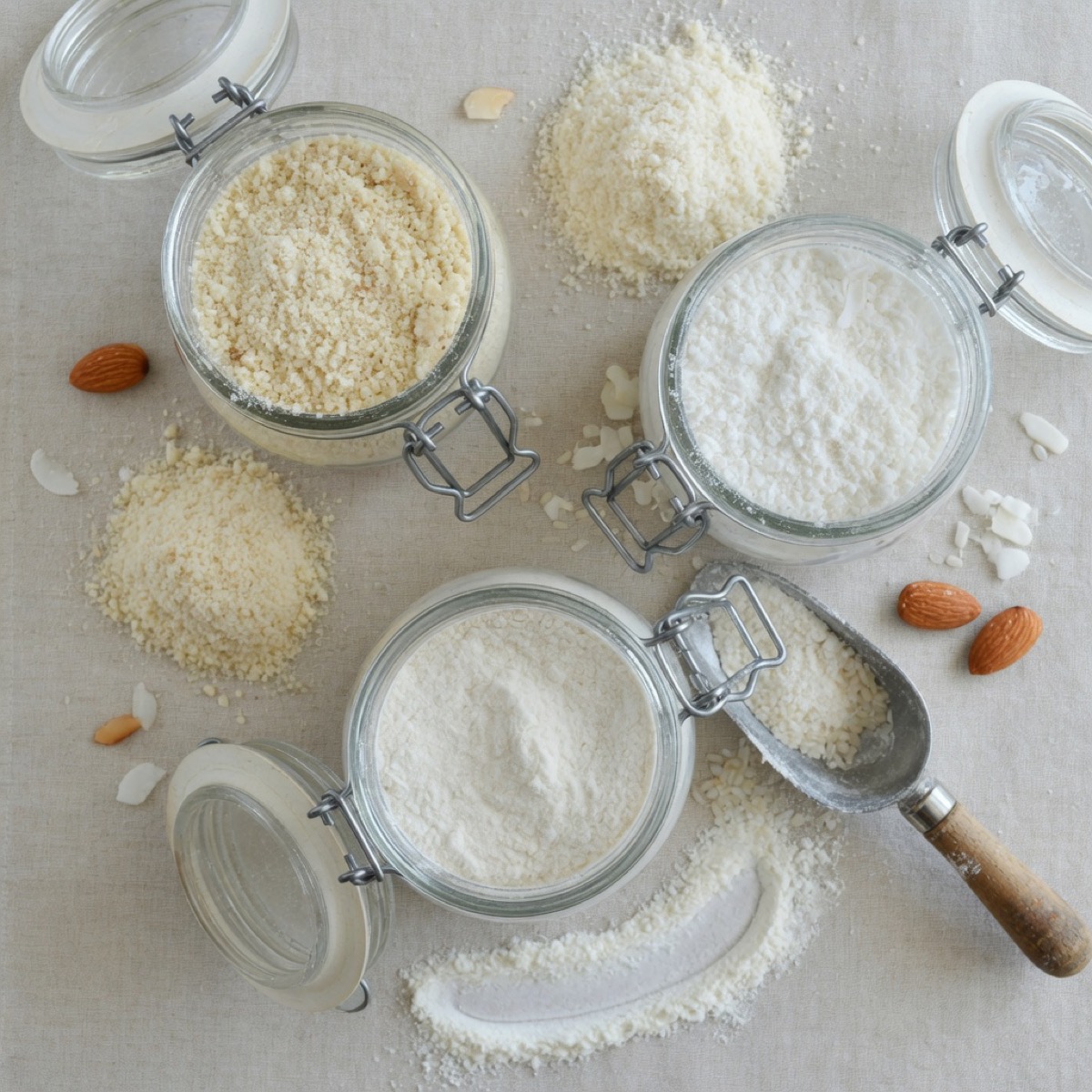
Alright, my gluten-free friends, pull up a chair. Let’s talk flour. I know, I know. For many of us, the phrase “gluten-free flour” used to conjure images of dense, crumbly bricks or sticky, unmanageable messes. But guess what? Those days are long gone. We’re living in a golden age of GF baking, and the secret weapon? It’s all about the blend.
Think of it like this: regular wheat flour is a superhero with all its powers rolled into one. It’s got the structure, the elasticity, the perfect browning capability. Gluten-free flours, though, are a team of incredibly talented individual heroes. Each one brings a unique superpower to the table. Our job, our delicious mission, is to mix and match them to create an unstoppable baking force.
Navigating the world of single-ingredient GF flours can feel a bit like trying to solve a Rubik’s Cube while blindfolded. Am I right? So many options: rice, tapioca, almond, sorghum, millet, potato starch, cornstarch. It’s a lot! That’s why flour blends are pure magic. They do the heavy lifting for you, bringing together the best qualities of several different flours to mimic, as closely as possible, the performance of traditional wheat flour. Whether you’re whipping up some quick Gluten-Free Recipes & Meal Planning or just a simple weeknight treat, the right blend makes all the difference.
Why Blends Are Your Best GF Baking Buddy
Here’s the deal: gluten is a superstar protein. It gives dough its elasticity, allowing it to stretch and hold gas bubbles, which means fluffy bread and chewy cookies. When gluten is out of the picture, we need a combination of different GF flours and starches to recreate that structure, texture, and rise.
A good gluten-free flour blend usually has three main components:
- Whole Grain/Protein Flours: These are your workhorses. Think brown rice flour, sorghum flour, millet flour, almond flour, or oat flour. They bring flavor, structure, and a dose of nutrition. They’re like the sturdy walls of your delicious house.
- Starches: These are your lighteners and tenderizers. Tapioca starch, potato starch (not potato flour, big difference!), cornstarch, or arrowroot powder. They add crispness, help with binding, and give that desirable light texture. They’re the fluffy cushions and soft carpets.
- A Binder: This is the glue. Usually xanthan gum or guar gum. These gums mimic gluten’s ability to hold everything together, preventing your baked goods from crumbling into dust. They’re the mortar between the bricks, keeping your delicious creation from falling apart.
Understanding these basic building blocks makes the whole GF flour world a lot less intimidating. It’s all about balance!
The Best Commercial GF Flour Blends for Baking & Cooking
Let’s be honest, for everyday baking and convenience, a pre-made commercial blend is an absolute lifesaver. These blends are formulated by experts, taking all the guesswork out of the ratios. Just grab, measure, and bake!
1. King Arthur Gluten-Free Measure for Measure Flour
This blend is a true workhorse, an all-rounder. It contains rice flour (white and brown), tapioca starch, potato starch, and xanthan gum. King Arthur really nailed the 1-to-1 swap. Seriously, if a recipe calls for all-purpose wheat flour, you can often use this blend directly without making other adjustments. It’s fantastic for cookies, muffins, quick breads, and even pie crusts. It has a neutral flavor, which is a big plus.
Best for: Almost everything! Cookies, cakes, muffins, quick breads, gravies. Your go-to flour.
2. Bob’s Red Mill Gluten-Free 1-to-1 Baking Flour
Another superstar in the 1-to-1 category. Bob’s Red Mill uses a blend of sweet white rice flour, whole grain brown rice flour, potato starch, whole grain sorghum flour, tapioca flour, and xanthan gum. The inclusion of sorghum gives it a slightly earthier, more complex flavor than some other blends, which I personally love in certain recipes. It performs beautifully in many traditional baked goods, giving a tender crumb.
Best for: Cookies, brownies, pancakes (oh, the pancakes! Make sure to check out our Fluffy Gluten-Free Pancakes & Waffles Recipe Guide), and quick bread recipes that aren’t too delicate.
3. Cup4Cup Gluten-Free Flour (Original Blend)
Developed by chefs at Thomas Keller’s The French Laundry, this blend is often praised for its ability to create exceptionally light and tender baked goods, almost indistinguishable from their gluten-containing counterparts. It features cornstarch, white rice flour, brown rice flour, milk powder (so not dairy-free, be aware!), tapioca starch, and xanthan gum. The milk powder contributes to its unique texture and browning capabilities.
Best for: Pastries, delicate cakes, flaky pie crusts, and anything where a very fine, tender crumb is desired. Keep in mind the dairy.
4. Pamela’s Products Gluten-Free All-Purpose Flour Blend
Pamela’s has been a GF staple for ages, and for good reason. Their all-purpose blend often includes a mix of brown rice flour, tapioca starch, white rice flour, potato starch, and usually some guar gum or cellulose gum. It’s a very reliable blend that works well in a wide range of recipes, from muffins to cakes to dredging for frying. It sometimes has a slightly coarser texture, which can be lovely in rustic bakes.
Best for: General baking, dredging, thicker batters. Excellent for biscuits or savory applications.
DIY Gluten-Free Flour Blends: For the Adventurous Baker
Ready to level up your GF game? Creating your own blends gives you total control over flavor, texture, and even nutritional profile. It’s also often more cost-effective if you bake a lot and buy individual flours in bulk. Think of yourself as a mad scientist in the best way possible!
Here’s a basic template to get you started:
- 40% Whole Grain/Protein Flours: (e.g., brown rice, sorghum, millet, oat)
- 40% Starchy Flours: (e.g., tapioca, potato starch, cornstarch)
- 20% Neutral Flours: (e.g., white rice flour)
And remember, you’ll almost always need to add a binder, like xanthan gum, separately. Usually, it’s about ½ to 1 teaspoon per cup of flour blend, depending on the recipe and what you’re making.
A Simple “Everyday” GF Flour Blend Recipe (for cookies, muffins, quick breads):
This blend has a good balance and is fairly neutral in flavor.
Ingredients:
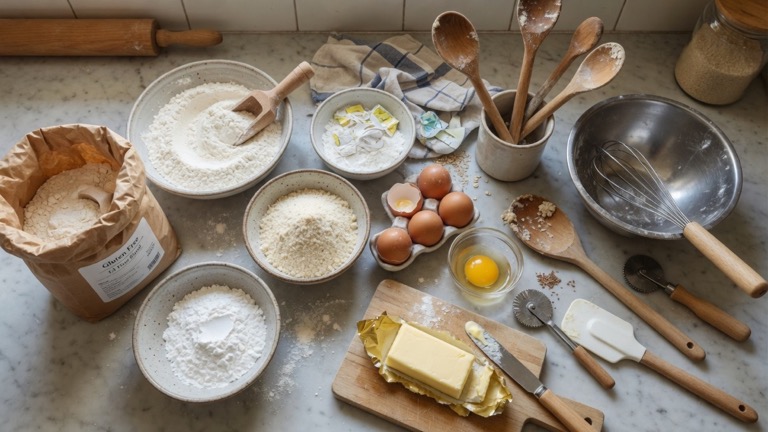
- 1 ½ cups (about 210g) Superfine Brown Rice Flour
- ¾ cup (about 90g) White Rice Flour
- ¾ cup (about 90g) Tapioca Starch (or Tapioca Flour)
- ½ cup (about 75g) Potato Starch
- ¼ cup (about 30g) Sorghum Flour
Instructions:
- Combine all ingredients in a large airtight container.
- Whisk thoroughly to ensure even distribution.
- Store in a cool, dark place.
- When using in a recipe, add xanthan gum separately as directed (usually ½ to 1 tsp per cup of blend).
This blend will make roughly 4 cups. You can experiment! Swap out brown rice for millet, or add a little almond flour for richness. The possibilities are endless.
Specific Blends for Specific Bakes: Matchmaking for Deliciousness
While an all-purpose blend is great, some recipes sing with a more tailored approach. Think of it as specialized dating for your ingredients.
-
For Delicate Cakes and Pastries:
You want lightness and tenderness. Increase the proportion of starches (like tapioca and cornstarch) and use superfine white rice flour. Cup4Cup is a fantastic commercial option here because of its cornstarch content and milk powder for extra tenderness and browning. If DIY, focus on 60% starch, 40% delicate flours (white rice, a touch of almond).
Why: Starches make things tender and light, preventing a dense crumb.
-
For Chewy Cookies and Muffins:
Most all-purpose blends shine here. The slightly heartier whole grain flours (like brown rice, sorghum) contribute to a satisfying chew. Bob’s Red Mill 1-to-1 or King Arthur Measure for Measure are excellent choices. A DIY blend with a good balance of brown rice, tapioca, and potato starch will work wonders.
Why: A balance of structure and tenderness gives that perfect texture.
-
For Yeasted Breads:
This is where it gets a little trickier, but totally doable! You need stronger flours. Brown rice flour, sorghum flour, and teff flour bring that earthy, hearty flavor and structure. You’ll also want a higher ratio of binder (xanthan or psyllium husk powder) to really hold things together and allow for a good rise. Many specialized GF bread flour blends exist for this reason.
Why: Bread needs significant structure and elasticity without gluten, so strong GF flours and extra binder are essential.
Beyond Baking: GF Flours for Cooking
Flour blends aren’t just for cakes and cookies. They’re incredibly useful in the savory kitchen too!
-
Thickening Sauces and Gravies:
Cornstarch and tapioca starch are your best friends here. A neutral GF all-purpose blend can also work beautifully for making a roux or thickening soups and stews. They provide a smooth, clear finish, often even better than wheat flour.
-
Dredging and Frying:
Rice flour (especially white rice flour) and cornstarch provide a wonderfully crispy coating for fried chicken, fish, or vegetables. Many all-purpose blends also work effectively for this purpose. A seasoned GF flour mix can be a staple in your pantry for quick, crispy results. Perfect for adding crunch to your 15 Gluten-Free Lunch Ideas for Work & School!
-
Binding Meatballs or Patties:
A little bit of GF flour blend can help bind ingredients like ground meat or vegetables, ensuring they hold their shape during cooking. Sweet rice flour is particularly good at this because of its stickiness.
Top Tips for GF Flour Blend Success
- Weigh Your Flours: This is my number one tip! GF flours vary wildly in density. A cup of one could be much heavier than a cup of another. Using a kitchen scale (grams are best!) ensures accuracy and consistent results every time. It’s the simplest way to banish baking failures. (Learn more about the science of baking, including precise measurements, on Wikipedia.)
- Don’t Overmix: Unlike gluten-containing doughs which benefit from kneading, GF batters don’t develop gluten (obviously!). Overmixing can lead to tough or gummy textures. Mix just until combined.
- Let Batter Rest: Some GF flours, especially starches, need time to absorb liquid. Letting your batter or dough rest for 10-30 minutes before baking can improve texture and prevent grittiness.
- Hydration is Key: GF batters often need more liquid than their gluten-filled counterparts. Don’t be afraid to add a little extra milk, water, or oil if your batter seems too thick. Gluten provides elasticity, but without it, moisture helps prevent dryness and crumbling. (King Arthur Baking has some excellent tips on substituting GF flour in recipes.)
- Store Properly: GF flours can go rancid faster than wheat flour due to their higher fat content (especially nut flours). Store them in airtight containers in a cool, dark pantry, or even the fridge or freezer for longer shelf life.
You’ve got this! The world of gluten-free baking and cooking is overflowing with delicious possibilities. Don’t let a little flour blend confusion hold you back. Think of these blends as your reliable co-pilots on an exciting culinary adventure. They’re here to make your life easier, your bakes tastier, and your gluten-free journey full of joy. Happy baking, my friends!