Travel Gluten-Free Safely: Tips for Celiac & Severe Allergies (2026)

Your Passport to Delicious: Traveling Gluten-Free Safely for Celiac & Severe Allergies
Picture this: the scent of a new city, the buzz of anticipation, a whole world waiting to be explored. Sounds amazing, right? But if you live with celiac disease or severe food allergies, that dream vacation can sometimes come with a side of worry. The fear of getting sick, the anxiety about finding safe food, the thought of cross-contamination lurking around every corner. It’s enough to make anyone want to just stay home and eat a perfectly safe, homemade GF brownie.
But hold up, friend! That’s not how we roll. We deserve to see the world, taste new flavors, and enjoy every single moment without fear. As your trusted gluten-free expert and fellow food adventurer, I’m here to tell you that safe, delicious gluten-free travel is not just a pipe dream; it’s absolutely achievable. It just takes a little planning, a sprinkle of assertiveness, and a whole lot of confidence. Consider this your essential guide to hitting the road (or the skies, or the seas!) with peace of mind. Let’s dig into how we make those travel dreams a reality, keeping your gut happy and your taste buds even happier. This approach is essential for anyone on a Gluten-Free for Special Dietary Needs journey, ensuring every trip is a win.
Before You Go: Your Pre-Flight Prep Work
Think of your pre-trip planning like building a sturdy gluten-free fort. It’s all about making sure your defenses are strong before you venture out.
Research Your Destination Like a Food Detective
This is where the real fun begins (for us food nerds, anyway!).
- Digital Scavenger Hunt: Dive deep into online reviews, GF travel blogs, and dedicated celiac travel groups. Look for specific restaurant recommendations, grocery stores, and even hotels known for accommodating GF guests. Google Maps is your friend here; plot out potential safe spots near your accommodation.
- Language Barriers? Prep Ahead: If you’re going international, translate key phrases. “I have celiac disease,” “Is this gluten-free?” “No wheat, barley, rye, or oats (unless certified GF),” and “Cross-contamination is very dangerous for me” are crucial. Apps like Google Translate are handy, but having a few phrases written down (or printed on a chef card, more on that in a sec) is even better.
- Check Local Celiac Associations: Many countries have their own celiac organizations. Their websites often list certified GF establishments or offer guides to dining out safely in their region. This is gold!
Book Smart: Accommodations and Airlines
Your choices here can seriously impact your travel experience.
- Apartment Rentals Rule: Hotels are great, but a vacation rental with a kitchen (think Airbnb or VRBO) gives you ultimate control. You can cook many of your meals, ensuring safety and saving money. Plus, it’s nice to have a home base for your safe snacks.
- Hotels with Kitchenettes: If a full apartment isn’t an option, look for hotels with at least a mini-fridge and microwave. It’s a small victory, but it means safe breakfast options are within reach.
- Airline Communication: Always, always, *always* call the airline directly to discuss your dietary needs. Don’t rely solely on online meal requests. Confirm your GF meal (if offered) multiple times, ideally when booking, a week before, and again at check-in. But here’s a secret: *never* rely solely on airline food. It’s often disappointing or prone to errors. Pack your own!
Pack Your GF Pantry: Snacks & Emergency Rations
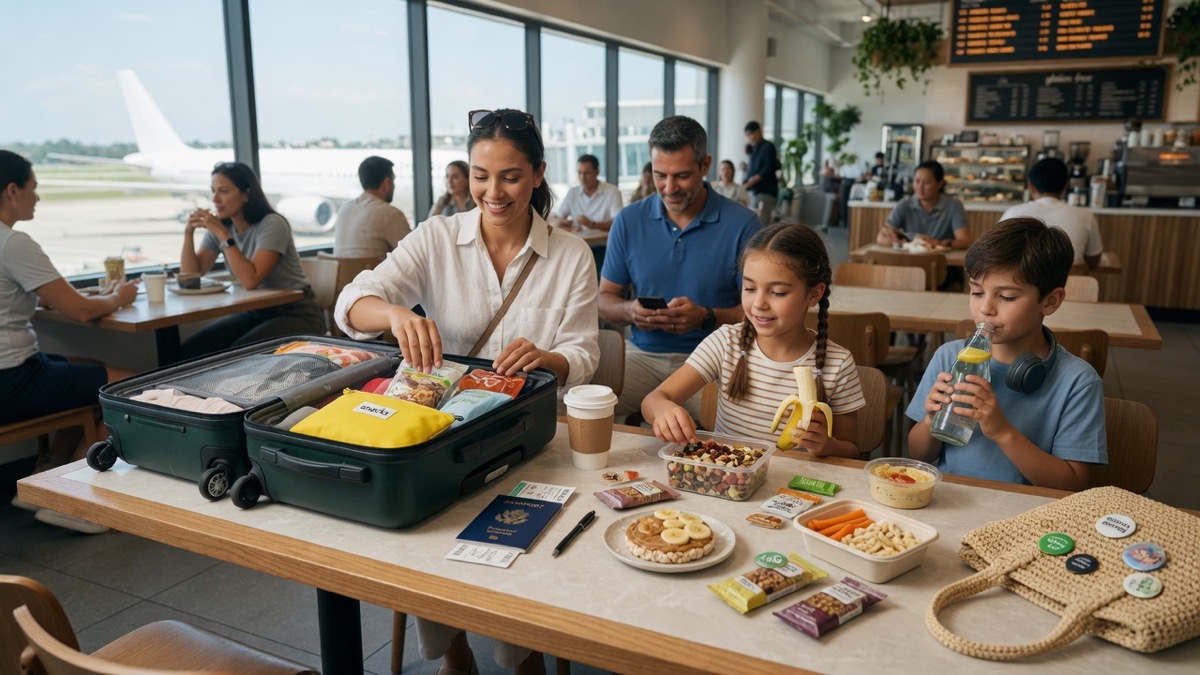
This is non-negotiable. Seriously. Your suitcase should have a dedicated snack department.
- The Essentials: GF crackers, granola bars, protein bars, individual packets of nut butter, dried fruit, nuts, and even a travel-sized bag of your favorite GF pasta. Think shelf-stable, easy-to-pack items.
- Emergency Rations: Pack enough safe food for at least 24-48 hours. What if your flight is delayed? What if you arrive late and everything is closed? Having backup food is like carrying a delicious security blanket.
- Customs & Declarations: Be aware of customs regulations for bringing food into other countries. Most pre-packaged, shelf-stable items are fine, but fresh produce or meat might be restricted. Declare everything if you’re unsure.
Medical Must-Haves: Documentation & Meds
Be prepared for the unexpected, because sometimes life throws us a curveball.
- Doctor’s Note/Prescription: Carry a letter from your doctor explaining your celiac disease or severe allergies, listing any required medications (like an EpiPen). Have it translated if you’re traveling internationally. This is also super helpful if you’re Raising Gluten-Free Children with Special Dietary Needs and need to explain their needs at camps or daycare.
- Chef Cards: These are gold! A chef card is a small card, often translated into the local language, that clearly explains your dietary restrictions (gluten, nuts, dairy, etc.) and the severity (e.g., “I have celiac disease and even a small amount of gluten will make me very ill. Please clean surfaces and use separate utensils.”). You can find templates online from celiac organizations like the Celiac Disease Foundation. Hand this to your server or chef directly.
- Emergency Medications: Always pack your EpiPen, antihistamines, digestive enzymes, or any other necessary medications in your carry-on bag. Don’t put them in checked luggage! Bring more than you think you’ll need.
On the Go: Making Smart Choices During Your Trip
The planning is done, the bags are packed. Now, let’s talk about navigating the delicious chaos of travel itself.
Planes, Trains, and Automobiles: Eating En Route
This is where your packed snacks truly shine.
- Airport & Train Stations: These places can be GF minefields. Grab pre-packaged snacks you know are safe. Avoid most food court items unless they’re a dedicated GF establishment. A simple piece of fruit or a protein bar you brought from home is always your safest bet.
- Road Trips: This is a GF traveler’s paradise! Pack a cooler with sandwiches, salads, pre-cut veggies, hummus, and plenty of safe drinks. Plan your stops around grocery stores or known GF-friendly restaurants.
- Cruises: Cruising with celiac can be fantastic, but it requires diligent communication. Call the cruise line well in advance. Meet with the head chef or maître d’ on day one. They often have dedicated GF menus and staff who are knowledgeable. Still, always carry emergency snacks.
Restaurant Revelations: Dining Out Safely
This is often the biggest hurdle, but with strategy, it becomes less daunting.
- Communicate Clearly: This is the cornerstone of safe dining. Hand over your chef card. Ask direct questions. Don’t be afraid to repeat yourself or ask to speak to the chef or manager. If they seem unsure or irritated, it’s a red flag. Thank them for their patience.
- Stick to Simple Dishes: Think grilled meats, plain baked potatoes (confirm no butter or oil with gluten), salads with oil and vinegar on the side (no croutons!), and steamed vegetables. These dishes usually have fewer ingredients, meaning fewer places for gluten to hide.
- “Naturally Gluten-Free” Doesn’t Mean Safe: Just because a dish is *naturally* gluten-free (like rice or plain chicken) doesn’t mean it hasn’t been cross-contaminated in the kitchen. Always ask about shared fryers, cutting boards, and cooking surfaces.
- Trust Your Gut (Literally): If a place feels off, or the staff seem uneducated about celiac, it’s okay to politely leave. Your health is more important than a meal.
Grocery Store Goldmines: Shopping Abroad
This is where that apartment with a kitchen pays off!
- Learn Key Labeling Terms: “Gluten-free,” “senza glutine,” “sin gluten,” “sans gluten,” “glutenfrei” – learn them for your destination.
- Look for Certified Logos: Many countries have clear GF certification logos on packaging. Seek these out!
- Stick to the Basics: Fresh fruits, vegetables, plain meats, eggs, rice, and corn products are usually safe bets. Be wary of sauces, marinades, and pre-made items unless clearly labeled. This is also particularly useful if you are Navigating Multiple Food Intolerances on a Gluten-Free Diet, as you have more control over ingredients.
Dealing with the Unexpected: Bumps in the Road
Even with the best planning, things can go awry. Knowing how to react is key.
When Contamination Happens: What to Do
It’s not if, but when, for many of us. Don’t panic. You’ve got this.
- Stop Eating Immediately: The moment you suspect contamination, put your fork down.
- Hydrate: Drink plenty of water.
- Rest & Recover: Find a comfortable place to rest. Allow your body to recover. Don’t push yourself to keep up with travel plans if you’re feeling unwell.
- Carry Your Meds: Have any prescribed medications for symptom relief (like anti-diarrheals, anti-nausea meds) readily accessible.
- Adjust Plans: Be flexible. It’s okay to cancel an activity or spend a day relaxing in your room if you need to.
Medical ID & Emergency Contacts
Crucial for severe allergies especially, but wise for everyone.
- Wear a Medical ID: A bracelet or necklace stating your condition (celiac, anaphylactic to peanuts, etc.) and emergency contact information can be a lifesaver.
- Emergency Contacts List: Have a physical list of emergency contacts, your doctor’s information, and any essential medical details stored safely, perhaps in your wallet and on your phone (even on the lock screen).
Embrace the Adventure: The Joy of GF Travel
My friend, this isn’t about limitations. It’s about freedom! The freedom to explore, to connect with different cultures, and to do it all while feeling amazing.
Yes, it takes effort. Yes, it takes planning. But every single safe meal, every successful restaurant experience, every new GF discovery on your travels builds your confidence. You’ll become a seasoned GF traveler, a guru of globe-trotting gastronomy! There’s a whole world out there waiting for you, filled with naturally GF ingredients, dedicated GF kitchens, and incredible experiences. Go forth, be brave, ask questions, and most importantly, enjoy every single delicious moment. Your journey deserves to be as safe and joyful as possible, one gluten-free adventure at a time!
And hey, if you’re looking for even more insights on living a fulfilling GF life, especially if you’re managing other health challenges, check out our comprehensive guide on Gluten-Free for Autoimmune Conditions: Beyond Celiac Disease. Knowledge is power, and knowing your body is your best travel companion.
Sources:
Celiac.com: Gluten-Free Travel Tips
Food Allergy Research & Education (FARE): Travel Tips for Food Allergies