Gluten-Free Shopping List: Avoiding Cross-Contamination & Allergens (2026)

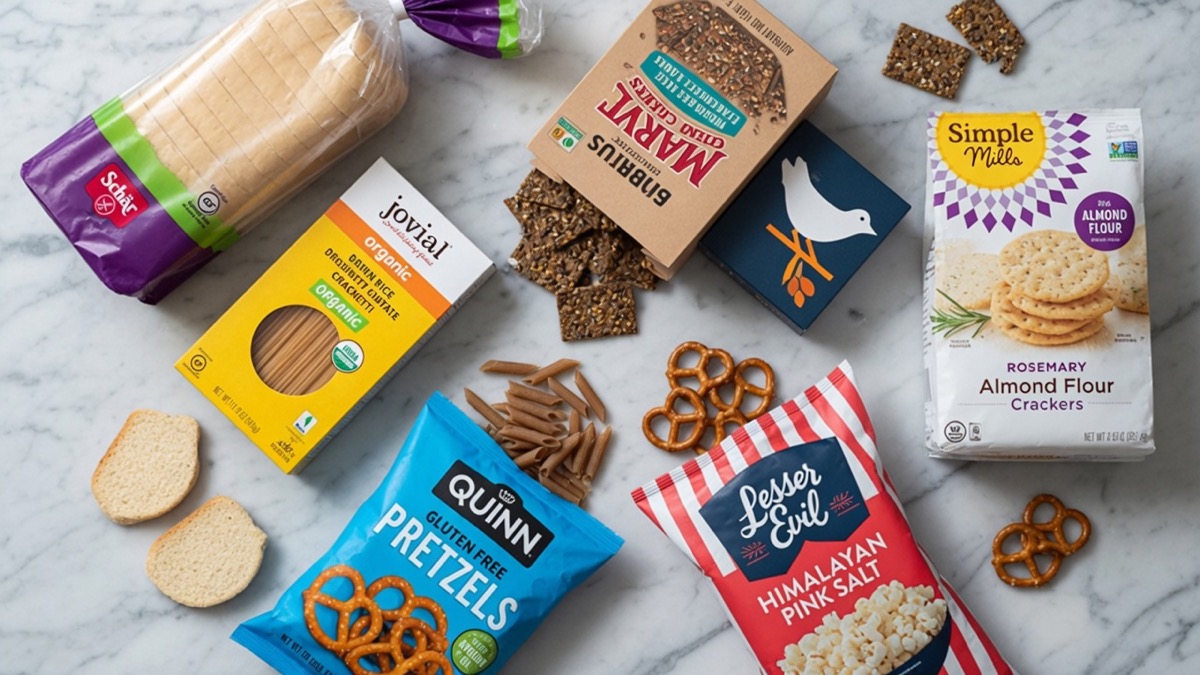
Alright, friend, let’s talk groceries. You know that feeling, right? Standing in the aisle, eyeing every package like it’s a riddle wrapped in an enigma. But guess what? Shopping gluten-free doesn’t have to be a high-stress puzzle. It’s an exciting treasure hunt, and I’m here to hand you the map. This isn’t about what you can’t have, it’s about celebrating the incredible bounty of delicious, naturally GF foods out there and becoming a total pro at making safe choices. And trust me, once you master the art of the GF grocery run, you’ll feel incredibly confident, prepared, and ready to enjoy every single meal. This is a huge step in truly thriving with Gluten-Free for Special Dietary Needs.
Think of your shopping cart as your personal chef’s pantry, ready to be filled with goodness. Our mission today? To fill that cart safely, joyfully, and without a single worry about sneaky gluten or unwanted allergens. Let’s make every trip to the store a win!
Why Your Shopping List Is Your Superpower
For those of us living a gluten-free life, especially with celiac disease or severe gluten sensitivity, every bite matters. A tiny crumb can derail your day, or even your week. It’s not just about avoiding “the bad stuff”; it’s about protecting your gut, your energy, and your overall well-being. Smart shopping isn’t just a chore, it’s a foundational act of self-care. It means less time feeling sluggish and more time enjoying life, feeling your best. So, let’s get savvy!
Before You Roll That Cart: Your Pre-Shop Prep
Success begins before you even leave the house. A little planning goes a long way, like gathering your ingredients before baking a perfect GF cake. Ready?
- Make a Master List: This is your command center. List all your staples, your meal ideas, and any new items you want to try. Organized shopping saves time and stress.
- Label Lingo Lookup: If you’re buying a new packaged product, read the label at home first. You’re calmer, you can research, and you won’t feel rushed.
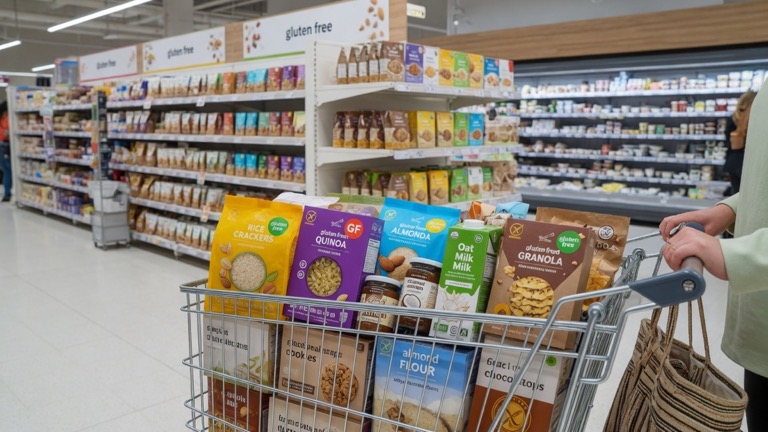
- Plan Your Route: Most stores keep fresh produce, meat, and dairy (your naturally GF allies!) around the perimeter. Hit these first. Then, venture into the aisles for certified GF packaged goods. This minimizes the chance of non-GF items contaminating your beautiful, fresh produce in the cart.
Walking the Aisles: Your Gluten-Free Radar On!
Okay, you’re in the store. Your radar is on. What are we looking for?
The “Certified GF” Seal: Your Best Friend
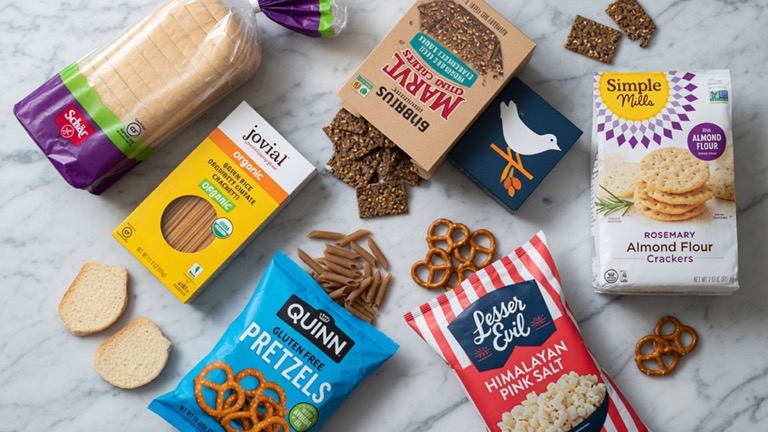
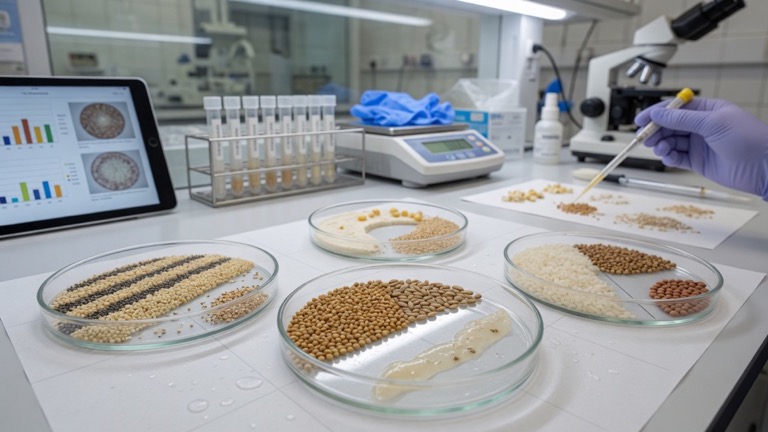
This little logo is like a golden ticket. When you see a “Certified Gluten-Free” seal (from organizations like GFCO or NSF), it means the product has been independently tested to contain less than 20 parts per million (ppm) of gluten. That’s the gold standard for safety. Grab these with confidence! It removes the guesswork. It brings peace of mind.
Ingredient Reading Like a Pro: Decoding the Details
Even without a certification seal, many products are naturally GF. This is where your label-reading skills truly shine. Scan the ingredient list for common gluten culprits:
- Wheat: This is the big one. Flour, semolina, durum, spelt, farro, couscous, einkorn, kamut. All wheat, all gluten.
- Barley: Malt (malt extract, malt syrup, malt flavoring), brewer’s yeast.
- Rye: Less common in processed foods, but still a no-go.
- Oats: Ah, oats. They’re naturally GF, but often processed on shared equipment with wheat. Always look for “certified gluten-free oats” to avoid cross-contamination.
Also, keep an eye out for “Contains:” statements that call out major allergens. If it says “Contains: Wheat,” you know to put it back. Simple, right?
The “May Contain” Warning: A Personal Choice
You’ll often see “May contain wheat” or “Produced in a facility that also processes wheat.” This is where it gets a little nuanced. For those with celiac disease or severe sensitivities, this usually means an unacceptable risk of cross-contamination. For others with less severe sensitivities, it might be a personal call. My advice? When in doubt, leave it out. Your health is worth it.
Naturally Gluten-Free Foods: Your Foundation!
These are the shining stars of your GF plate. Fill your cart to the brim!
- Fruits and Vegetables: Fresh, whole, glorious! Apples, berries, broccoli, spinach, sweet potatoes. Nature’s candy and fuel.
- Plain Meats and Poultry: Unprocessed chicken, beef, pork, fish. Just check marinades if buying pre-seasoned.
- Eggs: The incredible, edible, GF protein source.
- Dairy: Plain milk, cheese, yogurt. Again, watch for flavored varieties which sometimes add thickeners or gluten-containing ingredients.
- Legumes: Beans, lentils, chickpeas. Protein powerhouses!
- Nuts and Seeds: Almonds, walnuts, chia seeds, flax seeds. Healthy fats and crunch.
- Certified Gluten-Free Grains: Rice (brown, white, wild), quinoa, corn, certified GF oats, millet, sorghum, teff. So many delicious options!
Bulk Bins: Proceed with Caution (or Skip ‘Em!)
Oh, the lure of the bulk bin! Scoop your own oats, spices, nuts. Sounds great, right? Except for us GF folks, it’s often a big no-no. Shared scoops, dust from gluten-containing flours floating in the air, and careless customers can easily contaminate the whole bin. Unless the store has dedicated, clearly marked GF bulk bins with separate scoops, it’s usually best to buy pre-packaged versions of these items. It’s not worth the risk.
Avoiding Cross-Contamination: From Cart to Counter
Your journey doesn’t end when the groceries are in your cart. Cross-contamination can happen anywhere. Let’s tackle it:
- In Your Cart: Try to place your certified GF items, especially unpackaged produce, above or separate from any non-GF items. If someone else in your household eats gluten, a stray crumb from their bread could land on your apples.
- At Checkout: Ask the cashier to change gloves if they’ve been handling gluten-containing baked goods. Request that your GF items be bagged separately. Some stores are fantastic about this, others might need a gentle reminder.
- At Home: Once home, store your GF items in a separate pantry area or on dedicated shelves. Consider color-coded cutting boards, a separate toaster (a big one!), and clean sponges. If you’re Raising Gluten-Free Children with Special Dietary Needs, this becomes even more critical for their safety and comfort.
Beyond Gluten: Thinking About Other Allergens
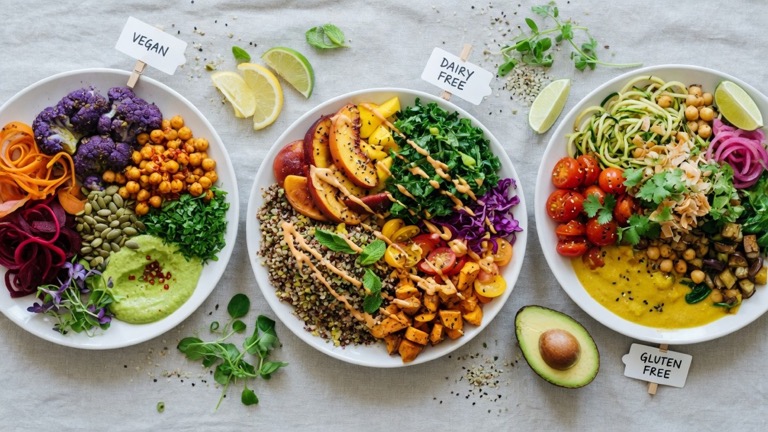
Many people managing gluten sensitivity also have other food sensitivities or allergies (dairy, nuts, soy, eggs). Your label-reading skills are doubly important here. The same “Contains:” statement that flags wheat will also flag other major allergens, thanks to food labeling laws like the Food Allergen Labeling and Consumer Protection Act (FALCPA) in the US. Always read carefully. This is a crucial habit, making you the ultimate protector of your plate. For instance, sometimes a product might be GF but contain dairy, which could be an issue if you’re managing symptoms for conditions like Gluten-Free & Endometriosis: Reducing Inflammation & Symptoms, where dairy can also be inflammatory.
According to the U.S. Food and Drug Administration (FDA), there are nine major food allergens that must be clearly declared on food labels. These include milk, eggs, fish, shellfish, tree nuts, peanuts, wheat, and soybeans, with sesame recently added to the list. Knowing these helps you scan quickly for what you need to avoid.
Your Handy Gluten-Free Shopping Checklist
Here’s a quick-hit table to keep in mind on your next shopping adventure:
| Shopping Step | GF Pro Tip! |
|---|---|
| Before You Go | Plan meals, make a detailed list, check new product labels online. |
| In the Store | Prioritize naturally GF perimeter items (produce, meat, dairy). |
| Label Reading | Look for “Certified Gluten-Free” seals first. Read ALL ingredient lists. |
| What to Avoid | Wheat, barley, rye, malt, brewer’s yeast. Beware of non-certified oats. |
| “May Contain” | Consider this a red flag for celiac disease or severe sensitivities. |
| Cross-Contamination | Separate GF items in cart and bags. Ask cashier to change gloves. |
| Bulk Bins | Generally avoid unless certified GF and separate from all others. |
| Other Allergens | Check “Contains:” statements for all your specific needs. |
Embrace the Delicious Journey!
See? It’s not about restriction. It’s about knowledge, choice, and empowerment. Once you build these habits, GF shopping becomes second nature. It’s truly amazing how many naturally gluten-free foods are waiting for you, bursting with flavor and nutrition. You’ll discover new favorites, create incredible meals, and feel fantastic doing it. This journey is about nurturing yourself, and it all starts with a smart, safe trip to the grocery store.
Remember, you’re not alone in this! There’s a whole community out there supporting joyful, confident GF living. So go forth, my friend. Shop smart, eat well, and enjoy every single delicious, worry-free bite. If you’re making gluten-free school lunches, for example, these shopping principles are absolutely essential to keep those lunchboxes safe and yummy!