Gluten Ataxia: Understanding Neurological Symptoms & GF Diet Impact (2026)

Hey there, wonderful GF fam! Let’s talk about something incredibly important today, a topic that reminds us just how deeply our food choices can impact our entire body, especially our amazing brains. We’re diving into a condition called Gluten Ataxia. If you’ve ever felt a little wobbly or wondered if gluten could be doing more than just giving you a tummy rumble, this post is for you. It’s about understanding neurological symptoms and the powerful, positive impact of a gluten-free diet. Because knowledge is power, and when it comes to living your best GF life, we want you feeling confident and in control, whether you’re navigating Gluten-Free for Special Dietary Needs or just curious about the wider world of gluten’s effects.
So, let’s get down to business. Imagine your body is a super finely-tuned sports car. Every part needs to work in harmony, especially the steering and suspension systems that keep you stable and on track. Gluten ataxia is like someone’s thrown a mischievous wrench into that precision machinery. It messes with your body’s internal GPS, causing a serious loss of coordination and balance.
What Exactly Is Gluten Ataxia? It’s Not Just a Tummy Ache, Folks!
When most people hear “gluten,” they think of Celiac disease or Non-Celiac Gluten Sensitivity (NCGS), often focusing on gut issues like bloating or stomach pain. And yes, those are absolutely real and challenging. But sometimes, gluten plays a different, more surprising trick on the body. Gluten ataxia is an autoimmune disorder. This means your immune system, which is supposed to protect you from invaders like viruses and bacteria, gets a little confused. Instead of just attacking gluten proteins, it mistakenly starts attacking parts of your own nervous system. Specifically, it often targets your cerebellum, the brain’s control center for movement and balance. Your body attacks itself. Wild, right?
This isn’t just a quirky side effect. It’s a significant neurological condition. And for those affected, understanding this connection is a game-changer.
When Your Body Does a Little Wobble Dance (But Not the Fun Kind): Recognizing the Signs
So, what does this “mischievous wrench” feel like? The symptoms of gluten ataxia can vary, but they all boil down to issues with coordination and balance. Think of it like this:
- Unsteady on Your Feet: You might feel clumsy, frequently trip, or have trouble walking in a straight line. It’s often described as similar to being intoxicated, even when you haven’t had a drop to drink.
- Speech Struggles: Your words might come out slurred or jumbled, making it hard to communicate clearly. This is called dysarthria.
- Vision Quirkiness: Some people experience jerky eye movements (nystagmus) or double vision, making it hard to focus.
- Fine Motor Fumbles: Everyday tasks like buttoning a shirt, writing, or even eating with utensils can become surprisingly difficult. Imagine trying to thread a needle with shaky hands.
- Difficulty Swallowing: For some, coordination issues can even affect the muscles used for swallowing.
These symptoms can appear gradually. They might worsen over time. It’s crucial to pay attention to these signals. Don’t brush them off as just “getting older” or being “a bit clumsy.”
The Gluten Connection: Your Immune System’s Confused Signals
The science behind gluten ataxia is fascinating, albeit a bit complex. Here’s the simplified version: when you eat gluten, your immune system produces antibodies to fight it. In some people, these antibodies aren’t just gluten-specific; they “cross-react” with proteins found in your brain’s cerebellum. It’s like a faulty security system that mistakes a friendly neighbor for a burglar. The attack causes damage to those precious brain cells, leading to the ataxia symptoms.
This is why gluten ataxia is considered a distinct neurological manifestation of gluten sensitivity. It’s not Celiac disease, even though a significant percentage of people with gluten ataxia also have Celiac disease. And it’s not NCGS, though there’s overlap in the immune response. It’s a specific assault on the brain. This is why getting a proper diagnosis is so vital. Doctors will typically look for specific antibodies in your blood, perform neurological exams, and sometimes even conduct MRI scans of your brain to look for cerebellar atrophy (shrinkage).
Early diagnosis? Absolutely key. The sooner you identify the problem, the sooner you can address it and potentially prevent further damage. It’s like catching a leaky pipe before it floods your whole kitchen!
The GF Diet: Your Brain’s Best Friend and Ultimate Protector
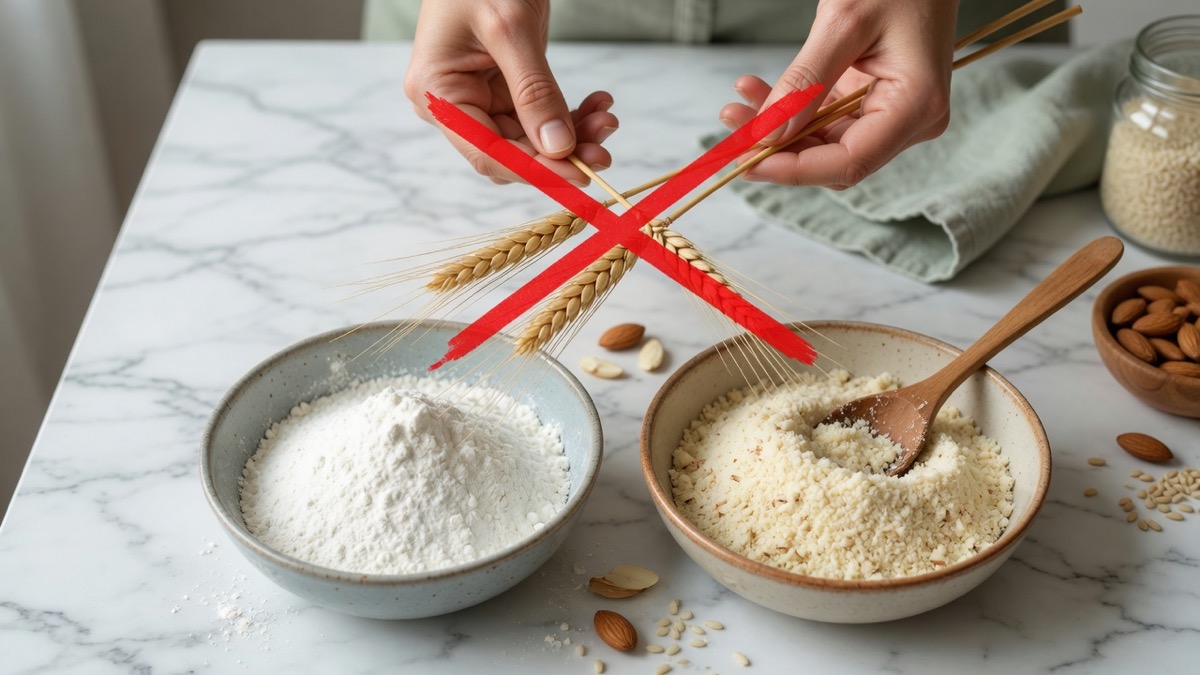
Now, for the empowering part: the solution for gluten ataxia is clear and, frankly, incredibly powerful. It’s a lifelong, absolutely strict gluten-free diet. This isn’t just about feeling better; it’s about protecting your brain. By removing gluten from your diet, you stop the immune system’s attack on your cerebellum. You essentially cut off the supply line to the confused immune cells, allowing your brain a chance to heal and, importantly, preventing further damage.
Think of it like this: if your car’s engine is misfiring because of bad fuel, you don’t just hope for the best. You switch to the right fuel! For gluten ataxia, the gluten-free diet is that right fuel. And we’re not talking about a “mostly” gluten-free diet. This is a zero-tolerance situation. Even tiny amounts of gluten can trigger that harmful immune response, causing those precious brain cells to continue to suffer.
Many individuals with gluten ataxia experience significant improvement in their neurological symptoms once they commit to a strict GF diet. Some see their coordination improve, their speech clear up, and their overall quality of life return. While it may not reverse all damage, especially if the condition has progressed for a long time, it can certainly halt progression and often lead to remarkable recovery. This unwavering commitment is similar to Living Gluten-Free with Celiac Disease: Essential Tips & Strategies, where strict adherence is also non-negotiable for health.
Navigating the GF World: Delicious Choices Await!
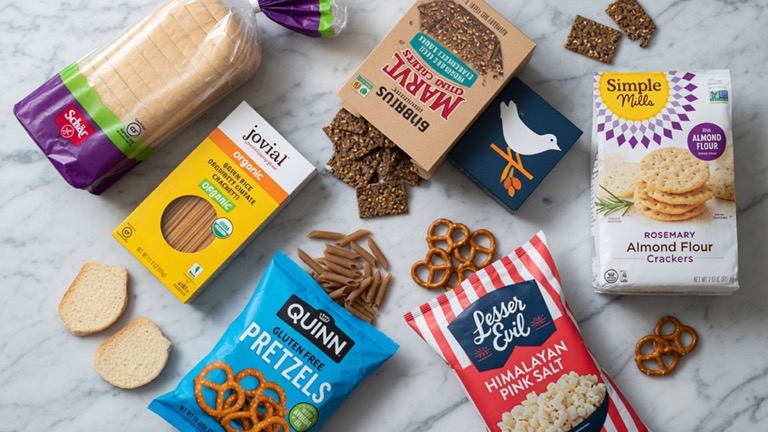
Living strictly gluten-free might sound daunting at first, especially when you’re dealing with a serious diagnosis like ataxia. But here’s the good news: the GF world in 2026 is an absolute paradise of delicious options! We have incredible gluten-free breads, pastas, snacks, and treats that taste amazing. It’s not about what you *can’t* eat; it’s about the abundance of wonderful, naturally GF foods and excellent GF alternatives.
Here are some friendly tips to make your GF journey smooth and delicious:
- Embrace Whole Foods: Fruits, vegetables, lean proteins, nuts, seeds, and legumes are naturally gluten-free and packed with nutrients. Build your meals around these powerhouses.
- Read Labels Like a Detective: Gluten can hide in unexpected places. Always check ingredient lists for wheat, barley, rye, and malt.
- Guard Against Cross-Contamination: This is especially critical for neurological conditions. Use separate cutting boards, toasters, and cooking utensils if you share a kitchen with gluten-eaters. A tiny crumb can be a big problem.
- Find Your GF Favorites: Experiment with different GF brands and recipes. There’s a whole world of delicious GF discoveries waiting for you!
- Connect with Support: Join online communities or local groups. Sharing experiences and tips makes the journey easier and more fun.
Working closely with a healthcare team is paramount. This includes a neurologist, a registered dietitian specializing in gluten-free diets, and possibly physical or occupational therapists to help with symptom management and rehabilitation. They are your allies in this journey.
Hope and Healing: The Future is Bright (and GF!)
For those diagnosed with gluten ataxia, the gluten-free diet is more than just a diet; it’s a lifeline. It’s the most powerful tool we have to manage the condition, stop its progression, and improve neurological function. While every individual’s journey is unique, the potential for significant improvement and a higher quality of life is truly inspiring.
Remember, you are not alone in this. The GF community is strong, supportive, and full of incredible resources. Understanding conditions like gluten ataxia helps us all advocate for ourselves and others, pushing for better awareness and diagnostics. The more we learn about how gluten impacts our bodies, the more confident and joyful we become in our GF choices.
So, keep exploring those delicious GF recipes, keep asking questions, and keep living your vibrant, coordinated, gluten-free life! If you’re grappling with new or worsening neurological symptoms, please, reach out to your doctor. Early detection and intervention are always your best friends.
For more detailed information on neurological symptoms and diagnosis, you can check out this resource: Wikipedia: Gluten Ataxia. And for an in-depth look at research, this academic paper offers valuable insights: Neurological Manifestations of Gluten Sensitivity.
Stay strong, stay informed, and always remember the power of a plate full of amazing, naturally gluten-free goodness!