Managing Gluten Cross-Contamination in a Shared Living Space (2026)

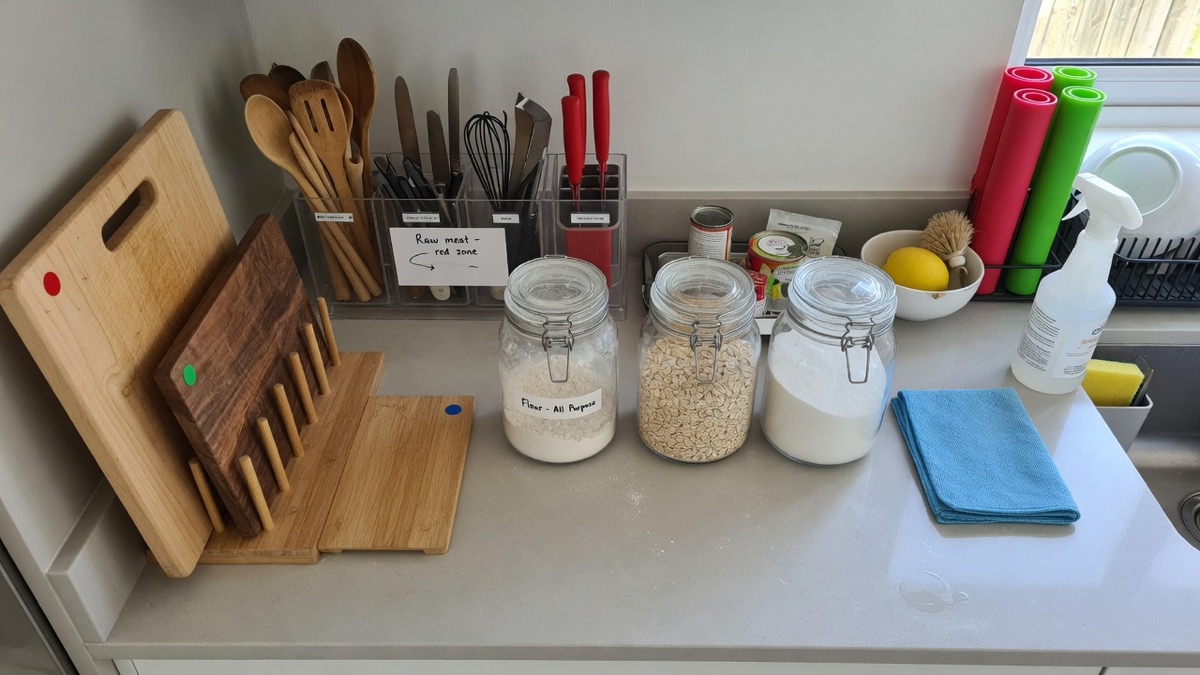
Hey there, GF friend! Let’s chat about something super important, especially if you share your pantry, your fridge, or even just your kitchen counter with others. We’re talking about managing gluten cross-contamination in a shared living space. It sounds like a big, scary monster, right? Like trying to keep glitter out of your house once it’s been opened. Impossible! But trust me, it’s not. With a little planning and some friendly chats, you can absolutely create a safe, delicious environment for your gluten-free lifestyle, even when you’re not the only chef in the house. This isn’t about deprivation; it’s about smart choices and joyful eating. If you’re looking for a deeper dive into the general principles, check out our guide on Preventing Gluten Cross-Contamination, but today, we’re getting specific about living with others.
So, what exactly is “cross-contamination” in our gluten-free world? Simply put, it’s when gluten-containing ingredients or crumbs accidentally transfer to your safe, GF food. Think of it like a tiny crumb from a regular bagel finding its way onto your gluten-free toast. Or a shared cutting board that just prepped a wheat-flour pizza now being used for your GF veggies. For us, even a minuscule amount (we’re talking parts per million, smaller than a grain of sand) can cause issues. It’s why awareness is so incredibly powerful. This isn’t about being overly dramatic; it’s about protecting your health and feeling your best.
The Golden Rule: Communication is Your Kitchen’s Best Friend
Before you even think about organizing your cupboards, you need to talk. Whether it’s your roommates, your family, or your significant other, a clear, calm conversation is your first, most impactful step. Don’t assume they understand. They probably don’t know the difference between “gluten-free” and “low-carb.” And that’s okay! Most people want to be helpful, they just need a little guidance.
- Explain Simply: Start by explaining *why* it matters to you. “Hey, I need to be really careful about gluten because even a little bit makes me sick.” Or, “For my health, I need to avoid gluten entirely.” Keep it brief and focused on how it affects *you*.
- Focus on Solutions: Instead of listing all the things they *can’t* do, suggest simple solutions. “Could we get a separate toaster for my GF bread?” Or, “Would you mind cleaning the counter before I prep my food?”
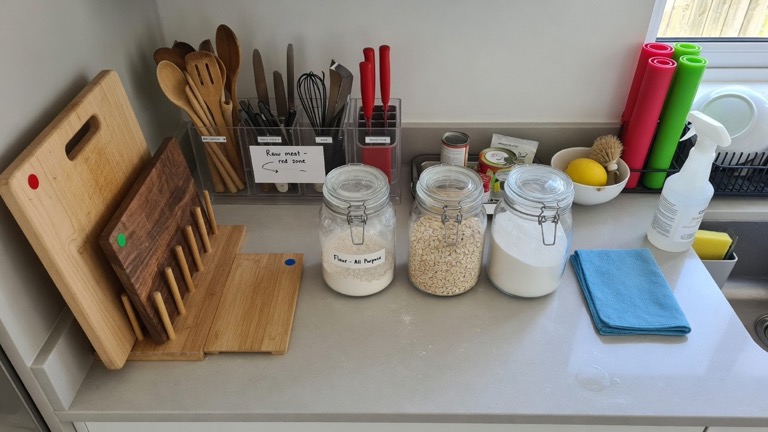
- Walk Them Through: A quick kitchen tour can work wonders. Point out the “safe” areas, show them your dedicated items. Visuals stick better than lectures.
Remember, this isn’t about blame. It’s about collaboration. You’re building a team to keep your kitchen a happy, safe space. Most people are happy to help once they understand.
Establishing Gluten-Free Zones and Storage
Alright, let’s get down to brass tacks: setting up your kitchen. This is where you claim your territory, in the best possible way. Think of your kitchen like a mini-supermarket, and you need your own dedicated aisles.
Designated Pantry & Fridge Space
This is probably the easiest win. Can you dedicate a specific shelf in the pantry just for your GF goodies? Maybe the top shelf, to prevent crumbs from falling onto your food from above. A clear plastic bin or basket works wonders too. Label it “GF” or use a fun sticker. Do the same for a section of the fridge. This way, everyone knows where your stuff lives and, more importantly, where to *not* put their regular bread or pasta. Having a designated area makes everyone’s life easier. You might even consider checking out our guide on Dedicated Gluten-Free Zones: Creating Safe Spaces in a Shared Kitchen for more ideas.
Dedicated Appliances & Tools
Some items are absolute must-haves for your GF journey in a shared space.
- Toaster: This is non-negotiable. A dedicated GF toaster is the gold standard. A single crumb from a wheat bagel can contaminate your GF bread. If a separate toaster isn’t feasible, consider toaster bags (reusable, heat-resistant bags for your bread).
- Cutting Boards: Get your own! A different color is fantastic. Maybe a bright blue board just for you. This instantly signals “GF ONLY.” This is so important, we even wrote a whole post about it: Utensils & Cutting Boards: Preventing Cross-Contamination in the Kitchen.
- Colanders: If pasta is a frequent flyer in your shared kitchen, a separate GF colander is a smart move. Pasta water can be a source of gluten.
- Sponge/Dishcloth: Have a GF-only sponge or cloth. It prevents gluten particles from dishwashing from transferring to your GF items. A brightly colored one (like yellow or pink) works well.
For items like ovens and microwaves, you can absolutely share them. Just be smart. For ovens, use parchment paper or aluminum foil under your GF items. This creates a barrier. For microwaves, a quick wipe-down before you use it is a good habit.
Cooking Strategies: Prepping for Success
When multiple people are cooking, it can feel like a culinary dance. But you can choreograph it for GF safety.
Timing is Everything
Cook your GF meal *first*. This sounds simple, but it means you get first dibs on clean counters, clean sinks, and fresh air before gluten-containing ingredients fly around. Prep your ingredients, cook your meal, and plate it. Then, the kitchen is free for others to work their magic.
Shared Pots & Pans (with caution)
Ideally, you have your own dedicated set. But if not, a *thoroughly* cleaned pot or pan can work. We’re talking scrubbed with your GF sponge, rinsed well, and dried. Avoid using non-stick pans that have been scratched, as gluten particles can hide in those tiny crevices. Stainless steel or cast iron (if properly seasoned) are often easier to clean effectively.
Condiments & Spreads
This is a sneaky one! Think about that jar of peanut butter or mayo. Does someone dip a knife into it after spreading gluten bread? Instant contamination. The best solution? Get your own. Or, for things like mustard or mayo, squeeze bottles are your best friend. They prevent utensil-dipping disasters. Always double-check labels, too. Even some condiments can contain hidden gluten.
Dining Together: Making Meals Enjoyable for Everyone
Eating together is a huge part of shared living. Don’t let GF restrictions take the joy out of it.
Serving Smart
If you’re serving a meal buffet-style, ensure GF dishes are clearly marked and placed at the beginning of the line. This prevents people from accidentally cross-contaminating GF items with serving spoons that have touched gluten foods. Use separate serving utensils for every dish. A great trick: always dish your food first, before anyone else starts serving.
Surface Safety
Wipe down dining tables and other shared surfaces before eating. Crumbs travel! A quick swipe with a clean cloth or disinfectant wipe ensures a safe eating space for your plate.
Living Beyond the Kitchen (Just a Quick Thought)
While the kitchen is the main battleground, remember that hands touch everything. Encourage good handwashing habits for everyone, especially before and after handling food. It’s a simple step that makes a huge difference. Think about shared snack bowls (maybe popcorn?) – if hands are diving in after handling gluten crackers, it’s a no-go for you. Small individual bowls are often a safer bet.
The University of Chicago Celiac Disease Center emphasizes the importance of understanding celiac disease not just for the individual, but for their household, highlighting that “education is key for family members and friends.” Their resources often touch on household management, reinforcing that communication and clear guidelines prevent issues. Similarly, organizations like the Celiac Disease Foundation provide specific guidelines for preventing cross-contact at home and when dining out, stressing that “small amounts of gluten can be harmful.” They offer practical tips for shared kitchens, including designated areas and separate tools, which aligns perfectly with our friendly advice.
You’ve Got This!
Managing gluten cross-contamination in a shared living space might seem like a lot of rules at first. But really, it boils down to communication, smart organization, and a few dedicated items. It’s about being proactive, not paranoid. When you approach it with a positive attitude and offer solutions, you’ll find that most people are more than willing to help you live your best, most delicious gluten-free life.
You’re not just surviving; you’re thriving! So, grab your GF ingredients, pick out your favorite colored cutting board, and get cooking. Your GF journey in a shared home is totally doable, and utterly delicious.
Quick Gluten-Free Shared Kitchen Checklist:
- Talk to housemates/family about your GF needs.
- Designate a GF shelf or container in the pantry.
- Claim a GF space in the fridge.
- Invest in a dedicated GF toaster or toaster bags.
- Get your own clearly marked cutting board.
- Use a GF-only sponge/dishcloth.
- Cook your GF meal first, using clean surfaces.
- Use squeeze bottles for shared condiments when possible.
- Wipe down shared cooking surfaces (like oven racks) or use parchment/foil.
- Practice excellent handwashing.