Setting Up a Gluten-Free Kitchen: A Beginner’s Guide (2026)

Hey, friend! So, you’ve decided to embrace the wonderful world of gluten-free eating, huh? Maybe it’s a new diagnosis, a family member’s needs, or just a desire to feel fantastic. Whatever your reason, welcome! You’re stepping into a vibrant community filled with incredible flavors and endless possibilities.
Now, you might be looking at your kitchen, feeling a little overwhelmed. A new diet often feels like a puzzle. But setting up a truly safe and delicious GF kitchen? It’s not a mountain to climb. Think of it more like reorganizing your favorite spice rack. A little strategy, a dash of know-how, and suddenly everything makes sense. The key, the absolute foundational rock, is understanding and preventing gluten cross-contamination. It sounds serious, and it is for those of us who react to gluten, but it’s totally manageable once you know the ropes.
Cross-contamination is basically gluten getting where it doesn’t belong. Picture it: tiny, invisible crumbs from a regular bagel clinging to your toaster. Flour dust from a conventional bread recipe floating onto your “safe” counter. It’s like glitter, but way less fun when it comes to your gut health. But don’t you worry, because I’m here to walk you through exactly how to banish that sneaky gluten dust for good.
Your Grand Kitchen Reset: The Big Clean-Up
Before you even think about buying new GF goodies, let’s talk clean. This is step one, non-negotiable, high-five-worthy clean. You’re essentially hitting the reset button on your culinary space.
* **Deep Clean Everything:** Wipe down every surface. Counters, inside cabinets, drawers, walls around the stove. Give your oven and microwave a good scrub. Gluten can hide everywhere, clinging to surfaces like a tiny culinary ninja.
* **Dishwasher Dive:** If you have a dishwasher, run it empty on a hot cycle with a good detergent. This helps clear out any lingering gluten particles. If you handwash, make sure your sponges are new. Seriously, old sponges are gluten magnets.
* **Ditch the Porous Culprits:** This is important. Wooden cutting boards, wooden spoons, and plastic utensils (especially if scratched) can absorb gluten. If they’ve been used for gluten-containing foods, it’s best to replace them. They’re like sponges that hold onto secrets.
* **Air it Out:** Let your kitchen breathe after the big clean. A fresh start for fresh, GF food.
Dedicated Gear: Your Gluten-Free Toolkit
Some kitchen tools need to be exclusive. They’re your personal GF bodyguards. While you don’t need to replace *everything*, certain items are notorious for trapping gluten.
The Non-Negotiables: New & Dedicated Only
* **Toaster or Toaster Oven:** This is probably the biggest cross-contamination culprit. Bits of gluten-filled bread crumble and stick inside. Trust me, you need a dedicated GF toaster. No sharing. Ever.
* **Cutting Boards:** One side for gluten, one side for GF is a bad idea. Gluten residue can easily transfer. Get a bright, new cutting board specifically for your GF foods. Maybe choose a distinctive color (like blue or green) so you always know which one is safe.
* **Colanders/Sieves:** These have tiny holes perfect for trapping minuscule gluten particles. Replace your old ones for GF-only use, or at least dedicate one new one just for rinsing your safe grains and veggies.
* **Wooden Spoons & Plastic Utensils:** As mentioned, porous materials can hold onto gluten. Invest in a fresh set of wooden spoons, plastic spatulas, or silicone utensils that have never touched gluten. Stainless steel or glass items are generally fine after a thorough wash.
* **Baking Sheets & Pans:** If you’re a baker, dedicated GF baking sheets can save you stress. While metal pans can be washed clean, repeated high-heat exposure with gluten crumbs can sometimes bake them onto the surface. Lining pans with parchment paper is always a smart move.
Items You Can Share (With Caution)
* **Pots & Pans:** Most metal, ceramic, or glass pots and pans are fine after a thorough washing with hot, soapy water. Just ensure there are no scratches where gluten can hide.
* **Blenders/Food Processors:** These are generally okay after a deep clean. Disassemble all parts and wash them thoroughly.
* **Oven:** Your oven is usually safe. High heat destroys gluten proteins. Just make sure to clean up any spills or crumbs inside before baking GF items.
Storage Savvy: Keeping Gluten Separate
This is where the magic happens for preventing accidental gluten encounters. Organization is your friend.
* **Designate a GF Zone:** If you live in a shared kitchen, carve out a specific shelf or cupboard as your dedicated gluten-free zone. This is your safe haven. All your GF flours, pasta, bread, and snacks live here.
* **High Shelves for Gluten-Free:** If possible, store your GF items on higher shelves. This prevents crumbs from regular items (like flour or crackers) from falling down onto your safe food. Think of gravity as your ally!
* **Airtight Containers are Your Best Friends:** Gluten-free flours, especially, need to be stored in airtight, clearly labeled containers. This isn’t just about freshness; it’s about keeping them safe from airborne flour dust from wheat-based products.
* **Label, Label, Label:** When in doubt, label. Use a permanent marker on containers. “GF Flour,” “GF Oats,” “GF Pasta.” No guesswork allowed.
* **Condiment Control:** Shared jars of mayonnaise, mustard, peanut butter, or cream cheese are cross-contamination hotspots if someone dips a gluten-filled knife into them. Consider having your own GF versions, or use squeeze bottles when possible.
Cooking & Baking with Confidence: Everyday Habits
You’ve got your clean kitchen, your dedicated tools, and your organized pantry. Now let’s talk about the actual cooking.
* **Read Every Label, Every Time:** Ingredient lists can change. “Gluten-free” labels are your most important tool. Look for certified GF seals if you can. Hidden gluten can pop up in unexpected places like soy sauce (unless tamari), spice blends, and even some processed meats. It’s like a delicious treasure hunt!
* **Clean As You Go:** Before you start cooking, wipe down your counter. Clean your hands. Use fresh cloths or paper towels. It’s a simple habit that makes a huge difference.
* **Order of Operations:** If you’re cooking for both gluten-eaters and GF-eaters, prepare the GF meal first. That way, your surfaces and tools are pristine.
* **Separate Oils for Frying:** This is a big one. If you’re frying anything gluten-containing (like breaded chicken or tempura), that oil becomes contaminated. If you reuse oil, make sure you have a dedicated GF frying oil. Seriously, shared frying oil is a major risk.
* **Don’t Share the Water:** When boiling pasta, use separate pots and fresh water for GF pasta. The starchy water from regular pasta can easily cross-contaminate.
Embrace the Abundance!
Alright, deep breath. You’ve got this. Setting up a GF kitchen might sound like a lot, but it quickly becomes second nature. Think of it less as a restriction and more as an exciting culinary adventure. You’ll discover new grains, explore different cuisines, and become a master of safe, delicious cooking.
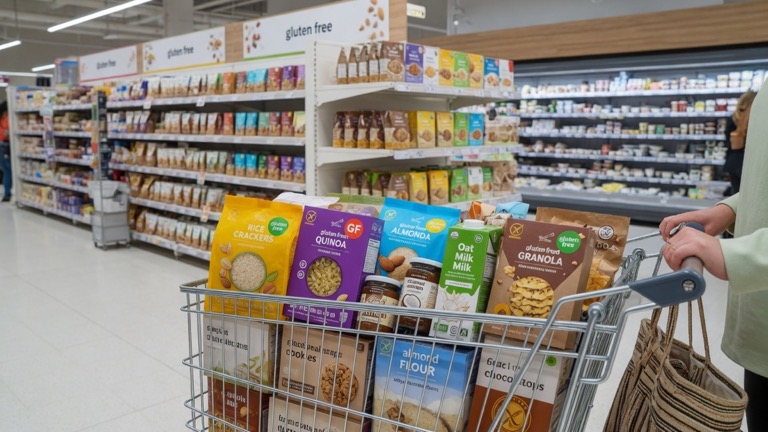
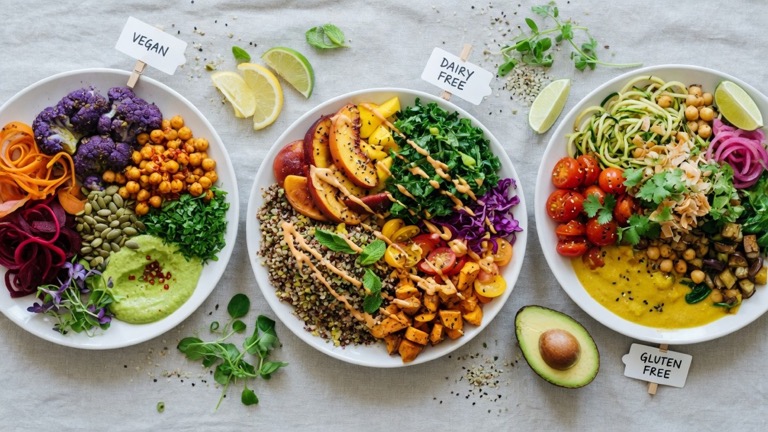
The GF world is booming with incredible products now. Amazing breads, pastas that truly hold their own, and a plethora of natural, inherently GF foods like fruits, vegetables, lean proteins, and ancient grains. This isn’t about what you *can’t* eat; it’s about the delicious, vibrant, and healthy world you *can* enjoy.
Remember, you’re not alone on this journey. There’s a whole community of joyful GF eaters cheering you on. So go forth, clean that kitchen, stock those shelves, and get ready to create some truly amazing, worry-free meals!
For more detailed information on gluten and celiac disease, check out resources like the Celiac Disease Foundation (celiac.org) or the National Institute of Diabetes and Digestive and Kidney Diseases (niddk.nih.gov).
And if you ever feel unsure about gluten lurking, just remember, knowledge is power. You’re building a kitchen that’s not just safe, but a place of incredible culinary freedom. Now, what delicious GF meal are you going to make first?