Organizing Your Gluten-Free Kitchen: Pantry & Prep Tips (2026)

Organizing Your Gluten-Free Kitchen: Pantry & Prep Tips
Welcome, fellow food lovers! Pull up a chair. There’s nothing quite like the satisfaction of creating delicious, safe meals right in your own kitchen. It’s where the magic happens, where gluten-free dreams come true. But let’s be honest, stepping into the world of GF cooking can sometimes feel like navigating a maze, especially if you’re new to it or sharing a kitchen with gluten-eaters. The fear of accidental gluten exposure, also known as cross-contamination, can cast a shadow on the joy of cooking. You might wonder, “How do I keep everything truly safe?” Or, “Where do I even begin?”
Relax. Take a deep breath. I’ve been there, and I’m here to tell you that transforming your kitchen into a stress-free, gluten-free sanctuary is totally doable. It’s not about limitation; it’s about smart organization and clear intention. Think of it as setting up your personal culinary command center. A place where every ingredient and tool works in harmony to bring you pure, unadulterated GF goodness. This isn’t just about avoiding gluten; it’s about embracing a lifestyle where every meal is a celebration of flavor and safety. Ready to conquer your kitchen? Fantastic! We’re going to dive into practical, real-world tips for organizing your pantry and perfecting your prep, making your home a haven for delicious Living Gluten-Free: Lifestyle & Travel.
Your Pantry Power-Up: Creating a GF Zone
Your pantry is the heart of your kitchen. It’s where all the good stuff lives. For a gluten-free household, it needs to be a fortress of flavor, safe from accidental gluten incursions.
First things first: understand cross-contamination. This is simply when gluten-containing crumbs or particles get into your GF food. We’re talking flour dust, stray pasta bits, or crumbs from a regular cookie. It’s often invisible, sneaky even. So, proactive steps are key.
* Designate a Dedicated Space: This is non-negotiable if you share a kitchen. Clear out a shelf, a cupboard, or even a drawer that is *only* for GF items. Label it if you need to! This creates a visual boundary.
* Think High, Not Low: If shelves are shared, always store your gluten-free ingredients on upper shelves. Gravity is a thing. Gluten-containing flours, bread, and snacks can easily shed crumbs downwards onto your precious GF goods.
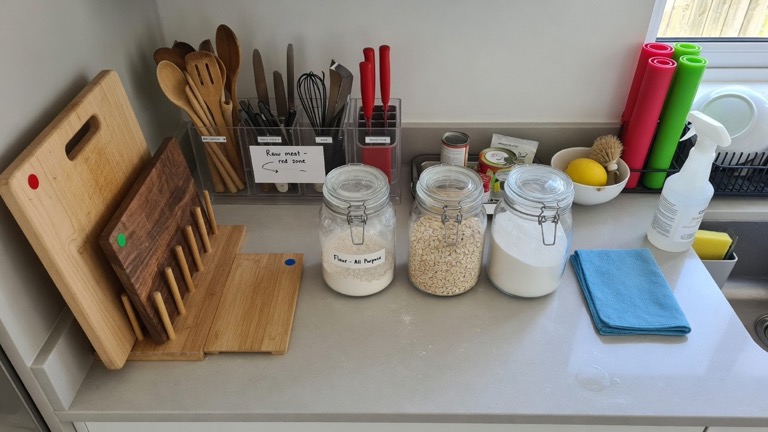
* Airtight is Right: Invest in good, clear, airtight containers. Seriously. These are your best friends. They protect against moisture, pests, and, most importantly, airborne gluten dust. Transfer GF flours, oats, pasta, cereals, and baking mixes into these containers immediately after purchase. Label them clearly. “GF All-Purpose Flour” or “GF Oats” prevents any mix-ups.
* Stock Smart: What are your GF staples? Rice flours, tapioca starch, almond flour, GF pasta, corn tortillas, gluten-free oats, safe spices, canned goods, and dedicated GF sauces. Keep these on hand. This makes meal prep a breeze.
* Separate the Spreads: Jars of peanut butter, jam, or butter can become unwitting gluten transporters if someone dips a glutinous knife into them. Consider having separate spreads or using squeeze bottles for shared items. This small change makes a huge difference.
Regarding GF flours, they aren’t all created equal. You have a spectrum of flavors and textures. Rice flour is neutral, great for general baking. Tapioca starch provides chewiness. Almond flour gives richness and moisture. Keep them cool, dry, and sealed tight. Many GF flours benefit from fridge or freezer storage, extending their freshness and keeping them safe from rancidity (especially nut flours).
Prep Zone Perfection: Tools & Surfaces
Okay, pantry sorted. Now, let’s talk about the action zone: your countertops, cutting boards, and cooking tools. This is where most cross-contamination tends to happen without us even realizing it.
* Cutting Boards: This is a big one. Porous materials like wood or bamboo can trap gluten particles. So, if you’re sharing, please have at least one brightly colored cutting board that is *only* for GF use. A distinct color, like bright green, screams “GF ONLY!” Wash it thoroughly after every use.
* Countertop Ritual: Before you even think about putting GF food down, wipe your countertops. A clean cloth and a good spray cleaner will do the trick. You’re clearing away any stray crumbs from shared toast or gluten-containing sandwiches.
* The Toaster Takedown: This is a classic gluten trap. A shared toaster is a no-go. Period. Those little heating elements bake gluten crumbs right into every slice. Get a dedicated GF toaster. Or, use toaster bags in a shared toaster. These bags are small, reusable pouches that contain your GF bread, protecting it from crumbs.
* Spatulas, Spoons, and Strainers: Wooden spoons and plastic spatulas can absorb gluten over time. Consider replacing well-used ones with new, dedicated GF versions, especially if they are porous. Metal utensils are easier to clean and generally safer. As for colanders and strainers, the tiny holes can trap gluten. Again, a dedicated GF one or a very thorough wash (or even a dishwasher cycle) is crucial.
* Cookware Check: Non-stick pans are generally fine as long as they are washed properly. Cast iron, however, is porous. If a cast iron pan has been “seasoned” with gluten-containing oil or cooked with gluten extensively, it might be best to dedicate a new one for GF use, especially if you’re highly sensitive.
Think of your prep as a dance. You’re moving with purpose, cleaning as you go, and always being mindful of your GF zone.
Smart Shopping & Stocking for GF Confidence
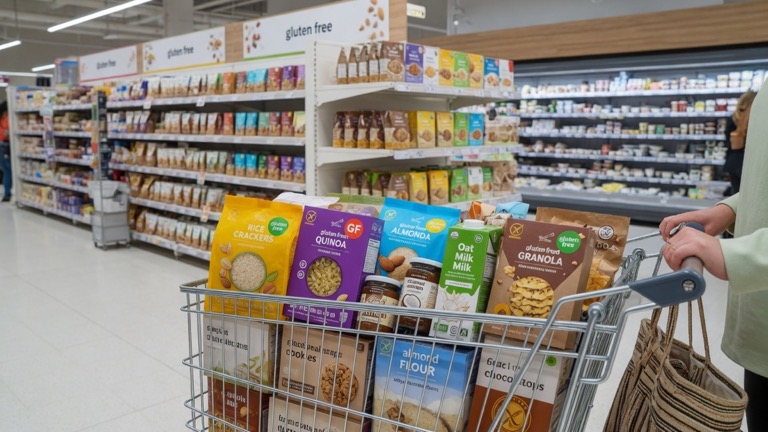
Mastering your kitchen starts at the grocery store. This is where you become a label-reading detective, a savvy shopper, and a GF guru.
* Read Labels Like a Pro: Don’t just glance. Read the ingredients list *every single time*, even for products you’ve bought before. Formulas change. Look for “gluten-free” certifications (e.g., GFCO, NSF). These labels give you extra peace of mind, as they mean the product meets strict standards (usually less than 20 parts per million of gluten). But remember, plain ingredients like fruits, vegetables, and unprocessed meats are naturally GF; they don’t need a label!
* Bulk Buying Wisdom: Gluten-free ingredients can be pricier. Buying staples like rice, GF oats, and certain flours in larger quantities can save you money in the long run. Just make sure you have those airtight containers ready for proper storage.
* Embrace Your Freezer: Your freezer is a secret weapon for GF living. Bake a batch of delicious GF muffins or bread? Freeze individual portions. Leftover GF pasta sauce? Freeze it. This saves time, reduces food waste, and ensures you always have a quick GF option available. Always label with the date!
* Snack Stash: Keep a dedicated stash of your favorite GF snacks. This prevents you from reaching for something questionable when hunger strikes. Think nuts, seeds, GF crackers, fruit, or pre-portioned GF cookies.
Meal Planning & Batch Prep for Bliss
An organized kitchen shines brightest when it supports your mealtime goals. Planning ahead significantly reduces stress and ensures you always have delicious, safe meals.
* The Sunday Prep: Dedicate an hour or two on Sunday to prep. Chop vegetables, cook a batch of quinoa or brown rice, grill some chicken. Having these ready-to-go components makes weeknight meals a snap. You’re building a LEGO set of ingredients for speedy assembly.
* Emergency Meals: What happens when you’re super tired? Keep a few easy, no-brainer GF meals on hand. Think GF pasta and a safe sauce, canned tuna with GF crackers, or a pre-made GF frozen pizza. Because life happens, and sometimes you just need something fast and safe.
* Master GF Swaps: You don’t need to reinvent the wheel. Most traditional recipes can be made GF with simple swaps. A good all-purpose gluten-free flour blend can replace wheat flour 1:1 in many baking recipes. Cornstarch or tapioca starch are great thickeners instead of wheat flour. Learn what works for you, and your culinary world will open up! Need inspiration for dining out safely? Our guide to Mastering Gluten-Free Dining Out: A Restaurant Survival Guide has you covered!
Confidence in Every Bite
Creating an organized gluten-free kitchen is more than just tidying up. It’s about building confidence. It’s about removing the guesswork and fear, replacing them with a calm, assured approach to cooking and eating. You’re taking control of your food environment, ensuring every meal is both delicious and safe.
Your kitchen, once a potential source of anxiety, will transform into a joyful space where you can experiment, create, and nourish yourself and your loved ones without worry. It might take a little time to set up, but the peace of mind and the sheer enjoyment of food you’ll gain are absolutely worth it. So, roll up your sleeves, embrace the journey, and get ready to cook up some amazing GF memories. Happy organizing! And hey, now that your kitchen is a GF fortress, you’ll feel so much more confident even when you venture out. Speaking of which, have you checked out our guide to Essential Gluten-Free Travel Snacks for Every Adventure?
**Sources:**
Celiac Disease Foundation: Cross-Contamination FAQs
USDA Agricultural Research Service: Nutritional Aspects of Gluten-Free Products