From Joint Pain to Relief: A Gluten-Free Approach (2026)


Is your body sending you signals, little creaks and groans that weren’t there before? Maybe your knees ache getting out of bed. Perhaps your fingers feel stiff, making that first cup of coffee a bit of a challenge. You’re not alone. Many folks dismiss joint discomfort as “just getting older,” or something to live with. But what if I told you there’s a surprisingly simple dietary switch that could offer real, lasting relief? What if the very foods you eat daily are, well, stirring up trouble for your joints?
We’re talking about gluten, my friend. That sticky protein found in wheat, barley, and rye. For many, going gluten-free isn’t just a trend or a dietary preference; it’s a profound health decision that can completely change how their body feels, especially when it comes to those protesting joints. This isn’t just about feeling a little better; it’s about reclaiming comfort and movement. It’s about tapping into the vast Health Benefits of a Gluten-Free Diet. So, let’s peel back the layers and see how gluten might be playing a role in your joint pain, and what you can do about it.
Gluten and Your Joints: An Unexpected Connection
Think of your joints like the hinges on a well-loved door. They need to move smoothly, without friction or swelling. Now, imagine a tiny, persistent irritant getting into those hinges, causing them to rust, swell, and seize up. For many, gluten can act as that irritant.
How? It boils down to inflammation. Inflammation is your body’s natural response to injury or invaders. It’s usually a good thing, rushing repair cells to the scene. But sometimes, this response goes haywire, turning into a chronic, low-grade fire that burns silently throughout your system. When that fire settles in your joints, you feel it as pain, stiffness, and swelling. Ouch.
Gluten, specifically the protein gliadin, can be a major trigger for this kind of systemic inflammation in sensitive individuals. It’s like a tiny spark setting off a bigger blaze.
The Immune System’s Misdirection
Here’s where it gets a little science-y, but I promise, we’ll keep it easy. When you eat gluten, your body breaks it down. For some people, these gluten fragments look suspiciously similar to their own body tissues. This phenomenon is called molecular mimicry. It’s like your immune system gets confused and starts attacking its own healthy cells, mistaking them for gluten invaders.
Imagine a highly trained security guard. He’s supposed to protect your house. But if he misidentifies your friendly neighbor as a burglar, he might accidentally tackle them. In the same way, your immune system might mistakenly attack your joint tissue, leading to inflammation and pain. This isn’t just a hunch; studies point to direct links between gluten and immune responses that impact joints (source 1).
This immune system confusion often starts in the gut. Gluten can sometimes irritate the lining of the small intestine, potentially leading to a condition called “leaky gut” or increased intestinal permeability. If your gut lining gets a little too porous, undigested food particles, including gluten fragments, can slip into your bloodstream. Your immune system sees these as foreign invaders, kicking off that inflammatory response. Want to dive deeper into this? Check out our post on Understanding Leaky Gut: How Gluten-Free Can Heal Your Intestines. It’s truly fascinating stuff.
Beyond Celiac: Non-Celiac Gluten Sensitivity (NCGS) and Joint Issues
When we talk about gluten and health, Celiac Disease often comes up first. Celiac is a serious autoimmune condition where gluten causes damage to the small intestine. But here’s the kicker: you don’t have to have Celiac Disease to experience gluten-related joint pain.
Many people have what’s called Non-Celiac Gluten Sensitivity, or NCGS. This isn’t an allergy, and it’s not Celiac, but gluten still causes unpleasant symptoms. Joint pain is a super common complaint for those with NCGS. Folks often report feeling aches, stiffness, or even swelling in their hands, knees, hips, or shoulders after eating gluten-containing foods. The tricky part? There’s no single diagnostic test for NCGS. It’s often identified by how you feel after removing gluten from your diet and then reintroducing it.
This sensitivity is a very real, often debilitating condition, and the joint pain can be just as severe as for those with Celiac. The good news? The solution is the same: go GF!
Making the Switch: Your Path to Joint Relief
So, you’re curious. You’re ready to try it. How do you go about adopting a gluten-free lifestyle to tackle that joint pain? It’s simpler than you might think, and absolutely delicious.
1.
Clean Out Your Pantry
* Say goodbye to wheat bread, pasta, cereals, and baked goods.
* Read labels for hidden gluten in sauces, dressings, and processed foods.
* This is a fresh start for your kitchen and your body.
2.
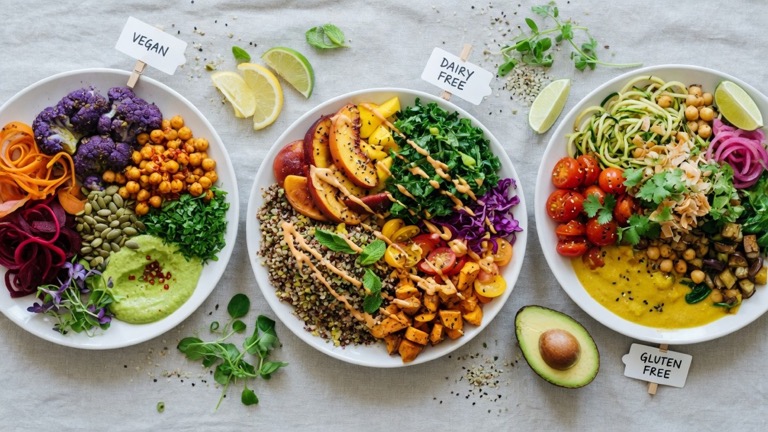
Embrace Naturally Gluten-Free Foods
* This is where the abundance comes in!
* Focus on fresh fruits, vegetables, lean proteins (chicken, fish, eggs, beans), and healthy fats (avocado, nuts, seeds).
* Hello, colorful plates!
3.
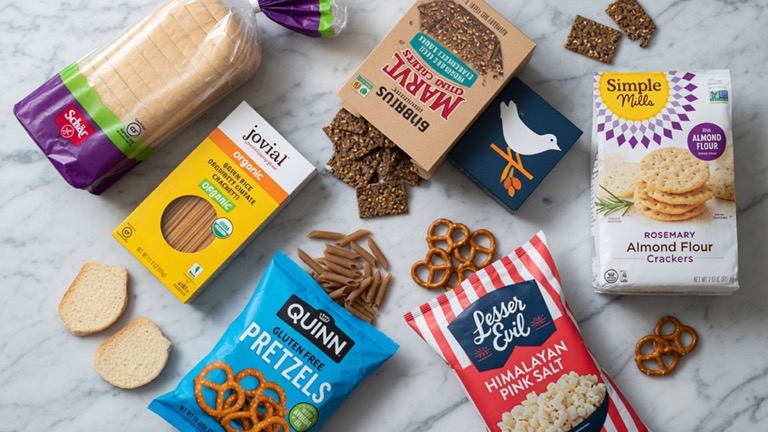
Discover GF Grains and Alternatives
* Rice (brown, white, wild), quinoa, corn, oats (certified GF, of course), buckwheat, millet, and sorghum are your new best friends.
* There are fantastic GF pastas, breads, and baking mixes available today. No need to feel deprived!
4.
Be Patient and Observant
* It’s not an overnight miracle cure. Your body needs time to calm down and heal.
* Keep a food and symptom journal. Note how you feel (pain levels, stiffness, energy) before you start, and continue logging your progress. This helps you see patterns and stay motivated.
* Most people start noticing a reduction in joint pain within a few weeks to a couple of months.
Imagine waking up, stretching your arms above your head, and realizing those nagging shoulder aches are gone. Or taking a long walk with your furry friend, your knees feeling strong and capable. This isn’t a fantasy. This is the potential reality of a gluten-free life for many dealing with joint pain.
A Word on Gut Health
Remember that leaky gut concept we touched on? Improving your gut health is a cornerstone of reducing systemic inflammation and, by extension, joint pain. A gluten-free diet often helps heal the gut lining, which in turn can reduce that “security guard confusion” in your immune system. A happy gut often means happier joints! Plus, a GF diet often means eating more whole, unprocessed foods, which are fantastic fuel for your A Healthier Gut Microbiome: Gluten-Free’s Impact on Digestion. It’s all connected.
Beyond the Plate: A Holistic Approach
While a GF diet is powerful, remember it’s part of a bigger wellness puzzle. Combine your dietary changes with other healthy habits for maximum joint-loving benefits:
* Stay Hydrated: Water keeps your joints lubricated and helps flush out inflammatory compounds.
* Move Your Body: Gentle exercise (walking, swimming, yoga) can improve joint flexibility and strength.
* Manage Stress: Chronic stress can fuel inflammation. Find ways to relax, whether it’s meditation, reading, or spending time in nature.
* Consider Supplements: Talk to your doctor or a nutritionist about supplements like Omega-3 fatty acids, turmeric, or vitamin D, which are known for their anti-inflammatory properties.
Your Joint-Friendly Future Starts Now
Don’t let joint pain dictate your life or slow you down. By understanding the link between gluten and inflammation, and taking proactive steps to remove it from your diet, you’re giving your body a profound gift. You’re telling those achy joints, “Hey, I hear you, and I’m going to help.”
Embracing a gluten-free lifestyle is a powerful act of self-care. It’s not about restriction; it’s about expansion, opening yourself up to a world of delicious, wholesome foods that support your body’s natural ability to heal and thrive. This journey can feel a little daunting at first, but with each passing day, each meal you prepare, you’re building a foundation for a future where comfort, energy, and joyful movement are your daily companions. Go ahead, give it a try. Your joints will thank you!
Remember, always consult with a healthcare professional before making significant dietary changes, especially if you have underlying health conditions. Your doctor can help guide you through this process and ensure it’s the right path for your unique needs (source 2).
Source 1: Gluten-induced inflammation and autoimmunity.
Source 2: Mayo Clinic – Gluten-free diet: What’s allowed, what’s not.