Weight Management with a Gluten-Free Diet: What You Need to Know (2026)


Alright, my friend, let’s talk about something that often comes up when we chat about living that glorious gluten-free life: weight. Specifically, how a GF diet can play a role in managing it. It’s a common misconception, isn’t it, that “gluten-free” automatically means “skinny jeans ready”? Well, buckle up, because we’re going to break down the real deal, ditch the myths, and get you feeling fabulous and informed. This journey, like a perfectly baked GF sourdough, is all about understanding the ingredients.
First off, let’s get one thing crystal clear: going gluten-free is *not* inherently a weight-loss diet. It’s a dietary choice for specific health reasons, like celiac disease or gluten sensitivity. However, for many, making the switch can bring about unexpected changes, including in body weight. And trust me, for a deeper dive into all the incredible changes, you’ll want to check out the Health Benefits of a Gluten-Free Diet. It’s a game-changer!
The Gluten-Free Paradox: Why Some Gain, Some Lose
You see people proudly declaring they’ve lost weight after going GF. Then you hear others sighing, wondering why the scale is actually *creeping up*. What’s the scoop? It comes down to *how* you go GF, plain and simple.
Think of it like this: You’re trying to bake a delicious chocolate cake. You *could* grab a box mix and call it a day, or you could painstakingly measure out high-quality cocoa, rich butter, and fresh eggs. Both make a cake, but the ingredients, effort, and nutritional profile are vastly different.
When you remove gluten, you remove wheat, barley, and rye. These are often the foundation of many processed foods: breads, pastas, cereals, crackers, cookies. So, what replaces them?
Scenario 1: The “Accidental” Weight Loss
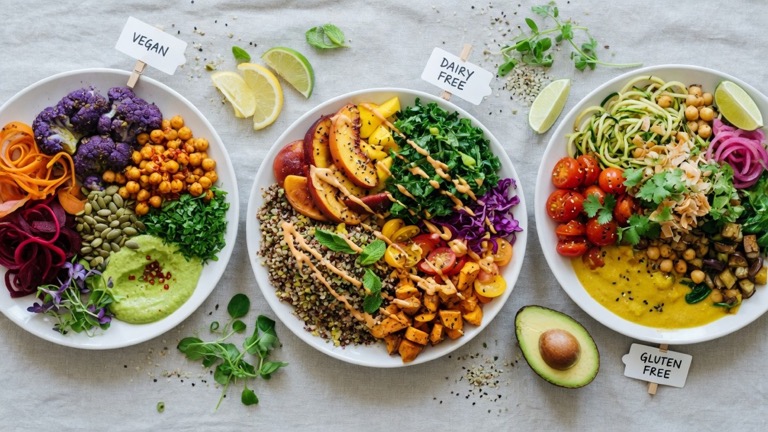
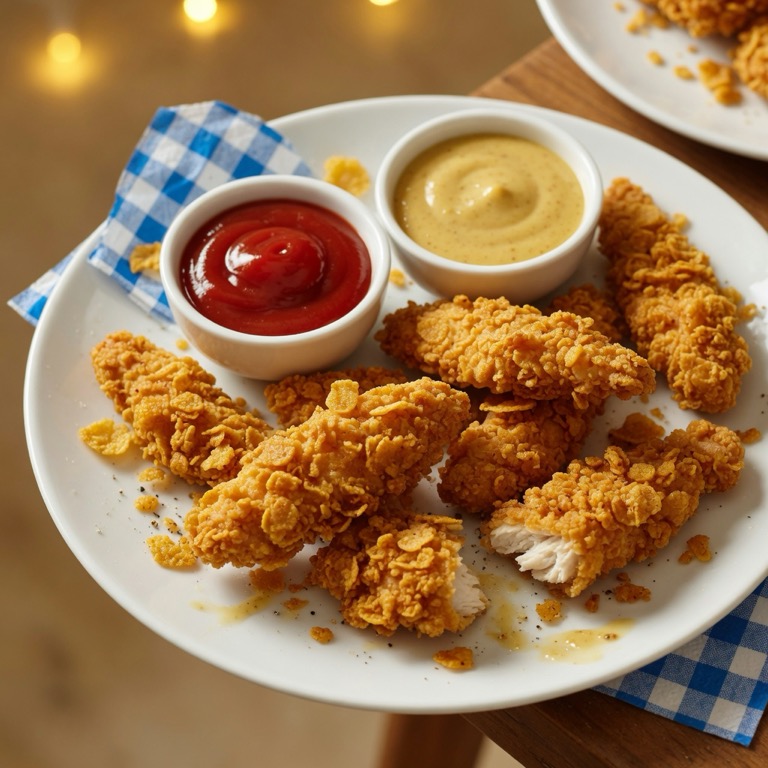
This usually happens when people simplify their diet dramatically. They ditch all the processed stuff – the pastries, the white bread, the fried chicken with gluten-filled batter – and replace them with naturally GF whole foods. We’re talking fresh fruits, vegetables, lean proteins, nuts, seeds, and naturally gluten-free grains like quinoa and brown rice.
When you swap out calorie-dense, nutrient-poor processed foods for a rainbow of whole, unprocessed options, your body thanks you. You’re naturally reducing your intake of empty calories, added sugars, and unhealthy fats. Plus, you’re loading up on fiber, which keeps you feeling full and satisfied, making you less likely to overeat. It’s a common story: feeling better, more energy, and yes, sometimes a slimmer waistline.
Scenario 2: The “Oops, My Pants Are Tighter” Situation
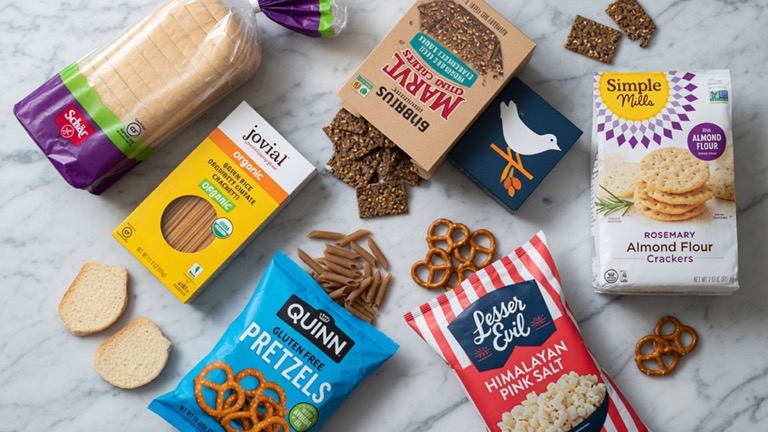
This is where the paradox kicks in. Many people go GF and dive headfirst into the world of gluten-free *substitute* products. GF bread, GF cookies, GF crackers, GF pizzas. Sound familiar? Here’s the catch: many of these products, in an effort to mimic the taste and texture of their gluten-containing counterparts, are often loaded with extra sugar, unhealthy fats, and refined starches (like potato starch, tapioca starch, corn starch).
Why? Well, gluten acts like the glue in baked goods. When you take it out, manufacturers often add other ingredients to make things taste good and hold together. These additions can mean more calories per serving than the original gluten-full version. You might think you’re making a healthier choice, but you could actually be consuming more calories, more sugar, and less fiber. It’s like replacing your regular soda with a “sugar-free” version that still has artificial sweeteners that trick your body. Not quite the same, is it?
Understanding the “Why” Behind Weight Changes
So, if you’ve found yourself gaining weight, don’t despair. It’s not your fault; it’s just about awareness.
Inflammation and Gut Health
For many, going GF means a significant reduction in inflammation. Gluten can be a trigger for systemic inflammation in sensitive individuals. When your body is constantly battling inflammation, it can hold onto weight, especially around the belly. It’s like your internal alarm system is always blaring, and that’s not good for your metabolic health. A calmer body tends to be a happier body, and often, a body that finds it easier to manage its weight. This ties directly into the amazing ways a GF diet can help with Relieving Bloating and Gas: How a Gluten-Free Diet Can Help, and frankly, feeling better overall.
Nutrient Absorption
Especially for those with celiac disease or severe gluten sensitivity, gluten causes damage to the small intestine. This damage can hinder your ability to absorb nutrients properly. When your body isn’t getting the vitamins and minerals it needs, it might signal you to eat more, trying to find those missing nutrients. Once you remove gluten, your gut can begin to heal (though this takes time!), and nutrient absorption improves. This means your body gets what it needs from less food, leading to better satiety and potentially weight stabilization.
Your Gluten-Free Weight Management Playbook
Ready to take control? Excellent! Here’s how you can make your GF journey work for your weight goals, whether you’re aiming to lose, maintain, or just feel your absolute best.
- Embrace Whole Foods: This is the golden rule, the North Star of GF eating. Fill your plate with naturally gluten-free foods:
- Lean Proteins: Chicken, fish, eggs, beans, lentils, tofu.
- Fruits and Veggies: All of them! Eat the rainbow.
- Healthy Fats: Avocados, nuts, seeds, olive oil.
- Naturally GF Grains: Quinoa, brown rice, wild rice, millet, buckwheat, corn (in moderation), oats (certified GF).
Think of your plate as a vibrant garden, not a beige pantry of processed items.
- Read Labels Like a Detective: This is a must for any GF eater, but especially for weight management. Don’t just look for “gluten-free” on the front. Flip that package over!
- Check the sugar content.
- Look at the fat sources. Are they healthy oils or highly processed ones?
- Compare calorie counts with similar, non-GF items. Sometimes the GF version has more!
- Fiber is your friend. Higher fiber means better satiety.
You’re looking for foods that fuel your body, not just fill it.
- Portion Control is Still King (or Queen!): Just because something is GF doesn’t mean it’s calorie-free. Those delicious GF cookies? They still pack a punch. Even healthy fats like avocado or nuts are calorie-dense. Be mindful of how much you’re eating. A handful of nuts is great; the whole bag is a different story.
- Hydrate, Hydrate, Hydrate: Sometimes, our bodies confuse thirst with hunger. Before reaching for a snack, try a glass of water. It’s amazing how often that’s all your body really wanted. Plus, water is essential for every bodily function, including metabolism.
- Don’t Fear Healthy Carbs: Naturally gluten-free complex carbohydrates (like quinoa, brown rice, sweet potatoes, and fruits) are crucial for energy and fiber. They provide sustained energy, helping you avoid those blood sugar crashes that send you reaching for sugary quick fixes.
- Move Your Body Joyfully: Diet is a huge part of weight management, but movement completes the picture. Find activities you genuinely enjoy. A brisk walk, dancing in your living room, gardening, swimming. Whatever makes your body feel good. It’s not about punishing yourself; it’s about celebrating what your body can do.
- Prioritize Sleep and Stress Management: Seriously, this is not just “nice to have.” Poor sleep and chronic stress wreak havoc on your hormones (like cortisol, ghrelin, and leptin), which directly impact appetite, metabolism, and fat storage. Make sleep a priority. Find healthy ways to unwind. Your body will thank you, and your waistline might too! This connects beautifully to The Gut-Brain Connection: Gluten-Free for Better Mood and Mental Clarity, because everything is connected!
A Word on Professional Guidance
While I’m here as your GF expert friend, I’m not a registered dietitian or a medical doctor. If you have significant weight concerns or underlying health conditions, please, please, please talk to your doctor or a registered dietitian who specializes in gluten-free diets. They can provide personalized advice tailored to your unique needs and health goals. This is about making informed choices for *your* body.
Here’s a great resource from the Celiac Disease Foundation on dietary management, which often touches on healthy eating practices for all aspects of well-being: Celiac Disease Foundation: Dietary Management
And for a broader understanding of how nutrition impacts weight, a trusted source like the CDC can offer valuable insights: CDC: Healthy Eating for a Healthy Weight
The Takeaway: Abundance, Not Restriction
Managing your weight on a gluten-free diet isn’t about deprivation. It’s about smart choices, fueling your body with amazing, whole foods, and tuning into what makes *you* feel fantastic. It’s about discovering the incredible abundance of delicious, naturally GF options out there.
So, ditch the guilt, embrace the vibrant flavors, and cook with joy. Your body, your energy levels, and your overall well-being will flourish. This isn’t a diet; it’s a lifestyle of delicious freedom and health. You’ve got this!