Improving Skin Health: Gluten-Free Solutions for Eczema and Acne (2026)


Ever look in the mirror, see an angry red patch, or feel a sudden surge of breakouts, and just wish your skin would get the memo? You’re not alone. Our skin, that magnificent canvas we present to the world, often mirrors what’s happening on the inside. It’s a truth-teller, a loyal messenger for our internal health.
And guess what often plays a surprisingly big role in that internal conversation? Food. Specifically, for many folks, it’s gluten. We often chat about how going gluten-free can bring fantastic changes to digestion, energy, and even your mood. It’s all part of the Health Benefits of a Gluten-Free Diet. But today, my friend, we’re zooming in on your skin. Think of your diet as the ultimate skincare regimen, one that works from the deepest layers out. Let’s talk about how ditching gluten might just be the secret ingredient your skin is craving to calm down conditions like eczema and acne.
Gluten and Your Skin: The Unexpected Connection
So, what’s the big deal with gluten and skin? It boils down to inflammation. Imagine your body is a cozy home. When you introduce something it doesn’t like, say, gluten if you’re sensitive to it, your body rings the alarm bells. This alarm system kicks off an inflammatory response.
Now, this inflammation isn’t always obvious. Sometimes it’s a rumbling in your belly. Other times, it shows up as brain fog. And quite often, it makes a grand appearance on your skin. Think of inflammation as an internal fire. If it gets out of control, it can cause all sorts of havoc, including flaring up existing skin conditions or creating new ones. For those with a gluten sensitivity, even a tiny crumb can sometimes spark this fire.
Eczema: Soothing the Itch from the Inside Out
Eczema, that relentless, itchy rash, can feel like a constant battle. It’s an inflammatory skin condition, and while many factors play a part, diet is a huge player for a surprising number of people. If you’ve been dealing with persistent eczema that doesn’t seem to respond to topical creams alone, it might be time to look at your plate.
For individuals with celiac disease or Beyond Celiac: Understanding Non-Celiac Gluten Sensitivity (NCGS), gluten can directly trigger or worsen eczema. When gluten is consumed, it can damage the gut lining, leading to what we call “leaky gut” (don’t worry, it’s not as gross as it sounds). This allows undigested food particles and toxins to slip into the bloodstream. Your immune system sees these as invaders and launches an attack, often manifesting as inflammation on the skin, including eczema flares. Simply put, your body is yelling for help, and your skin is showing the signs.
Many clients I’ve worked with have seen their angry red patches calm down, their incessant itching subside, and their skin start to heal, simply by removing gluten. It’s not a magic bullet for everyone, but for many, it’s a significant piece of the puzzle.
Acne: Clearing Things Up, One Bite at a Time
Acne isn’t just a teenage rite of passage. Adult acne is incredibly common, and it can be frustrating. While hormones and bacteria certainly play a role, your diet has a powerful influence too. If you’re constantly battling breakouts, especially around your chin, jawline, or even back, gluten might be stirring things up.
Here’s how it works: Gluten, particularly in processed foods, can cause spikes in blood sugar. These spikes trigger a release of insulin-like growth factor 1 (IGF-1), which encourages skin cells to produce more oil (sebum) and promotes inflammation. More oil, more inflammation, and boom – a perfect storm for clogged pores and breakouts. Plus, if gluten is causing inflammation in your gut, that systemic inflammation can show up as angry, red, cystic acne on your skin.
By removing gluten, you can help stabilize blood sugar levels, reduce systemic inflammation, and give your skin a chance to breathe and clear. It’s like turning off the faucet that’s constantly overflowing your skin with problematic signals. You might notice fewer new breakouts, less redness, and a generally calmer complexion. It’s about giving your body the tools it needs to regulate itself, and often, that starts with saying “no thanks” to gluten.
The Gut-Skin Axis: Your Inner Garden and Outer Glow
Think of your gut and your skin as best friends, always chatting. This constant communication is what we call the “gut-skin axis.” It’s an incredibly important connection! When your gut microbiome (the trillions of bacteria living inside you) is happy and balanced, your skin often reflects that harmony. But when your gut is out of whack – maybe due to stress, antibiotics, or foods like gluten that cause irritation for sensitive individuals – your skin might start to complain.
A damaged gut lining (hello, potential leaky gut from gluten!) means more inflammatory compounds can sneak into your bloodstream. Your body then tries to excrete these through various routes, and sometimes, your skin becomes a major elimination organ. This can lead to increased inflammation, breakouts, and flare-ups of conditions like eczema.
So, improving your gut health is a non-negotiable step for clear, calm skin. Going gluten-free can be a fantastic way to begin healing your gut, especially if gluten is a trigger for you. It’s like giving your gut a much-needed vacation, allowing it to repair and rebuild its healthy bacterial community. This is also why things like Gluten-Free Diet for IBS: Managing Symptoms Naturally often see improvements in skin, because so much hinges on gut health.
Your Gluten-Free Toolkit for Radiant Skin
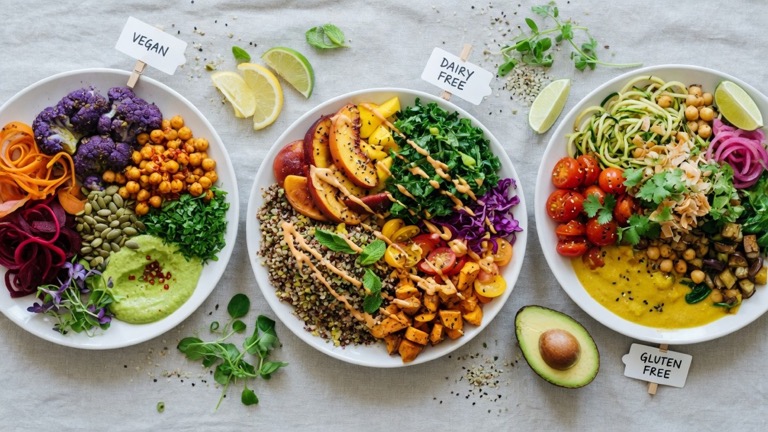
Alright, so you’re ready to explore a gluten-free path for your skin. This isn’t about deprivation! This is about abundance, vibrant flavors, and nourishing your body from the inside out. Here’s how to fill your plate for glowing skin:
- Embrace Whole, Unprocessed GF Grains: Think quinoa, brown rice, millet, buckwheat, and gluten-free oats. These provide steady energy and fiber without the gluten-related inflammation.
- Load Up on Fruits and Veggies: These are packed with antioxidants, vitamins, and minerals. Berries, leafy greens, colorful bell peppers, sweet potatoes, and citrus fruits are like tiny superheroes for your skin. They fight oxidative stress and support cell regeneration.
- Healthy Fats are Your Friends: Avocados, olive oil, nuts, seeds (chia, flax, hemp), and fatty fish (salmon, mackerel) provide essential omega-3s. These fats are amazing anti-inflammatory powerhouses and help keep your skin supple and hydrated.
- Lean Proteins for Repair: Chicken, turkey, fish, beans, lentils, and eggs provide the building blocks for healthy skin cells. Protein is crucial for tissue repair and collagen production.
- Fermented Foods for Gut Love: Sauerkraut, kimchi, gluten-free tempeh, and dairy-free kefirs are fantastic sources of probiotics. Remember that gut-skin axis? These foods help cultivate a balanced and happy gut, which directly translates to happier skin.
- Stay Hydrated: Water is your skin’s best friend. It helps flush toxins and keeps skin cells plump and fresh. Think of it like watering a garden; everything thrives with enough hydration! Aim for plenty throughout the day.
Beyond the Plate: Holistic Skin Support
While diet is incredibly powerful, it’s not the only piece of the puzzle. For truly radiant skin, consider these holistic practices:
- Prioritize Sleep: Your body repairs itself during sleep, and that includes your skin. Aim for 7-9 hours of quality sleep each night.
- Manage Stress: Stress hormones like cortisol can trigger inflammation and exacerbate skin issues. Find healthy ways to de-stress, whether it’s yoga, meditation, walking in nature, or reading a good book.
- Gentle Skincare: Choose fragrance-free, non-comedogenic products that won’t irritate your skin. Less is often more.
- Movement: Regular exercise boosts circulation, helping deliver nutrients to your skin and aiding in detoxification.
Patience and Persistence, My Friend
Switching to a gluten-free lifestyle for skin health isn’t usually an overnight fix. It’s a journey, not a sprint. Your body needs time to heal, rebalance, and adjust. Be patient with yourself. Listen to your body’s signals, and celebrate the small victories along the way. Maybe that persistent itch lessens, or a few less breakouts appear. These are all signs you’re on the right track!
Embracing a gluten-free diet to improve skin health is a delicious, empowering step towards feeling better from the inside out. It’s about choosing foods that love you back, making your body’s internal systems sing, and letting your natural glow shine through. So, grab a GF snack, make a plan, and get ready to reveal your most radiant self. Your skin will thank you!
External Resources: