Shopping for Gluten-Free Vitamins and Supplements (2026)

Alright, my amazing gluten-free friends! Let’s chat. We’ve mastered the art of spotting sneaky gluten in our pasta, bread, and even sauces. We navigate restaurant menus like seasoned pros. We understand that Navigating Gluten-Free Shopping is a continuous adventure, not a chore. But there’s one often-overlooked corner of the grocery cart (or online basket!) that deserves our sharpest GF superpowers: vitamins and supplements.
You might think, “Pills? What’s the big deal? They’re so small!” And you’re right, they are small. But oh, the tiny secrets they can hold! Just like a sprinkle of flour can thicken a gravy, hidden gluten can lurk in the most unexpected places in your daily health boosters. Don’t worry, though. This isn’t a scary movie; it’s more like a delicious culinary mystery we’re about to solve together. I’m here to equip you with the knowledge to shop for supplements with confidence, ensuring everything you put into your body supports your vibrant GF life, rather than sabotaging it.
Why Gluten Can Be a Sneaky Guest in Your Supplements
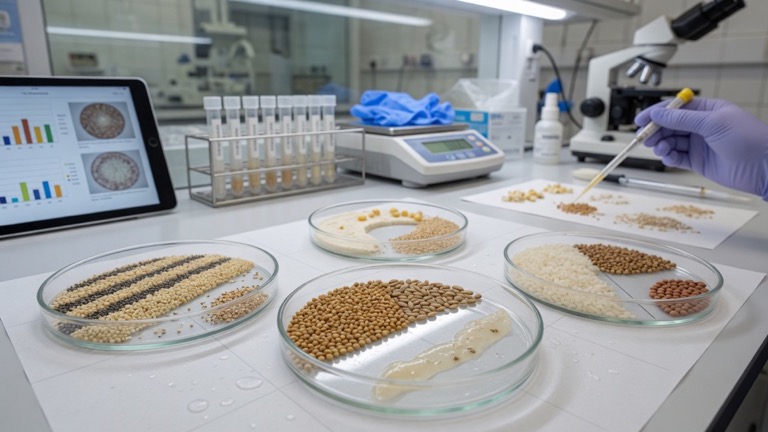
So, why would gluten even be near a vitamin? It’s a fair question. You see, making a pill isn’t just about compacting the active ingredient. Manufacturers use all sorts of “excipients”—think of them as the supporting cast for the star nutrient. These can include binders to hold the pill together, fillers to give it bulk, coatings to make it easier to swallow, and even disintegrants to help it break down properly in your system. And guess what? Wheat, barley, and their derivatives are often cheap, effective options for these roles.
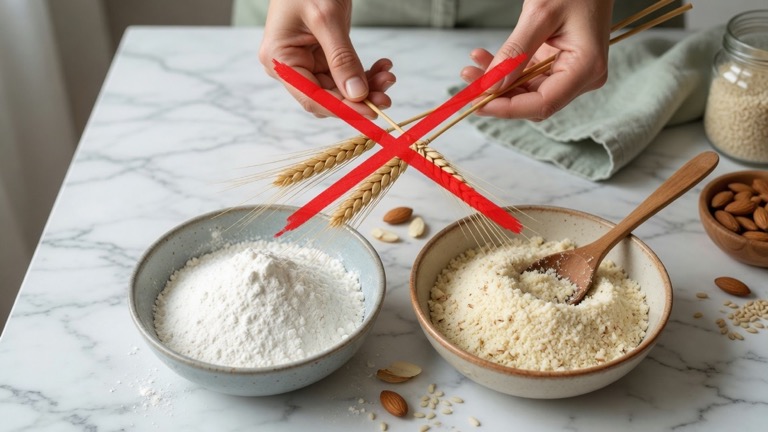
Imagine trying to make a perfectly shaped cookie without some kind of flour. It’s tough! Same idea here. Common culprits include wheat starch, wheat-derived maltodextrin, or even flavors and colors that contain gluten. Plus, there’s always the risk of cross-contamination during manufacturing, especially if the same equipment processes both gluten-containing and gluten-free products. This isn’t about scaring you; it’s about making you aware. Knowledge is power, right?
Becoming a Label Detective: Your GF Secret Weapon
This is where your inner detective truly shines. Your mission, should you choose to accept it, is to become a master label reader. It’s more crucial than ever when you’re dealing with supplements. Because while a gluten-free cookie is usually pretty obvious, a gluten-free vitamin isn’t always so upfront. So, what exactly are we looking for?
- The “Certified Gluten-Free” Seal: This is your gold standard, your undisputed champion. It means the product has been tested to contain less than 20 parts per million (ppm) of gluten, which is the international standard for GF safety. This isn’t just a claim; it’s a certification from a third party. When you see this, you can usually breathe a big sigh of relief. Learn more about what this standard means from reputable sources like the Beyond Celiac organization.
- “Gluten-Free” Claim: This is good, but not quite the same as certified. It means the manufacturer *claims* the product is GF, but it might not have undergone third-party testing. Most responsible brands will still aim for that
- The Ingredient List: This is your deep dive. Always, always, always read it. Scan for wheat, barley, rye, and oats (unless they are certified gluten-free oats). Watch out for terms like “malt” (often barley), “starch” (if not specified, assume wheat), “dextrin” or “maltodextrin” (these can be corn or potato, but sometimes wheat), and “hydrolyzed vegetable protein” (HVP can sometimes contain wheat).
- Allergen Statements: Many labels will clearly state “Contains: Wheat” if it’s present. But remember, a lack of this warning doesn’t guarantee a product is GF, especially if it’s not certified.
Common GF Suspects in the Supplement Aisle
Let’s get specific. Here are some of the ingredients you’ll want to approach with a healthy dose of GF skepticism:
- Starch: Unless it explicitly says “corn starch,” “potato starch,” or “tapioca starch,” treat it with caution. Wheat starch is a common binder.
- Maltodextrin: This one is tricky. It’s usually corn or potato-derived, but it *can* be from wheat, especially in some countries. If you see it and the product isn’t certified GF, a quick call or email to the manufacturer is wise.
- Caramel Color: While often safe, sometimes it’s made with barley malt. Again, check certifications or contact the brand.
- Brewer’s Yeast: This is a big no-no for GF folks, as it’s a byproduct of beer brewing (which uses barley).
- Flavorings and Artificial Colors: These can be proprietary blends that might hide gluten. If it’s not certified GF, investigate.
- Gelatin Capsules: Generally safe, but it’s always good to double-check the sourcing if you have extreme sensitivities, though gluten is rarely an issue here.
It sounds like a lot, but once you get into the rhythm, it becomes second nature. Think of it as developing a new superpower!
Choosing Your GF Supplement Squad
So, how do we make this easier? Focus on brands that get it. There are many fantastic supplement companies out there dedicated to producing gluten-free products. Some even specialize in allergens. Here’s how to build your trusted supplement squad:
- Look for Dedicated GF Facilities: Some companies manufacture only GF products, minimizing cross-contamination risks significantly.
- Transparency is Key: Brands that openly discuss their sourcing, testing protocols, and allergy policies are generally more trustworthy. Check their website’s FAQ or “About Us” section. Many will list exactly what their “maltodextrin” is derived from, for example.
- Third-Party Testing: Beyond certification, some brands go above and beyond with third-party testing for purity and potency. This shows a real commitment to quality and safety.
Don’t be afraid to reach out to a company’s customer service with specific questions. A good company will have clear, helpful answers.
Different Supplements, Different Scrutiny Levels
While the general rules apply to all supplements, some types require a bit more scrutiny than others:
Multivitamins and Mineral Supplements
These are prime candidates for binders and fillers. Always prioritize certified GF options. Many popular brands now offer excellent GF multivitamins, often clearly labeled for your convenience. Don’t settle for less.
Probiotics
The culture medium (what the beneficial bacteria grow on) can sometimes contain gluten. Check carefully. Most reputable probiotic brands catering to sensitive individuals are very clear about their GF status.
Protein Powders
Whey protein is naturally GF, but what about the flavorings, thickeners, and mix-ins? Wheat flour or gluten-containing starches can find their way into blends. Pea protein, rice protein, and hemp protein are great naturally GF options, but again, check the full ingredient list for additives. Even some “clean” brands can have hidden dangers.
Herbal Extracts and Tinctures
Some tinctures use alcohol that can be grain-derived. While distillation usually removes gluten, if you’re super sensitive, look for tinctures made with certified GF alcohol or glycerine. Capsules of herbal extracts also need the same binder/filler checks as regular vitamins.
Fish Oils and Omega-3s
Generally, fish oil itself is GF. The main concern here would be the gelatin capsule (usually safe) or any added flavorings. Most are very safe for GF folks, but a quick scan of the label is still a good habit. Trust your GF instincts!
Where to Find Your GF Supplement Treasures
You’ve armed yourself with knowledge. Now, where do you hunt for these GF gems?
- Health Food Stores: These are often your best bet. Staff are usually more knowledgeable about dietary restrictions and can point you to GF-specific brands. Plus, they often carry a wider array of specialized products. It’s a great place for Exploring Health Food Stores for Unique GF Finds, and supplements definitely fall into that category.
- Online Retailers: The internet opens up a whole world of options. Many dedicated GF brands sell directly online, and large retailers often have extensive search filters for “gluten-free.” This is especially handy for Mastering Online Gluten-Free Grocery Shopping, including your supplements. Read reviews, but always cross-reference with the manufacturer’s official website.
- Pharmacies and Supermarkets: Their GF supplement sections are growing, but typically smaller. You might find mainstream certified GF options, but the specialized brands are often elsewhere.
A Quick Word From Your Health Team
As your trusted GF friend, I’ll always remind you of this: before adding any new supplement to your routine, especially if you have Celiac Disease or a severe gluten sensitivity, talk to your doctor or a registered dietitian. They can help identify any specific nutritional gaps (common for those of us on a GF journey) and recommend the best supplements for your individual needs. They might even have brand recommendations!
Your Confident GF Supplement Checklist
Let’s wrap this up with a simple checklist to make your GF supplement shopping a breeze:
- Spot the Seal: Always look for “Certified Gluten-Free” first. It’s your easiest win.
- Read Everything: If no certification, scour the ingredient list like you’re searching for hidden treasure. Every ingredient matters.
- Know Your Suspects: Keep an eye out for wheat, barley, malt, unspecified starch, and tricky dextrins.
- Check the Company: Research brands that prioritize transparency and dedicated GF manufacturing.
- Ask Questions: If in doubt, contact the manufacturer. A good company will be happy to clarify.
- Consult a Pro: Chat with your doctor or dietitian to ensure supplements align with your health goals.
See? Shopping for gluten-free vitamins and supplements isn’t intimidating at all. It’s just another opportunity to practice your incredible GF vigilance. By being a smart consumer and knowing what to look for, you’re not just avoiding gluten; you’re actively choosing to nourish your body in the best possible way. This GF life is all about abundance, deliciousness, and feeling amazing, from the food on your plate to the supplements in your cupboard. Keep thriving, my friends! And remember, your journey of confident Navigating Gluten-Free Shopping is an ongoing, delicious success story.
External Resource: For a deeper dive into food excipients and their sources, including potential allergens, you can review information from academic or pharmaceutical resources like those found via the National Institutes of Health (NIH), which often covers pharmaceutical ingredients.