Gluten-Free on a Budget: Smart Shopping Strategies (2026)

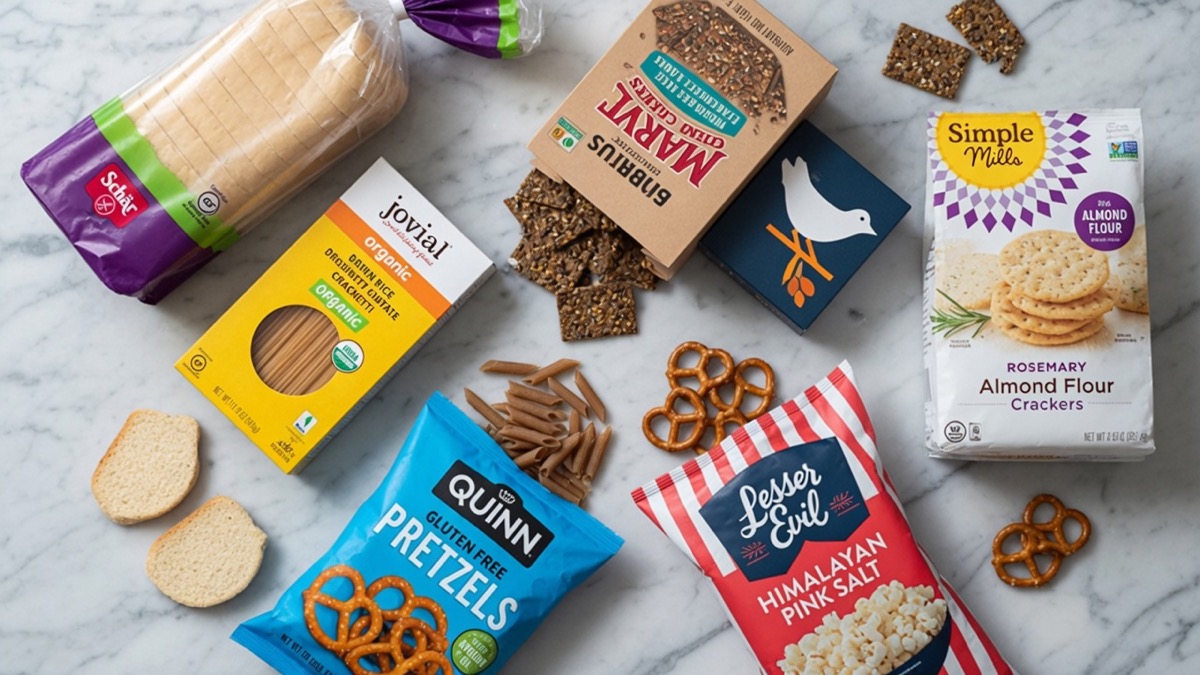
Feeling that familiar pang when you glance at the price tag on a bag of GF pretzels? Or maybe you’ve found yourself staring at a gluten-free loaf that costs more than a fancy coffee? We’ve all been there, friend. It’s easy to fall into the trap of thinking that a gluten-free lifestyle is inherently expensive. But here’s the delicious truth: it absolutely doesn’t have to be.
Think of me as your personal grocery guru, here to bust those budget myths wide open. Going GF shouldn’t mean draining your wallet or feeling like you’re sacrificing flavor. In fact, embracing naturally gluten-free foods often leads to a more wholesome, vibrant diet that’s surprisingly easy on your bank account. Once you master Navigating Gluten-Free Shopping, the next logical step is to make it affordable. We’re talking smart moves, savvy swaps, and a whole lot of deliciousness without the sticker shock. Ready to transform your grocery game? Let’s dive in.
Your Budget’s Best Friend: The Power of Planning
This isn’t just about saving money. It’s about saving sanity. A little planning goes a long, long way.
Become a Meal Prep Master
Ever wandered through the grocery aisles, hungry and aimless? That’s prime territory for impulse buys. And impulse buys are often GF specialty items, which are notoriously pricier. Instead, try this: dedicate a short block of time each week to planning your meals. Think about what you’ll eat for breakfast, lunch, and dinner. Jot it down. This simple act creates a roadmap for your shopping trip.
Consider dishes that share ingredients. Roasting a big batch of chicken or veggies on Sunday means you have bases for salads, tacos, or grain bowls throughout the week. It’s like getting multiple meals out of one cooking session. Smart, right?
The Golden Rule: Stick to Your List
Once you’ve got that meal plan, translate it into a concise shopping list. Organize it by grocery store section. This helps you zip through the store without getting sidetracked by shiny new (and expensive) products. Your list is your shield against unplanned purchases. It’s your secret weapon. Don’t deviate. Seriously. Those end-cap displays of GF cookies might look tempting, but if they’re not on the list, they’re not going into your cart today.
Smart Shopping: Where the Real Savings Happen
This is where we get strategic. It’s all about making informed choices before you even step foot in the checkout line.
Embrace Naturally GF Foods
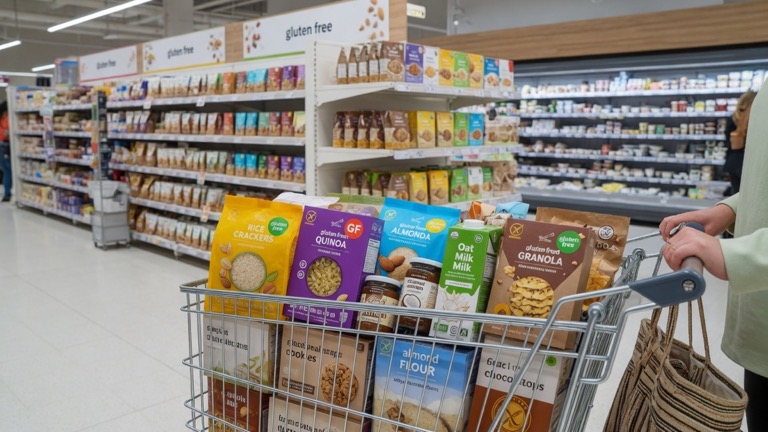
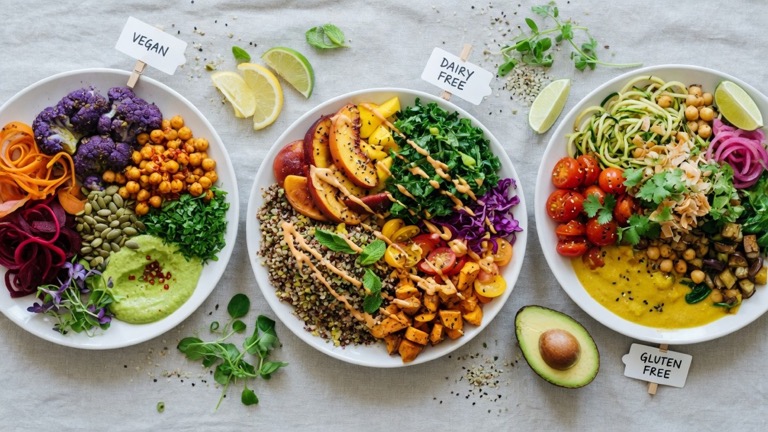
Here’s the biggest secret weapon: most of the foods we eat are naturally gluten-free! Fruits, vegetables, lean proteins like chicken, fish, eggs, and beans. Unprocessed meats. These are your friends. They’re often cheaper than their processed, gluten-containing counterparts. And they’re packed with nutrients. Fill your cart with these whole foods first. You’ll be amazed at how much less you spend on specialty items.
Grains like rice (brown, white, wild), quinoa, corn, oats (certified GF, of course!), and buckwheat are naturally GF staples. Buy them in their whole forms. They’re incredibly versatile and much more economical than GF bread or pasta.
Buy in Bulk (When It Makes Sense)
Ever notice the bulk bins at your grocery store? They’re treasure troves for GF eaters! You can scoop up things like certified GF oats, rice, quinoa, lentils, dried beans, nuts, and seeds. Buying in bulk means you only pay for what you need, and the per-unit price is often significantly lower than pre-packaged versions. Just be sure to check for cross-contamination risks if you have celiac disease, as some stores use shared scoops or bins. When in doubt, stick to pre-packaged bulk options clearly labeled GF.
For items you use frequently, like olive oil, GF flour blends, or your favorite spices, buying larger containers can often save you money in the long run. Just make sure you have proper storage to keep them fresh.
Coupon Clipping and Sales Stalking
This isn’t just for your grandma anymore. Grocery store flyers are goldmines. Keep an eye out for sales on your favorite GF brands or naturally GF staples. Many stores also have digital coupons available through their apps. Combine a sale with a coupon, and you’re practically a financial wizard. Sign up for store loyalty programs, too. They often send personalized discounts directly to your inbox. A little proactive searching can lead to big savings.
Store Brands vs. Name Brands
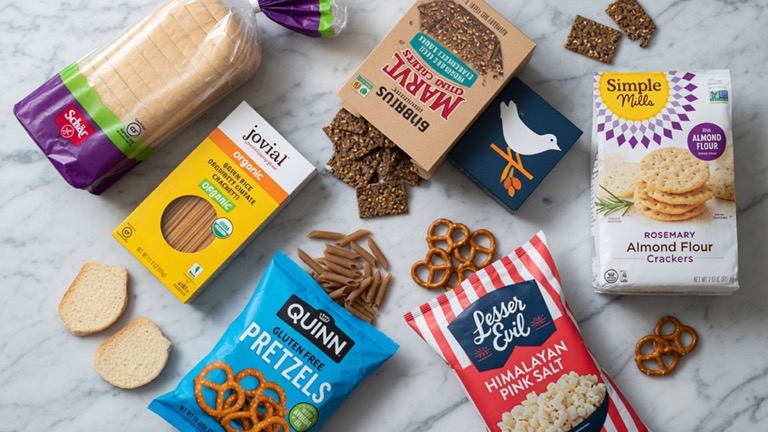
Don’t be a brand snob. Many generic or store-brand GF products are just as good, if not better, than their pricier name-brand counterparts. The quality has really improved over the years. Plus, they often cost a fraction of the price. Give them a try! You might discover a new favorite. Always read labels, of course, to ensure they meet your dietary needs.
The Unit Price Playbook
This is a super simple trick. Look at the unit price, usually found on the shelf label below the product. It tells you the cost per ounce, per pound, or per item. This helps you compare different sizes and brands fairly. Sometimes the larger package isn’t actually the best deal per unit. It’s a game-changer for finding the true bargain.
Your Kitchen: Your Savings Powerhouse
Your own kitchen is where you truly take control of your GF budget. This is where the magic happens.
Cook From Scratch, Bake Your Heart Out
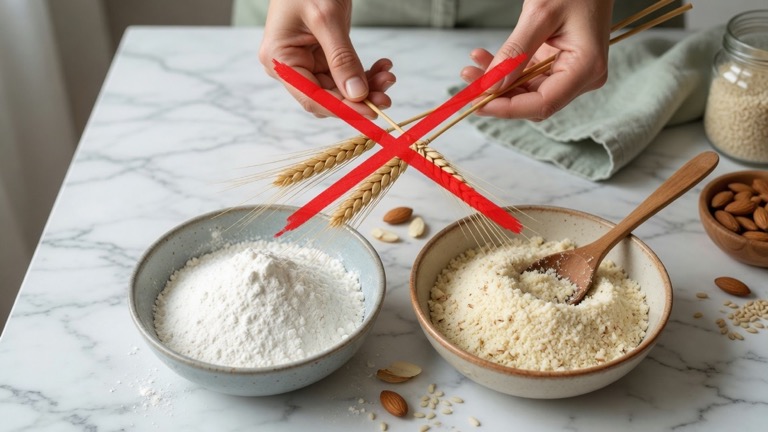
Pre-made GF meals, mixes, and baked goods are convenient, but they come with a hefty convenience tax. Making things from scratch is almost always cheaper. Plus, you control the ingredients, which is fantastic for your health. Think about baking your own GF bread, muffins, or cookies. It’s incredibly satisfying. And speaking of flours, understanding the Essential Gluten-Free Flours for Baking and Cooking can seriously cut down your costs. Instead of buying expensive GF all-purpose blends, you can create your own with individual flours like rice, tapioca, and sorghum.
The same goes for sauces, dressings, and dips. Whipping up your own hummus or a simple vinaigrette is miles cheaper and tastier than buying the pre-made versions. It only takes a few minutes.
Batch Cooking: Your Future Self Will Thank You
This strategy is a true budget and time saver. Cook larger quantities of meals or meal components on a less busy day. Think big pots of chili, soup, roasted vegetables, or grains. Portion them out for lunches and dinners throughout the week. Freeze extra portions for those nights when cooking feels like too much effort. This prevents costly takeout temptations. According to a study published by the University of Texas System, individuals who cook meals at home more frequently tend to spend less on food overall and consume healthier diets (source).
Waste Not, Want Not
Food waste is literally throwing money in the trash. Get smart about using up leftovers. Transform tonight’s roasted chicken into tomorrow’s chicken salad. Wilted spinach can go into a frittata. Overripe fruit? Hello, smoothie or GF muffins! Keep an eye on expiration dates. Organize your fridge and pantry so older items are front and center. It prevents things from getting lost and spoiling.
Where to Shop for Budget-Friendly GF Goodies
Not all grocery stores are created equal when it comes to GF prices. Knowing where to go makes a difference.
Discount Grocers and Big Box Stores
Stores like Aldi, Lidl, and even the larger sections of stores like Walmart or Target often carry a growing selection of affordable GF products. Their store brands can be surprisingly good. For bulk staples, warehouse clubs like Costco or Sam’s Club can offer fantastic deals on things like large bags of rice, quinoa, or certified GF oats. Just ensure you’ll use it all before it goes bad, or split it with a friend.
Farmer’s Markets: Seasonal Savings
During peak season, local farmer’s markets can be amazing for fresh, naturally GF produce. Buying what’s in season almost always means better flavor and better prices. Talk to the farmers. They often have great tips for storage and cooking. Plus, you’re supporting local agriculture, which is a win-win.
Online Retailers for Specialty Items
Sometimes, for specific GF flours or harder-to-find items, online retailers can offer competitive pricing, especially if you buy in larger quantities. Factor in shipping costs, of course. But for pantry staples you use often, it can be worth checking. Just compare prices carefully with your local stores.
The Takeaway: Abundance, Not Limitation
Living gluten-free on a budget isn’t about deprivation. It’s about smart choices, intentional eating, and discovering the incredible variety of naturally delicious foods out there. It’s about feeling empowered, not restricted.
The average grocery bill has seen significant increases in recent years (source), making mindful shopping even more critical. But with these strategies, you’re not just saving money, you’re building a more resilient, healthier approach to food.
So, ditch the notion that GF living has to be expensive. Grab your list, hit the aisles with confidence, and fill your kitchen with wonderful, wholesome foods. Your taste buds and your wallet will thank you.
What are your go-to budget GF tips? Share them in the comments! Let’s build this community of savvy, joyful eaters together.