How to Explain Your Gluten-Free Diet to Friends and Family (2026)


So, you’ve embraced the glorious world of gluten-free eating. Maybe it’s a health necessity, maybe it’s a choice that makes you feel amazing. Either way, you’re rocking it! But then the invitations start rolling in: dinner at Aunt Carol’s, Sunday brunch with your bestie, family holiday gatherings. Suddenly, that confident GF stride feels a little wobbly. How do you explain your gluten-free diet to friends and family without making it a big deal, feeling like a burden, or turning into a science lecture? You’re not alone in that thought. We’re here to talk it out, friend, and make sure your GF life stays as joyful and delicious as possible. If you’re curious about the bigger picture, our main guide on Understanding Gluten-Free is a perfect place to start.
Let’s Talk GF: Why Your Explanation Matters
First off, take a deep breath. Your dietary needs are valid. Explaining them isn’t about being difficult; it’s about advocating for your health and comfort. And honestly, it’s about making sure everyone can relax and enjoy the meal, including you! Think of it like this: You’re the captain of your own culinary ship. Your friends and family are your crew. You just need to give them a clear, simple map so you can all sail smoothly towards deliciousness.
The “What”: A Quick Gluten Gist
Sometimes, people just don’t know what gluten *is*. And that’s okay! It’s our job to offer a quick, digestible explanation, not a PhD thesis. Here’s your cheat sheet:
- Gluten is a protein: Specifically, it’s a protein found in wheat, barley, and rye.
- It’s like a sticky binder: Imagine it like the glue that holds bread together. It gives baked goods that lovely elasticity and chewy texture.
- Why it’s a problem for some: For folks like us, our bodies don’t play nicely with this protein. It can cause inflammation, digestive upset, fatigue, and a whole host of other not-so-fun symptoms. For some, like those with celiac disease, even a tiny crumb can trigger a significant reaction.
Keep it simple. You don’t need to get into the nitty-gritty of villi damage or specific antibodies unless someone genuinely asks for more detail. A quick “My body doesn’t handle the protein in wheat, barley, and rye very well, so I feel much better when I avoid it” is often all you need.
Your Game Plan for GF Conversations
Ready to master the art of the GF chat? Here are some trusty tips to keep your interactions positive and clear.
1. Keep It Simple, Sweetie!
This is your golden rule. When someone asks, resist the urge to deliver a 10-minute monologue. A brief, direct answer works wonders. “I’m gluten-free for health reasons, so I avoid wheat, barley, and rye.” Done. If they ask more, great! If not, you’ve planted the seed.
2. Focus on the YES, Not the NO
Nobody likes to hear a list of “can’ts.” Instead, turn the conversation around to what you *can* enjoy. “I’m GF, but I can totally bring a delicious casserole everyone will love!” or “Oh, I’m so excited for dinner; there are so many amazing naturally GF foods.” This shifts the vibe from restriction to possibility. It shows that your GF lifestyle is about abundance, not deprivation.
3. Be Proactive, Not Reactive
If you’re heading to a dinner party, a quick message or call to the host beforehand can save everyone stress. Something like, “Hey! So excited for Saturday. Just wanted to give you a heads-up that I eat gluten-free. No need to worry about making a special dish for me; I’m happy to bring something delicious to share, or I can always find options on the menu if we’re going out!” This sets expectations kindly and clearly.
4. Offer Solutions, Not Just the “Problem”
Remember, your friends and family likely want to accommodate you. Help them do that! Suggest a restaurant that you know has excellent GF options. Offer to bring a side dish or dessert. Volunteer to help with meal prep if you’re cooking together. When you make it easier for them, it becomes easier for everyone.
5. Explain Cross-Contamination Simply
This is where things can get a little tricky, especially for those who aren’t familiar with the nuances of GF living. For many of us, even tiny bits of gluten (like crumbs from a regular toaster or flour dusting on a shared cutting board) can cause issues. You don’t need to scare anyone, but a simple analogy can help. “Think of it like a severe allergy. Just a tiny bit of contamination can make me feel unwell, so things like separate serving spoons or a clean cutting board really help.” It makes it relatable without being overly dramatic. You can learn more about recognizing safe products by understanding Gluten-Free Certification and Labels, which might even help you explain why certain items are safe and others aren’t.
Tackling Common Questions and Misconceptions
You’re going to hear some doozies. Be prepared with a friendly, patient response. Here are a few you might encounter:
“Can’t you just have a little bit?”
Your response: “Unfortunately, no. For me, even a small amount can cause problems. It’s like having a food intolerance where even a little bit can set off my system.” Keep it personal and focused on how it affects *you*.
“Is it a weight loss diet?”
Your response: “Actually, it’s not. For me, it’s purely about health and feeling my best. When I eat gluten, my body just doesn’t function properly. Some people might use it for weight loss, but that’s not my reason.” This helps clarify any confusion and address some common Debunking Gluten-Free Myths.
“But what *do* you eat?!”
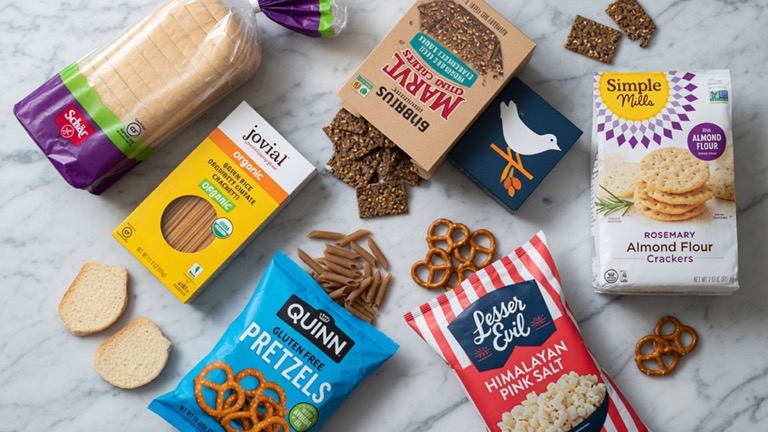
Your response: “Oh, so much delicious stuff! All fruits and vegetables, meat, fish, eggs, rice, quinoa, corn, potatoes, and there are so many amazing GF alternatives for bread, pasta, and baked goods now. I eat really well!” This is where your positive spin truly shines. Talk about your favorite GF dishes!
Handling Different Personalities
Not everyone will react the same way. You’ll encounter a spectrum of responses, and that’s okay!
The Enthusiastic Helper
These are the gems! They’ll go out of their way to find GF recipes, ask a million questions (in a good way), and double-check labels. Thank them profusely! Offer to share resources or recipes. Enjoy their support.
The Skeptic/The Challenger
You might get the eye-roll or the “Are you *sure* it’s not just in your head?” crowd. Stay calm. You don’t need to justify your health choices. A simple, firm “I understand it might seem unusual, but this is what works for my body and keeps me feeling well” is enough. You are in control of your plate.
The Forgetful Friend/Relative
They mean well, but sometimes gluten just slips their mind. A gentle reminder is all that’s needed. “Oh, that looks amazing, but I can’t have gluten, remember? I’ll stick to this delicious salad!” A lighthearted approach can keep things comfortable.
The Overly Anxious Host
Some hosts get genuinely stressed about accommodating dietary needs. Reassure them! “Please don’t worry! I’m happy to bring my own GF bread, or I can just focus on the naturally GF options you’re making, like the roast chicken and veggies.” Your calm approach will help them relax.
Beyond the Talk: Living Your Best GF Life
Remember, communicating your GF needs isn’t just about avoiding gluten. It’s about building understanding and maintaining wonderful relationships. When your loved ones understand, they become your allies, making social events much more enjoyable for everyone. This isn’t a battle; it’s a conversation among people who care about each other.
You’re not just eating gluten-free; you’re living a life that makes you feel amazing. So, wear your GF badge with pride, communicate with confidence, and never let your dietary needs dim your culinary light. The world of gluten-free food is vast, exciting, and absolutely delicious. Keep exploring, keep sharing, and keep those conversations flowing. For more insights on thriving with a GF lifestyle, remember our comprehensive guide, Understanding Gluten-Free.
Happy eating, friends!
***
Sources: