Sustainable Gluten-Free Living: Eco-Friendly Choices & Brands (2026)

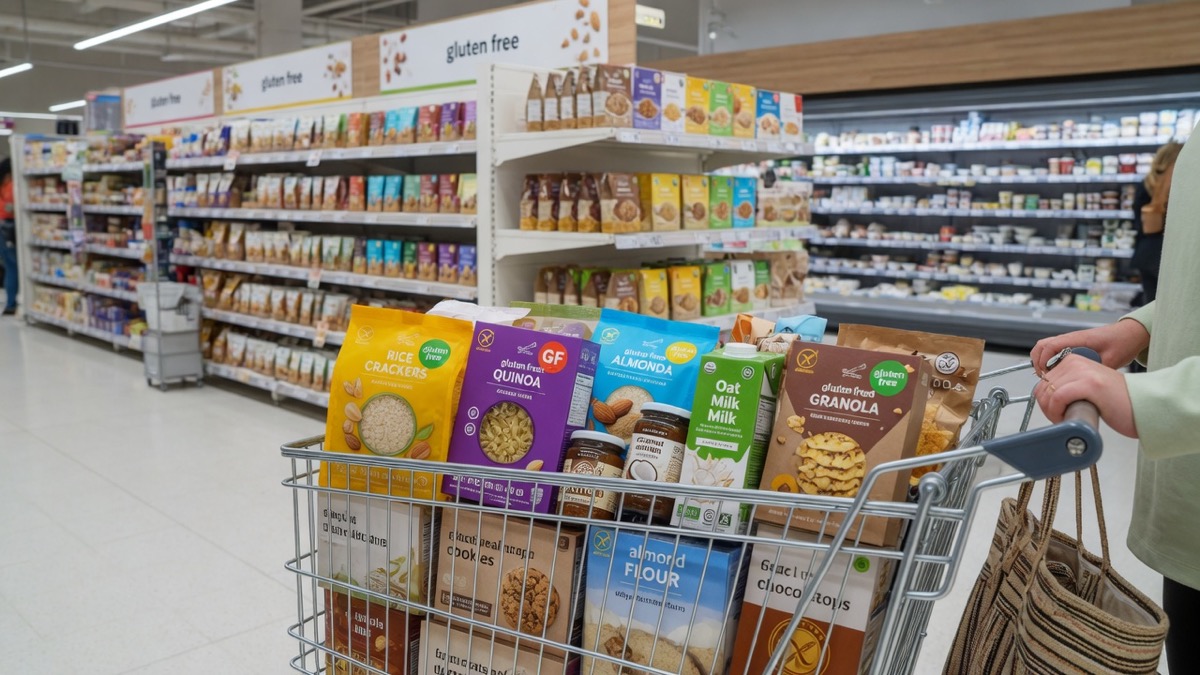
Hey there, my GF crew! It’s your trusted friend here, ready to chat about something super important. We’ve all mastered the art of spotting sneaky gluten, right? We know our safe havens in the grocery store and how to confidently ask the right questions at a restaurant. It’s all part of living a vibrant gluten-free lifestyle. But what if I told you there’s another layer to our food choices, one that helps our planet as much as it helps our tummies? Yep, we’re talking about sustainable gluten-free living. Think of it as nourishing yourself, while also giving Mother Earth a big, happy hug.
For us, eating GF can sometimes feel like a double-edged (and slightly more expensive) sword. We might find ourselves with more specialized packaging, or perhaps eyeing those individually wrapped GF treats with a twinge of guilt. But here’s the good news: we totally have the power to make delicious, planet-friendly choices! It’s not about perfection, but about progress. Small changes add up, just like a sprinkle of love makes a batch of GF cookies extraordinary.
Rethinking Your GF Grocery Haul
Let’s be real, the GF aisle can be a wonderland of options. It’s also often a shrine to plastic. So, how do we navigate this delicious challenge sustainably? We become ingredient detectives and packaging gurus!
Package Power: Beyond the Plastic
You know that satisfying crinkle of a fresh bag of GF pretzels? We love it. But that crinkle often comes with plastic, and a lot of it. Many GF products need special packaging to prevent cross-contamination and keep them fresh. That’s a given. But some brands are stepping up their game. They’re using packaging that’s recyclable, compostable, or made from recycled materials. Keep an eye out for those labels!
- Look for the Recyclable Symbol: It’s a no-brainer, but easy to miss when you’re focused on the “gluten-free” stamp.
- Seek Compostable or Biodegradable: Some brands are making amazing strides with plant-based packaging. If it can break down naturally, that’s a win.
- Buy in Bulk (Carefully!): For items like GF oats, rice, or nuts, some stores offer bulk bins. Always, always confirm cross-contamination protocols. A good rule of thumb: if you’re unsure, skip it. But if a dedicated GF store or section offers it, go for it!
- Bring Your Own Bags: This one is simple, but oh-so-effective. Keep reusable bags in your car or by the door.
Waste Not, Want Not: Reducing Food Scraps
Food waste is a biggie. Did you know a significant amount of food ends up in landfills, contributing to greenhouse gases? Even as GF eaters, we sometimes fall victim to expired specialty items or half-eaten meals. But we can totally turn this around!
- Meal Planning is Your GF BFF: Plan your meals for the week. This means you buy exactly what you need, reducing impulse purchases that might go bad. Think of it as a treasure map to deliciousness, without the wasted detours.
- Smart Storage: Store your GF breads in the freezer. Freeze leftover GF pasta sauce. Treat your GF goodies like the precious commodities they are, extending their life.
- Compost Your Scraps: Vegetable peels, fruit cores, coffee grounds, and even those slightly sad GF bread crusts can become rich soil. Many cities have composting programs, or you can start a small bin in your backyard. It’s like magic for your garden! The EPA has some great resources on composting and sustainable food management.
- Repurpose Leftovers: That leftover GF roast chicken? Hello, chicken salad. Those extra roasted veggies? Toss them into a frittata. Get creative!
The Journey of Your GF Ingredients: From Farm to Fork
Ever think about where your tapioca starch comes from? Or the rice in your GF pasta? Every ingredient has a story, and a carbon footprint. Let’s make those stories happy ones.
Local Love: Supporting Your Community
Buying local drastically reduces “food miles,” which is basically the distance your food travels from where it’s grown to your plate. Less travel means less fuel burned. Plus, it often means fresher, tastier produce! It’s like getting a hug from your farmer.
- Farmer’s Markets: A goldmine for fresh, naturally GF fruits, vegetables, and often meats and eggs. Chat with the farmers; they know their stuff!
- CSA Boxes: Community Supported Agriculture is a fantastic way to get a weekly box of seasonal produce directly from a local farm. It’s a delicious surprise every time.
- Grow Your Own: Even a small herb garden on a windowsill can make a difference. Fresh basil for your GF pizza? Yes, please!
Conscious Cultivation: Beyond “Organic”
Organic is good, but “sustainable” takes it a step further. Look for terms like “regenerative agriculture,” “fair trade,” or certifications that ensure ethical labor practices and environmental stewardship. These practices help keep our soil healthy, protect biodiversity, and treat workers fairly. It’s about cultivating not just food, but a better world.
Some GF staple grains, like rice, can be water-intensive. Think about diversifying your GF grain intake. Explore millet, quinoa, buckwheat, amaranth, or even sorghum. Each has unique nutritional benefits and varying environmental impacts. It’s like expanding your GF flavor palette while being kind to the planet’s water supply.
Brands Doing Good: Your Sustainable GF Allies
Good news! More and more GF brands are realizing that doing good for the planet is just good business. When you’re browsing the aisles, keep an eye out for brands that proudly display their eco-friendly efforts.
What should you look for? Think about:
- B Corp Certification: This means a company meets high standards of verified performance, accountability, and transparency on factors from employee benefits and charitable giving to supply chain practices and input materials. It’s like a gold star for good global citizens.
- Sustainable Sourcing: Do they talk about where their ingredients come from? Do they support fair trade?
- Recycled or Compostable Packaging: As we discussed, this is a big one.
- Zero-Waste Initiatives: Some companies are actively trying to reduce waste in their production processes.
- Commitment to Transparency: Brands that are open about their practices often have nothing to hide.
While I won’t name specific brands (things change so fast!), a quick search for “sustainable gluten-free brands” in 2026 will give you an updated list of companies making a difference. Look for companies that clearly state their environmental mission and back it up with certifications or visible efforts. Your purchasing power is mighty, use it wisely!
Cooking GF at Home: The Ultimate Eco-Friendly Move
This is where we really shine, my friends. Making your own GF meals and treats is hands-down one of the most sustainable things you can do. You control the ingredients, the packaging, and the portion sizes.
- Less Packaging: Think about it. When you bake GF bread from scratch, you’re using flour from a bag (one package), rather than buying a pre-made loaf (another package). Big difference.
- Ingredient Control: You can choose organic, local, or ethically sourced ingredients directly.
- Reduce Waste: You cook what you need, minimizing leftovers that might go bad. Plus, those veggie scraps from your homemade soup can go straight to the compost.
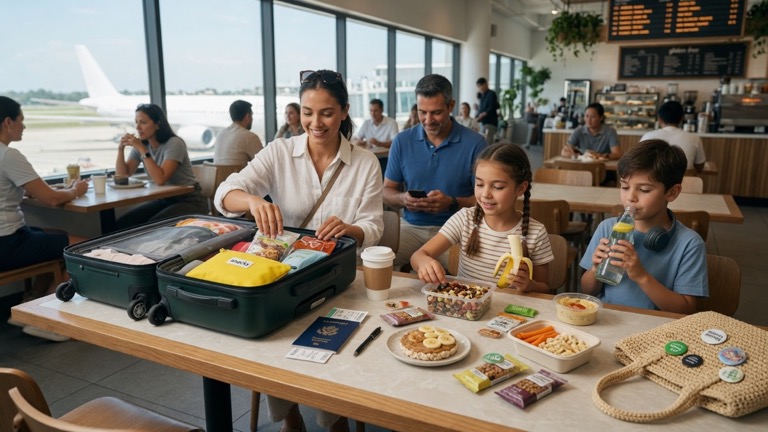
Making your own GF snacks and meals for trips and outings is also a fantastic way to cut down on single-use plastics and packaging. If you’re anything like me, you’ve got a whole arsenal of clever tricks for your GF adventures, so consider adding some DIY flair to your planning. Seriously, if you’re hitting the road or catching a flight, check out how easy it is to assemble your own DIY Gluten-Free Travel Kits: Snacks, Meals & Comfort. It’s a game-changer for sustainability and your wallet!
Beyond the Kitchen: GF Life and the Planet
Our choices extend beyond what’s on our plate. Thinking about how we engage with food when we’re out and about can also make a difference. When you’re out exploring the world, remember your eco-conscious GF mindset.
Heading to a restaurant? Being prepared isn’t just about avoiding gluten. It’s about reducing waste too. Many of the principles we apply for a sustainable GF lifestyle at home can apply when dining out. For some seriously smart strategies, read up on Mastering Gluten-Free Dining Out: A Restaurant Survival Guide. You’ll find tips that make eating out both safe and a little greener.
Even when you’re soaring through the skies, you can make sustainable choices. Packing your own GF snacks in reusable containers, opting out of airline single-use items, and being mindful of your waste are all small but mighty acts. If you’re planning a trip, be sure to grab some insights on Flying Gluten-Free: Tips for Smooth Airline Travel to ensure your journey is both safe and planet-friendly.
It’s about making conscious decisions, friends. From the ingredients we choose to the way we dispose of our leftovers, we have the power to create a positive impact. The WWF talks a lot about how our food choices affect the planet, and it’s a powerful reminder that every bite counts.
Small Steps, Big Impact
Living a sustainable gluten-free life isn’t about perfectly green choices every single second. It’s about awareness. It’s about trying. Maybe you start by composting your veggie scraps. Perhaps you choose one new GF brand known for its eco-friendly packaging this month. Or maybe you just make a habit of taking your own reusable containers to the grocery store for produce.
Every little bit helps create a ripple effect. We’re already a community of proactive, ingredient-savvy eaters. So let’s expand that wisdom to include our beautiful planet. Together, we can enjoy all the abundance and deliciousness of gluten-free living, while also nourishing the world around us. Happy, healthy, and planet-friendly eating!