Decoding Gluten-Free Labels: A Beginner’s Guide (2026)

Decoding Gluten-Free Labels: Your Secret Weapon for Delicious Living
Alright, my wonderful gluten-free friends! Let’s get real for a minute. When you first dive into the GF world, those grocery store aisles can feel less like a culinary playground and more like a high-stakes puzzle. Boxes, bags, jars—they all have labels, and sometimes deciphering them feels like cracking a secret code. But guess what? You’ve got this. Seriously.
Think of me as your personal GF label decoder, your trusted guide on this delicious journey. We’re going to transform label-reading from a chore into your superpower. You’ll soon be confidently grabbing goodies, knowing exactly what’s safe and scrumptious for you. No more squinting, no more guesswork! Our goal? To make Navigating Gluten-Free Shopping a joy, not a headache.
The Golden Rule: The “Gluten-Free” Claim (and What it *Really* Means)
Let’s cut right to it. The simplest way to spot a GF-friendly product is, well, to see “gluten-free” splashed right on the package. But what does that even mean, legally speaking? Good question.
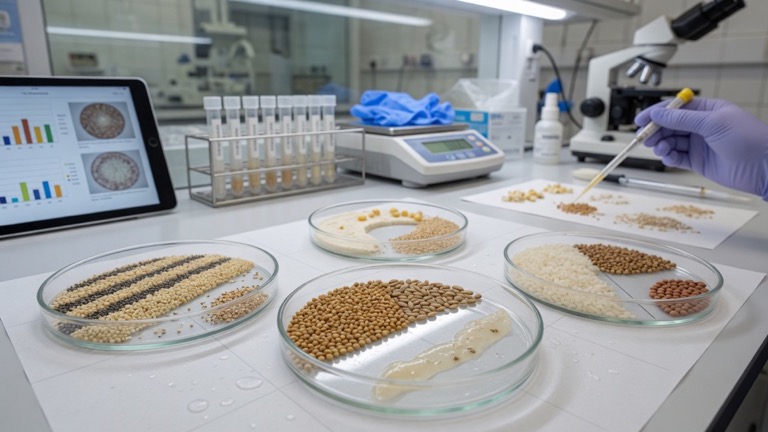
In the United States, the Food and Drug Administration (FDA) has a clear definition for what can carry that label. It means the food must contain less than 20 parts per million (ppm) of gluten. That’s a tiny, tiny amount. To put it in perspective, imagine a million grains of sand, and only 20 of them are gluten. It’s incredibly precise. For most people with celiac disease or gluten sensitivity, this level is considered safe. This isn’t just a marketing gimmick; it’s a regulated standard. The FDA takes this seriously, and so should we.
So, when you see that “gluten-free” claim, it’s like a green light. It’s a huge help.
Certified Gluten-Free: An Extra Layer of Confidence
Now, sometimes you’ll see “Certified Gluten-Free” with a specific logo on the packaging. This is even better! What’s the difference?
While the FDA sets the 20 ppm standard, “Certified Gluten-Free” means a product has been tested and verified by a *third-party organization*. These organizations often have even stricter standards, sometimes as low as 10 ppm, and they regularly audit manufacturing facilities to ensure compliance. They’re like the ultimate gluten-sniffing detectives.
You might see logos from groups like the Gluten-Free Certification Organization (GFCO), the Celiac Support Association (CSA), or NSF International. Each organization has its own specific seal. Seeing one of these seals is like getting a double stamp of approval on your passport to deliciousness. It provides an extra layer of peace of mind, especially when you’re just starting out or dealing with severe sensitivities. Want to really dig into what these certifications mean? We’ve got a whole guide on Understanding GF Certifications: What Do They Mean? that breaks it all down for you.
Becoming an Ingredient List Investigator: Your Superpower Skill
Even with “gluten-free” claims and certifications, sometimes you’ll pick up a product (especially naturally GF items like fresh produce, plain meat, or dairy) that doesn’t have a specific label. Or maybe you’re curious, and you want to truly understand what’s in your food. This is where your ingredient list investigator skills come in!
Learning to read ingredient lists is a game-changer. It’s like learning the secret language of food.
Here’s what to look for, and what to look *out* for:
- The Big Four (Main Gluten Grains): Always scan for “wheat,” “barley,” “rye,” and “triticale.” These are the primary culprits. They often appear in bold in the allergen statement, which is a big help.
- Sneaky Gluten-Containing Ingredients: This is where things get a little tricky, but you’ll master it. Watch for ingredients like malt (often from barley), malt extract, malt flavor, brewer’s yeast, soy sauce (unless specified as tamari or “gluten-free soy sauce”), and sometimes even oat ingredients (unless certified gluten-free). Oats themselves are naturally GF, but they’re often cross-contaminated during processing. This is a big one. For a deep dive into these tricky ingredients, you absolutely need to check out our post on Watch Out for Hidden Gluten: Common Names and Sources. It’s a lifesaver.
- The Allergen Statement: Food labels in many countries, including the US, require major allergens to be clearly listed. Wheat is one of these. So, if a product contains wheat, it *must* say so. This is usually in a “Contains: Wheat” statement right below the ingredient list. It’s a quick visual check.
- “May Contain” or “Manufactured in a Facility”: This is the tricky part. You’ll often see warnings like “May contain wheat” or “Manufactured in a facility that also processes wheat.” What does this mean? It means there’s a risk of cross-contamination. The product itself might not have gluten-containing ingredients, but it could have come into contact with gluten during processing or packaging. For some, especially those with celiac disease, this risk is too high. For others with milder sensitivities, it might be acceptable. It’s a personal decision, often guided by your doctor or dietitian. Trust your gut (literally!).
Don’t Be Fooled By Naturally GF Terms
Sometimes, an ingredient sounds suspicious but is actually totally fine.
* Dextrin or Maltodextrin: These are usually derived from corn or potato, not barley. Generally safe!
* Starches: Corn starch, potato starch, tapioca starch, rice starch are all GF.
* Vinegar: Most vinegars (white, apple cider, balsamic, rice) are naturally gluten-free. Distilled vinegars are safe, even if made from gluten grains, because the distillation process removes the proteins. The only exception to watch for is malt vinegar, which *is* from barley.
* Hydrolyzed Vegetable Protein (HVP): This one needs a quick check. It *can* contain wheat. If it’s derived from soy or corn, it’s typically fine. If the source isn’t specified, or if it says “hydrolyzed wheat protein,” avoid it.
When In Doubt: Pick Up the Phone!
Seriously. If you’re standing in the aisle, label in hand, and you just can’t quite tell if something is safe, there’s no shame in checking. Most food manufacturers have a customer service line (or email!) printed right on the package. Give them a call! Ask specific questions about gluten content, shared lines, and cross-contamination protocols. You’d be surprised how helpful they can be. Plus, it shows them there’s a demand for clear, safe GF products, which is a win for everyone.
Your Gluten-Free Confidence is Growing!
So, there you have it, my savvy shoppers. Decoding gluten-free labels isn’t a dark art; it’s a skill you build, one grocery trip at a time. Start by looking for the explicit “gluten-free” claim or, even better, a third-party certification. Then, flex those ingredient-investigator muscles. Learn the big four, recognize the hidden gluten, and pay attention to those allergen statements.
Remember, this isn’t about restriction; it’s about empowerment. It’s about knowing exactly what fuels your body and makes you feel your best. The world of gluten-free food is bursting with flavor, creativity, and incredible options. With these tools, you’ll feel more confident, less stressed, and totally ready to enjoy every single bite. Happy label decoding, and happy eating!