Dairy-Free Substitutions for Gluten-Free Baking (2026)

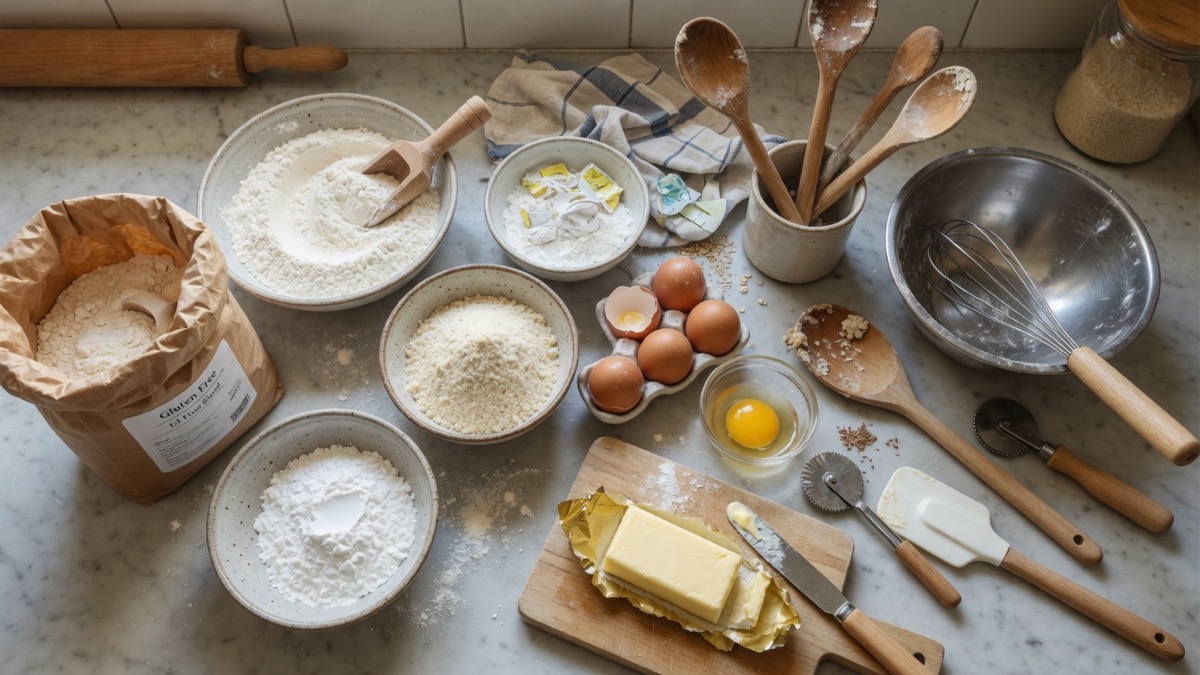
Hey there, baking buddy! So, you’re rocking the gluten-free life, and maybe, just maybe, you’re also waving goodbye to dairy. Perhaps it’s a sensitivity, an allergy, or simply a choice for how you want to nourish your body. Whatever your reason, I’m here to tell you this isn’t about deprivation. Not one bit. This is about discovering a whole new world of deliciousness. Think creamy, dreamy cakes. Think flaky, tender biscuits. Think rich, satisfying cookies. All dairy-free, all gluten-free, all incredible.
Baking without gluten and without dairy might sound like a double challenge, but honestly, it’s just a delicious puzzle waiting to be solved. And guess what? The pieces are everywhere! We’re living in 2026, and the options for amazing dairy-free swaps are better than ever. No more sad, crumbly attempts, I promise. This is about abundance, flavor, and creating treats everyone can enjoy. For an all-around guide to mastering GF baking, make sure to check out our Gluten-Free Baking Essentials.
Let’s demystify these dairy-free transformations, shall we?
Understanding Dairy’s Role in Baking
Before we swap, let’s quickly understand what dairy actually *does* in a recipe. It’s not just for flavor, though that’s a big part of it. Dairy provides fat for tenderness, moisture for a soft crumb, structure (like the proteins in milk), and contributes to browning. Sometimes it even reacts with leavening agents, like buttermilk in soda bread. Knowing this helps us pick the perfect stand-ins.
Dairy-Free Milk: Your Liquid Gold
Milk is often the most straightforward swap. Gone are the days of watery, flavorless alternatives. Today, we have a stellar lineup.
* Almond Milk: A widely available option. It’s light, has a neutral flavor, and works well in most recipes where milk isn’t the star. Great for cakes, muffins, and pancakes.
* Soy Milk: This one is a workhorse. It has a higher protein and fat content than almond milk, which can contribute to a richer texture and better browning, similar to cow’s milk. Good for breads, richer cakes, and anything needing a bit more substance. Just ensure it’s unsweetened and plain.
* Oat Milk: Oh, oat milk! Creamy, slightly sweet, and fantastic for adding a lovely richness. It has a natural thickness that’s perfect for custards, puddings, or anything you want a lusher mouthfeel from. It’s also often naturally higher in fiber.
* Cashew Milk: Super creamy, very neutral in flavor. If you want something that really mimics the texture of dairy milk without a strong nutty taste, cashew milk is your friend.
* Coconut Milk (Canned Light or Beverage): Be careful here. Canned full-fat coconut milk is thick and wonderfully creamy, amazing for richness in things like curries or custards (but strong coconut flavor!). The coconut milk you buy in a carton (the “beverage” kind) is much thinner and milder, more akin to almond or soy milk, with just a hint of coconut. Always use unsweetened varieties for baking.
Pro Tip: Stick to unsweetened, plain varieties for baking. You want to control the sugar and flavor profile yourself. Different milks have different fat percentages, which impacts texture. If a recipe calls for whole milk, a higher-fat alternative like soy or oat milk will give you better results than skim almond milk.
Butter: The Heart of Many Baked Goods
Butter provides fat, flavor, and helps create structure and flakiness. Replacing it correctly is crucial for texture.
* Vegan Butter Sticks: These are your best friend! Brands like Miyoko’s Kitchen, Earth Balance, and Melt have truly perfected the art of dairy-free butter. They come in sticks, measure cup-for-cup like regular butter, and behave similarly in terms of creaming, melting, and browning. For things like pie crusts or shortbread, this is often the closest swap.
* Refined Coconut Oil: A fantastic solid fat, especially if you’re trying to avoid soy. *Refined* coconut oil has a neutral flavor, so your baked goods won’t taste like a piña colada. It’s solid at room temperature, making it a good 1:1 swap for butter in many recipes, particularly for cookies or muffins. Just be mindful of its lower melting point compared to butter.
* Shortening (Vegetable Shortening): While not a “health food,” shortening is incredibly stable and produces wonderfully flaky crusts and light, tender biscuits. It’s flavorless and a solid fat, making it excellent for certain applications, but it won’t give you the same richness as butter.
* Mashed Avocado (for specific recipes): Yes, really! While not a direct 1:1 replacement for butter’s texture, mashed avocado can substitute for butter in some quick breads, muffins, or darker cakes. It provides moisture and healthy fats, but be prepared for a slightly greenish hue and a denser result. It’s more of a texture and moisture swap than a direct fat swap.
Little Known Fact: Different fats have different melting points, which affects how your baked goods spread and crisp. Experimentation is part of the fun!
Buttermilk: The Tangy Secret
Buttermilk adds a signature tang and reacts with baking soda to create lift and tenderness. Luckily, this one is super easy to replicate.
* DIY Dairy-Free Buttermilk: Combine 1 cup of your preferred dairy-free milk (soy or oat work best for richness) with 1 tablespoon of lemon juice or apple cider vinegar. Let it sit for 5-10 minutes until it curdles slightly. Boom! You’ve got dairy-free buttermilk. This swap works perfectly in pancakes, muffins, and quick breads.
Sour Cream and Cream: For Richness and Body
These ingredients add moisture, richness, and often a pleasant tang.
* Canned Full-Fat Coconut Cream (The Thick Part): This is your ultimate go-to for luscious richness. Chill a can of full-fat coconut milk overnight. When you open it, scoop out the thick, creamy part that’s risen to the top. This is coconut cream! It whips beautifully for “whipped cream” or adds incredible body and fat to cakes and desserts. It does have a coconut flavor, so keep that in mind.
* Dairy-Free Sour Cream: Many brands now offer excellent dairy-free sour cream made from ingredients like cultured coconut, cashews, or soy. These are fantastic 1:1 swaps in recipes like coffee cakes, dips, or anything needing that signature sour cream tang and texture.
* Cashew Cream: Soak raw cashews, then blend them with a little water until super smooth. Add a touch of lemon juice for a tangy “sour cream” effect. This is fantastic for cheesecakes, frostings, or as a rich base. The flavor is incredibly neutral.
Cream Cheese: The Cheesecake MVP
Cream cheese brings tang, richness, and a unique firmness to cheesecakes and frostings.
* Dairy-Free Cream Cheese: Just like sour cream, there are several wonderful dairy-free cream cheese options on the market made from almonds, cashews, or soy. Brands like Miyoko’s Kitchen, Kite Hill, and Daiya offer spreads that are quite convincing. They work beautifully in cheesecakes, cream cheese frostings, and savory applications. Expect a slight variation in tang and firmness compared to traditional cream cheese, so minor recipe adjustments might be needed. For example, a little extra cornstarch can help with firmness in a DF cheesecake.
* Cashew Cream Cheese (Homemade): For those who love to DIY, cultured cashew cream cheese is a game changer. It involves soaking cashews, blending them, and then often fermenting them with probiotics. This yields an incredibly rich, tangy, and spreadable “cream cheese” that’s amazing for frosting or cheesecakes. This article from Forks Over Knives shows you how simple it can be.
General Tips for Dairy-Free, Gluten-Free Baking Success
1. Read Labels: Always, always double-check labels on all your ingredients, even seemingly innocent ones. Dairy can hide in unexpected places.
2. Don’t Be Afraid to Adjust: Gluten-free flours absorb liquids differently, and dairy-free fats behave uniquely. Sometimes you might need a touch more liquid, or a tiny bit more binder like xanthan or guar gum to help with structure, especially if you’re swapping ingredients with vastly different fat content. If you’re struggling with texture, learning about Xanthan Gum vs. Guar Gum can really help.
3. Consider Flavor: Coconut-based products will impart a coconut flavor. If that’s not what you want, opt for neutral options like soy milk, cashew milk, or refined coconut oil.
4. Temperature Matters: Vegan butters often soften faster than dairy butter. Keep an eye on your ingredients and adjust chill times accordingly, especially for things like pie crusts.
5. Embrace the Process: Baking is a science and an art. Some recipes might need a tweak or two with your specific substitutes. Keep notes, have fun, and enjoy the delicious journey! And if you ever find your baked goods turning out a bit gummy, check out our tips on Preventing Gumminess in Gluten-Free Baked Goods.
Quick Reference Table: Dairy-Free Baking Swaps
| Dairy Ingredient | Dairy-Free Substitution (1:1 Ratio) | Notes |
|---|---|---|
| Cow’s Milk | Almond, Soy, Oat, Cashew Milk (unsweetened, plain) | Consider fat content; oat/soy for richer texture. |
| Butter | Vegan Butter Sticks, Refined Coconut Oil, Shortening | Vegan butter for best 1:1. Refined coconut oil is neutral. |
| Buttermilk | 1 cup DF milk + 1 tbsp lemon juice/ACV | Let sit 5-10 mins to curdle. Soy or oat milk best. |
| Sour Cream / Heavy Cream | DF Sour Cream, Canned Full-Fat Coconut Cream (thick part), Cashew Cream | Coconut cream for richness (has coconut flavor). DF sour cream for tang. |
| Cream Cheese | DF Cream Cheese Alternative, Cashew Cream Cheese | Look for reputable brands. May need minor texture adjustments in some recipes. |
You’ve got this! Going dairy-free in your GF baking isn’t a limitation; it’s an invitation to explore. It’s about opening your pantry to new possibilities and creating incredible treats that everyone, regardless of dietary needs, will swoon over. So grab your mixing bowls, unleash your inner baker, and let’s make some magic. Your taste buds (and your tummy) will thank you!