Innovations in Gluten-Free Fermented Foods: Sourdough and Probiotics (2026)

Hey there, my gluten-free gourmands and curious culinary explorers! It’s me, your pal in all things GF, ready to dish out some seriously exciting news. You know, sometimes it feels like the gluten-free world just keeps getting better, doesn’t it? Like finding an extra fry at the bottom of the bag, but way more delicious and scientifically cool. Today, we’re diving fork-first into an area that’s truly transforming how we eat and feel: Research & Innovations in Gluten-Free, specifically focusing on fermented foods. We’re talking sourdough and probiotics, two titans of taste and gut health, now doing incredible things in our GF world.
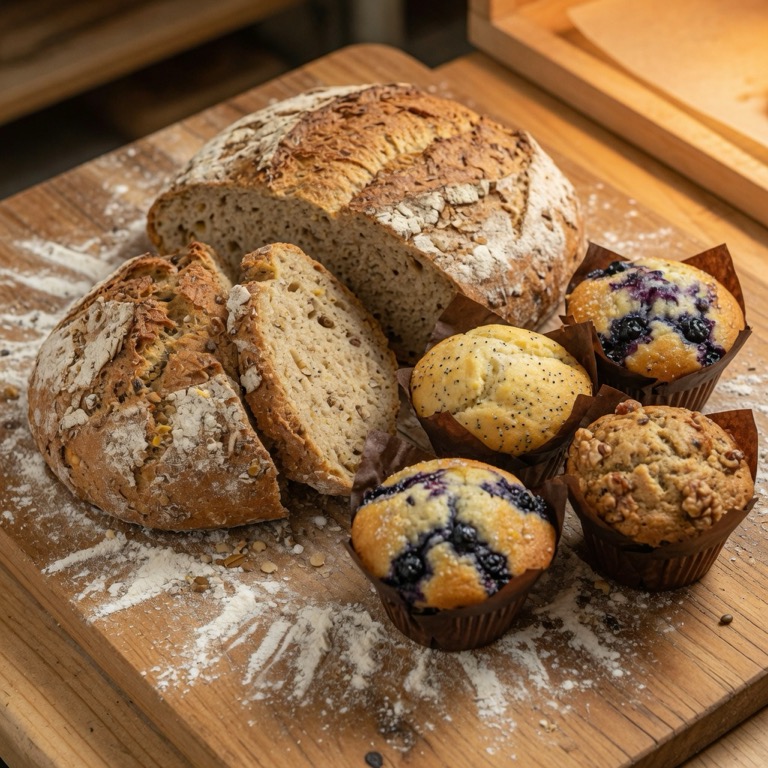
Remember the days when gluten-free bread was, well, a bit of a brick? Those times are becoming a distant, crumbly memory. In 2026, we’re seeing a delicious renaissance, thanks to clever innovations in fermentation. This isn’t just about avoiding gluten; it’s about actively enhancing our food, making it more digestible, more nutritious, and absolutely bursting with flavor. And who doesn’t want that?
The Sourdough Revolution: Gluten-Free Style
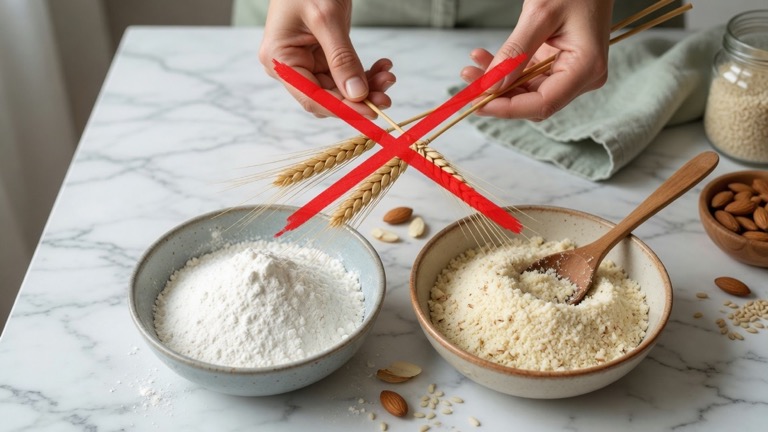
For ages, sourdough seemed like a mythical beast to those of us on a GF diet. That chewy crust, the tangy crumb, the incredible aroma – it all relied on gluten for its structure. Traditional wheat sourdough starters contain specific microbes that break down gluten, but they still *contain* gluten. So, for Celiacs or those with gluten sensitivities, it was a no-go. But hold onto your bread baskets, because that’s all changing.
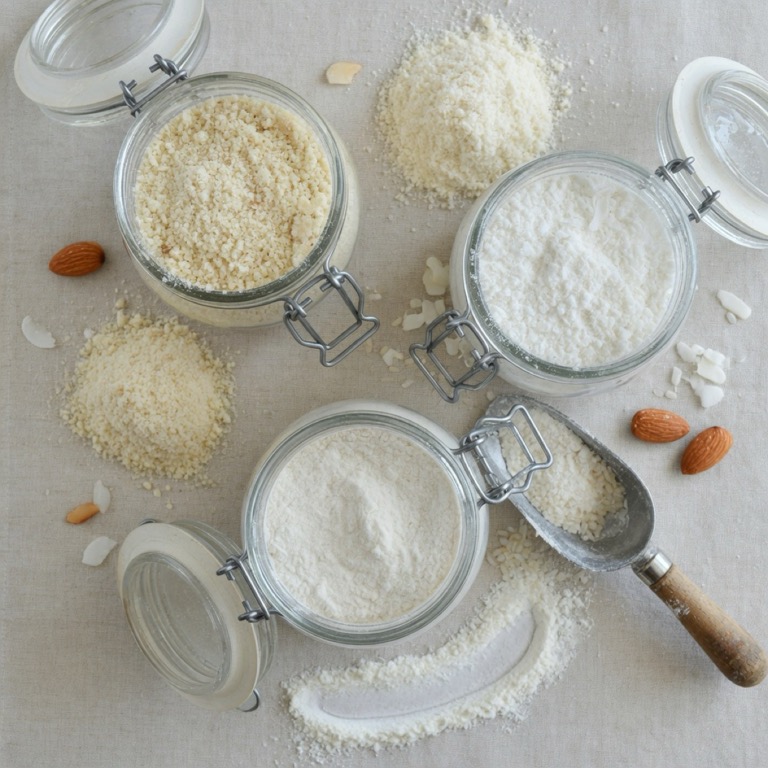
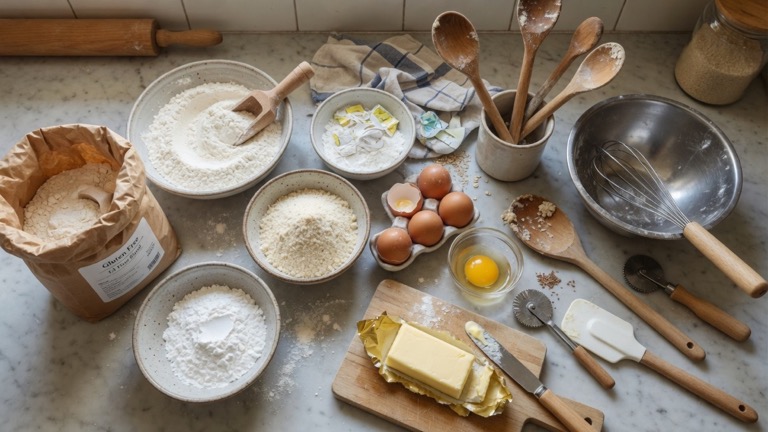
Think of traditional sourdough as a bustling city, full of wheat-loving inhabitants. Our GF innovators basically decided, “Okay, we’re building a new city, just as vibrant, but with different architecture and residents.” They’ve been experimenting with a beautiful array of gluten-free flours – sorghum, teff, millet, buckwheat, brown rice, even quinoa. It’s a fantastic showcase of The Rise of Ancient Grains in Gluten-Free Baking. These flours, while naturally gluten-free, don’t have the same elasticity as wheat. So, the challenge wasn’t just swapping ingredients; it was about totally rethinking the sourdough process.
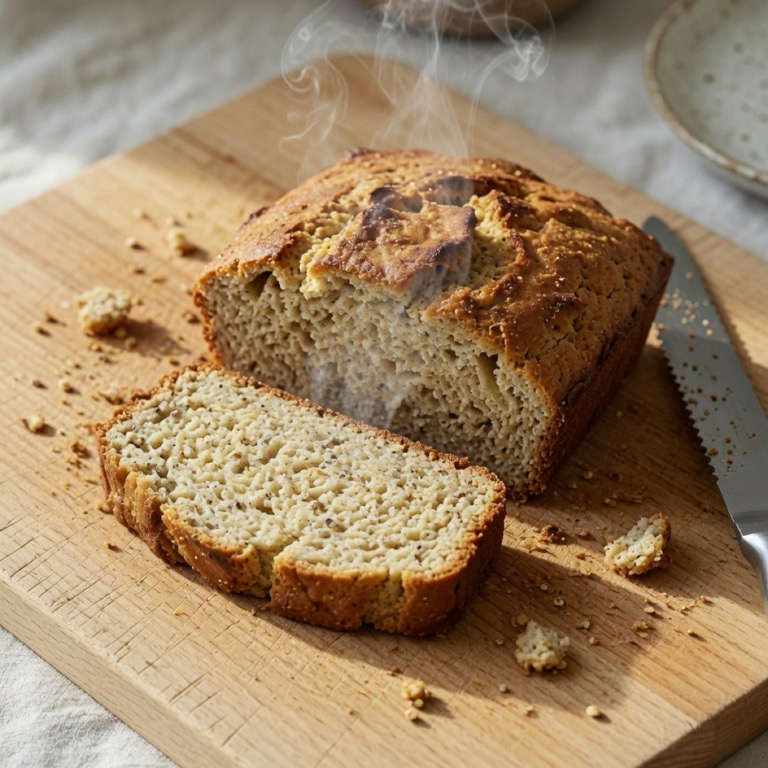
What’s the secret sauce? It’s a combination of smart flour blends and, crucially, the right starter cultures. Scientists and artisanal bakers alike are developing GF sourdough starters using unique combinations of lactic acid bacteria (LAB) and wild yeasts specifically adapted to these gluten-free grains. These little microbial superheroes go to work, predigesting the starches and proteins in the flours. This process makes the bread easier on your digestive system. Plus, it unlocks a depth of flavor that commercial GF breads often miss. We’re talking about those wonderful, complex sour notes, a delightful chew, and an open crumb structure that used to be impossible without gluten.
It’s not just about taste, though. Fermentation actually improves the nutritional profile of these grains. It can reduce anti-nutrients (compounds that hinder nutrient absorption) and increase the bioavailability of vitamins and minerals. So, your GF sourdough isn’t just a treat; it’s a tiny health powerhouse. From the big bakeries to the dedicated home bakers, incredible GF sourdough loaves, bagels, and even pizza crusts are popping up everywhere. It’s a glorious time to be a GF bread lover.
Probiotics: Your Gut’s Best Friends, Now More GF Than Ever
Now, let’s chat about probiotics. You’ve probably heard the buzz about gut health, right? Your gut microbiome, that bustling community of trillions of microorganisms living in your digestive tract, plays a huge role in everything from digestion to immunity. For many of us in the GF club, especially those with Celiac disease, our gut health might need a little extra TLC. Probiotics, those beneficial living microorganisms, can be incredibly helpful allies.
When you think of probiotics, yogurt often comes to mind. But for those avoiding dairy or looking for more diverse sources, the landscape of GF probiotic foods has truly exploded. It’s like discovering a whole new grocery aisle dedicated just to happy gut bugs.
We’re seeing amazing innovations beyond your standard sauerkraut (though, let’s be real, a good kraut is always a win!). Here are some fantastic, growing trends:
* Kefir and Kombucha (GF Varieties): These fermented beverages are widely available in GF options. Kefir, traditionally dairy-based, now has delicious coconut, almond, or cashew milk versions, teeming with diverse bacterial strains. Kombucha, a fermented tea, is naturally GF and offers a refreshing dose of probiotics. Always double-check labels for any added ingredients, just to be safe.
* Fermented Vegetables (Beyond Cabbage): While sauerkraut and kimchi are fantastic, innovators are fermenting all sorts of vegetables. Think carrots, beets, green beans, or even mixed vegetable slaws. These artisanal ferments often boast a wider variety of beneficial bacteria than their mass-produced counterparts. They’re crunchy, tangy, and a wonderful way to diversify your gut flora.
* Plant-Based Yogurts and Cheeses: The quality and variety of plant-based yogurts (from oat, coconut, almond, and soy) have dramatically improved. Many are now fortified with specific probiotic strains, making them a delicious and accessible way to get your daily dose. Plant-based cheeses, once a rarity, are also being fermented to develop complex flavors and textures, often introducing beneficial cultures in the process.
* Tempeh and Natto: These traditional fermented soy products are naturally GF and incredible sources of probiotics (and protein!). Tempeh, with its firm, meaty texture, is fantastic in stir-fries or baked. Natto, a Japanese fermented soybean dish, might be an acquired taste for some (it’s got a unique sticky texture and strong aroma), but it’s a probiotic superstar.
* Specialty GF Bread Products: Yes, back to bread! Beyond sourdough, some GF breads are now being developed with added probiotic cultures to give you a double whammy of gut goodness.
So, how do you pick a good probiotic product? It’s not just about the word “probiotic.” Look for products that list specific strains (like *Lactobacillus acidophilus* or *Bifidobacterium lactis*) and their quantity, often measured in CFUs (colony-forming units). A higher CFU count (billions, not millions) generally means more live bacteria making it to your gut. Different strains offer different benefits, so diversity is key for a truly happy gut garden. You can learn more about how our food processing impacts nutritional value, including probiotics, by checking out The Impact of Processing Methods on Gluten-Free Nutritional Value.
The Synergy: A Delicious Double Whammy
Imagine pairing a slice of tangy GF sourdough, rich with its own probiotic cultures, with a side of crunchy fermented carrots or a dollop of probiotic-rich plant-based yogurt. That’s not just a meal; it’s a party for your gut microbiome! The beauty of these innovations is their synergy. The pre-digested nature of sourdough makes it easier to digest, while the probiotics actively support your gut health. It’s a win-win, really.
These advancements mean we no longer have to settle for bland, nutritionally empty GF alternatives. We can actively seek out foods that are not only safe for us but also contribute positively to our overall health and well-being. It’s about building a diet that nourishes every part of you, from your taste buds to your gut lining.
The Future is Fermented and Fabulous!
What’s next? I predict even more personalized approaches to GF fermentation. We might see home fermentation kits specifically designed for different GF flours, allowing us to experiment with unique starter cultures. More research will continue to reveal the specific health benefits of different GF fermented foods and their microbial communities. It’s a dynamic and exciting field.
So, go ahead! Get adventurous with your GF diet. Try that artisanal GF sourdough from your local baker. Grab a new flavor of probiotic kombucha or a jar of fermented veggies. Your taste buds, and your gut, will thank you for it. This isn’t just eating GF; it’s eating brilliantly, abundantly, and joyfully. Cheers to a delicious, fermented future!