Beyond Rice and Corn: Novel Starches in Gluten-Free Food Production (2026)

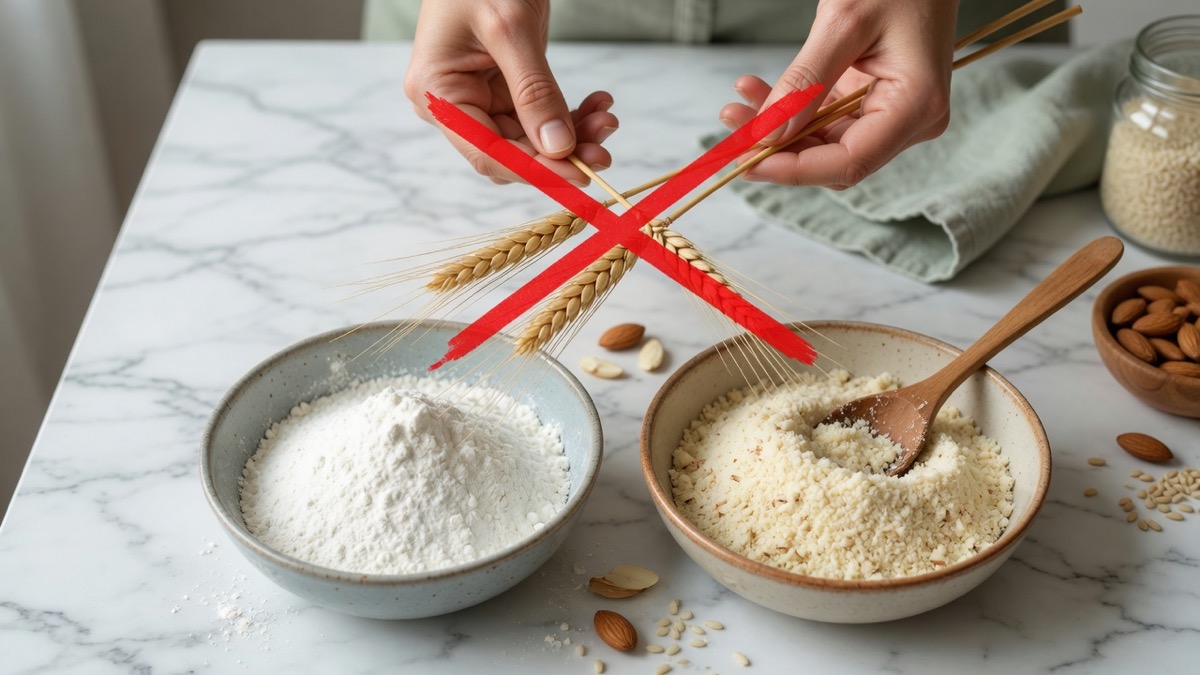
Oh, my gluten-free friends! Gather ’round. We need to talk about something truly exciting, something that’s quietly transforming our GF kitchens and making those once-elusive textures a delicious reality. For too long, rice and corn have been the undisputed reigning monarchs of the gluten-free starch world. They’re good, absolutely. They’ve held down the fort, given us bread, pasta, and cookies. But honestly, sometimes those results felt a little… gritty, a little crumbly, a little *meh*, right? We’ve all been there, trying to make a GF cake that crumbles if you look at it funny.
Well, guess what? The culinary landscape is shifting faster than a batch of perfectly risen GF dough. We’re venturing boldly Beyond Rice and Corn: Novel Starches in Gluten-Free Food Production, and it’s a world bursting with possibility. Forget limitations. We’re diving headfirst into an era of abundance, incredible textures, and seriously good eats. This isn’t just about avoiding gluten; it’s about crafting foods that are genuinely fantastic, full stop.
Why Go Beyond the Usual Suspects?
Think of it like this: your kitchen pantry is a symphony orchestra. Rice and corn starches are like your reliable violin and cello, always there, always playing their part. But what if you could add a vibrant brass section, a playful woodwind, or even some exotic percussion? That’s what novel starches bring to our GF cooking. They add nuance, depth, and completely new dimensions to flavor and texture.
The truth is, wheat starch, with its gluten network, is a pretty powerful binder and structure-builder. Replicating that magic in gluten-free foods has been the holy grail for food scientists and home bakers alike. And relying solely on rice and corn starches sometimes left us with products that were either too dense, too crumbly, or just… flat. They lacked that spring, that chew, that perfect moistness we crave.
But now, thanks to some clever folks in white coats and a renewed focus on ancient grains and forgotten plants, a whole new cast of starchy superheroes is stepping into the spotlight. These aren’t just flours; these are highly functional ingredients, often modified or extracted to give specific textural benefits. They’re solving some of our biggest GF challenges, one delicious bite at a time.
Green Banana Starch: The Gut-Friendly Game Changer
Let’s kick things off with a personal favorite: green banana starch. Yes, you heard that right! We’re talking about the humble banana, specifically unripe ones, which are packed with something truly special.
When bananas are still green, their starch is mostly “resistant starch.” This stuff is amazing. Our bodies don’t digest it in the small intestine. Instead, it travels all the way to the large intestine, where it acts as a prebiotic. Think of prebiotics as superfood for your good gut bacteria. They ferment it, producing beneficial short-chain fatty acids that are wonderful for gut health.
In GF cooking, green banana starch brings more than just a gut-friendly boost. It’s fantastic for thickening and binding. It has a neutral flavor, so it won’t make your brownies taste like a fruit salad. Plus, it can help reduce the glycemic index of foods, meaning fewer sugar spikes. Imagine: a GF cookie that’s not only delicious but also supporting your gut flora! Now that’s a win-win. You’ll find it popping up in GF breads, pancakes, and even smoothies. It’s a subtle powerhouse.
Waxy Maize Starch: The Smooth Operator
Next up, let’s talk about waxy maize starch. Don’t let the name scare you off; there’s no wax involved. This refers to a specific type of corn (maize) that produces starch composed almost entirely of amylopectin. Why does this matter? Well, regular corn starch has a mix of amylose and amylopectin. Amylose is the straight-chain part of starch that can cause retrogradation (that staling effect where baked goods get hard and crumbly over time). Amylopectin, on the other hand, is highly branched.
What does this mean for your GF goodies? Waxy maize starch creates incredibly stable gels and thickens sauces without clumping. It provides a wonderfully smooth, almost creamy texture, and it’s very resistant to breaking down under heat or acidic conditions. If you’ve ever had a GF gravy or sauce that separated or became watery, waxy maize starch is here to save the day. It helps prevent syneresis (that watery separation) and keeps things beautifully uniform. It also contributes to a lovely elasticity and chew in baked goods. So, for those GF pies, gravies, or even some delicate pastries, this starch is your secret weapon for silken results. It’s what gives many commercial GF products that delightful mouthfeel.
Sorghum Starch: The Wholesome Workhorse
Sorghum, an ancient grain with a rich history, is another unsung hero. While we often see sorghum flour, sorghum starch itself is gaining traction. This grain is naturally gluten-free and has a mild, slightly sweet, nutty flavor that many find appealing.
Sorghum starch offers good gelling properties and can contribute to a softer crumb in GF baked goods. It’s also often a good source of fiber and antioxidants, which is always a bonus. Unlike some other starches that can be quite bland, sorghum brings a little extra character to the party. It can help improve the texture of breads, giving them more structure and a pleasant chew, without making them heavy. It’s a fantastic alternative that moves us away from the same old rice-corn combo, offering a different textural experience and a subtle earthy note. Think about how a Plant-Based Protein like pea protein can add structure to a GF product; sorghum starch plays a similar, though starchy, supportive role.
Sago Starch: The Tropical Texturizer
From the heart of the sago palm tree comes sago starch. This is a fascinating ingredient, a staple in many tropical regions, but relatively new to the mainstream GF scene in the West. It looks like small, translucent pearls when raw, but when cooked, it becomes completely clear and creates a wonderfully soft, gelatinous texture.
Sago starch is incredibly good at thickening and binding. It provides a unique chewiness and elasticity, especially when used in puddings, desserts, and even some GF noodles or dumplings. It’s particularly useful for creating dishes with a delicate, melt-in-your-mouth quality. Imagine a GF tapioca pudding, but with an even more ethereal texture. That’s sago starch doing its thing. It helps with moisture retention, too, keeping those GF treats from drying out too quickly. For anyone exploring new textures and subtle tropical notes, sago is an exciting discovery.
Arrowroot Starch: The Delicate Thickener
Finally, let’s talk about arrowroot starch. This one might sound a little more familiar, but its true power in GF baking is often underestimated. Derived from the rootstock of tropical plants, arrowroot is an incredibly fine, white powder.
What makes it special? Arrowroot starch is known for creating exceptionally clear, glossy sauces and gravies, without the cloudiness you sometimes get from cornstarch. It thickens at a lower temperature than cornstarch and tolerates acidic ingredients well. Plus, it gives a lovely silky mouthfeel without any starchy aftertaste. For delicate sauces, fruit pie fillings, or even light, airy GF baked goods where you want a crisp crust and tender interior, arrowroot is your friend. It’s less prone to breaking down than some other starches, offering stability in your culinary creations.
The Science Bit (Simplified, I Promise!)
Okay, let’s get just a tiny bit geeky, but in a totally approachable way. All starches are basically chains of glucose molecules. The magic happens because these chains come in different arrangements, primarily amylose (straight chains) and amylopectin (branched chains).
When you add liquid and heat, these starch granules absorb water and swell up, a process called “gelatinization.” Think of it like tiny sponges soaking up water and plumping up. This is what thickens your sauce or gives structure to your cake. As things cool, some of those starch chains want to realign and get cozy again, which is “retrogradation.” This is often what makes GF bread stale or crumbly faster than wheat bread.
Novel starches are brilliant because they have different ratios of amylose and amylopectin, or they might be “modified” (a fancy word for a natural process that changes their structure slightly) to resist retrogradation. They might have a higher gelatinization temperature, or create a stronger, more flexible gel. These subtle differences have massive impacts on the final texture, crumb, and shelf life of our beloved GF foods. They help us fight the dreaded crumbly bread syndrome and achieve that coveted tender, moist consistency.
The Future is Deliciously Bright
These novel starches are not just passing fads. They represent a significant step forward in making gluten-free food truly indistinguishable from (and often superior to!) its gluten-containing counterparts. From improving the texture and elasticity of GF pasta to adding incredible moisture and shelf stability to breads and cakes, their impact is profound. We’re seeing less of that “gluten-free compromise” and more of a genuine culinary delight.
As food manufacturers and home cooks alike become more familiar with these ingredients, our options will just keep expanding. You’ll see them in everything from artisan GF bread mixes to gourmet GF frozen meals. Plus, many of these starches offer additional nutritional benefits, like the resistant starch in green banana starch or the fiber in sorghum, making our GF diets even healthier. This ongoing innovation, including efforts to reduce Cross-Contamination: Advanced Testing and Manufacturing, means more safe, delicious options for everyone.
So, next time you’re perusing the GF aisle or planning your next baking adventure, remember that there’s a whole world beyond rice and corn. Embrace the new. Experiment with the unexpected. Your taste buds (and your gut!) will thank you for joining this exciting journey into the future of gluten-free eating. It’s an adventure, and honestly, it tastes incredible.
Sources: