Innovations in Gluten-Free Bread Texture: A Scientific Review (2026)

Your GF Bread Journey Just Got Delicious: Unpacking the Science of Perfect Texture
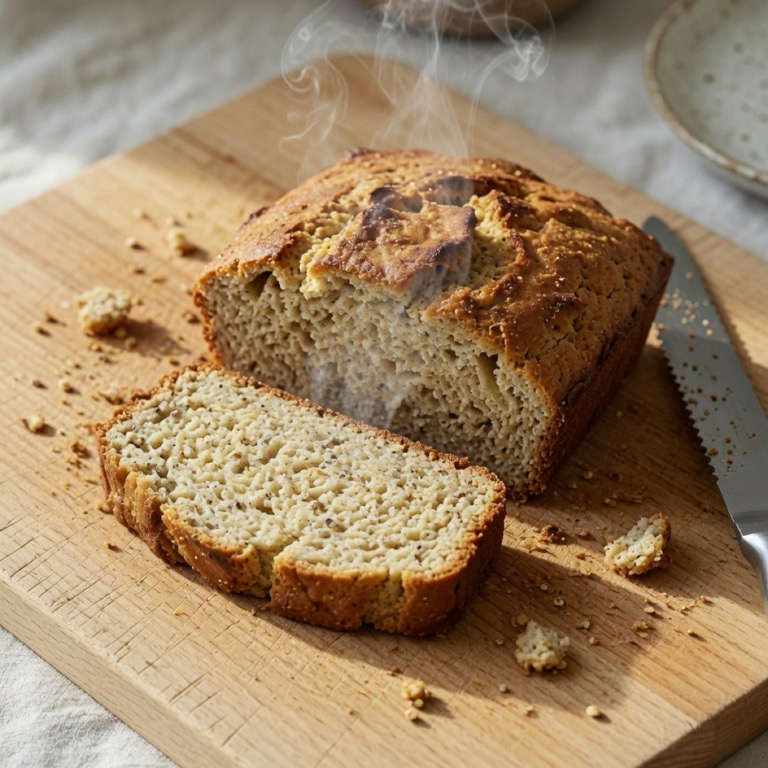
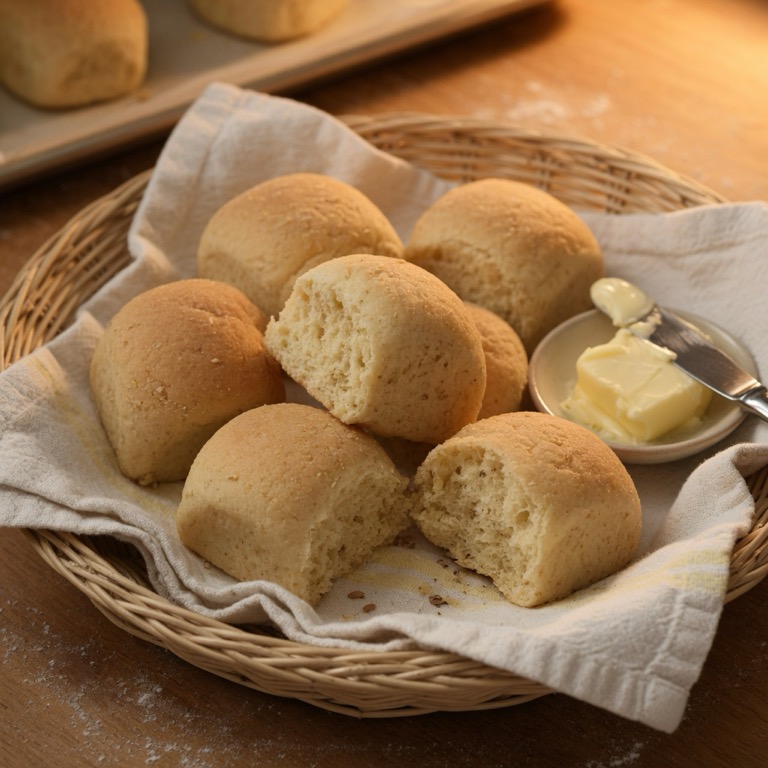
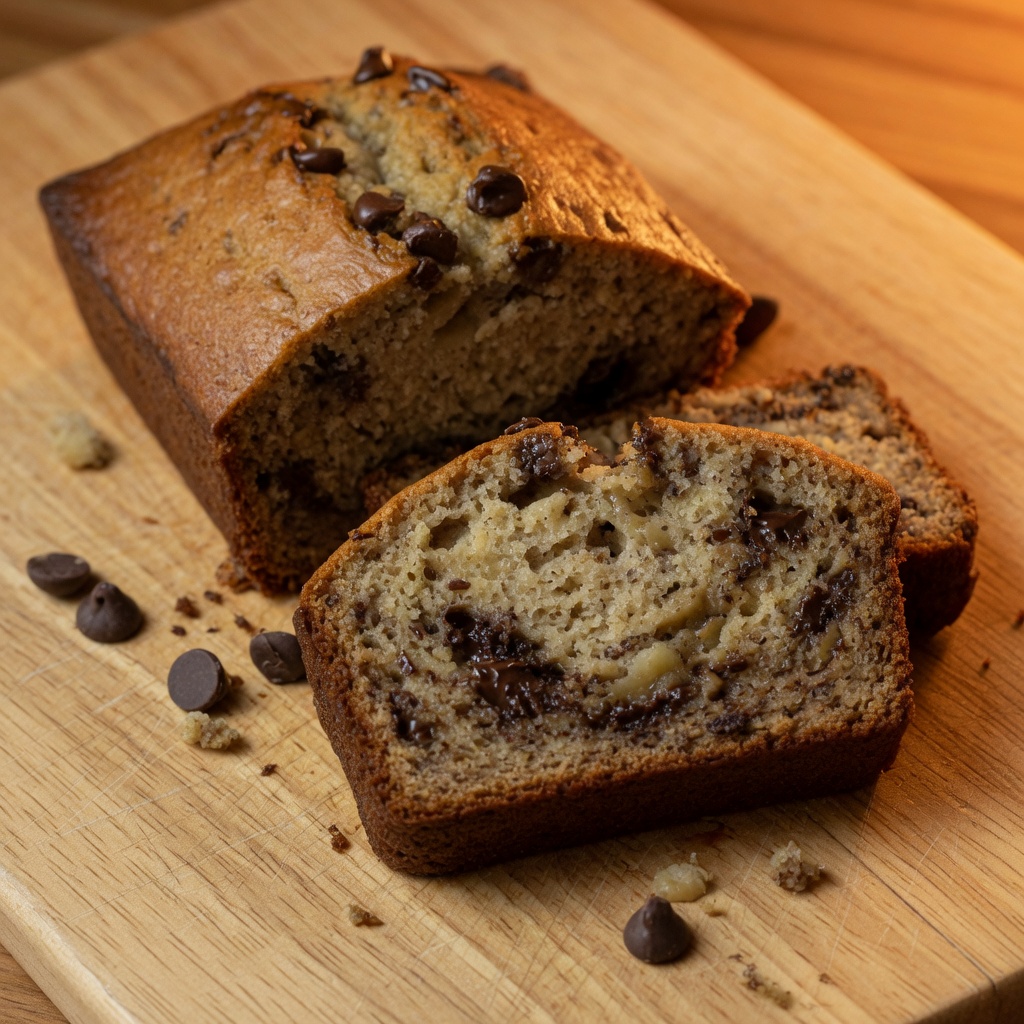
Remember those early days of gluten-free bread? Oh, honey, we’ve all been there. The crumbly slices, the dry corners, the sudden urge to toast everything within an inch of its life just to make it palatable. It felt like a compromise, didn’t it? A necessary sacrifice for our happy, gluten-free bellies. But hold onto your sourdough starters, friends, because things have changed. Big time. The world of GF bread texture isn’t just improving, it’s flourishing, thanks to some seriously clever science. We’re talking about breads that actually bend, that boast a tender crumb, and that don’t crumble into a thousand pieces when you look at them sideways. This is all part of the exciting Research & Innovations in Gluten-Free that are transforming our plates. So, grab a cup of tea (or a slice of amazing GF toast), and let’s peel back the layers on how scientists are bringing us bread that truly feels like, well, *bread*.
The Gluten Conundrum: Why Bread Texture Was Such a Big Deal
First, a quick refresher. Why was traditional bread so tricky to replicate? It all comes down to gluten, that stretchy network formed by proteins in wheat, barley, and rye. Think of gluten like a microscopic scaffolding. It gives dough its elasticity, its ability to spring back. This unique property, called viscoelasticity, allows the dough to stretch incredibly thin without breaking, trapping gas bubbles from yeast. That trapped gas is what makes bread light and airy. Gluten also contributes significantly to the chewiness we associate with good bread.
Without that natural, interconnected scaffolding, early GF doughs often felt more like a thick batter. They struggled to hold any structure. This is why many initial GF loaves often resembled dense bricks more than artisanal creations. The challenge for food scientists was clear: how do you mimic gluten’s incredible functionality using completely different ingredients? The answer, as it turns out, involved a lot of ingenuity and a deep dive into molecular gastronomy.
Hydrocolloids: The Unsung Heroes of GF Structure
Enter hydrocolloids. Sounds fancy, right? Basically, these are water-loving ingredients, often gums or fibers, that are masters at thickening, gelling, and stabilizing. They’re the silent partners, working behind the scenes to give GF bread its much-needed backbone.
Imagine trying to build a house without any studs. That’s GF bread without hydrocolloids. These clever ingredients step in, helping create a gel-like matrix that traps air, mimics gluten’s elasticity, and prevents dryness. It’s like magic, but it’s pure science! A study published in the Food Hydrocolloids journal frequently discusses how these components impact dough rheology, the way dough flows and deforms. Their ability to hold water is especially important, preventing the rapid staling that used to plague GF loaves.
Here are some star players in the hydrocolloid family:
- Xanthan Gum: A superstar in many GF recipes, xanthan gum is known for its ability to create a significant increase in viscosity (thickness) even at low concentrations. It helps thicken doughs and improve elasticity, making your bread less crumbly and more cohesive.
- Guar Gum: Often used in conjunction with xanthan gum, guar helps with overall dough consistency, adds moisture retention, and can improve the crumb softness. It’s a fantastic team player.
- Psyllium Husk: This fibrous marvel is a fantastic water binder. When it absorbs liquid, it forms a gel that adds substantial structure and a delightful chew, often giving a slightly more ‘whole grain’ texture. Many bakers swear by it for a flexible crumb that doesn’t fall apart.
- Methylcellulose: A cellulose derivative, methylcellulose has a unique thermal gelation property. This means it forms gels upon heating (during baking) and melts upon cooling. This special characteristic helps set the structure during baking and then softens as the bread cools, significantly improving tenderness and reducing chewiness. It’s truly a texture chameleon.
Each hydrocolloid has its own personality, and blending them strategically is where the true artistry (and science) lies. It’s about finding the perfect dance partners for your flour blend to achieve a specific desired outcome, from a chewy artisan loaf to a cloud-soft sandwich bread.
Enzymes: The Tiny Architects of Tenderness
Next up, let’s talk enzymes. These are natural proteins that act like tiny biological scissors or construction workers, snipping apart molecules or building new ones. In GF bread, they’re doing some serious heavy lifting to fine-tune texture.
Think of them as precision tools. They don’t just add bulk; they actually transform the dough’s internal chemistry. It’s pretty cool. Research detailed by institutions like Cornell University’s Department of Food Science has consistently shown the precise effects of various enzymes on crumb softness and structure.
Let’s look at some key enzyme players:
- Amylases: These enzymes break down starches into simpler sugars. In GF bread, this can mean several things: better browning on the crust (from more available sugars), a softer, more pliable crumb inside, and improved moisture retention. They help keep your bread from feeling dense or tough, contributing to a more pleasant mouthfeel.
- Transglutaminases: These amazing enzymes create new links between protein molecules. In GF dough, where gluten’s protein network is absent, transglutaminases can help strengthen existing protein structures, improving elasticity and giving that elusive ‘chew’ we often miss in GF products. It helps create a more resilient crumb.
- Proteases: While typically known for breaking down proteins, proteases can be used in controlled ways in GF doughs. Sometimes, a slight breakdown of certain proteins can actually prevent a rubbery texture in specific GF applications, creating a more tender product. It’s all about finding the right balance and application.
Working with enzymes allows bakers and food scientists to sculpt the bread’s internal architecture, creating everything from fluffy sandwich loaves to rustic, chewy boules. This level of control, enabling such specific texture modifications, was unimaginable just a few years ago.
Protein Power-Ups: Building Blocks for Better Bites
Beyond the traditional flour blends, new protein sources are stepping into the GF bread spotlight, big time. These aren’t just for nutrition; they’re bona fide texture enhancers.
Plant-based proteins, especially, are proving to be superstars. They help form a kind of network that can partially stand in for gluten, giving dough more strength and elasticity. Pea protein, faba bean protein, potato protein, and even lentil protein are showing up in ingredient lists. They contribute to a more cohesive dough, a finer crumb, and sometimes even a lovely golden crust. It’s like adding extra rebar to our bread’s internal structure, making it much stronger and more flexible. These proteins can absorb water, create gels, and form films, all contributing to a better bread experience. Curious about how these work? Dive into the details with our post on Plant-Based Proteins as Gluten-Free Binders and Enhancers. Their impact on dough extensibility and crumb resiliency cannot be overstated.
Advanced Flour Blends: The Symphony of Grains and Starches
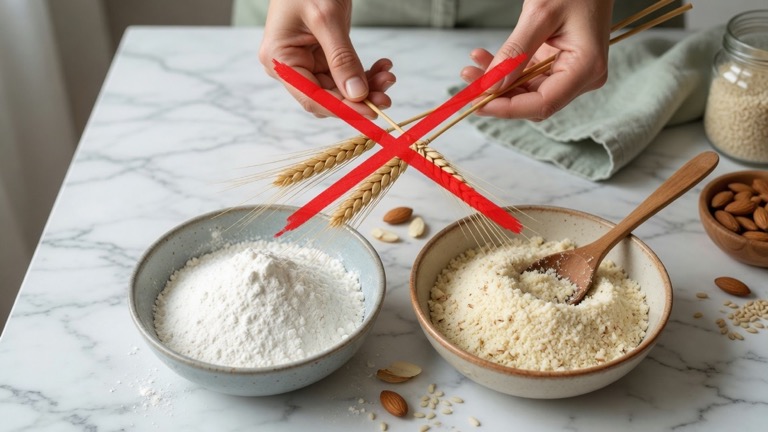
Gone are the days when GF bread meant just a basic mix of rice flour and tapioca starch. Today’s flour blends are intricate, scientifically formulated works of art.
Creating the perfect GF flour blend is like composing a masterpiece. Each ingredient plays a specific role, contributing unique properties to the final texture and flavor. We’re talking about a thoughtful mix of:
- Whole Grains: Sorghum, millet, teff, and buckwheat aren’t just nutritious; they bring earthy flavors, fiber, and specific protein structures that can improve crumb structure and density. Sorghum, for instance, offers a mild flavor and smooth texture, while teff provides a slightly malty, denser crumb.
- Starches: Tapioca, corn, and potato starches offer lightness and tenderness. They’re great for that soft, pillowy feel. Potato starch contributes to a creamy mouthfeel, while tapioca brings elasticity and a slightly chewy quality. These starches gelatinize during baking, forming the core structure.
- Legume Flours: Chickpea, lentil, or faba bean flours add protein, density, and often a slightly nutty flavor. They can significantly improve the nutritional profile and contribute to a stronger crumb structure when carefully balanced.
The trick is balancing these components. Too much starch, and your bread might be too soft or gummy. Too much whole grain, and it could be dense and crumbly. Scientists are figuring out the exact ratios, sometimes even using specific starch types from different botanical sources to fine-tune the gelation and retrogradation properties (that’s the fancy word for how starches can stiffen over time, making bread stale). This is truly The Science of Gluten-Free Flours: Blending for Optimal Results in action.
We’re seeing blends that prioritize specific attributes: a crusty baguette texture, a soft sandwich loaf, or a hearty artisan boule. It’s all thanks to understanding how each flour interacts on a molecular level, and how their specific amylose-to-amylopectin ratios affect the final crumb. Pretty amazing, right?
The Magic of Moisture and Mastering Mixing
Texture isn’t just about ingredients; it’s also about how we treat the dough. Two big factors are moisture content and mixing techniques.
GF doughs often need significantly more hydration than their gluten-containing cousins. Water helps activate those hydrocolloids and starches, allowing them to swell and form their structure. It also keeps the final product from drying out too quickly, contributing to a better shelf life. It’s like giving your ingredients a good, long drink so they can do their best work. Achieving the optimal water activity (the amount of unbound water in a food) is a science in itself.
And mixing? Oh, it’s crucial. Unlike traditional wheat doughs which benefit from extensive kneading to develop gluten, GF doughs require different approaches. Gentle folding, specific kneading patterns that build air without overworking starches, or even high-shear mixing can dramatically impact the final crumb. Some innovations involve techniques borrowed from other food industries, like using vacuum mixers to degas dough, creating a finer, more uniform crumb with fewer large air pockets. Others experiment with different resting times and proofing conditions (temperature and humidity controlled environments) to let those tiny bubbles expand perfectly. It’s about coaxing the best out of every component, ensuring maximum aeration and ideal gel formation.
Yeast, Sourdough, and Fermentation Finesse
Fermentation isn’t just about making dough rise; it’s a flavor and texture powerhouse. In the GF world, it’s getting some serious attention.
Traditional baker’s yeast (Saccharomyces cerevisiae) helps with the lift, sure. But sourdough starters, carefully maintained with GF flours like brown rice, sorghum, or buckwheat, bring a whole new dimension. They introduce beneficial lactic acid bacteria and wild yeasts that contribute complex acids (like lactic and acetic acid) and gases. This means incredible depth of flavor (that tangy goodness!) and a more open, airy crumb. The acids also help to break down some of the starches, making them more available for texturizing components and potentially aiding in digestibility. It can also help with the bread’s shelf life, naturally. Sourdough essentially predigests some of the starches, modifying them for better texture and less staling. It’s slow food science, but the results are worth the wait.
Controlled fermentation, whether with commercial yeast or a meticulously fed GF sourdough starter, is becoming a key tool for achieving that desired chewiness, aroma, and even the nutritional profile of GF bread. It’s a testament to patience and precision, yielding breads that rival their gluten-containing counterparts in complexity and delight.
Looking Ahead: The Delicious Future of GF Bread (2026 and Beyond)
So, where are we headed? In 2026, the GF bread aisle already looks incredibly different from just a few years ago. But the innovation isn’t slowing down.
Scientists are exploring new ways to use ingredients like upcycled potato fiber, spent grain from GF breweries, and even mushroom mycelia to create novel textures and add nutritional value. We’re seeing more research into personalized flour blends, where specific dietary needs (beyond just gluten-free) and desired textures can be met with tailored formulations. There’s also a growing interest in using AI and machine learning to predict how ingredient combinations and processing parameters will affect dough properties, speeding up the development of new recipes significantly. Imagine a computer helping to design your perfect GF baguette, crunching data on rheology and starch retrogradation! The possibilities are truly exciting, and they only promise more deliciousness for us all. The future of GF bread is bright, bouncy, and oh-so-tasty.
The Crumb-y Truth: It’s Never Been Better!
The journey to truly fantastic gluten-free bread has been a long one, marked by trial, error, and a whole lot of scientific curiosity. But today, thanks to incredible strides in understanding ingredients like hydrocolloids, enzymes, and the magic of precision flour blending, our GF bread options are nothing short of spectacular. We can finally enjoy soft, chewy, flavorful loaves that don’t just stand in for their gluten-filled counterparts, but often surpass them in taste and texture. This amazing progress is a direct result of the dedicated Research & Innovations in Gluten-Free that continue to push boundaries. So go ahead, reach for that sandwich, toast that slice, or tear into a fresh boule. This isn’t just GF bread; it’s the delicious reality of science meeting your plate. Celebrate the abundance, friends, because the future of GF bread is here, and it’s absolutely delicious!