Budget-Friendly Gluten-Free Products: Smart Shopping Tips (2026)

Hey there, GF superstar! Ever feel like your wallet takes a bigger hit than your gluten-loving friends’ wallets when you’re grocery shopping? You’re not alone. It’s a common grumble, the idea that a gluten-free lifestyle automatically means a bigger grocery bill. But guess what? It doesn’t have to be that way. Eating gloriously gluten-free can be absolutely delicious and, dare I say, *budget-friendly*.
Think of it like this: your GF journey is a delicious adventure, not a financial drain. With a few smart moves and a dash of planning, you can fill your cart with amazing, safe food without emptying your bank account. We’re here to talk about smart shopping, because knowing your stuff is half the battle. If you’re looking for a wider overview of what’s out there, be sure to check out our main guide on Gluten-Free Products & Trusted Brands. But for today, let’s zero in on the green stuff, as in, saving it!
The Golden Rule: Embrace Naturally GF Foods
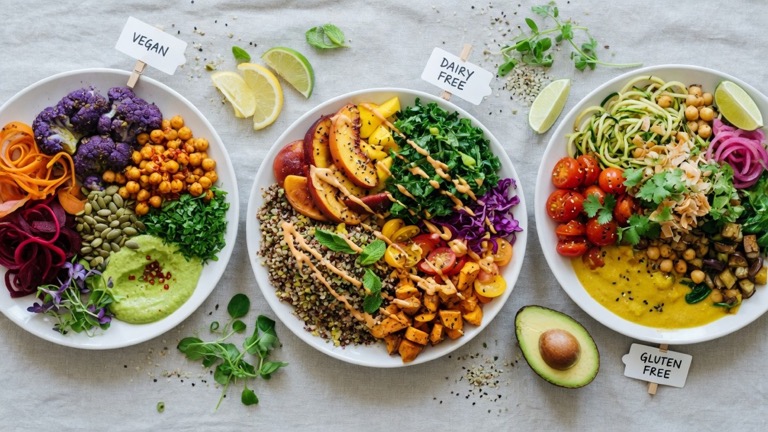
This is probably the biggest money-saver in your GF toolkit. Many of the most affordable and nutritious foods on the planet are naturally gluten-free. No fancy labels needed, no premium prices. We’re talking about the backbone of any healthy diet, things like:
- Fruits and Veggies: Apples, bananas, oranges, berries, spinach, broccoli, carrots, potatoes, sweet potatoes. These are your best friends, full of vitamins and fiber, and generally kind to your budget, especially when you buy in-season.
- Lean Proteins: Chicken, turkey, eggs, fish (fresh or canned), lean cuts of beef or pork. Often, these are naturally GF. Just double-check marinades or breading if you’re buying prepared versions.
- Legumes: Beans (black, kidney, pinto), lentils, chickpeas. These are absolute powerhouses, packed with protein and fiber, incredibly versatile, and super cheap, especially when bought dried. A bag of dried lentils can stretch into multiple meals for just a couple of dollars.
- Gluten-Free Grains: Rice (brown, white, wild), quinoa, corn, oats (certified GF, of course). These are staples. Buying a big bag of rice or certified GF oats can fuel countless breakfasts and side dishes.
Focusing on these whole foods means you’re already sidestepping the often higher-priced processed GF alternatives. It’s like building your meal from the ground up, with fresh ingredients that love your body and your wallet.
Become a Label-Reading and Price-Checking Ninja
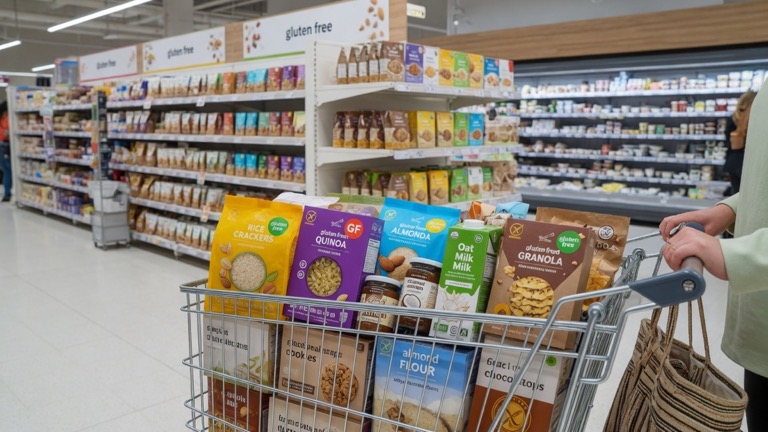
Alright, so you’ve got your naturally GF basics. Now for the packaged stuff. This is where your inner detective comes out. You’re not just looking for the “gluten-free” label, you’re looking for value.
Unit Pricing is Your Secret Weapon
Ever notice those tiny numbers on the shelf label, often displaying “price per ounce” or “price per pound”? That’s unit pricing. It’s your best friend for comparing different brands or package sizes. A smaller box of GF crackers might seem cheaper upfront, but when you look at the unit price, the larger box (or even a different brand’s smaller box) could be the true winner. Don’t let packaging fool you. Always check the math.
Store Brands vs. Name Brands
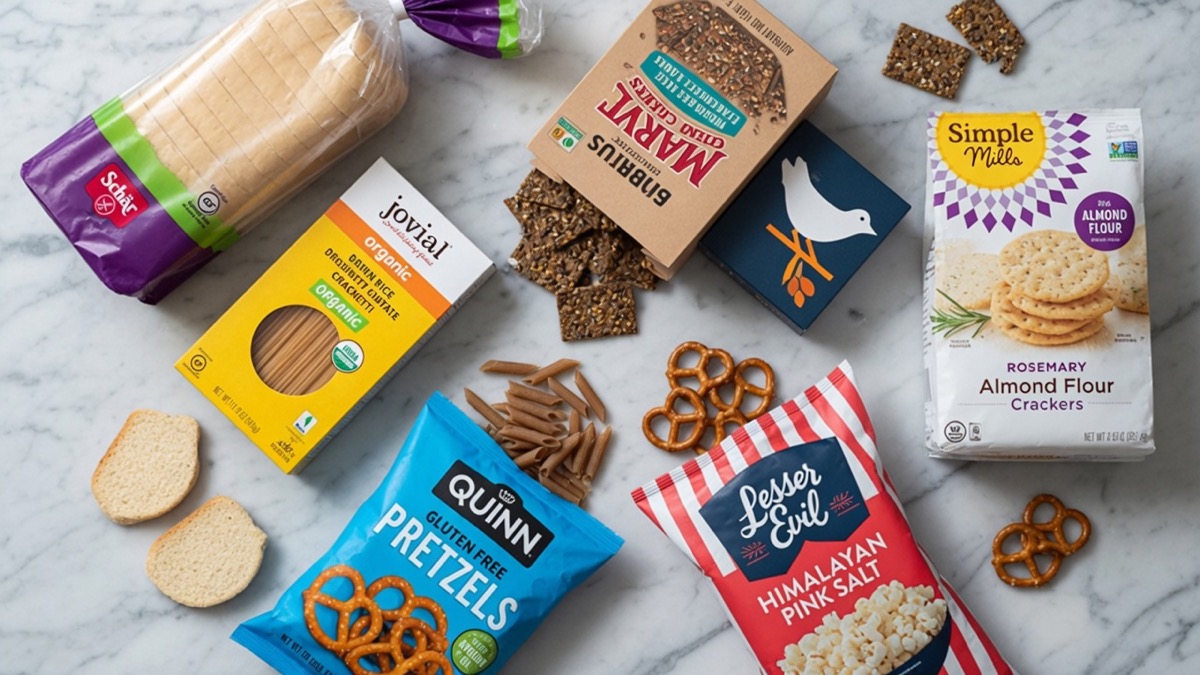
Many major grocery chains now offer their own line of gluten-free products, from bread and pasta to crackers and baking mixes. Often, these store brands are significantly cheaper than their big-name counterparts, and the quality is often surprisingly good. It’s worth trying them out. You might discover a new favorite GF staple for a fraction of the price. Think of it as a delicious blind date; you might just fall in love.
Sales and Coupons (The Digital Hunt)
Grocery stores have sales cycles. Pay attention to when your favorite GF items go on sale and stock up if they’re freezer-friendly or have a long shelf life. Use digital coupons! Many stores have apps with personalized discounts. Combine a sale price with a coupon, and you’ve hit the jackpot. It takes a few extra minutes, but those savings add up faster than you can say “gluten-free pizza night!”
Strategic Stocking Up: Your Freezer is Your Friend
When you find a good deal on GF staples, don’t be shy about buying a bit extra. This is where strategic stocking up comes in. Just like a squirrel hoarding nuts for winter, you can build a pantry that protects your budget.
- Bulk Buying (Smartly): For things like certified GF oats, rice, quinoa, dried beans, or even some GF flours, buying larger bags from bulk bins (if you trust the GF cross-contamination protocols of your store) or warehouse clubs can save a lot. Just make sure you’ll actually use it before it expires. You don’t want a five-pound bag of GF flour going stale!
- Freezer Power: Your freezer is a magical vault for GF goods. GF bread, muffins, waffles, even some crackers, can be frozen. When you bake a batch of homemade GF cookies or bread, freeze portions for later. This prevents waste and keeps you from buying expensive single-serving options later. It’s like having a delicious, pre-made meal kit for your future self.
- Batch Cooking: Cook large portions of naturally GF dishes like chili, soups, stews, or roasted vegetables. Divide them into individual servings and freeze. You’ll have quick, healthy, and budget-friendly GF meals ready to go, beating the takeout temptation any day.
DIY GF: Your Kitchen, Your Savings
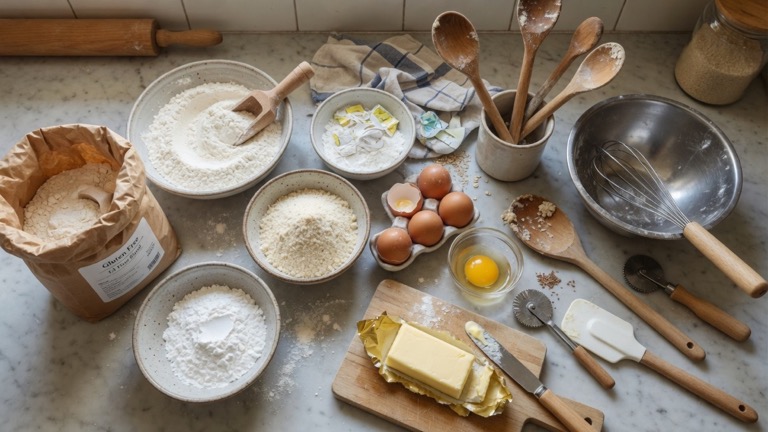
One of the best ways to save money and gain control over your GF diet is to get a little hands-on in the kitchen. Baking and cooking from scratch usually beats buying pre-made GF items on price, and often, on taste too!
Baking Basics
Ready-made GF breads, cookies, and pastries can be pricey. But making your own? Game-changer. A bag of a good GF all-purpose flour blend (or individual flours like rice flour, tapioca starch, potato starch, almond flour) goes a long way. You can whip up delicious pancakes, muffins, cookies, and even a decent loaf of bread for a fraction of the cost. Yes, it takes a little practice, but the reward is warm, fresh, safe baked goods.
Speaking of bread, if you’re craving that perfect sandwich experience without the high price tag, learning to bake your own can be incredibly satisfying. You might even find yourself discovering the Best Gluten-Free Bread Brands for Sandwiches for days you’re short on time, but for budget, homemade is often king.
Simple Meals, Big Savings
Think about meals that are naturally simple and delicious. Rice and beans, lentil soup, roasted chicken and vegetables, egg scrambles. These are inexpensive to make, inherently GF, and incredibly satisfying. Don’t feel like you need a complicated recipe to have a fantastic GF meal.
Shop Smart Beyond the Main Aisles
The regular grocery store isn’t your only option for budget-friendly GF finds. Expanding your shopping horizons can open up new opportunities.
- Discount Grocery Stores: Stores like Aldi or Lidl often carry a surprising array of GF products, from pasta and crackers to baking mixes, at prices that blow conventional supermarkets out of the water. Their stock rotates, so it’s always an exciting treasure hunt.
- Ethnic Markets: Asian, Latin American, and other international markets are fantastic for naturally GF staples like rice, corn tortillas, rice noodles, lentils, and unique spices. They often offer these items in larger quantities at lower prices. Just remember to always check labels for hidden gluten, especially in sauces or spice blends.
- Online Retailers: For certain specialty GF items, buying in bulk online (think Amazon, Thrive Market, Vitacost) can sometimes be cheaper, especially if you factor in shipping or subscribe-and-save options. It’s worth comparing prices, especially for those items you use constantly.
Rethink Your Plate: It’s Not All About Substitutes
Here’s a big one for your mindset and your wallet. Sometimes we get caught up trying to find a GF substitute for *everything* we used to eat. GF pizza, GF cookies, GF bagels. While it’s wonderful to have these options (and they are getting better!), they often come with a premium price. If you want to save money, shift your perspective a little.
Instead of thinking, “What GF bread can I use for this sandwich?” try, “What can I eat that’s naturally gluten-free and delicious?” This opens up a world of possibilities: lettuce wraps, grain bowls with quinoa or rice, hearty salads, stir-fries with rice noodles, omelets, and more. It helps you focus on creating meals that are inherently GF, rather than constantly trying to replace the gluten-containing versions.
When you’re thinking about creating delicious, naturally GF meals, remember that variety is key. Perhaps you’re looking for new breakfast ideas that are naturally GF and packed with goodness. Thinking about the Gluten-Free Yogurt Brands for a Probiotic Boost can be a great starting point for a wholesome, budget-friendly breakfast or snack, especially when paired with some fresh fruit from your farmers market haul.
Your Smart Shopping Cheat Sheet: Quick Tips for the Savvy GF Eater
Let’s boil it down to a few actionable takeaways. These are your go-to moves for a happy wallet and a happy belly.
- Make a List (and Stick to It): Impulse buys, especially expensive GF ones, derail budgets. Plan your meals and your shopping list.
- Cook More at Home: Restaurant meals, even GF ones, add up quickly. Your kitchen is your best friend.
- Eat Your Leftovers: Prevent food waste and save money on future meals.
- Snack Smart: Instead of expensive GF snack bars, grab an apple, some carrots, or a handful of nuts.
- Know Your Prices: Keep a mental note (or even a physical one) of what your favorite staples cost at different stores.
- Don’t Be Afraid to Experiment: Try new brands, new recipes, new stores. You might find a hidden gem.
- Stay Hydrated: Drinking plenty of water can sometimes curb unnecessary snacking or cravings for expensive drinks. (Mayo Clinic reminds us how crucial this is for overall health!)
By making just a few of these changes, you’ll see a real difference in your grocery spending. It’s about being intentional and informed. For some more context on global food prices and smart shopping, you might find articles from organizations like the FAO (Food and Agriculture Organization of the United Nations) helpful to understand the bigger picture of food economics.
Conclusion: Delicious GF Doesn’t Break the Bank
See? Eating gluten-free doesn’t have to be a financial burden. It’s an opportunity to get creative, to embrace delicious whole foods, and to become a truly savvy shopper. With a little planning, a keen eye for deals, and a love for cooking, you can enjoy an abundant, flavorful, and budget-friendly GF lifestyle. Go forth, confident and joyful GF eater, and conquer those grocery aisles!