Bone Health & Gluten-Free Diets: Preventing Osteoporosis (2026)

Building Strong Bones on a Gluten-Free Diet: Your Guide to Preventing Osteoporosis
Hey there, wonderful gluten-free friends! Let’s talk about something super important, but often overlooked: your bones. Think of your bones like the framework of your favorite bakery (a completely GF one, of course!). You need strong foundations for everything else to stand tall, right? Well, your body is no different. We all want to live long, vibrant lives, and strong bones are a big part of that journey.
For those of us living the gluten-free life, either by choice or necessity, bone health takes on a special significance. It’s not just about what you can’t eat, but about making sure you’re getting all the good stuff your body needs. Especially when it comes to preventing conditions like osteoporosis, where bones become brittle and fragile. Don’t worry, this isn’t a lecture! Consider me your trusted GF guru, here to help you understand how to keep your skeleton rock-solid, all while enjoying delicious, naturally gluten-free foods. This is all part of living your best life on a GF diet, a topic we cover in depth in our Gluten-Free for Special Dietary Needs guide.
Why Gluten-Free Living Might Impact Your Bone Health (And What to Do About It)
So, what’s the big deal with gluten and bones? It mainly boils down to nutrient absorption. For folks with celiac disease, gluten triggers an autoimmune response that damages the small intestine. This damage means your gut struggles to absorb vital nutrients, including calcium and Vitamin D, which are absolutely crucial for bone density. It’s like trying to water a plant with a leaky hose; not much gets where it needs to go.
Even if you don’t have celiac, but deal with non-celiac gluten sensitivity (NCGS), your gut might still experience inflammation. While not as severe as celiac damage, persistent inflammation can still mess with nutrient uptake. You can learn more about this in our post, What is Non-Celiac Gluten Sensitivity? Symptoms & Management. Basically, if your digestive system isn’t happy, your bones might suffer the consequences down the road.
The good news? Once you go GF and your gut starts to heal, your body can get back to absorbing those bone-building nutrients. But it’s still smart to be proactive. Let’s make sure your “bone bank account” is always overflowing.
Your Bone-Building Dream Team: Key Nutrients & GF Sources
Think of these nutrients as the superheroes of your skeletal system. They work together, like a well-oiled cooking crew, to keep your bones strong and healthy.
Calcium: The Mighty Builder
Calcium is the main ingredient in your bones. It’s what gives them their strength and structure. Without enough calcium, your body will actually start pulling it from your bones to use for other important functions, like muscle contraction and nerve signaling. This, my friends, is not what we want!
GF Calcium Sources to Love:
- Dairy products: Milk, yogurt, cheese (opt for lactose-free if needed).
- Leafy greens: Kale, spinach, collard greens.
- Calcium-fortified GF cereals and plant-based milks (almond, soy, oat – always check labels for gluten!).
- Sardines and canned salmon (with bones, they’re super tiny and soft!).
- Tofu (calcium-set).
- Broccoli.
Vitamin D: Calcium’s Best Friend
You can eat all the calcium in the world, but without Vitamin D, your body can’t absorb it effectively. Vitamin D is like the bouncer at the club, letting calcium into your bloodstream where it can do its job. A Vitamin D deficiency is common, even for those not on a GF diet, so this is a big one to watch.
GF Vitamin D Sources:
- Sunshine! Your skin produces Vitamin D when exposed to sunlight.
- Fatty fish: Salmon, mackerel, tuna.
- Fortified GF dairy and plant milks.
- Egg yolks.
- Some mushrooms (especially those exposed to UV light).
Magnesium: The Unsung Hero
Often overshadowed by calcium and Vitamin D, magnesium plays a huge role. It helps convert Vitamin D into its active form, and it’s involved in dozens of other processes that support bone density. Plus, it helps regulate calcium and potassium levels. Pretty cool, right?
GF Magnesium Sources:
- Dark chocolate (hooray!).
- Nuts and seeds: Almonds, cashews, pumpkin seeds, chia seeds.
- Avocado.
- Legumes: Black beans, lentils.
- Whole GF grains: Brown rice, quinoa.
- Leafy greens.
Vitamin K2: The Bone Organizer
This vitamin is like the traffic cop for calcium. It helps direct calcium to your bones and teeth, and away from places it shouldn’t be, like your arteries. It’s less talked about, but incredibly important for long-term bone health.
GF Vitamin K2 Sources:
- Fermented foods: Sauerkraut, natto (a Japanese fermented soybean dish).
- Certain cheeses (Gouda, Brie).
- Egg yolks.
- Dark meat poultry.
Beyond the Plate: Lifestyle Habits for Stronger Bones
Eating well is fantastic, but a truly robust bone health plan involves more than just food. Your lifestyle choices make a huge difference.
Move Your Body: Weight-Bearing Exercise
Your bones respond to stress by getting stronger. Activities where your body works against gravity are especially good. Think walking, jogging, dancing, hiking, weightlifting, even gardening! These types of movements tell your bones, “Hey, we need to be strong here!” Aim for at least 30 minutes most days of the week. Find something you enjoy; that’s the real secret to sticking with it.
Kick Bad Habits: Smoking and Alcohol
Smoking is a bone villain. It reduces bone density and increases fracture risk. Excessive alcohol consumption also interferes with your body’s ability to absorb calcium and make new bone tissue. Cutting back or quitting these habits is one of the best things you can do for your bones (and your overall health!).
Manage Stress
Chronic stress can lead to higher cortisol levels, which can negatively impact bone density over time. Find your happy place! Whether it’s meditation, yoga, a good book, or a GF baking session, make stress management a priority.
Putting It All Together: Your GF Bone Health Action Plan
Okay, so we’ve talked about the “why” and the “what.” Now for the “how!”
Read Those Labels Like a Pro
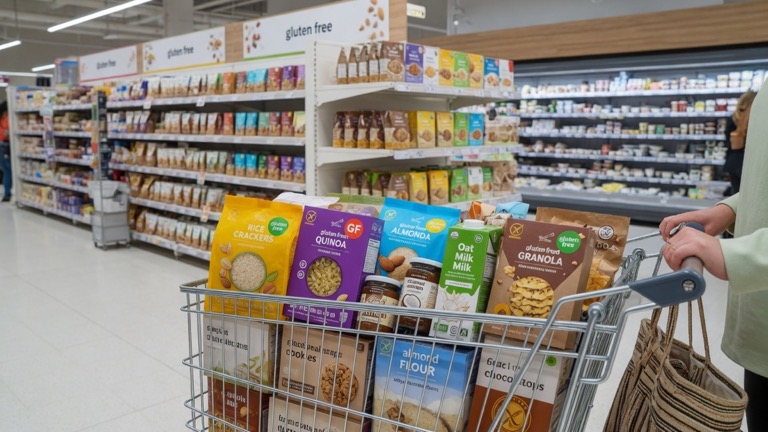
When you’re GF, you’re already a label-reading champ, right? Keep that superpower going! Look for foods fortified with calcium and Vitamin D, especially GF cereals, juices, and plant milks. Just be sure they are certified gluten-free. This is crucial for keeping cross-contamination off your plate.
Consider Smart Supplementation
It can be tough to get all the Vitamin D you need from food alone, especially in winter months or if you don’t get much sun. Your doctor might recommend a Vitamin D supplement. Calcium supplements can also be helpful, but it’s generally best to try and get calcium from food first. Always chat with your doctor or a registered dietitian before starting any new supplements. They can guide you on the right dosage and type.
For more detailed information on nutrient intake and bone health, the National Osteoporosis Foundation offers excellent resources. For example, you can find a comprehensive guide to calcium and Vitamin D intake on their website, which is a fantastic resource. Source 1: National Osteoporosis Foundation
Regular Check-ups Are Your Friend
Especially if you’ve had a celiac diagnosis for a while, regular bone density screenings (like a DEXA scan) can give you a clear picture of your bone health. Talk to your doctor about when these scans are appropriate for you. Early detection means early action!
Embrace the Deliciousness
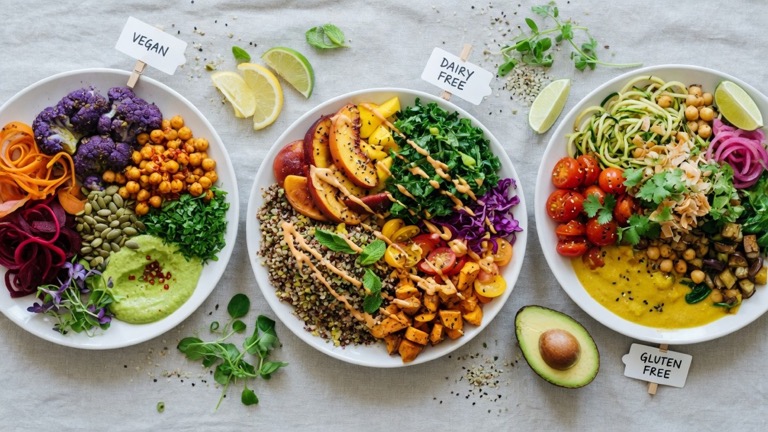
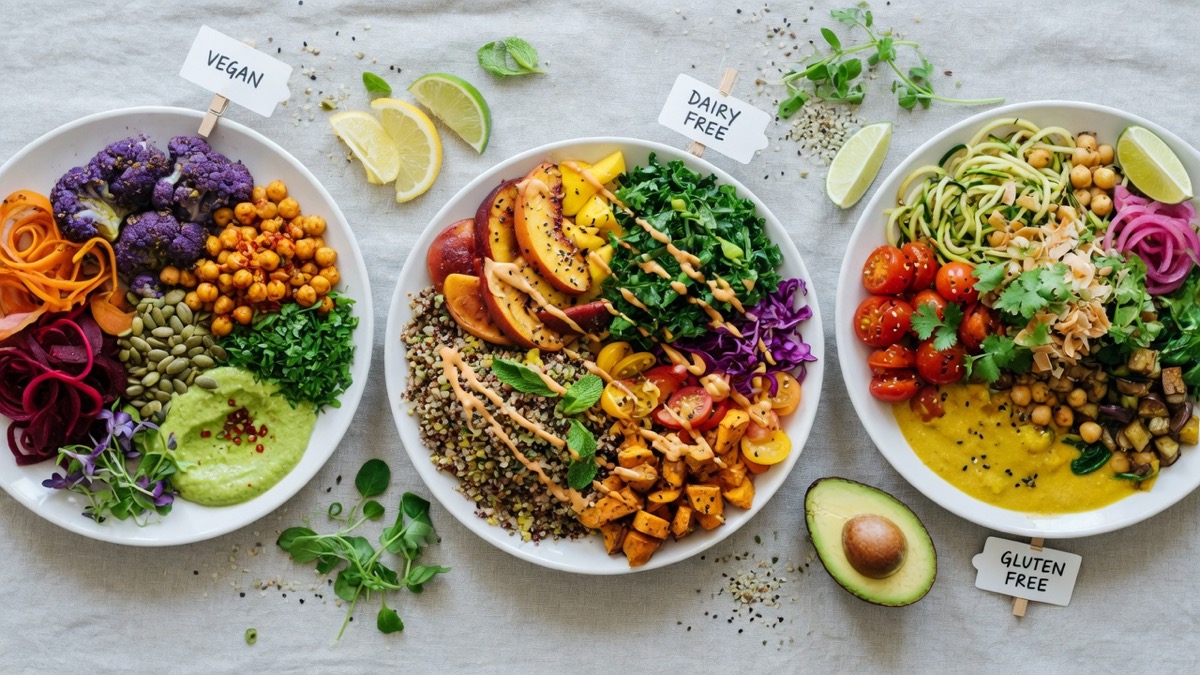
Eating for bone health on a GF diet isn’t about deprivation. It’s about opening up a whole world of delicious, naturally GF foods! Think vibrant salads bursting with leafy greens, hearty quinoa bowls packed with magnesium, and creamy dairy (or dairy-free) options for your calcium fix. Make salmon your new best friend for Vitamin D. There’s a true bounty out there!
One Last Bite of Wisdom
Your bones are incredible. They support you, protect you, and allow you to dance, run, and live your life fully. Going gluten-free can sometimes mean we have to be a little more mindful of certain nutrients, but it’s absolutely doable. With a little knowledge and a lot of delicious food, you can ensure your bones stay strong and resilient for years to come.
So, keep enjoying your gluten-free journey. Keep exploring those wonderful foods. And keep those bones happy! It’s all part of building a vibrant, healthy, and wonderfully GF life. To dive deeper into managing your GF journey with other health considerations, check out our post on Gluten-Free for Autoimmune Conditions: Beyond Celiac Disease, as many autoimmune issues can intersect with nutrient absorption.
It is also worth noting that research continues to evolve regarding optimal nutrition for bone health and gluten-free diets. For instance, a study published in the journal Nutrients highlights the importance of adequate vitamin and mineral intake in individuals with celiac disease, particularly concerning bone metabolism. Source 2: National Institutes of Health (PMC)