Gluten-Free for Autoimmune Conditions: Beyond Celiac Disease (2026)


Hey there, my friend! Let’s talk about something incredibly important that often gets whispered about in hushed tones, but deserves a big, bold spotlight: going gluten-free for autoimmune conditions that reach far beyond celiac disease. You know, sometimes it feels like celiac gets all the airtime, and while it’s super important, the truth is gluten can be a real trouble-maker for a whole host of other autoimmune situations too. It’s like a party guest who just doesn’t know when to leave, stirring up drama in our bodies.
If you’re exploring how diet impacts your overall well-being, especially with health challenges, you’re in the right place. Think of this as a friendly chat, a guiding hand through the science, and a cheerleading session for all the delicious, abundant food that awaits you. Whether you’re just curious or ready to dive in, understanding the connection between gluten and conditions like rheumatoid arthritis or Hashimoto’s can truly change your game. This journey is all about feeling better, living fuller, and savoring every bite. For a broader look at dietary adjustments, check out our Gluten-Free for Special Dietary Needs guide.
What Even Are Autoimmune Conditions, Anyway?
Alright, let’s simplify. Imagine your immune system as your body’s personal security team. Their job? To protect you from invaders like viruses and bacteria. They’re usually super smart, able to tell friend from foe with impressive accuracy. But sometimes, this amazing team gets a little confused. It’s like they accidentally start seeing your own body’s healthy tissues as the bad guys. Instead of attacking a rogue germ, they start attacking your joints, your thyroid, your skin, or even your brain. This misguided attack is what we call an autoimmune condition.
There are over 100 different autoimmune conditions, and they affect millions globally. Each one has its own target within the body, leading to a wide range of symptoms. But the common thread is that internal misunderstanding, that immune system gone rogue.
The Gluten Connection: Why It Can Be a Party Crasher
So, where does gluten fit into this picture? It’s not always as straightforward as Celiac Disease, where gluten directly damages the small intestine. For many other autoimmune conditions, the connection is a bit more subtle, but no less significant. Think of it like a domino effect.
Molecular Mimicry: The Imposter Syndrome
One of the coolest, and sometimes most frustrating, concepts in immunology is “molecular mimicry.” Sounds fancy, right? Basically, some components of gluten have a molecular structure that looks incredibly similar to certain proteins in our own bodies. Our immune system, trying to be helpful, sees gluten and says, “Aha! I know you, you’re the enemy!” But then, because of that resemblance, it accidentally starts attacking our own tissues that look similar to the gluten. It’s like an internal case of mistaken identity. Your body is trying to neutralize the gluten, but ends up accidentally taking down some of your own healthy cells in the process. This can definitely make things worse for people with autoimmune conditions.
The Gut Barrier: A Wall With Cracks
Then there’s the gut. Our gut lining is a pretty incredible barrier, a bit like a fine mesh sieve. It’s designed to let nutrients pass through into our bloodstream while keeping undigested food particles, toxins, and bacteria out. But sometimes, this sieve gets a few holes, or becomes “permeable.” We often call this “leaky gut” (the scientific term is increased intestinal permeability).
Certain things can contribute to this permeability, and for many people, gluten is one of them. When gluten proteins, or other undigested food particles, slip through these gaps into the bloodstream, your immune system sees them as foreign invaders. Cue the alarm bells! This can trigger a widespread inflammatory response, which for someone with an autoimmune condition, is exactly what you want to avoid. It pours gasoline on an already burning fire, intensifying symptoms and driving the autoimmune attack. Keeping that gut barrier strong is like keeping the fortress walls intact.
Inflammation: The Root of Many Evils
At its heart, most autoimmune disease involves inflammation. It’s the body’s natural response to injury or infection, but when it becomes chronic and misdirected, it’s a problem. Gluten, for many, is an inflammatory food. It can irritate the gut, trigger immune responses, and generally turn up the volume on inflammation throughout the body. Reducing that inflammatory load by removing gluten can provide a huge sense of relief.
Autoimmune Conditions That May Benefit From a GF Lifestyle
While Celiac Disease is the most direct link to gluten, many other conditions have shown promising improvements on a gluten-free diet. Remember, this isn’t a one-size-fits-all cure, but it’s a powerful tool in many people’s wellness toolbox. Always chat with your doctor or a registered dietitian before making significant dietary changes, especially if you suspect you might have a gluten sensitivity that’s not celiac related. They can help you figure out if exploring a GF diet is right for you, or if you need to investigate a celiac diagnosis first. If you’re curious about how that process works, our guide on Understanding Celiac Disease Diagnosis: A Complete Guide has all the details.
- Hashimoto’s Thyroiditis: This is a common autoimmune condition where the immune system attacks the thyroid gland. Many people with Hashimoto’s report feeling significantly better, with reduced fatigue and brain fog, when they cut out gluten. The molecular mimicry theory is often cited here, with thyroid tissue sharing similarities with gluten proteins.
- Rheumatoid Arthritis (RA): RA causes chronic inflammation in the joints. Some studies and a lot of anecdotal evidence suggest that a GF diet can help reduce inflammation and pain for some individuals with RA.
- Lupus: A complex autoimmune disease that can affect many different organs. Reducing inflammation through diet, including going GF, is a strategy many people find helpful in managing symptoms.
- Multiple Sclerosis (MS): This condition involves the immune system attacking the protective sheath around nerves. While research is ongoing, some individuals with MS report improvements in fatigue and other symptoms on a GF diet.
- Psoriasis: An autoimmune skin condition. The connection between gut health, inflammation, and skin conditions is well-documented, and going GF has helped some people clear their skin.
- Type 1 Diabetes: Another autoimmune condition. There’s a known higher incidence of Celiac Disease in people with Type 1 Diabetes, and even without a celiac diagnosis, some benefit from a GF approach due to shared immune pathways.
- Endometriosis: While not strictly an autoimmune condition, it involves chronic inflammation and immune system dysfunction. Many find relief from pain and symptoms by going GF, as discussed in Gluten-Free & Endometriosis: Reducing Inflammation & Symptoms.
Embracing the Abundance: Your Delicious GF Journey
Okay, so you might be thinking, “This sounds like a lot of work! What can I even eat?” Hold on to your hats, because this is where the fun begins! Going gluten-free, especially for autoimmune health, isn’t about deprivation. It’s about opening up a whole new world of incredibly delicious, naturally GF foods.
Focus on Whole Foods First
Your plate should be bursting with color and flavor from:
- Fruits and Vegetables: Eat the rainbow! These are naturally GF and packed with vitamins, minerals, and antioxidants that fight inflammation.
- Lean Proteins: Chicken, fish, eggs, beans, lentils, tofu. These are your building blocks, helping your body repair and thrive.
- Healthy Fats: Avocados, nuts, seeds, olive oil. They nourish your cells and support brain health.
- Naturally GF Grains: Quinoa, brown rice, gluten-free oats (certified), millet, buckwheat. These can be wonderfully satisfying and versatile.
Become a Label Detective
This is your superpower! Always, always read ingredient labels. Gluten can hide in unexpected places (sauces, marinades, spices, medications). Look for “gluten-free” certifications. A quick tip: make sure you’re checking everything, even your vitamins and any prescribed medications, as hidden gluten can sometimes lurk there. We’ve got a comprehensive guide on Hidden Gluten in Medications: What Celiac Patients Need to Know.
Cross-Contamination? Let’s Talk About It.
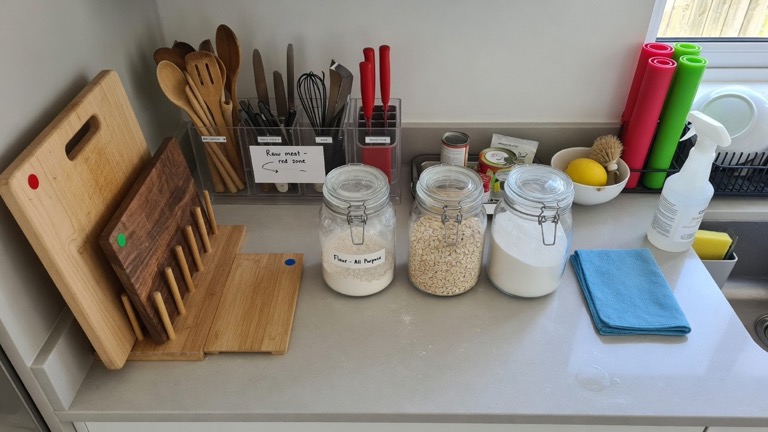
If you have an autoimmune condition and are highly sensitive to gluten, cross-contamination is a real concern. Even a tiny crumb can trigger a reaction. This means having separate toasters, cutting boards, and utensils if you’re sharing a kitchen with gluten-eaters. It’s not being fussy; it’s protecting your health.
Dining Out and Socializing
This is where your inner diplomat shines. Don’t be afraid to ask questions at restaurants. Call ahead, speak to the chef or manager. Many places are becoming much more accommodating. And when it comes to social gatherings, offer to bring a delicious GF dish to share. People love good food, no matter what it is!
The Benefits Are Worth It
Imagine:
- Less fatigue, more energy to do the things you love.
- Reduced pain and stiffness, allowing for greater movement.
- Clearer thinking, saying goodbye to that frustrating “brain fog.”
- Better digestion, a happier gut.
- A sense of control over your health journey.
These aren’t just hopes; they are often realities for people who embrace a gluten-free lifestyle to manage their autoimmune conditions. It’s about taking proactive steps for your well-being, finding what truly makes your body feel its best.
Your Journey, Your Power
Going gluten-free for an autoimmune condition can feel like a big step, but remember, you’re not alone. It’s a journey of discovery, of listening to your body, and of finding joy in nourishing foods. Be patient with yourself, celebrate every small win, and know that every delicious, naturally gluten-free meal is a step towards a healthier, happier you.
You’ve got this! Embrace the adventure, savor the flavors, and feel the difference. Your body will thank you for it. For more insights into living a fulfilling life with dietary adjustments, remember to visit our main Gluten-Free for Special Dietary Needs hub. Your health is your wealth, and delicious food is absolutely part of the treasure map.
References:
- The Gluten-Free Diet: A New Frontier in Celiac Disease and Beyond. Nutrients. (2012)
- The Role of Gut Microbiota in the Pathogenesis of Autoimmune Diseases. Frontiers in Immunology. (2017)