Beyond Shared Surfaces: Airborne Gluten Particles and How to Cope (2026)


Ever walked into a bakery and been hit by that warm, yeasty smell? For many, it’s pure comfort. For us, the gluten-free gang, it can be a silent alarm bell. We talk a lot about shared cutting boards, toasters, and fryers (and rightly so!). But what about the stuff you can’t see? The invisible fluff, the sneaky little particles dancing through the air? Friends, let’s chat about airborne gluten.
It’s a real thing. It’s not just a figment of our highly sensitive imaginations. We are talking about microscopic flour dust, tiny crumbs, or even aerosolized cooking spray from gluten-containing foods. These minuscule particles can hang in the air, travel surprising distances, and then settle on surfaces, food, or even directly into your system. Think of it like glitter after a kids’ craft party – it gets everywhere, and it’s almost impossible to completely clean up. And for those of us with celiac disease or severe non-celiac gluten sensitivity, even a speck can trigger a reaction.
This isn’t to scare you, not at all! This is about being informed and taking charge. Just like we master the art of deciphering ingredient labels, we can absolutely master the art of navigating airborne gluten. It’s just another layer of protection, another tool in our ever-growing GF toolkit, ensuring our health and happiness. We want to live deliciously, right? Absolutely!
The Invisible Cloud: Where Does Airborne Gluten Live?
You might be thinking, “Flour dust? Really?” Yes, really. Picture a busy kitchen, a baker kneading dough, a chef tossing pasta. Flour, naturally, becomes airborne during these activities. When gluten-containing bread is sliced, toasted, or even just crumbled, those tiny particles can waft around. It’s like a tiny, edible pollen season for gluten. And these particles are lighter than you might think, able to stay suspended for a while before eventually settling down.
So, where are the usual suspects for this invisible gluten cloud?
- Bakeries and Pizzerias: This is probably the most obvious one. The very air is often thick with flour. Even if a place offers GF options, the sheer amount of gluten flour in constant motion makes it a high-risk environment.
- Shared Home Kitchens: If you live with gluten-eaters, your kitchen is a prime spot. Baking cookies, making sandwiches, even using a mixer for regular flour can send those tiny gluten fragments sailing.
- Restaurants with Open Kitchens: While it’s cool to see the chefs at work, it means you’re closer to the action – and potentially closer to any airborne flour or crumbs from gluten-filled dishes being prepared.
- Supermarket Bakery Aisles: That inviting smell? It often means a cloud of gluten is hanging out nearby. Bulk bins for grains and flours are also notorious for creating dust.
- Fast Food Fryers: If a restaurant uses the same fryer for gluten-battered items and your “GF” fries, those tiny gluten particles can travel in the hot oil mist, contaminating your safe food.
It’s also worth noting that it’s not just food prep. Think about Pet Food & Gluten: Is Your Pet’s Diet a Risk for Cross-Contamination? You might not be eating it, but if your pet’s food contains wheat, handling it can release particles into the air you breathe. It’s an often-overlooked source!
Understanding the Science (Without a White Lab Coat)
You don’t need a science degree to understand why airborne gluten is a concern. Basically, flour particles are incredibly small. We’re talking microns here (that’s tiny!). Because they are so small and light, they don’t just immediately drop to the ground. They float. A fine dusting of wheat flour, for example, can remain suspended in the air for extended periods, especially in areas without good ventilation. Think of dust motes dancing in a sunbeam – gluten particles can do the same, just invisibly. And where do they land? On surfaces, on other food, and yes, sometimes we breathe them in or they land on our plate. One study even found that airborne flour could travel significant distances within a bakery setting, highlighting just how far these tiny specks can roam.
When these particles are inhaled or ingested, they can trigger an immune response in sensitive individuals. It’s the same mechanism as eating a gluten-containing food, just in a much smaller, more insidious dose. Symptoms can range from digestive upset to skin rashes, brain fog, or extreme fatigue. Everyone’s sensitivity level is different, but for those on the higher end, airborne gluten is definitely something to consider.
Your Shield & Strategy: How to Cope Like a GF Boss
So, what’s a gluten-free foodie to do? The good news is, there are plenty of practical, proactive steps you can take. We’re all about solutions, not stress, right?
At Home, Sweet GF Home:
- Ventilation is Your Best Friend: When gluten-containing foods are being prepared, open windows, turn on extractor fans, and create a good airflow. This helps clear the air of those floating particles faster.
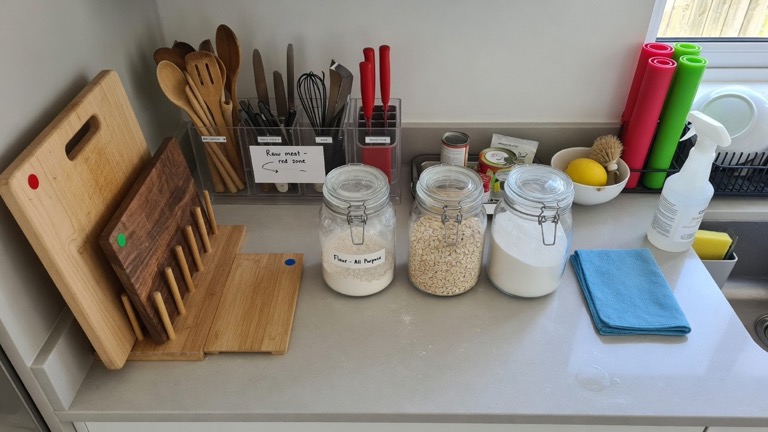
- Designated GF Zone: Can you set up a specific area of your kitchen just for GF prep? Maybe a separate counter or a designated shelf in the pantry. This minimizes overlap.
- Staggered Cooking: If you share a kitchen, consider cooking your GF meals before the gluten-containing ones, especially if flour is involved. This gives the air a chance to clear.
- Appliance Awareness: We’ve talked about Toaster & Air Fryer Safety: Keeping Shared Appliances Gluten-Free before, but it bears repeating. Toasters are huge culprits for airborne crumbs. If you can, have a dedicated GF toaster. Air fryers can also circulate crumbs, so separate baskets or dedicated GF units are smart.
- Air Purifiers: For highly sensitive individuals, a good quality air purifier with a HEPA filter can significantly reduce airborne particles in your kitchen or main living areas.
- The GF Kitchen Setup: If you’re really serious about minimizing cross-contamination, check out our guide on Setting Up a Gluten-Free Kitchen: A Beginner’s Guide. It has loads of tips for creating your safe haven.
Dining Out & Socializing:
- Communicate, Communicate, Communicate: Always talk to your server and the kitchen about your needs, even if they have a GF menu. Ask specific questions about preparation areas.
- Choose Your Spots Wisely: Opt for restaurants known for their GF protocols, or even better, dedicated gluten-free establishments. They understand these risks better than anyone.
- Timing Matters: If possible, visit restaurants during off-peak hours. Less chaos means less potential for airborne particles from other dishes.
- Strategic Seating: Avoid tables right next to the kitchen pass or the pizza oven. Distance is your friend.
- When in Doubt, Mask Up: This might sound extreme to some, but if you’re very sensitive and find yourself in a high-risk environment (like a family gathering where someone is baking, or a traditional pizzeria), a good quality mask (like an N95 or KN95) can filter out airborne particles. Think of it as a temporary superhero shield!
Shopping Smart:
- Bypass the Bakery Aisle: Just walk on by. It’s tempting, but it’s often ground zero for flour dust.
- Avoid Bulk Bins: Cross-contamination is rampant in bulk bins, not just from shared scoops, but also from flour dust floating around as people dig for their grains. Stick to pre-packaged GF products.
General Habits for a GF-Confident Life:
- Hand Washing Power: Always, always wash your hands thoroughly after being in an environment where airborne gluten might be present, and before handling your own food.
- Change of Clothes: If you’ve been somewhere very flour-heavy, consider changing your clothes when you get home, especially if you’re super sensitive. Gluten particles can cling to fabric.
- Be Your Own Advocate: Don’t be shy about asking questions or setting boundaries in social situations. Your health is paramount.
Don’t Panic, Be Prepared!
Navigating the gluten-free world can feel like a detective mission sometimes, especially with invisible threats like airborne particles. But with awareness comes power. You now know what to look for and, more importantly, what actions to take. This isn’t about fear; it’s about freedom. Freedom to enjoy your food, freedom from discomfort, and freedom to live your best, most delicious gluten-free life.
Remember, a little planning goes a long way. By understanding the risks and implementing these simple strategies, you’re building a stronger, safer fortress around your GF well-being. Keep learning, keep experimenting, and keep living gloriously gluten-free! It’s all part of Preventing Gluten Cross-Contamination – a topic near and dear to our hearts.
For more detailed information on airborne allergens, you might find this resource from the American Academy of Allergy, Asthma & Immunology helpful, though their focus is broader than just gluten. Additionally, exploring discussions on forums for celiac disease can offer anecdotal insights into real-world experiences with airborne gluten, like those found on the Celiac Disease Foundation’s community pages.