Handling Raw Ingredients: Preventing Gluten Transfer Before Cooking (2026)

Alright, my amazing gluten-free friend! Let’s talk kitchen confidence. Because let’s be real, going GF is about way more than just swapping out flour. It’s a delicious journey, full of incredible flavors and textures. But to truly savor that journey, we need to master the art of keeping our gluten-free sanctuary just that: a sanctuary. Today, we’re diving into a super crucial, often overlooked area: preventing gluten transfer with raw ingredients, *before* anything even hits the heat. This is foundational stuff. It’s part of building a robust defense, a strong foundation for preventing gluten cross-contamination that keeps you feeling fantastic.
Think of it like building a perfect sandcastle. You wouldn’t start with contaminated sand, right? Nope! You’d want pure, pristine grains from the get-go. The same goes for your food. Invisible gluten can be a sneaky little thing, lurking on surfaces, tools, and even our own hands. We’re going to tackle how to stop it in its tracks, ensuring your raw ingredients stay pure and ready for their GF transformation into something truly wonderful.
The Invisible Cloud: Why Raw Matters So Much
You might be wondering, “But it’s just raw flour, or a crumb! It’s not cooked yet.” Ah, but that’s precisely the point, my friend. Raw gluten-containing ingredients, especially flours, are notorious for creating what I like to call the “flour cloud.” A tiny bit of wheat flour, a rogue oat (if you’re sensitive to conventional oats), or even a microscopic crumb from a regular cracker can become airborne. It settles. It sticks. And then it’s waiting.
This “invisible cloud” might land on your fresh, glorious vegetables. It might coat your perfectly GF chicken. One small exposure can ruin an entire meal, and more importantly, impact your well-being. So, let’s get proactive. Let’s make sure our raw ingredients are handled with the respect they deserve, keeping them pristine and delicious.
Your Kitchen Prep Zone: A Gluten-Free Fortress
When you’re preparing food, especially if you share a kitchen with gluten-eaters, designating a specific GF prep zone is a game-changer. This isn’t about being exclusive; it’s about being safe and smart. You need your own space, your own tools. It’s non-negotiable.
Dedicated Cutting Boards are Your Best Friends
This is probably the number one offender for raw ingredient cross-contamination. Wooden cutting boards, especially, are porous. Gluten particles can nestle into those tiny grooves and cracks, even after washing. You wash it, but some gluten might just cling on. Yikes! So, here’s the rule: one cutting board (or set of boards) for gluten-free foods only. Make it a different color. Label it. Guard it with your life. Plastic or composite boards are easier to keep clean, but even then, a dedicated board is key. My favorite is a bright blue one, just for GF. Easy to spot!
Utensils and Prep Tools: No Sharing!
Think about spatulas, spoons, whisks, and colanders. If they’ve stirred a batch of wheat-based cookies, or strained regular pasta, they’re potentially contaminated. Even a quick wash might not dislodge all the gluten. Colanders are particularly tricky; their tiny holes can trap tiny bits of gluten. It’s best to have a separate set of these items, or ensure they are washed meticulously (ideally in a dishwasher on a hot cycle) before touching your GF ingredients. Better yet, just get your own.
Countertop Cleanliness: A Daily Ritual
Before you even pull out your GF ingredients, wipe down your countertops. And I mean a good, thorough wipe. Not just a quick splash. Use a clean cloth or a fresh paper towel and a GF-safe cleaner. Why? Because crumbs from toast, flour dust from baking, or even just residue from a gluten-containing sandwich could be sitting there. Even if you don’t see it, it could be there. A clean slate is essential for safe raw ingredient prep.
The Power of Your Hands (and How to Keep Them Clean!)
Your hands are your primary tools in the kitchen. They’re also prime suspects for gluten transfer. You touch a bag of wheat flour, then grab your GF rice. Oops! So, handwashing isn’t just a suggestion; it’s a superhero power. Wash your hands thoroughly with soap and water before you begin any GF food prep. And wash them again any time you handle a gluten-containing item. This simple step is so powerful, so easy to forget, yet so incredibly important. Make it a habit. A really good habit.
Shopping Smart: Avoiding Gluten Before it Enters Your Home
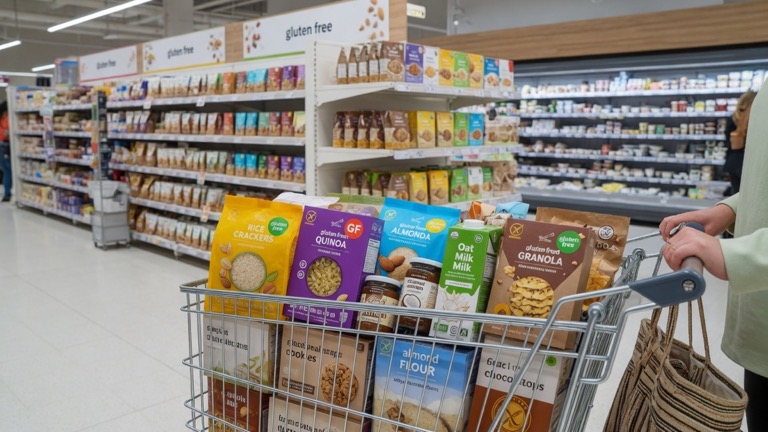
The prevention game starts even before you get home. Think about your grocery cart. If you’re buying both GF and gluten-containing items, bag them separately at the store if possible. Place GF items on top of the scanner if the belt isn’t clean. When you get home, immediately store your GF ingredients in designated areas. This ties directly into safe storage solutions for your pantry. Keeping everything organized from the start prevents accidental mixing or dusting down the line.
Washing Produce: Is it Enough?
Most fruits and vegetables are naturally gluten-free. Huzzah! But what if they were displayed next to a bin of bulk wheat berries? What if a child with sticky gluten-filled hands touched that apple? It’s a real thought. A good wash with water, perhaps even a produce wash, is usually sufficient to remove surface contaminants. Just be mindful of where you place washed produce if your counter isn’t spotless. And remember, produce like grapes or berries can sometimes come into contact with flour if processed in a shared facility. While this is a lower risk for most, it’s something to consider for highly sensitive individuals. Always trust your gut, and when in doubt, give it an extra rinse.
The Shared Frying Oil Dilemma: A Related Risk
While we’re talking about raw ingredients, it’s worth a quick mention of a related topic: shared cooking environments. Specifically, shared frying oil. If you’ve got family members cooking gluten-battered items in oil, and then you want to fry your delicious GF chicken in that same oil? No, thank you. That oil becomes a gluten bath. It’s a prime example of cross-contamination that happens during the cooking phase, but it emphasizes the importance of keeping your cooking environment totally safe. This is why we often talk about the dangers of shared frying oil – it’s a big one!
Your Pre-Cook Checklist: Be a GF Prep Pro!
To make this easy, here’s a quick mental checklist before you dive into cooking:
- Clean all countertops and prep surfaces thoroughly.
- Wash your hands like you mean it (soap, water, 20 seconds).
- Grab your dedicated GF cutting boards and utensils.
- Ensure no gluten-containing ingredients are open or exposed nearby.
- Read ingredient labels one last time, even for your raw ingredients (surprise gluten can lurk in spices or marinades!).
Embrace the Abundance, Not the Anxiety
This might seem like a lot to remember. But honestly, it quickly becomes second nature. These practices aren’t about limitation; they’re about liberation. They’re about giving you the confidence to truly enjoy your gluten-free food without worry. It’s empowering to know you have control over your kitchen environment, allowing you to focus on the joy of cooking and the incredible flavors waiting to be discovered.
So, take a deep breath. You’ve got this. With a few simple habits and the right tools, you can transform your kitchen into a haven where every raw ingredient is a promise of delicious, safe, and truly gluten-free eating. Happy cooking, my friend! And remember, we’re all in this together, building a community of confident, joyful GF eaters who know their way around the kitchen like nobody’s business. For more deep dives into keeping your kitchen safe, check out our guide on preventing gluten cross-contamination.
***