Balancing Blood Sugar: Gluten-Free for Diabetes Management (2026)

Okay, friend, let’s talk turkey. Or, rather, let’s talk blood sugar, and how your amazing gluten-free journey can be a secret weapon in keeping those levels steady, happy, and humming along. Think of your blood sugar like a gently flowing river, not a rollercoaster at a theme park. We want smooth sailing, right? Not dramatic dips and dizzying climbs.
You already know the magic of living gluten-free, whether it’s for celiac disease, non-celiac gluten sensitivity, or simply because you feel better without it. It’s truly a journey towards better health. If you’re managing diabetes, or pre-diabetes, and you’re also living GF, you’ve got a fantastic head start. In fact, for many, adopting a gluten-free approach can intertwine beautifully with broader Health Benefits of a Gluten-Free Diet, especially when it comes to metabolic health.
Why Gluten-Free and Blood Sugar Are Like Two Peas in a Pod
Here’s the scoop. Many traditional gluten-containing foods, like white bread, pasta, and pastries, are often made with refined flours. These are the “fast carbs” of the food world. They’re quickly broken down into glucose, sending your blood sugar skyrocketing, then crashing. It’s like pouring rocket fuel into your body; you get a huge burst, but it burns out fast.
Now, gluten-free eating, when done right (and we’re going to make sure you do it right!), naturally nudges you towards whole foods. We’re talking about delicious, nutrient-dense ingredients that are often lower on the glycemic index. That means a slower, steadier release of sugar into your bloodstream. It’s more like a cozy campfire, giving off consistent warmth, rather than a quick bonfire.
Understanding the Glycemic Index (GI) Without Needing a Science Degree
The Glycemic Index, or GI, is simply a way to rank foods based on how quickly they raise your blood sugar. High GI foods cause a rapid spike. Low GI foods cause a gentler rise. For diabetes management, opting for lower GI foods is generally a smart move. And guess what? Many fantastic GF staples naturally fall into this friendly category.
- Low GI Rockstars: Think quinoa, certified gluten-free oats (steel-cut or rolled, not instant), brown rice, buckwheat, and millet. These grains are packed with fiber, which is like a speed bump for sugar absorption.
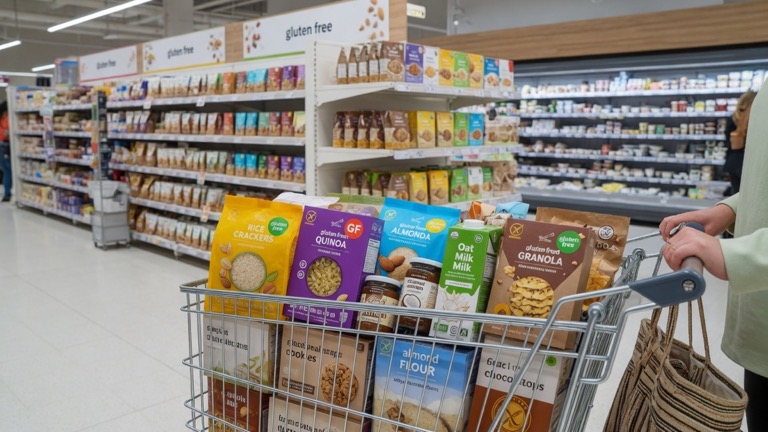
- The “Proceed with Caution” Crew: Some highly processed GF breads, crackers, and snacks can actually be high GI. Why? Manufacturers often swap wheat flour for refined rice flour, potato starch, or cornstarch, which can also cause quick spikes. So, read those labels!
It’s all about making informed choices. You don’t need to memorize every GI number, just get a feel for the general pattern.
Building Your Blood-Sugar-Friendly GF Plate
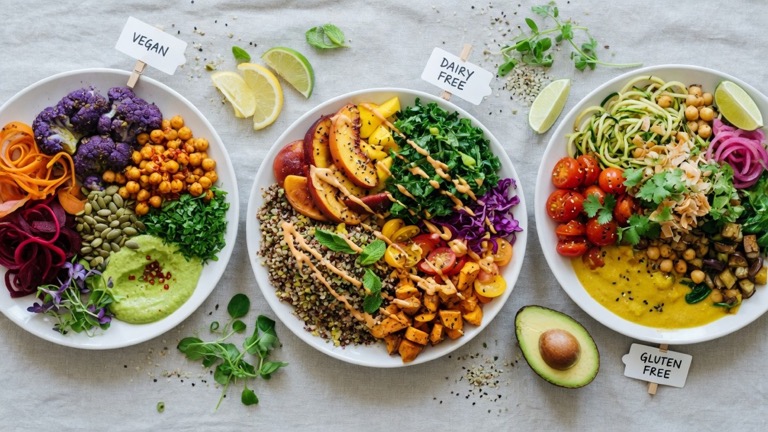
This is where the fun begins! A gluten-free diet for diabetes management isn’t about deprivation. It’s about a vibrant abundance of delicious, satisfying foods. Picture your plate as a beautiful mosaic.
Focus on these core elements:
- Whole, Unprocessed GF Grains: These are your champions. Quinoa, with its complete protein and fiber, is a superstar. Brown rice is a reliable, versatile choice. Certified GF oats are amazing for breakfast or baking. Buckwheat, despite its name, is naturally gluten-free and has a lovely earthy flavor.
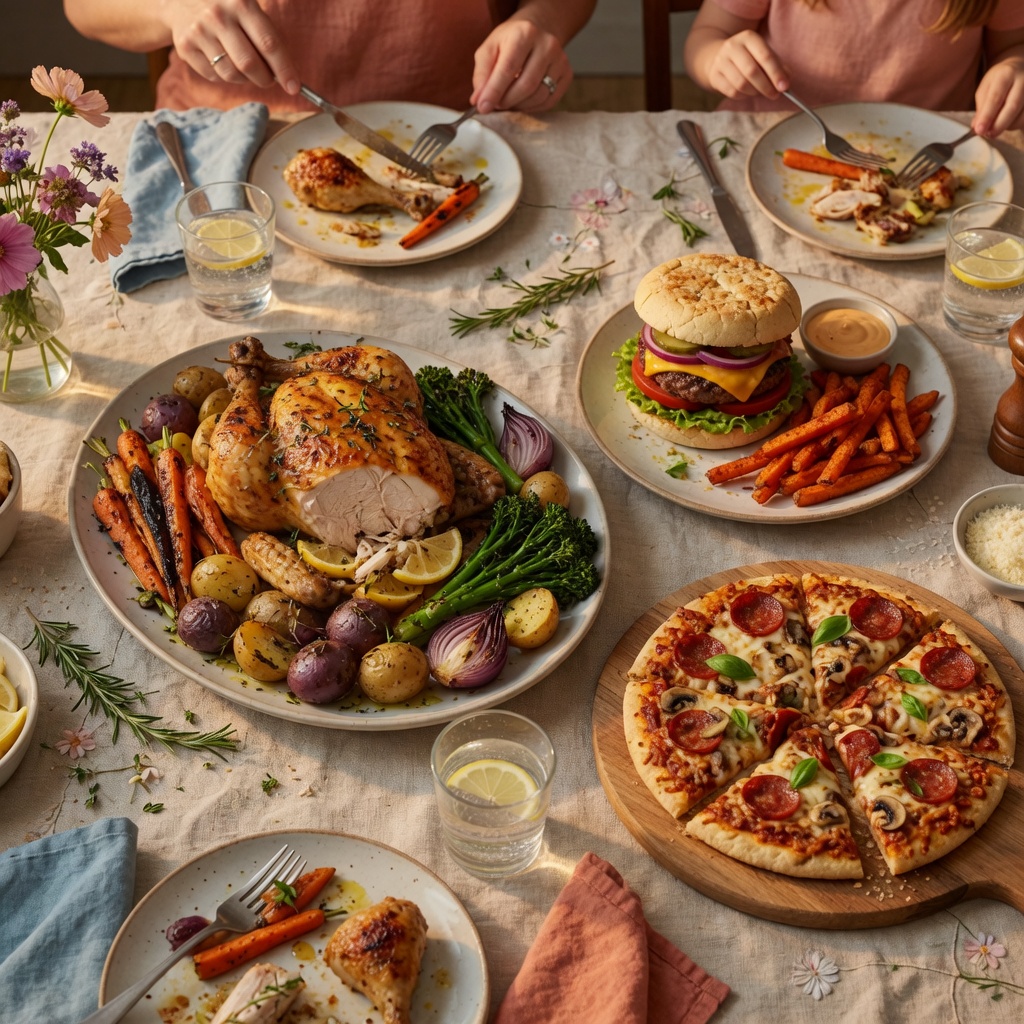
- Lean Protein Power: Protein helps slow down digestion and keeps you feeling full. Think chicken, turkey, fish, eggs, beans, lentils, and tofu. These are all naturally GF and blood-sugar friendly.
- Healthy Fats for Satiety: Avocado, nuts, seeds, olive oil. Good fats don’t just add flavor, they also help stabilize blood sugar and keep hunger at bay.
- Fiber-Rich Veggies and Fruits: Load up! Non-starchy vegetables (leafy greens, broccoli, bell peppers, zucchini) are low in calories, high in fiber, and bursting with nutrients. Berries, apples, and pears are great fruit choices, again thanks to their fiber content.
Let’s look at some smart swaps:
| Instead of (Often High GI & Refined) | Choose This (GF & Blood Sugar Friendly) |
|---|---|
| White bread/bagels | 100% whole grain GF bread (check ingredients!), GF oatcakes, rice cakes (minimal ingredients) |
| Wheat pasta | Brown rice pasta, quinoa pasta, lentil pasta, zucchini noodles, spaghetti squash |
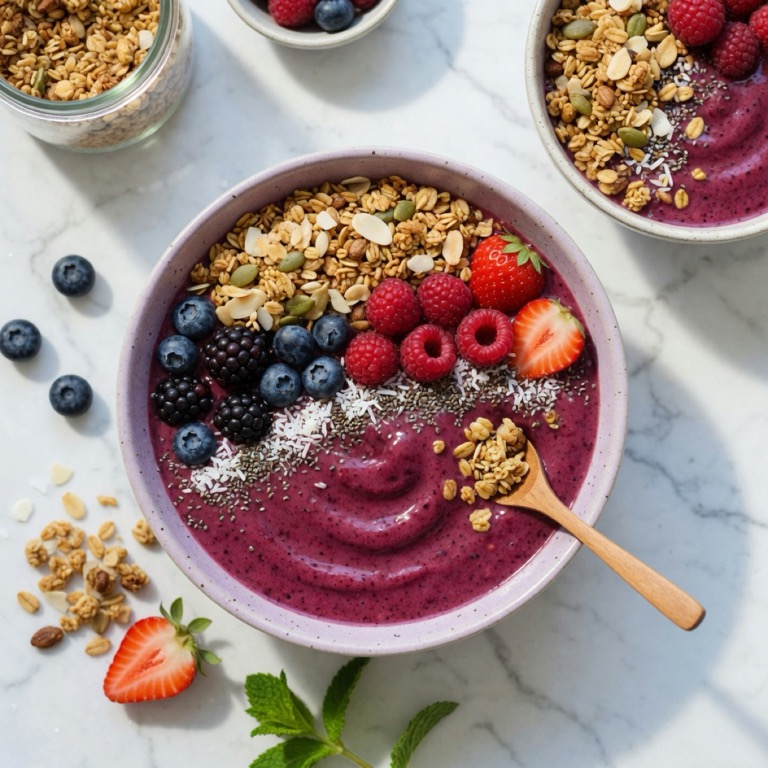
| Sugary GF cereals | Certified GF oats with berries & nuts, quinoa porridge |
| Processed GF crackers | Seed crackers, vegetable sticks with hummus, apple slices with nut butter |
| Wheat flour for baking | Almond flour, coconut flour, oat flour, buckwheat flour |
See? So many fantastic options! It’s about making conscious, delicious choices.
Beyond the Plate: A Holistic Approach
While food is a huge piece of the puzzle, managing blood sugar (and living your best GF life) involves other factors too. Think of them as the supporting cast for your main ingredient.
- Portion Control is Your Friend: Even healthy foods can impact blood sugar in large quantities. Listen to your body. Use smaller plates.
- Meal Timing Matters: Eating regular meals and snacks can prevent those dramatic hunger pangs that lead to overeating or poor choices. Don’t skip meals.
- Hydration is Key: Water is your best friend. It helps your body process glucose and keeps everything functioning smoothly.
- Move Your Body: Regular physical activity helps your cells become more sensitive to insulin, meaning they can absorb glucose more effectively. A brisk walk after dinner works wonders.
- Stress Less: Chronic stress can actually raise blood sugar levels. Find your zen, whether it’s through meditation, reading, or a long walk in nature.
The “GF” Trap: Not All Gluten-Free Is Good For You
This is important, my friend. Just because something says “gluten-free” doesn’t automatically make it a health food, especially for blood sugar management. Many GF products, particularly packaged snacks, cookies, and cakes, are loaded with added sugars, unhealthy fats, and refined starches. These can cause blood sugar spikes just as easily as their gluten-containing counterparts.
Think about it: a GF brownie is still a brownie. It might not have gluten, but it probably has plenty of sugar and fat. Your best bet? Stick to whole, unprocessed foods as much as possible. When you do buy packaged GF items, scrutinize those labels. Look for shorter ingredient lists, less added sugar, and plenty of fiber. Choosing whole foods also often helps with issues like Relieving Bloating and Gas: How a Gluten-Free Diet Can Help, as processed foods tend to be harder on the digestive system anyway.
Delicious Ideas for Balanced GF Meals & Snacks
Feeling inspired? Here are a few ideas to get you started:
- Breakfast Power: Certified GF oatmeal with berries, chia seeds, and a sprinkle of nuts. Or, a veggie and egg scramble with avocado.
- Lunch Love: A big salad with grilled chicken or chickpeas, lots of colorful veggies, and an olive oil vinaigrette. Pack some quinoa for extra punch.
- Dinner Delights: Baked salmon with roasted broccoli and sweet potato (in moderation for starch content). Or, a hearty lentil and vegetable stew with a side of brown rice.
- Snack Smart: A small handful of almonds, an apple with a tablespoon of natural peanut butter, Greek yogurt with a few berries, or carrot sticks with hummus.
The possibilities are endless when you focus on whole, real ingredients.
Partnering with Your Healthcare Team
Remember, while I’m your GF guru, I’m not a medical doctor! Managing diabetes is a serious undertaking that requires professional guidance. Always work closely with your doctor, a registered dietitian, or a diabetes educator. They can help you create a personalized meal plan, monitor your blood sugar, and adjust medications as needed. This article serves as a friendly guide to help you understand the principles, but professional medical advice is irreplaceable.
Many people find that a gluten-free diet, especially one rich in whole foods, can be incredibly beneficial for overall wellness, including managing conditions like Gluten-Free Diet for IBS: Managing Symptoms Naturally or for individuals with Beyond Celiac: Understanding Non-Celiac Gluten Sensitivity (NCGS). It’s all about tuning into your body and giving it the best fuel possible.
Embrace the GF Abundance!
Living gluten-free and managing diabetes isn’t about restriction. It’s about empowerment. It’s about choosing foods that make your body sing, keep your energy steady, and support your long-term health. The world of naturally gluten-free foods is vast, flavorful, and incredibly nutritious. So, go forth, experiment with new recipes, savor every bite, and know that you’re taking powerful steps toward a healthier, happier you.
For further reading on the Glycemic Index, you can visit Mayo Clinic’s guide on the Glycemic Index. Additionally, understanding the different types of carbohydrates is crucial, and NIDDK (National Institute of Diabetes and Digestive and Kidney Diseases) provides excellent resources on carbohydrate counting for diabetes management.