Dairy-Free and Gluten-Free Shopping: A Combined Guide (2026)

Double Delicious: Your Go-To Guide for Dairy-Free and Gluten-Free Shopping
Alright, my wonderful gluten-free friends! We’ve all mastered the art of scoping out gluten on a grocery run. We’ve got our eagle eyes trained for those “Certified GF” labels, we know our way around the produce aisle, and we’re old pros at deciphering ingredient lists. But what happens when you add dairy-free to the mix? It can feel like you’re playing a new level of culinary Tetris, right? You’re not just avoiding wheat, barley, and rye. Now you’re sidestepping milk, cheese, butter, and all their sneaky derivatives too.
Don’t you worry your brilliant self one bit. I’m here to tell you that shopping both dairy-free and gluten-free is totally, completely, 100% doable. And guess what? It opens up a whole new universe of incredible foods. Think of it like learning a new dance. A few careful steps at first, a couple of missteps maybe, but very soon you’ll be gliding through the aisles with confidence and a cart full of deliciousness. This isn’t about limitations. It’s about abundance, flavor, and feeling fantastic! If you’re looking for a deeper dive into the general principles, remember our ultimate guide on Navigating Gluten-Free Shopping is always there for you.
Why Double Duty? Understanding the DF/GF Connection
You might be wondering why someone would be tackling both gluten and dairy. It’s a common combo, actually! For some, it’s a matter of medical necessity. Individuals with celiac disease sometimes also experience secondary lactose intolerance, a temporary or long-term inability to digest the sugar in milk. This happens because celiac disease damages the small intestine, where the enzyme lactase (which breaks down lactose) is produced. Once the gut heals on a strict GF diet, lactose tolerance might improve. Others might have separate allergies to both wheat and dairy, or simply find that eliminating both makes them feel their best. Whatever your reason, you’re in good company, and we’re here to make your shopping trips simple.
Your Superpower: Mastering the Label
This is where your inner detective truly shines. Reading labels is not just a suggestion when you’re GF and DF. It’s your absolute superpower. Every single time. Even if it’s a product you’ve bought before. Formulas change, ingredients shift. A quick scan keeps you safe and happy.
Here’s what you’re looking for:
* **The “Gluten-Free” Certification:** Always the gold standard. This means the product meets strict standards (less than 20 parts per million of gluten).
* **The “Dairy-Free” or “Lactose-Free” Statement:** Many brands will clearly state this. Some will simply list ingredients that don’t contain dairy.
* **Allergen Statements:** Look for “Contains: Milk” or “May contain: Milk.” These are red flags.
* **Ingredient List Deep Dive:** This is where the sneaky stuff hides.
Let’s break down some common culprits in disguise:
**Dairy’s Many Faces:**
* **Casein, Caseinate:** Milk protein. Often found in non-dairy creamers, some processed meats.
* **Whey, Whey Protein Concentrate/Isolate:** Another milk protein. Very common in protein powders, crackers, bread.
* **Lactose:** Milk sugar. Can be in unexpected places like medication fillers.
* **Ghee:** Clarified butter. While virtually lactose-free, it’s still a dairy product.
* **Butter Fat, Butter Solids:** Still dairy!
* **Custard, Pudding, Sour Cream, Yogurt:** Obvious, but sometimes forgotten in mixes.
**Gluten’s Undercover Agents (and how they might overlap):**
* **Malt:** Derived from barley. Think malt syrup, malt vinegar. Often used for flavor.
* **Natural Flavors:** Can sometimes contain gluten, but it’s not always declared unless it’s a top allergen.
* **Modified Food Starch:** Can be corn, potato, tapioca, *or* wheat. If it doesn’t specify “modified corn starch” or similar, assume wheat until proven otherwise.
* **Brewers Yeast:** A byproduct of beer brewing (which uses barley).
* **Hydrolyzed Vegetable Protein (HVP):** Can be derived from wheat.
It’s truly a maze sometimes, which is why a resource like Watch Out for Hidden Gluten: Common Names and Sources is invaluable. You’ll become a pro at spotting these.
Your Combined GF/DF Treasure Map: Navigating the Aisles
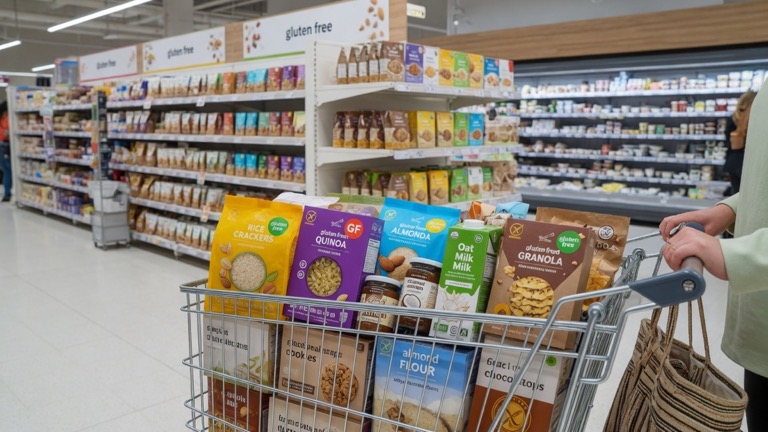
Okay, armed with your label-reading powers, let’s hit the grocery store!
The Produce Section: Your Best Friend
This is your happy place. All fresh fruits and vegetables are naturally gluten-free and dairy-free. Load up! Berries, leafy greens, apples, bananas, sweet potatoes, broccoli. Fill half your cart here. It’s fresh, vibrant, and requires no label checking. Pure joy.
Meat, Poultry, and Fish: Simple is Safe
Unprocessed cuts of meat, poultry, and fish are also naturally GF and DF. Think plain chicken breasts, ground beef, salmon fillets. The trick here is to watch out for marinades, sauces, breadings, or pre-seasoned items. These are often where gluten or dairy (or both) sneak in. Read labels! Even something as simple as a deli turkey might have hidden ingredients.
Pantry Staples: Stocking Your Safe Zone
* **Grains:** Rice (brown, white, wild), quinoa, corn grits/polenta, certified gluten-free oats. Yes, certified GF oats are key! Regular oats are almost always cross-contaminated with wheat during processing. The National Celiac Association has great info on why this certification matters. Buckwheat (despite its name, it’s not wheat!) is also a fantastic GF/DF option.
* **Legumes:** Canned or dried beans, lentils, chickpeas. Great sources of protein and fiber. Just check for any added ingredients in canned versions (some baked beans contain dairy or gluten thickeners).
* **Healthy Fats:** Olive oil, avocado oil, coconut oil. These are naturally GF and DF and perfect for cooking.
* **Nut Butters:** Peanut butter, almond butter, cashew butter. Read labels for added sugars, oils, or hidden dairy/gluten, but most are clean.
* **Flours:** A whole world of GF/DF flours awaits! Rice flour, almond flour, tapioca starch, potato starch, sorghum flour, millet flour. Use these for baking adventures.
The Dairy-Free Dairy Aisle: A World of Options!
This section has absolutely exploded with incredible choices. You won’t miss a thing!
* **Plant-Based Milks:** Almond, oat, soy, coconut, rice, cashew, hemp. Each has a different flavor and texture. Oat milk is often creamy and great in coffee. Almond milk is light. Coconut milk is rich. Experiment to find your favorites! Always choose unsweetened varieties to control sugar.
* **Dairy-Free Yogurts:** Made from coconut, almond, or oat milk. They come in plain and flavored varieties.
* **Dairy-Free Cheeses:** These have come a long way! You’ll find shreds, slices, cream cheese, and blocks made from nuts (cashew, almond), coconut oil, or soy. Textures and melt-ability vary by brand. Miyoko’s Kitchen and Violife are popular choices.
* **Butter Alternatives:** Plant-based butter sticks and spreads (often made with avocado oil, coconut oil, or a blend of vegetable oils) are fantastic for cooking, baking, and spreading on GF toast. Earth Balance is a common and reliable brand.
The GF/DF Processed Foods Aisle: Proceed with Caution (and a Label!)
This is where you need to be extra vigilant. Many products designed to be GF *still* contain dairy, and many DF products *still* contain gluten.
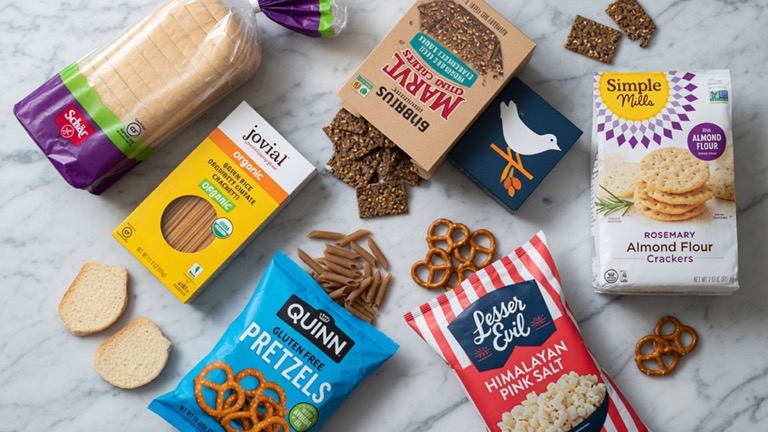
* **Breads, Pastas, Crackers:** Many brands offer both GF and DF options. Always check. Some GF breads might use milk powder, while some DF breads might contain wheat.
* **Snacks:** Chips, popcorn, fruit snacks. Always read the back. Even plain potato chips can sometimes have dairy-based seasonings or “natural flavors” that hide gluten.
* **Frozen Meals/Desserts:** This is a minefield. Don’t assume anything. Read every ingredient. There are fantastic GF/DF ice creams (coconut, oat, cashew based) and even frozen pizzas, but diligence is key.
Smart Strategies for Stress-Free Shopping
1. **Plan Your Meals:** Before you even step foot in the store, have a few GF/DF meals in mind. This helps you create a targeted shopping list. You’ll save time, money, and avoid impulse buys that aren’t safe.
2. **Make a List and Stick to It:** Seriously. It’s your compass in a sea of options.
3. **Research New Products:** See a new GF/DF item? A quick Google search on your phone can often tell you if it’s safe or if others have had issues. Apps like Fig or Spoonful can also scan barcodes for allergens.
4. **Embrace the Perimeter:** Generally, the freshest, unprocessed foods (produce, meat, whole grains) are found around the outer edges of the grocery store. The middle aisles are where most of the highly processed stuff lives.
5. **Farmers Markets are Gems:** Many local farmers markets offer naturally GF and DF foods. Talk to the vendors! They’re usually happy to tell you about their ingredients and practices. Just be mindful of cross-contamination if they also sell baked goods.
6. **Don’t Fear Online Shopping:** Many online grocery delivery services make it easy to filter for “gluten-free” and “dairy-free.” This can be a huge time-saver and help you discover new products.
Embrace the Deliciousness!
Shopping GF and DF isn’t about what you *can’t* have. It’s about discovering a vibrant world of delicious ingredients. It’s about experimenting with new flavors, exploring different cuisines, and feeling incredible because you’re nourishing your body with exactly what it needs.
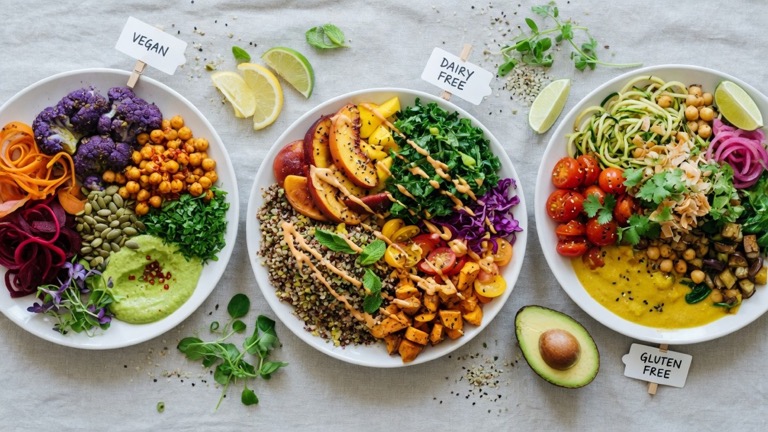
Think creamy cashew curries, fluffy almond flour pancakes topped with berries, vibrant salads bursting with fresh veggies, and hearty quinoa bowls. Your plate can be a canvas of colors and textures. You get to be the artist! This journey encourages you to cook more, bake more, and truly connect with your food. It gets easier, it becomes second nature, and soon you’ll be zipping through the store, confidently filling your cart with everything you need for a truly joyful and delicious life. You’ve got this!