Understanding GF Certifications: What Do They Mean? (2026)

Your GF Decoder Ring: Cracking the Code of Gluten-Free Certifications
Hey, my friend! Are you ready to talk about something super important, something that brings so much peace of mind to our gluten-free lives? I mean, beyond the joy of a perfectly chewy GF cookie or finding that new bread that actually tastes like bread. We’re talking about those little symbols on packaging, the ones that whisper, “You’re safe here. Dig in!”
Navigating the gluten-free shopping aisles can feel a bit like a treasure hunt, right? Sometimes, it’s a pure delight; other times, you’re squinting at ingredient lists, playing detective. That’s why understanding gluten-free certifications is our superpower. They cut through the confusion. They are your trusted guides. Consider this your essential read for Navigating Gluten-Free Shopping with confidence.
Why Those Little Symbols Matter So Much
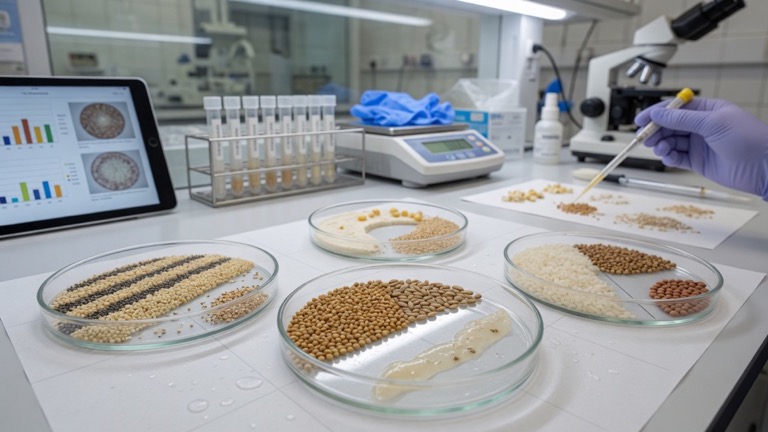
You see a label that says “gluten-free.” That’s good. It meets the FDA’s standard of less than 20 parts per million (ppm) of gluten. But then you see a *certified* gluten-free label. Big difference. This means a third-party organization has swooped in, audited the facility, tested the product, and verified that it consistently meets or exceeds that 20 ppm standard. It’s an extra layer of protection, a culinary bodyguard, if you will.
For us, especially those with celiac disease or severe gluten sensitivities, cross-contamination is a real concern. Think about it: a rogue crumb, a shared cutting board. Not fun. Certified products minimize that risk significantly. They tell us a product has been made with meticulous care. They give us confidence.
The Nitty-Gritty: What’s “20 Parts Per Million” All About?
This number, 20 ppm, pops up a lot. It’s the benchmark set by the FDA for “gluten-free” labeling in the United States. But what does it even mean? Imagine you have a million tiny marbles. If 20 of them are red and the rest are blue, that’s 20 ppm. In food terms, it’s an incredibly small amount. For almost everyone with celiac disease, this level is considered safe. Scientific studies suggest that even at 20 ppm, the vast majority of individuals with celiac disease will not experience intestinal damage. It’s a carefully chosen standard.
It’s a tiny, tiny fraction. But for those of us living GF, it makes all the difference.
Meet the Certification Superheroes: Your Go-To Guides
Several organizations dedicate themselves to making our GF lives safer and tastier. They’re the ones behind those trusted seals. Let’s get to know them.
The Gluten-Free Certification Organization (GFCO)
This is probably one of the most recognized seals out there. The GFCO (a program of the Gluten Intolerance Group) has a super strict standard: products must test at 10 ppm or less of gluten. Yes, that’s half the FDA standard. Their symbol is a circle with “GF” inside. Easy to spot.
When you see that GFCO mark, you know the product has gone through a rigorous process. Manufacturers must follow strict protocols, conduct regular testing, and even submit to annual audits. They’re serious about safety. You can find more about their comprehensive standards directly from their organization. Learn about GFCO’s standards.
NSF International
You might recognize the NSF logo from other certified products, like water filters. They’re all about public health and safety. Their gluten-free certification also adheres to the 20 ppm standard, but with a robust certification process that includes facility inspections, ingredient reviews, and ongoing testing. The NSF Certified Gluten-Free mark usually features “NSF” prominently with “Certified Gluten-Free” underneath. It’s a stamp of approval from a highly respected organization.
Celiac Support Association (CSA)
The Celiac Support Association has its own “Seal of Recognition.” They also require products to be tested below 5 ppm, which is even stricter than GFCO! Their seal is a crossed-grain symbol, often with “CSA Recognized” or similar wording. The CSA is dedicated to supporting individuals with celiac disease, and their seal reflects that commitment to extreme caution. This level of stringency offers maximum reassurance for many.
Decoding the Labels: Spotting Your Safe Bets
So, how do you actually find these certifications on the shelf?
* Look for the symbols: They’re usually on the front of the packaging, often near the bottom or next to the ingredient list.
* Read carefully: Sometimes a product will simply say “gluten-free” without a third-party certification. While this technically meets the FDA 20 ppm rule, the certified labels give you that extra layer of verified trust.
* Flip it over: If you’re still unsure, check the back or sides. Manufacturers want you to see these certifications, so they’re generally not hiding them.
It’s your handy shortcut. You see the seal, you grab it, you go!
“Naturally Gluten-Free” vs. “Certified Gluten-Free”: What’s the Scoop?
This is a common question, and it’s a good one.
Some foods are naturally gluten-free. Think fresh fruits, vegetables, plain meat, eggs, quinoa, rice. These foods don’t inherently contain gluten, so they don’t need a “gluten-free” label, much less a certification. They just *are* GF.
Then there are processed foods. A bag of rice flour is naturally gluten-free, but if it’s milled in a facility that also processes wheat, there’s a risk of cross-contamination. This is where certification becomes incredibly valuable.
A product labeled simply “gluten-free” (without a seal) means the manufacturer *states* it meets the FDA 20 ppm rule. They self-regulate. A *certified* gluten-free product means an *independent third party* has verified that claim. It’s like the difference between someone saying “I’m a good driver” and someone saying “I have a perfect driving record, officially verified by the DMV.” Which one makes you feel safer in the passenger seat? Exactly.
Beyond the Label: Your Inner GF Detective
Okay, what if a product *doesn’t* have a certification seal? Don’t panic! Many fantastic gluten-free brands don’t opt for third-party certification, often due to cost, especially smaller businesses. That doesn’t automatically make them unsafe.
Here’s where your inner GF detective comes out:
1. Read the ingredient list: This is always your first line of defense. Wheat, barley, rye, and malt are immediate red flags. Check for oats, too – unless they are certified gluten-free oats, they can be cross-contaminated. For a deeper dive, check out our guide on Decoding Gluten-Free Labels: A Beginner’s Guide.
2. Check for allergen statements: Many products will clearly state “May contain wheat” or “Produced in a facility that also processes wheat.” These are big NOs for us.
3. Visit the company’s website: Look for a dedicated FAQ section on their gluten-free practices. Many companies are transparent about how they handle gluten, their testing protocols, and their cleaning procedures.
4. Contact the manufacturer: If you’re still unsure, shoot them an email or give them a call. Ask specific questions about their processes, their testing, and how they prevent cross-contamination. Most companies are happy to share this information. This is especially useful for things like Choosing Safe Gluten-Free Condiments and Sauces where hidden gluten can lurk.
It really pays to do your homework sometimes.
Embrace the Abundance, Live Joyfully GF!
Remember, the goal here isn’t to scare you or make GF eating feel like a chore. Quite the opposite! Understanding these certifications is about feeling confident and empowered in your food choices. It’s about unlocking a world of delicious, safe options.
The GF landscape in 2026 is better than ever before. There’s a true abundance of certified products on shelves. We’ve come so far! Use these seals as your trusted allies, your personal GF navigators. They simplify your shopping trips. They bring comfort. They let you focus on the pure joy of eating, rather than the anxiety of “is this safe?”
So, go forth! Explore those aisles. Fill your cart with delicious, certified goodness. And always remember, living gluten-free isn’t about limitations. It’s about a whole new world of exciting, flavorful possibilities. You’ve got this! Happy, safe eating, my friend.
If you ever need more guidance on navigating the shopping experience, remember our foundational guide: Navigating Gluten-Free Shopping. It’s a fantastic resource for all your GF grocery adventures.