Common Gluten-Free Baking Mistakes and How to Fix Them (2026)

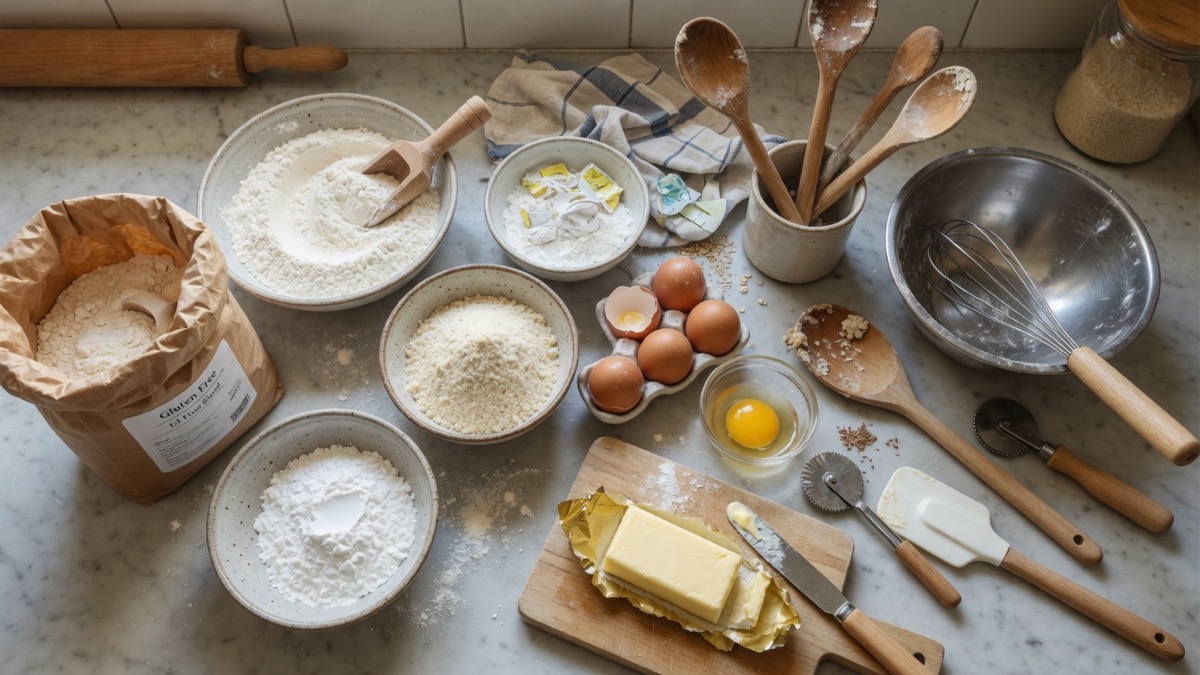
Hey there, fellow food adventurers! It’s your gluten-free expert friend here, ready to chat about one of my favorite topics: baking. The smell of freshly baked cookies, the satisfaction of a perfect cake, or the comforting warmth of homemade bread, these are some of life’s simple joys. And guess what? Going GF doesn’t mean you have to miss out on a single crumb of that happiness. Absolutely not! In fact, Gluten-Free Recipes & Meal Planning can open up a whole new world of delicious possibilities.
But let’s be real for a second. Sometimes, when we first step into the gluten-free kitchen, baking can feel a little… different. Gluten is the superstar protein in wheat that gives baked goods their structure, elasticity, and that satisfying chew. It’s like the invisible scaffolding holding everything up. Take it away, and you’re suddenly looking for new architects. That’s totally okay! It just means we need to learn a few new tricks to get those perfect results. Don’t worry, these aren’t complex magic spells. They’re just smart baking habits.
Today, we’re tackling the most common GF baking mishaps. We’ll learn why they happen and, more importantly, how to fix them. Think of me as your personal baking coach, helping you turn those “oops” moments into “oh, wow!” masterpieces. Let’s get that apron on and dive in!
Mistake #1: Using the Wrong Flour Blend (or Just One Flour!)
This is probably the biggest game-changer right out of the gate. Many new GF bakers grab a bag of rice flour or almond flour and think, “Okay, this will swap one-to-one for wheat flour.” And then… disappointment. Your cookies are crumbly. Your bread is dense. What went wrong?
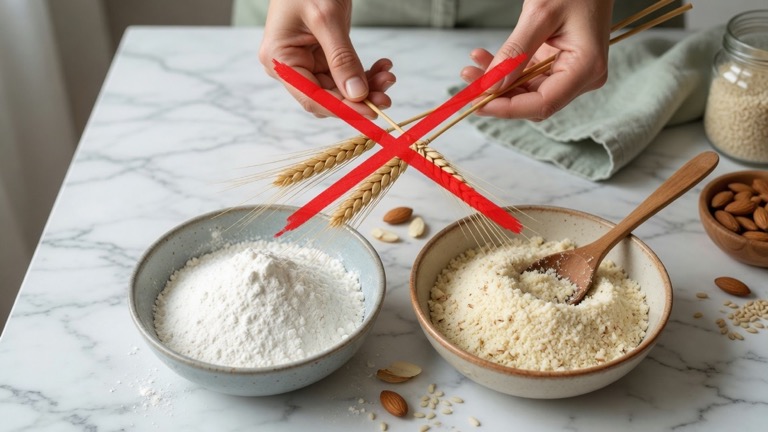
The Why: Wheat flour isn’t just one thing. It’s a precise balance of proteins and starches. GF flours, on the other hand, each have their own unique personalities. Rice flour can be gritty, almond flour adds richness but lacks structure, tapioca starch gives chewiness, sorghum flour is tender. No single GF flour can perfectly replicate wheat’s complex properties. It’s like trying to make a full orchestra sound using just a single flute. You need a whole band!
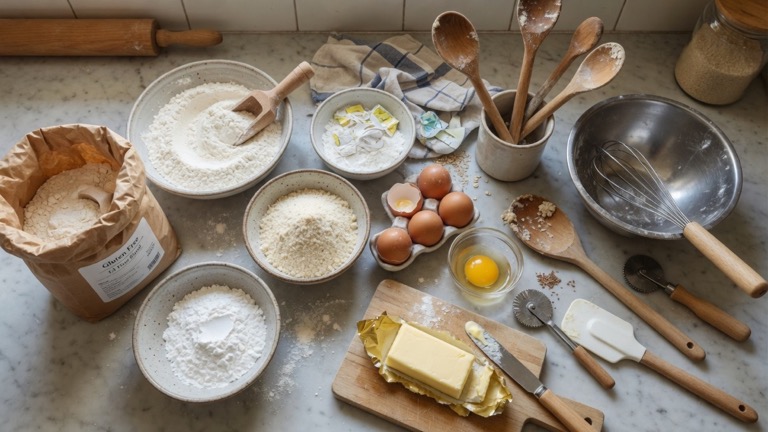
The Fix: Embrace the blend! Most successful GF baking relies on a mix of different flours. You want a combination of:
- Structure flours: These are often whole grain flours like brown rice, oat, sorghum, or buckwheat. They provide body and fiber.
- Starchy flours: Think tapioca starch, potato starch, or cornstarch. These add lightness, chew, and help bind everything together.
- Nut/Seed flours: Almond flour, hazelnut flour, or even sunflower seed flour can add moisture, flavor, and tenderness.
Many fantastic ready-made GF all-purpose flour blends are on the market. These are a great starting point, but always check their ingredients. Some are mostly starch, which might make your baked goods gummy. For specific recipes, you might even need to make your own custom blend. Experiment! Try a blend with 40% whole grain flour, 30% starchy flour, and 30% nut flour. You’ll be amazed at the difference!
Mistake #2: Skimping on Liquid or Fat
If your GF baked goods are dry, crumbly, or taste like sawdust (nobody wants that!), you might be short on liquids or fats. This is super common, especially when converting a conventional recipe without adjusting.
The Why: Gluten-free flours are incredibly thirsty. They absorb more liquid than wheat flour, and they do it faster. Without gluten to trap moisture and provide elasticity, fats and extra liquids step up to the plate. Fats, like butter, oil, or shortening, tenderize and add richness. Liquids, like milk, water, or eggs, hydrate the starches and create steam for lift. Without enough of either, your bake becomes a dry desert.
The Fix:
- Add more liquid: Don’t be afraid to increase the liquid in your recipe by 10-25%. Look for a batter consistency that’s often looser than what you’d expect from a wheat-based recipe. It should be thick, but pourable for cakes, or cohesive for cookies.
- Bump up the fat: Increase butter, oil, or even add an extra egg yolk. Fats help carry flavor and keep things moist. Avocado oil, coconut oil, or even a bit of applesauce (which adds moisture and acts as a fat replacer) can work wonders.
- Use high-moisture ingredients: Think mashed banana, pumpkin puree, shredded zucchini, or yogurt. These add moisture and often some natural sweetness and flavor too.
Always trust your instincts! If the batter looks too dry, add a tablespoon of liquid at a time until it feels right. You’ll get a feel for it over time.
Mistake #3: Forgetting the Gluten ‘Mimics’ (Gums)
Remember how we talked about gluten being the “scaffolding”? Well, when it’s gone, we need something else to provide that structure and elasticity. Enter xanthan gum and guar gum.
The Why: These plant-derived gums are essentially thickeners and stabilizers. They act as binders, helping the GF flours stick together and preventing your baked goods from falling apart into a pile of crumbs. Without them, your muffins crumble, your cookies spread too much, and your bread collapses. They also help trap gases, giving your bakes a lighter, airier texture, much like gluten does. Xanthan gum, for example, is a polysaccharide (a complex carbohydrate) that forms a sort of flexible web. You can read more about it here.
The Fix: Don’t skip the gum! If your GF all-purpose flour blend doesn’t already contain xanthan or guar gum, you’ll almost certainly need to add it separately.
- For cakes, muffins, and cookies: Start with about 1/4 to 1/2 teaspoon of gum per cup of GF flour blend.
- For breads and pizza dough: You’ll need a bit more, usually 3/4 to 1 teaspoon per cup of GF flour blend.
Too much gum can make your baked goods gummy (ironically!), so start with the lower end of the recommendation and adjust. A little goes a long way. Think of it as the invisible glue that holds your culinary dreams together.
Mistake #4: Treating GF Dough Like Wheat Dough (Over/Under Mixing)
When you bake with wheat flour, you often hear about the importance of not overmixing, as it develops the gluten and can lead to tough results. With GF baking, the rules change a bit.
The Why: Since there’s no gluten to develop, you won’t get “tough” results from overmixing in the same way. However, GF batters and doughs do need enough mixing to properly hydrate all those thirsty flours and starches. If you undermix, you’ll end up with a gritty texture or unmixed pockets of flour. If you overmix, particularly with delicate ingredients, you can incorporate too much air which might then collapse, or develop a strangely cohesive but heavy texture.
The Fix:
- Mix until just combined: For cakes, muffins, and quick breads, mix until all the dry ingredients are fully incorporated and the batter is smooth. A minute or two on medium speed in a stand mixer is usually perfect.
- For yeast breads: GF yeast doughs often benefit from a bit more mixing than wheat doughs. This helps to properly distribute the gum and hydrate the flours fully, creating a better structure. Mix for 3-5 minutes. The dough won’t get elastic like wheat dough, but it should feel cohesive.
- Don’t be afraid to scrape the bowl: GF batters can be sticky, so make sure to scrape down the sides of your mixing bowl to ensure everything is evenly incorporated.
The goal is always even hydration. Once all those flour particles have soaked up their liquid, you’re good to go. No need to go crazy with the mixer.
Mistake #5: Not Giving It a Break (Rest Time)
Patience, my friends, is a virtue, especially in the GF kitchen. Rushing your baked goods can lead to less-than-stellar results.
The Why: Remember those thirsty GF flours? They need time to drink up all that liquid. If you mix your dough and immediately bake it, the flours might not be fully hydrated. This can lead to a gritty texture, uneven baking, or a denser product. Resting allows the liquids to fully absorb into the starches and proteins in your flour blend, leading to a smoother texture and better overall structure. It’s like letting a good conversation steep a little before you respond, allowing all the nuances to settle in.
The Fix:
- Rest your batters: For muffins, cakes, and quick breads, letting the batter sit for 15-30 minutes before baking can make a noticeable difference. Cover it and let it hang out on the counter.
- Chill your cookie dough: This isn’t just for wheat cookies! Chilling GF cookie dough for at least 30 minutes (or even overnight!) helps the flours hydrate, prevents spreading, and can deepen the flavor. Plus, chilled dough is easier to handle.
- Proof yeast doughs properly: GF yeast breads often need a longer, warmer proofing time than traditional breads. Give them time to rise, usually until they are visibly puffy and have doubled in size. Don’t rush this crucial step! King Arthur Baking has a great guide on proofing yeast.
A little rest goes a long way. It allows the ingredients to get to know each other, leading to a much happier, more delicious outcome.
You’ve Got This!
Baking gluten-free is less about limitations and more about clever substitutions and understanding new ingredient behaviors. With these tips, you’re now armed with the knowledge to troubleshoot common issues and bake with confidence. Your GF kitchen is a space for joy, experimentation, and truly delicious food.
Don’t be afraid to try new recipes, adjust as needed, and enjoy the process. Every bake is a learning experience, and every success is a triumph! Soon, you’ll be whipping up treats that everyone, GF or not, will adore. Happy baking, my friends! And hey, if you’re looking for other ways to keep your GF journey delicious, check out these 10 Delicious Gluten-Free Breakfast Smoothies. They’re a fantastic start to any day!