Gluten-Free for Athletes: Optimizing Performance and Recovery (2026)

Alright, my athletic friends, listen up! Whether you’re pounding the pavement, hitting the weights, or dominating the field, what you eat fuels every single stride, lift, and sprint. And if you’re gluten-free (or even just curious about it), you might wonder: can a GF diet actually *help* your performance? The answer, my friends, is a resounding YES.
Forget what you think you know about gluten-free eating being “limiting.” We’re here to talk about a world of vibrant, delicious, and powerful foods that can absolutely supercharge your body, making you feel lighter, stronger, and more resilient. We’re not just avoiding gluten; we’re intentionally choosing foods that truly serve your active lifestyle. Think of your body like a high-performance race car. You wouldn’t fill it with muddy water, right? You want premium fuel. And for many of us, that means premium, gluten-free fuel. Want to truly understand the basics? Check out our Understanding Gluten-Free guide to get started.
Why Ditching Gluten Can Be Your Secret Weapon
So, what’s the big deal with gluten anyway? For some, it’s a tiny protein that acts like a sticky wrench in the digestive system. We’re talking about wheat, barley, and rye, the usual suspects. If your body struggles to break down gluten, it can lead to inflammation, digestive distress, and even malabsorption of crucial nutrients. Imagine trying to run a marathon with a stomachache and low energy. Not exactly ideal, right?
When you remove gluten, especially if you’re sensitive to it, you’re essentially taking out those roadblocks. Your gut can calm down. Nutrients can actually get absorbed properly, like VIPs walking straight into a concert without waiting in line. This means more energy, better recovery, and fewer distractions from uncomfortable symptoms. It’s not about magic; it’s about removing interference so your body can do what it’s built to do: perform. And hey, understanding The Difference Between Celiac Disease and Gluten Sensitivity is a great first step if you suspect gluten might be your personal performance saboteur.
Fueling Your Inner Dynamo: GF Style
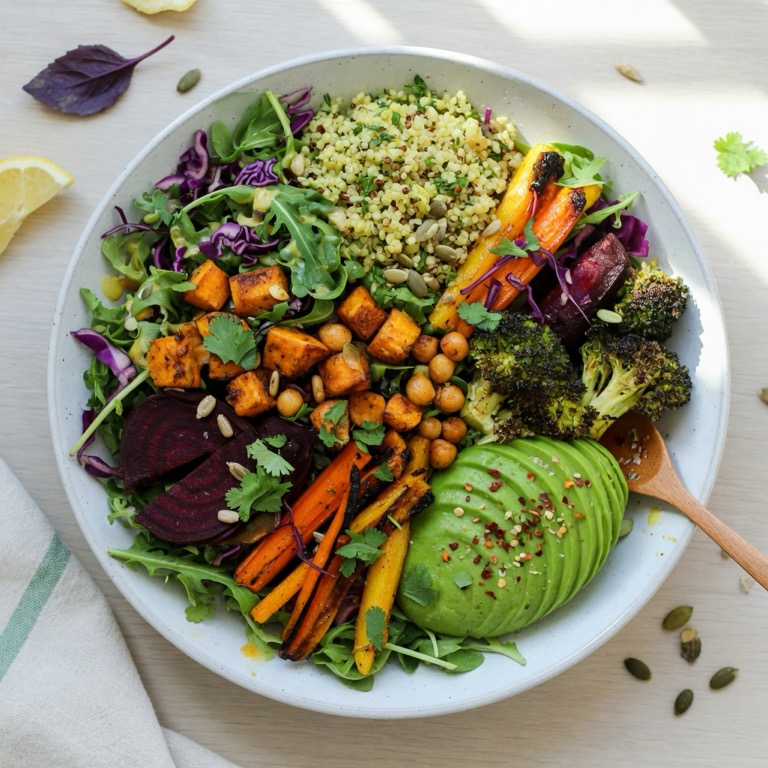
Athletes need a balanced diet, full stop. But a gluten-free athlete needs to be smart about where those macronutrients come from. We’re talking complex carbohydrates, lean proteins, and healthy fats. These are the building blocks of energy and repair, and luckily, the GF pantry is overflowing with amazing options.
Complex Carbs: Your Sustainable Power Source
Carbohydrates are your primary energy source. Period. They’re like the main battery for your muscles. On a GF diet, we swap out wheat-based pastas and breads for amazing alternatives. Think about it:
- Quinoa: A complete protein AND a fantastic carb. It cooks fast.
- Brown Rice & Wild Rice: Versatile, delicious, and easy to digest.
- Sweet Potatoes & Yams: Packed with vitamins and sustained energy. Bake them, mash them, roast them.
- Certified GF Oats: Great for breakfast, overnight oats, or energy bars. Just make sure they are certified to avoid cross-contamination.
- Buckwheat: Despite the name, it’s not wheat at all! It’s a gluten-free grain, perfect for pancakes or soba noodles.
- Fruits: Nature’s candy, loaded with quick sugars for immediate energy. Bananas, berries, apples.
These options give you that slow-release energy, preventing energy crashes mid-workout. No more feeling like your battery just went from 100% to 10% in five minutes.
Protein: The Muscle Builder & Repair Crew
After a tough workout, your muscles need some love. Protein steps in to repair those tiny tears and help them grow stronger. Going GF doesn’t change your protein needs, but it emphasizes smart choices.
- Lean Meats: Chicken breast, turkey, lean beef. Grilling them is simple.
- Fish: Salmon, tuna, cod. Omega-3s are a bonus for fighting inflammation.
- Eggs: The ultimate versatile protein. Scramble them, boil them, fry them.
- Legumes: Lentils, chickpeas, black beans. Fiber-rich and satisfying.
- Tofu & Tempeh: Plant-based powerhouses. Marinate them for flavor.
- GF Protein Powders: Look for those specifically certified gluten-free, often derived from rice, pea, or whey (if you tolerate dairy).
Plenty of choices, right? Your plate can still be stacked with muscle-loving goodness.
Healthy Fats: Long-Haul Energy & Inflammation Fighters
Fats are crucial for sustained energy, especially during longer endurance activities. They also help absorb fat-soluble vitamins and support overall health.
- Avocados: Creamy, delicious, and full of good fats. Add to salads or smoothies.
- Nuts & Seeds: Almonds, walnuts, chia seeds, flax seeds. Great for snacks or adding to meals.
- Olive Oil: Perfect for cooking and salad dressings.
- Coconut Oil: Another versatile cooking oil.
These fats keep you feeling full and provide a steady stream of energy, like a slow-burning log on a fire.
Your Gut: The Unsung Hero of Performance
Think of your gut as the engine room of your body. If it’s not running smoothly, nothing else will. For athletes, a happy gut means better nutrient absorption, less inflammation, and fewer bathroom emergencies when you’re trying to set a new personal record.
When a gluten-sensitive person goes GF, they often notice a dramatic improvement in gut health. Bloating, gas, and discomfort subside. This allows your body to truly get the most out of every meal. Your body can then absorb essential vitamins, minerals, and amino acids far more efficiently. Better absorption means your muscles get what they need to function optimally and recover faster. It’s like upgrading from a dusty, sputtering engine to a finely tuned, quiet powerhouse.
Recovery: The Key to Coming Back Stronger
Recovery isn’t just about resting; it’s about giving your body the tools to repair and rebuild. Post-workout nutrition is a critical window, and gluten-free choices shine here. You want a combination of fast-acting carbs to replenish glycogen stores (your muscle’s stored energy) and protein for muscle repair.
Imagine a delicious GF shake with certified gluten-free oats, banana, spinach, and a scoop of GF protein powder. Or a quick meal of grilled chicken, sweet potato, and some greens. These foods are naturally anti-inflammatory, especially when you focus on whole, unprocessed ingredients. Berries, dark leafy greens, and fatty fish (like salmon) are GF powerhouses that help soothe your body after intense training. This reduces muscle soreness and gets you ready for your next session faster.
Practical Tips for the GF Athlete
It’s one thing to know *what* to eat, but *how* to make it happen is another. Here are some real-world strategies:
- Meal Prep is Your Best Friend: Cook in batches. Roast a tray of sweet potatoes, grill extra chicken, or make a big pot of quinoa at the start of the week. This saves time and ensures you have healthy, GF options ready.
- Snack Smart: Always have GF snacks on hand. Think fruit, nuts, seeds, GF energy bars (check labels!), rice cakes with avocado, or hard-boiled eggs. You never want to get caught hungry with no safe options.
- Be a Label Detective: This is non-negotiable for GF living, especially for athletes who are particular about what goes into their bodies. Gluten can hide in unexpected places, even in things like protein bars or sauces. Get good at Reading Food Labels: Identifying Hidden Gluten Ingredients. Look for “Certified Gluten-Free” labels when possible.
- Hydrate Like a Pro: This isn’t unique to GF, but it bears repeating. Water is essential for every bodily function, including nutrient transport and temperature regulation. Electrolytes (from sports drinks, coconut water, or even a pinch of sea salt in water) are crucial during intense or prolonged activity.
- Consider GF Supplements: If you use protein powders, energy gels, or other supplements, always verify they are certified gluten-free. Manufacturers are getting better, but it’s always worth a double-check.
Shattering the Myths: GF Doesn’t Equal Weak
Some folks still think going GF means less energy or that you’re somehow missing out. Nonsense! A well-planned, whole-food gluten-free diet is incredibly nutrient-dense.
It’s true that highly processed GF junk food exists. A GF cookie is still a cookie, after all. But focusing on naturally GF foods like fruits, vegetables, lean proteins, and ancient grains provides your body with an abundance of vitamins, minerals, and antioxidants. It’s about choosing quality fuel, not just avoiding one ingredient. You can absolutely be strong, fast, and powerful on a GF diet. Many elite athletes prove it daily (Source: New York Times article on GF athletes). It’s about feeling your best, and for many, that means saying goodbye to gluten.
Your GF Athlete Plate (Quick Ideas!)
Let’s get practical with some delicious combinations:
- Pre-Workout Power:
- GF oatmeal with berries and a drizzle of honey.
- Banana slices with almond butter.
- Rice cakes topped with avocado and a sprinkle of sea salt.
- Post-Workout Refuel:
- Grilled salmon with quinoa and roasted asparagus.
- Chicken and veggie stir-fry over brown rice.
- Lentil soup with a side of GF crackers.
- On-the-Go Snacking:
- Handful of mixed nuts and seeds.
- Apple slices with sunbutter.
- GF beef jerky (check for marinades!).
You see? Abundance! Flavor! Fuel! You truly don’t have to sacrifice taste or performance when living gluten-free.
Go Forth and Conquer!
Embracing a gluten-free lifestyle as an athlete isn’t about restriction; it’s about refinement. It’s about listening to your body, understanding what makes it tick, and fueling it with pure, unadulterated goodness. When you provide your body with the right kind of fuel, minus the potential irritants, you set yourself up for better performance, faster recovery, and a general feeling of well-being that truly supports your active goals.
So, go ahead! Experiment with new GF grains, discover delicious protein sources, and feel the difference a clean, focused diet can make. Your body will thank you, and your performance might just hit new heights you never thought possible (Source: Celiac Disease Foundation on GF athletes). The gluten-free world is waiting to support your journey to strength and success. Keep fueling, keep training, and keep enjoying every delicious, GF bite! To dive deeper into making this lifestyle work for you, revisit our Understanding Gluten-Free cornerstone.