The Role of Oats in a Gluten-Free Diet: Are They Safe? (2026)


Let’s talk about oats. Ah, the humble oat. For so many of us, it conjures images of cozy breakfasts, warm cookies, and hearty granola. But when you live the gluten-free life, every grain comes with a question mark. Oats are no different. Can we, the gluten-free crew, safely embrace this wholesome grain, or is it another forbidden pleasure?
I’m here to tell you, my friend, that for most of us, oats are absolutely back on the menu. But here’s the kicker: not all oats are created equal. This isn’t just about reading a label. It’s about understanding the journey of that oat from field to bowl. And trust me, it’s a journey worth knowing, especially if you’re navigating the ins and outs of an Understanding Gluten-Free lifestyle.
Why We Even Want Oats in the First Place
Before we dive into the “are they safe?” debate, let’s remember why oats are such a nutritional rockstar. They’re packed with soluble fiber, the good stuff that keeps your digestive system happy and your cholesterol in check. Think of it like a tiny, edible sponge, soaking up what it shouldn’t. Oats also bring a decent dose of protein, essential vitamins (like B vitamins), and minerals (iron, magnesium, zinc) to the table. Plus, they’re wonderfully filling, keeping those mid-morning hunger pangs at bay. Who doesn’t want that?
They’re versatile, too. We’re talking creamy porridge, chewy cookies, crispy granola, and a foundational ingredient for so many baked goods. Adding oats back into a GF diet can make meal planning so much more exciting, opening doors to dishes you might have thought were off-limits.
The Gluten Question: Oats vs. Gluten
Here’s where it gets interesting. Naturally, oats do not contain gluten. Not the gluten found in wheat, barley, or rye, anyway. Those pesky proteins, gliadin in wheat, hordein in barley, and secalin in rye, are what trigger reactions in people with celiac disease. Oats have their own unique protein called avenin. It’s similar in structure to gluten, but it’s not the same thing.
For the vast majority of people with celiac disease, avenin is completely harmless. Your body doesn’t see it as the enemy. It’s like comparing a regular pear to an Asian pear; both are delicious fruits, but distinct enough. The problem, then, isn’t usually the oat itself.
The Real Villain: Cross-Contamination
So, if oats don’t naturally have gluten, why the big fuss? The answer is simple and frustrating: cross-contamination. This is the real troublemaker.
Picture this: oats are often grown in fields right next to wheat. Sometimes, they’re harvested with the same equipment. Then, they go to processing plants that also handle wheat, barley, and rye. It’s like trying to bake a GF cake in a kitchen where flour is constantly flying through the air. Tiny, invisible gluten particles can easily hitch a ride on the oats, contaminating them.
This isn’t a small problem. Even a few crumbs of gluten can cause a reaction for someone with celiac disease or severe gluten sensitivity. That’s why simply buying “plain” oats from the bulk bin or a regular cereal aisle isn’t a safe bet.
Enter the Hero: Certified Gluten-Free Oats
This is where the magic happens for us! The solution, my friends, lies in choosing oats that are specifically labeled and certified gluten-free. This isn’t just a marketing ploy. It means those oats have been grown, harvested, processed, and packaged under strict conditions to prevent cross-contamination.
Certified GF oats are routinely tested to ensure their gluten content is below the legally recognized safe threshold of 20 parts per million (ppm). That’s incredibly low, like finding 20 grains of sand in a million grains of sugar. This rigorous testing provides peace of mind. Without this certification, you’re essentially playing a game of gluten roulette, and nobody wants that.
Purity Protocol vs. Mechanically Sorted: Know Your Oats
Even within the world of certified gluten-free oats, there are two main categories. Understanding the difference can make you an even more confident GF consumer.
Purity Protocol Oats
- These oats are the gold standard.
- They are grown in dedicated fields, specifically set aside for oats only, far from wheat, barley, and rye.
- Farmers use dedicated GF equipment for planting, harvesting, and transport.
- They are processed in dedicated GF facilities.
- Basically, from seed to package, they never touch gluten.
- This method offers the lowest risk of contamination.
Mechanically Sorted Oats
- These oats are grown in conventional fields, often alongside gluten-containing grains.
- They are then sent through an elaborate sorting and cleaning process to remove foreign grains.
- While the sorting machines are highly efficient, there’s a slightly higher chance that a stray gluten grain might slip through.
- They are still tested to meet the 20 ppm standard, but some highly sensitive individuals might find purity protocol oats a better fit.
Most experts, myself included, recommend Purity Protocol oats whenever possible for maximum safety, especially when you’re first introducing them into your diet. Think of it this way: Purity Protocol is like baking in a kitchen that *never* sees flour, while mechanically sorted is like a kitchen that’s been thoroughly scrubbed after a big flour fight. Both can be clean, but one starts cleaner.
You can often find information about whether a brand uses purity protocol by checking their website or packaging. Brands like Gluten-Free Prairie and Bob’s Red Mill (look for their “Purity Protocol” label) are great examples. For more on safe grains, you might enjoy our post on Decoding Gluten-Free Grains: From Quinoa to Millet.
Avenin Sensitivity: When Oats Still Aren’t Your Friend
While most people with celiac disease can tolerate avenin, a small percentage (estimated around 5-10%) do react to it. This is called avenin sensitivity. It’s not a reaction to gluten, but rather to the oat’s own protein, which can mimic a celiac response in these specific individuals.
Symptoms of avenin sensitivity are similar to gluten exposure: digestive upset, fatigue, brain fog, and other inflammatory responses. If you’ve tried certified gluten-free oats (especially purity protocol) and still feel unwell, it’s worth discussing this possibility with your doctor or dietitian. They might suggest a temporary elimination to see if your symptoms improve. Listen to your body. It’s the best guide you have.
This is a delicate situation, similar to when parents need to decide if certain foods are safe for their kids. It requires careful observation, just like navigating a Gluten-Free Lifestyle for Kids: Tips for Parents and Schools.
How to Introduce Certified GF Oats into Your Diet (Safely!)
Ready to bring oats back? Here’s the smart way to do it:
- Start Small: Don’t dive into a giant bowl of oatmeal. Begin with a very small amount, maybe a tablespoon in a smoothie or sprinkled over yogurt.
- Monitor Your Body: Pay close attention to how you feel for the next 24-48 hours. Any digestive issues? Headaches? Fatigue?
- Increase Gradually: If you feel good, slowly increase the amount over several days or weeks.
- Consult a Professional: If you have celiac disease, it’s always a good idea to discuss introducing oats with your doctor or a registered dietitian. They can provide personalized guidance based on your health history. This is especially true if you’ve recently undergone something like The Gluten Challenge: When and Why It’s Necessary for Diagnosis.
Embrace the Oat-tastic Possibilities!
Once you’ve safely reintroduced certified gluten-free oats, a whole world of deliciousness opens up! Here are just a few ideas:
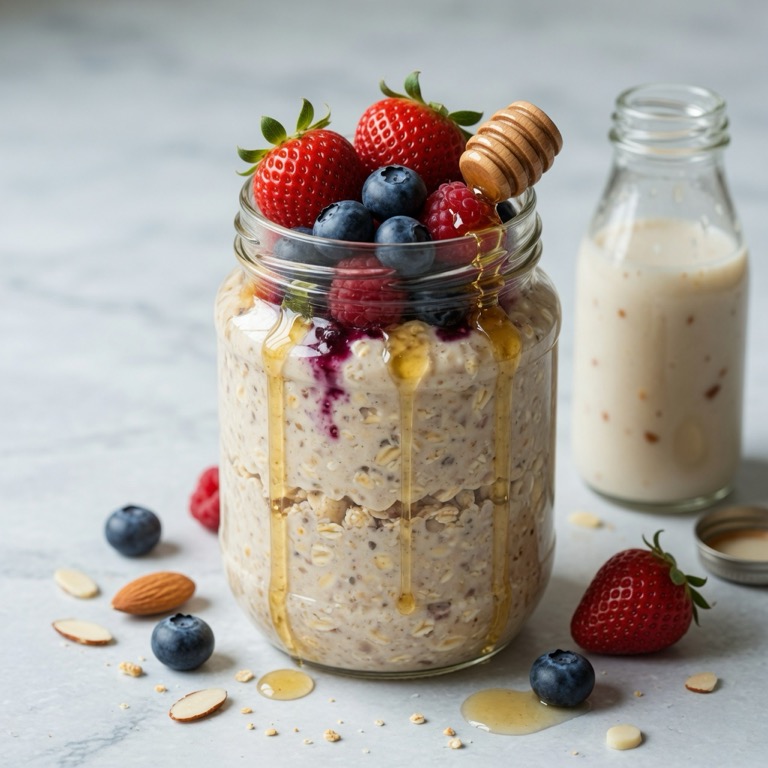
- Creamy Oatmeal: A classic for a reason! Dress it up with fruit, nuts, seeds, and a drizzle of maple syrup.
- Baked Goods: Oat flour is a fantastic GF flour substitute for cookies, muffins, breads, and more.
- Granola: Make your own homemade granola for a truly wholesome snack or breakfast topping.
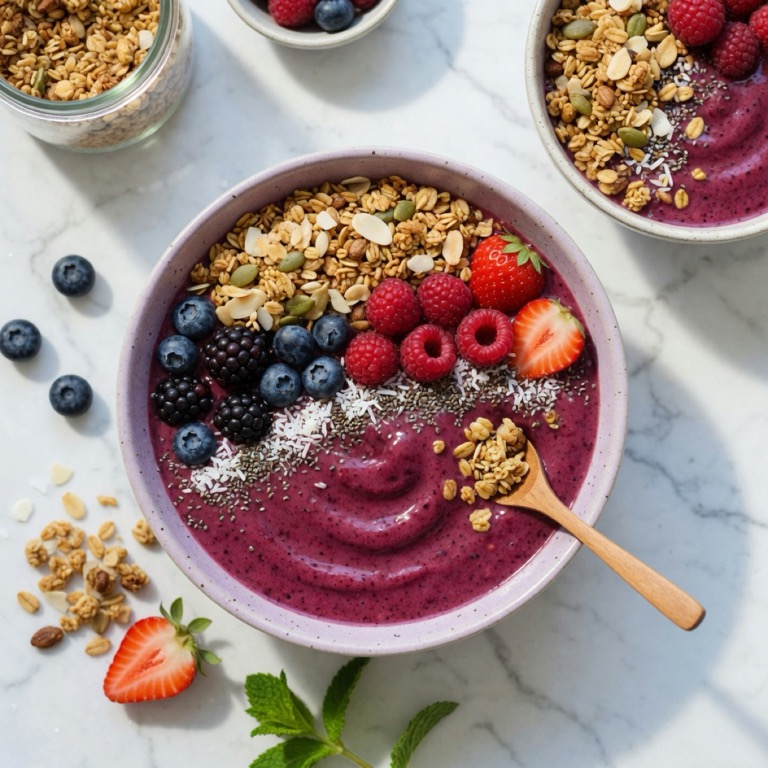
- Smoothie Boost: Add a tablespoon of rolled oats for extra fiber and thickness.
- Meatloaf Binder: Replace breadcrumbs with GF oats for a savory, hearty binder.
- Oat Milk: Make your own, or choose a certified GF brand from the store.
The culinary landscape for gluten-free living is richer than ever, and safe oats are a big part of that. They bring texture, flavor, and nutrition without the worry.
The Bottom Line: Oats Are Our Friends (Mostly!)
So, are oats safe for a gluten-free diet in 2026? For most of us, absolutely yes! The key is to be a savvy shopper. Always look for oats that are clearly labeled “certified gluten-free.” When possible, opt for “Purity Protocol” oats to minimize any risk of cross-contamination. And, as always, listen to your body. It’s an amazing, intelligent system that will tell you what it likes and doesn’t like.
Embrace the versatility and nutrition of GF oats. They’re a delicious addition to a life free from gluten, full of flavor, and bursting with possibilities. Go forth, my friend, and enjoy your oat-filled adventures!
Sources: