Nutritional Deficiencies on a Gluten-Free Diet: What to Watch For (2026)


Hey, fellow food adventurer! Pull up a chair, grab a delicious gluten-free snack, and let’s chat. As your friendly GF guru, I’m all about celebrating the incredible world of food without gluten. We’ve come so far from the days of sad, crumbly bread. Today, living gluten-free means unlocking a universe of flavor, health, and pure joy. It means understanding your body and feeding it well, inside and out. If you’re just starting this journey, or looking to deepen your knowledge, you’ll find so much good stuff in our guide to Understanding Gluten-Free.
But here’s the thing, even with all the amazing GF options available, there’s a little secret we need to discuss. It’s not a scary monster under the bed, just a tiny bump in the road if we’re not paying attention: nutritional deficiencies. Yep, even on a diet that feels super healthy, some essential nutrients can sometimes play hide-and-seek. This isn’t about fear, it’s about smart choices and empowering ourselves with knowledge.
Think of your body like a high-performance car. It needs the right fuel, the right oil, all the right fluids to run smoothly. When you go gluten-free, especially if you’re dealing with conditions like celiac disease or severe gluten sensitivity, your gut might have been on a bit of a roller coaster. This can make absorbing nutrients tricky at first. Plus, many traditional gluten-filled staples like wheat bread and cereals are often fortified with vitamins and minerals. When those come off the menu, we need to make sure we’re sourcing those vital elements elsewhere. That’s why knowing what to watch for is a superpower for your well-being!
The Usual Suspects: Nutrients That Can Go Missing
So, what are these sneaky nutrients that sometimes play hard to get on a gluten-free diet? Let’s break them down, simply and clearly.
Iron: Your Energy Booster
Ever feel like you’re dragging, even after a good night’s sleep? Low iron might be the culprit. Iron is crucial for carrying oxygen through your blood, giving you energy and keeping your brain sharp. Many gluten-containing grains are fortified with iron, so when they’re gone, we need to be proactive.
- Where to find it: Think leafy greens (like spinach, kale), red meat, lentils, beans, quinoa, and even some dark chocolate (yes, really!). Pairing iron-rich foods with vitamin C (like a squeeze of lemon on your spinach) helps your body soak it up better. It’s like a dynamic duo for absorption!
Calcium & Vitamin D: The Bone Builders
These two are best friends when it comes to strong bones. Calcium is the building block, and Vitamin D is the foreman that makes sure the calcium gets where it needs to go. For those with celiac disease, gut damage can hinder calcium and vitamin D absorption. This is a big deal for bone health, particularly over the long term.
- Where to find them:
- Calcium: Dairy products (if you tolerate them), fortified plant milks, tofu, sesame seeds (tahini!), leafy greens (collard greens, bok choy), and sardines.
- Vitamin D: Sunshine is your primary source (think a short, daily dose). Food-wise, fatty fish like salmon and mackerel, and fortified dairy or plant-based milks are great.
B Vitamins (Especially Folate and B12): Your Nerve & Energy Squad
B vitamins are like the unsung heroes of your body, involved in everything from energy production to nerve function. Folate (Vitamin B9) is especially important for cell growth, and B12 is vital for nerve health and red blood cell formation. Many gluten-free flours aren’t fortified with B vitamins in the same way wheat flours are, so it’s easy to miss out.
- Where to find them:
- Folate: Leafy greens (hello again, spinach!), asparagus, Brussels sprouts, beans, lentils, and avocados.
- Vitamin B12: Primarily found in animal products (meat, fish, eggs, dairy). If you’re vegan or vegetarian, you absolutely need to consider fortified foods or supplements, as plant sources are scarce.
Fiber: Your Gut’s Best Friend
This isn’t really a “deficiency” in the same way as a vitamin, but it’s often overlooked. Many gluten-free processed foods are made with refined starches (like tapioca or potato starch) that lack the fiber found in whole grains. Fiber keeps your digestive system happy, helps regulate blood sugar, and makes you feel full. It’s the ultimate tummy-tamer!
- Where to find it: Load up on fruits, vegetables, beans, lentils, nuts, seeds (chia, flax!), and whole gluten-free grains like quinoa, brown rice, and oats (certified GF, of course!).
Magnesium: The Relaxer
Magnesium plays hundreds of roles in your body, from muscle and nerve function to blood sugar control. It’s often called the “relaxation mineral.” Because it’s found in many whole foods that are sometimes reduced in processed GF diets, it can sometimes be low.
- Where to find it: Dark leafy greens, nuts (almonds, cashews), seeds (pumpkin, sunflower), legumes, whole GF grains, and dark chocolate. Another reason to love dark chocolate!
Zinc: The Immune Defender
Zinc is a true multitasker, essential for immune function, wound healing, and even your sense of taste and smell. Just like iron, its absorption can be impacted if your gut isn’t quite healed.
- Where to find it: Red meat, poultry, beans, nuts, and pumpkin seeds.
Smart Strategies for a Nutrient-Rich GF Life
Okay, so we know what to look for. Now, how do we make sure our plates are bursting with these goodies? It’s simpler than you think.
Embrace Whole Foods
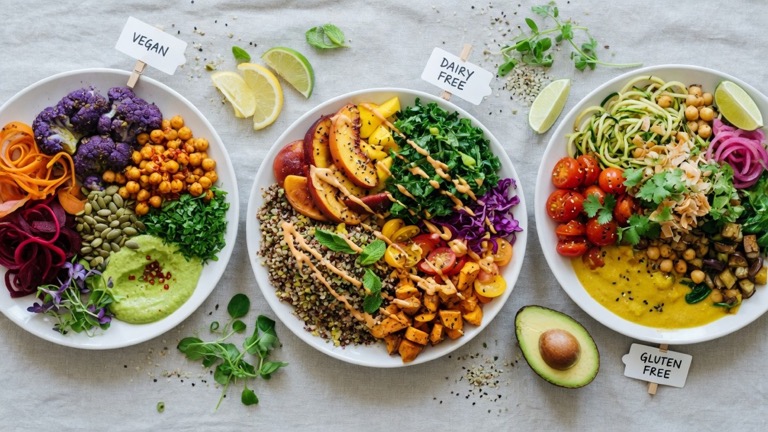
This is your golden rule. Build your meals around naturally gluten-free foods: plenty of fresh fruits and vegetables, lean proteins, legumes, nuts, seeds, and healthy fats. These are nutrient powerhouses, packed with everything your body craves. Forget the idea that GF living is restrictive; it’s a doorway to a vibrant, diverse diet. It’s a great idea to understand What Exactly Is Gluten and Why Is It Harmful to Some? so you can focus on replacing it with beneficial ingredients.
Read Labels Like a Pro
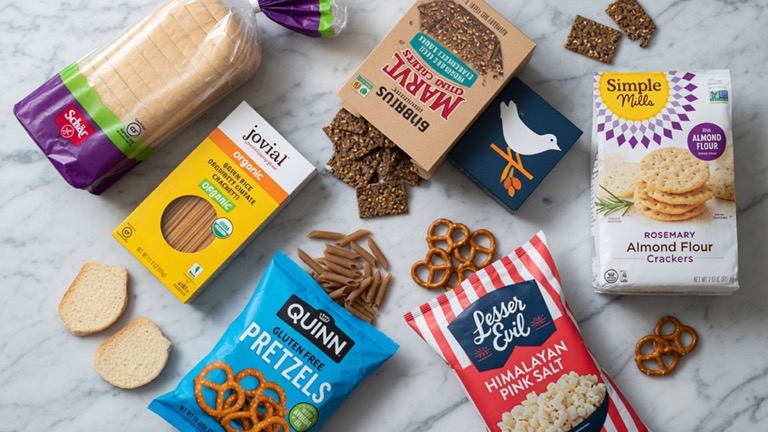
When you do reach for packaged gluten-free items, check the nutrition labels. Look for products fortified with vitamins and minerals, or those made with whole, unrefined GF grains and flours. A good label will tell you a lot about what you’re putting into your body.
Listen to Your Body (And Your Doctor)
If you’re experiencing persistent fatigue, hair loss, brittle nails, or other unusual symptoms, don’t hesitate to talk to your doctor. They can run blood tests to check for specific deficiencies. Early detection is key, especially if you have an underlying condition like celiac disease or even gluten sensitivity, as understanding Common Symptoms of Gluten Intolerance You Shouldn’t Ignore can really help. A registered dietitian (especially one specializing in GF diets) can be an incredible resource, helping you tailor a meal plan that works for you.
Consider Gut Health
For some of us, especially those with newly diagnosed celiac disease, our gut lining needs time to heal. Even if your diet is perfect, a damaged gut can struggle to absorb nutrients. Focus on healing foods, plenty of fiber, and good hydration. Probiotics might also play a role, but always discuss this with a healthcare professional.
A Quick Note on Supplements
Sometimes, despite our best efforts with food, a supplement might be needed, especially if a blood test confirms a significant deficiency. Always talk to your doctor or a dietitian before starting any new supplement regimen. Supplements are meant to *supplement* your diet, not replace real food. Think of them as a little boost, not the main fuel tank.
For example, B12 is a common one where supplementation is often recommended for vegans or those with absorption issues. Likewise, if your Vitamin D levels are consistently low despite sun exposure and food intake, your doctor might suggest a supplement. This isn’t a free-for-all, though. Too much of certain vitamins can actually be harmful, so professional guidance is essential.
You can learn more about specific vitamins and their roles from trusted sources like the Wikipedia page on Vitamins or the NIH Office of Dietary Supplements. These resources offer comprehensive, evidence-based information.
The Takeaway: Thrive, Don’t Just Survive
Living gluten-free is an opportunity, not a burden. It’s a chance to build a more conscious, colorful, and deliciously diverse plate. By being aware of potential nutritional gaps and making smart, whole-food choices, you can ensure your body gets all the nourishment it needs to sparkle from the inside out.
You’ve got this! We’re not just avoiding gluten; we’re creating a foundation for incredible health and boundless energy. Keep exploring, keep tasting, and keep celebrating the amazing bounty of a naturally gluten-free world. Here’s to your happy, healthy, and incredibly well-fed journey!