Managing Hair Loss: Can a Gluten-Free Diet Make a Difference? (2026)

Managing Hair Loss: Can a Gluten-Free Diet Make a Difference?
Alright, let’s talk about something that can feel pretty personal and, frankly, a little scary: hair loss. Maybe you’re seeing more strands in your brush than usual, or perhaps your ponytail feels a little less “oomph” than it used to. It’s frustrating. It can even be disheartening. And when you’re already living gluten-free (or considering it), you might wonder, “Could my diet be playing a role in this, too?” The answer, my friend, isn’t always a simple “yes” or “no.” But for many of us, especially in the GF community, there’s definitely a connection worth exploring. In fact, understanding the Health Benefits of a Gluten-Free Diet means looking at the whole picture of your well-being, and that absolutely includes your luscious locks!
Think of your body like a magnificent, complex garden. Every plant needs the right soil, water, and nutrients to thrive. Your hair? It’s no different. It grows from follicles rooted in your scalp, and its health directly reflects what’s happening internally. When things are out of whack inside, your hair is often one of the first places to show it.
What’s Happening Up There, Anyway? The Hair Story
Before we dive into gluten, let’s get a quick understanding of hair itself. Your hair isn’t just “there.” It’s a living, growing part of you. Each strand goes through a cycle: a growth phase (anagen), a transitional phase (catagen), and a resting phase (telogen), after which it falls out to make way for new growth. This is normal. We all shed some hair every day.
The problem starts when you’re shedding significantly more than usual, or when new hair isn’t growing in to replace what’s lost. This can be diffuse thinning (all over) or localized (patches). Many things can cause this. Stress. Hormonal changes. Genetics. Certain medications. And, yes, nutritional deficiencies. That’s where our GF journey gets interesting.
The Gluten Connection: More Than Just a Gut Feeling
For those with celiac disease, the link between gluten and hair loss can be quite direct. Celiac disease is an autoimmune condition. Eating gluten (a protein found in wheat, barley, and rye) triggers an immune response that damages the small intestine. This damage means your body struggles to absorb vital nutrients from your food. Imagine trying to grow a vibrant garden in barren soil. It just won’t happen.
Celiac Disease and Nutrient Depletion
When your gut is struggling to absorb nutrients, your body has to prioritize. Hair growth? It’s not at the top of the list for survival. Your body sends precious resources to essential organs first. This often leaves hair follicles deprived. Common deficiencies seen in undiagnosed or poorly managed celiac disease that directly impact hair health include:
* Iron: Essential for healthy blood flow and oxygen delivery to hair follicles. Low iron often leads to hair thinning and loss.
* Zinc: Crucial for hair tissue growth and repair. Zinc also helps keep the oil glands around hair follicles working properly.
* B Vitamins (especially Biotin and B12): Play a huge role in cell metabolism and the formation of red blood cells, which carry oxygen and nutrients to the scalp.
* Protein: Hair itself is primarily made of protein (keratin). If you’re not absorbing enough protein, your hair literally can’t build itself properly.
So, for someone with celiac disease, strict adherence to a gluten-free diet isn’t just about relieving tummy troubles; it’s about healing the gut. A healed gut means better nutrient absorption, which means your hair follicles finally get the “food” they need to do their job. This restoration can often lead to a significant improvement in hair health and regrowth. It’s like giving your garden a fresh dose of rich, fertile soil.
Non-Celiac Gluten Sensitivity (NCGS) and Inflammation
What about those of us with Non-Celiac Gluten Sensitivity (NCGS)? While the intestinal damage isn’t the same as celiac, NCGS can still trigger systemic inflammation. Think of inflammation like a low-grade fire throughout your body. This chronic inflammation can disrupt normal bodily functions, including healthy hair growth.
For some with NCGS, going gluten-free can reduce this inflammatory burden. Less inflammation means your body can focus on repair and maintenance, rather than constantly fighting fires. This shift often leads to improvements in various areas, including energy levels (hello, Boosting Your Energy: The Link Between Gluten-Free and Reduced Fatigue!) and yes, even hair quality. It’s less about malabsorption in the same direct way as celiac, and more about calming the whole system down.
Autoimmune Connections
Sometimes, hair loss is due to an autoimmune condition like alopecia areata, where the immune system mistakenly attacks hair follicles. There’s a known correlation between celiac disease and other autoimmune conditions. For some individuals with autoimmune hair loss, removing gluten, which can be an immune trigger, might help calm the immune system and potentially reduce the severity or frequency of flare-ups. This is a complex area, and it’s certainly not a guaranteed fix, but it’s another piece of the puzzle for some.
The Honest Scoop: Can Going GF Really Help Your Hair?
For many people with celiac disease or diagnosed NCGS, going strictly gluten-free can absolutely make a difference. Healing your gut and improving nutrient absorption often leads to stronger, healthier hair. It’s not an overnight miracle, but over months, you might notice less shedding and better regrowth.
However, a gluten-free diet is NOT a universal cure for all hair loss. If your hair loss is due to genetics, hormonal imbalances (like thyroid issues or PCOS), stress, aging, or other medical conditions, simply going GF might not be enough. That’s why it’s so important to work with a doctor or dermatologist to get to the root cause of your hair loss. They can help rule out other factors and guide you on the best course of action.
What to Expect: A Journey, Not a Sprint
Hair growth takes time. Seriously. Your hair grows about half an inch per month. If you make dietary changes today, it will take months before you see noticeable differences in new growth. Be patient. Consistency is your best friend here. Focus on nourishing your body, and your hair will thank you eventually.
Beyond Gluten-Free: Building a Hair-Healthy Plate
Even if you’re strictly GF, you need to make sure your diet is rich in those hair-loving nutrients. A gluten-free diet doesn’t automatically mean a healthy diet, especially if it’s full of processed GF junk food.
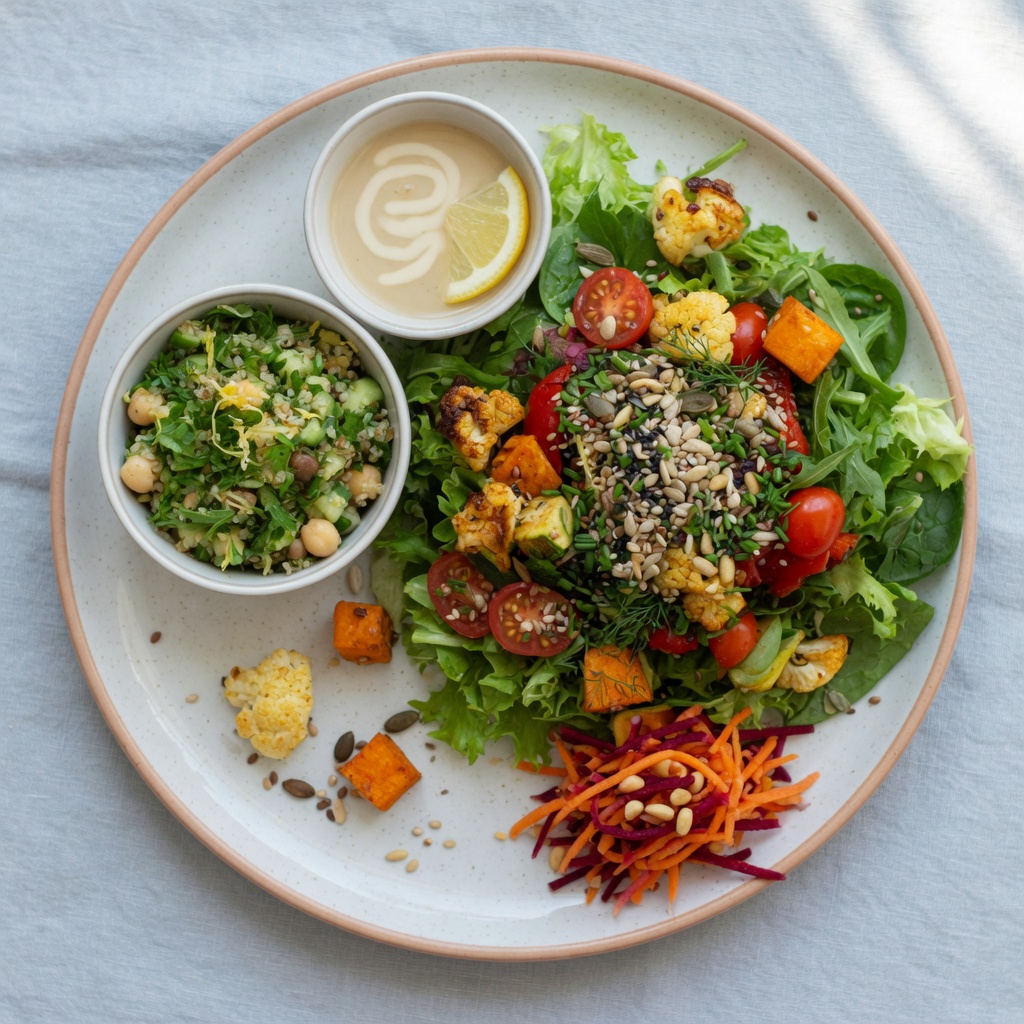
Here’s a snapshot of what your hair truly loves, all perfectly delicious and gluten-free:
- Leafy Greens: Spinach, kale, and other dark greens are packed with iron, Vitamin C, and Vitamin A. These are all crucial for healthy hair and scalp.
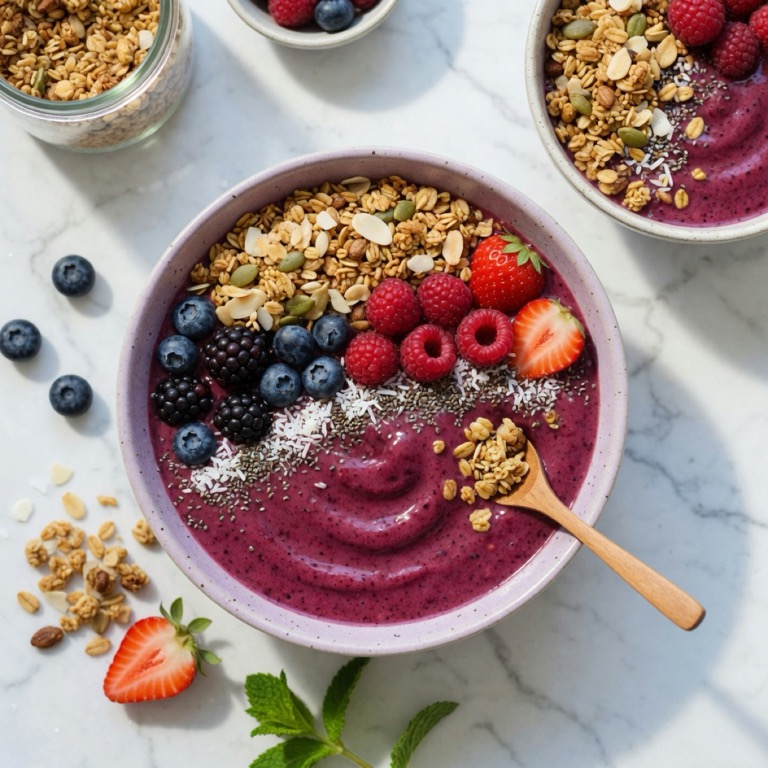
- Nuts and Seeds: Almonds, walnuts, flax seeds, chia seeds. They’re tiny powerhouses of zinc, omega-3 fatty acids, and Vitamin E.
- Lean Proteins: Chicken, turkey, fish, lentils, beans. Remember, hair is mostly protein! Adequate protein intake is non-negotiable for growth.
- Eggs: A fantastic source of protein, biotin, and Vitamin D.
- Sweet Potatoes: Loaded with beta-carotene, which your body converts to Vitamin A, promoting sebum production (natural scalp oils) and hair growth.
- Berries: Blueberries, strawberries, raspberries are bursting with Vitamin C, an antioxidant that helps protect hair follicles and aids in iron absorption.
- Avocados: Healthy fats and Vitamin E. So good for overall health and great for your hair!
Focus on these nutrient-dense foods. They not only support hair growth but also contribute to overall vitality. You might find yourself feeling better all around, whether that’s fewer digestive issues (goodbye, Relieving Bloating and Gas: How a Gluten-Free Diet Can Help!) or just a general sense of well-being.
Other Hair Helpers (Because It’s Never Just One Thing)
While diet is powerful, remember other factors play a part:
* Manage Stress: Chronic stress can push hair into the resting phase prematurely. Find what helps you relax.
* Gentle Hair Care: Avoid harsh chemicals, excessive heat styling, and tight hairstyles that pull on your scalp.
* Stay Hydrated: Drink plenty of water. Your body (and hair) needs it!
* Quality Sleep: Give your body time to repair and rejuvenate.
When to See a Doctor
If you’re experiencing persistent or severe hair loss, please talk to your doctor. Especially if you haven’t been tested for celiac disease, this could be a vital first step. They can perform blood tests to check for nutrient deficiencies, thyroid issues, hormonal imbalances, and other potential causes. A holistic approach with medical guidance is always the smart play.
The Takeaway: Nourish From Within
Hair loss can be tough, but remember, you have agency. For many of us living gluten-free, understanding the gut-hair connection is incredibly empowering. By strictly adhering to a GF diet, prioritizing whole, nutrient-dense foods, and seeking medical advice when needed, you’re not just managing a dietary restriction. You’re actively nourishing your entire body, from your gut to your glorious hair. It’s about abundance, not limitation. Embrace the journey towards a healthier, happier you – and maybe, just maybe, some fuller, bouncier hair will follow!