Gluten-Free Batch Cooking: Save Time & Money (2026)

Ever feel like you’re running a gluten-free marathon every single day? You wake up, scramble for a GF breakfast, pack a safe lunch, and then the dinner dilemma hits. What’s safe? What’s quick? How many dishes will I dirty tonight? Trust me, I’ve been there. We all have. This isn’t just about avoiding gluten; it’s about navigating a world not always designed for us, often while juggling a busy schedule. But what if I told you there’s a secret weapon, a culinary superpower that can free up your time, save you money, and make every GF meal feel like a win? Say hello to batch cooking, your new best friend in the kitchen!
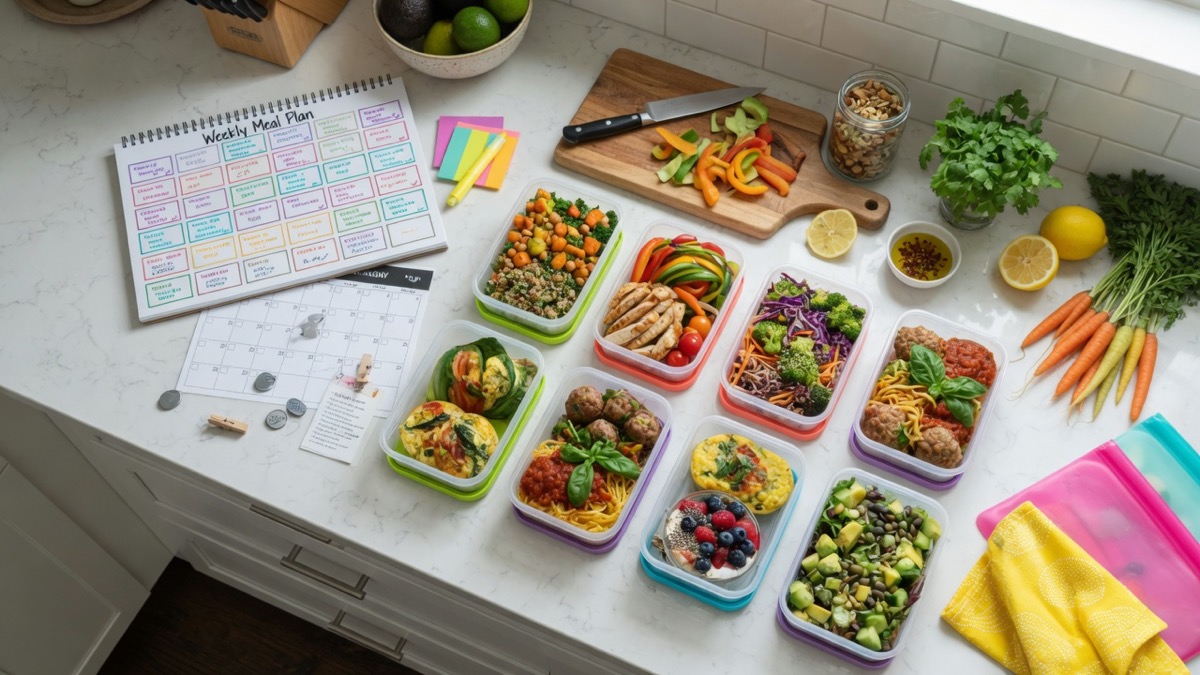
If you’re looking to streamline your approach to delicious, safe eating, this strategy fits right into a broader plan for Gluten-Free Recipes & Meal Planning. It’s all about making smart choices that pay off big. Batch cooking, or meal prepping as some call it, is simply preparing larger quantities of food once or twice a week to use for multiple meals later on. Think of it like this: instead of cooking a single meal every night, you dedicate a block of time, say Sunday afternoon, to chop, roast, and simmer a few key ingredients. Then, throughout the week, you mix and match those components into fresh, exciting dishes. It’s a game-changer, especially for us in the GF world where finding safe, convenient options on the fly can be a real headache.
Why Batch Cooking is Your GF Superpower
Let’s get real. Life is hectic. And for us gluten-free folks, the added layer of vigilance means spontaneous eating out can be risky, and quick processed GF options are often pricey. Batch cooking tackles these challenges head-on. It’s more than just a convenience; it’s a commitment to your health, your wallet, and your peace of mind.
Reclaim Your Time (and Your Evenings!)
Imagine coming home after a long day. You’re tired. Hungry. The last thing you want to do is start from scratch, especially knowing you need to meticulously check every label. With batch cooking, a safe, delicious meal is often just minutes away from being heated and served. This means more time for unwinding, for family, for hobbies, or just for putting your feet up. It’s like having a personal chef who works for free!
Smart Saving for Your Wallet
Eating gluten-free can be expensive. We know this. GF specialty products often come with a premium price tag. But here’s the thing: when you cook from scratch, you save big. Buying ingredients in bulk, planning meals around sales, and avoiding last-minute takeout orders adds up. Those savings can be significant over time. Plus, you reduce food waste because you’re intentionally using everything you buy.
Total Control Over Your Food
This is huge for the GF community. When you’re batch cooking, you control every single ingredient. No hidden gluten. No cross-contamination worries from shared fryers or cutting boards. You choose fresh, wholesome foods, ensuring your meals are not only safe but also packed with the good stuff your body needs. It’s empowering to know exactly what’s going into your body, especially if you have sensitivities beyond just gluten.
Goodbye Decision Fatigue!
What’s for dinner? That question can drain more energy than you think. When you’ve already prepped components, that decision is half-made. You simply choose which pre-cooked protein goes with which roasted veggie and what kind of sauce. It streamlines the whole process, making mealtime less stressful and more enjoyable.
Getting Started: Your Batch Cooking Blueprint
Ready to jump in? Excellent! It’s not about being perfect, it’s about making a start. Here’s a simple blueprint to guide your first batch cooking adventure.
1. Plan Like a Pro (But Keep it Simple)
First, pick a day. For many, Sunday is ideal. Now, grab a notebook. Think about the week ahead. How many breakfasts, lunches, and dinners do you need? What sounds good? Don’t try to make 10 completely different meals. Instead, focus on a few versatile components.
- Choose your stars: Pick 1-2 proteins (chicken, lentils, ground turkey, tofu), 2-3 vegetables (broccoli, sweet potatoes, bell peppers), and 1-2 grains/starches (quinoa, brown rice, potatoes).
- Theme it up: Maybe Mediterranean for a few days, then Mexican-inspired. This keeps grocery shopping focused.
- Inventory check: Look in your fridge and pantry first. What do you already have? Plan around those items to reduce waste.
- Write your list: A detailed grocery list is your best friend. Stick to it!
2. Prep Like a Master Chef
This is where the magic begins. Before you even turn on the stove, get everything ready. It’s called “mise en place” in French, meaning “everything in its place.”
- Wash all your produce.
- Chop all your vegetables for roasting or sautéing.
- Measure out spices and marinades.
- Line baking sheets.
Having everything prepped makes the actual cooking flow much smoother, saving you time and preventing those frantic searches for ingredients mid-recipe.
3. Cook Smart, Not Hard
Now, it’s cooking time! Think multi-tasking. While one thing roasts, another simmers. Get those burners and oven working for you.
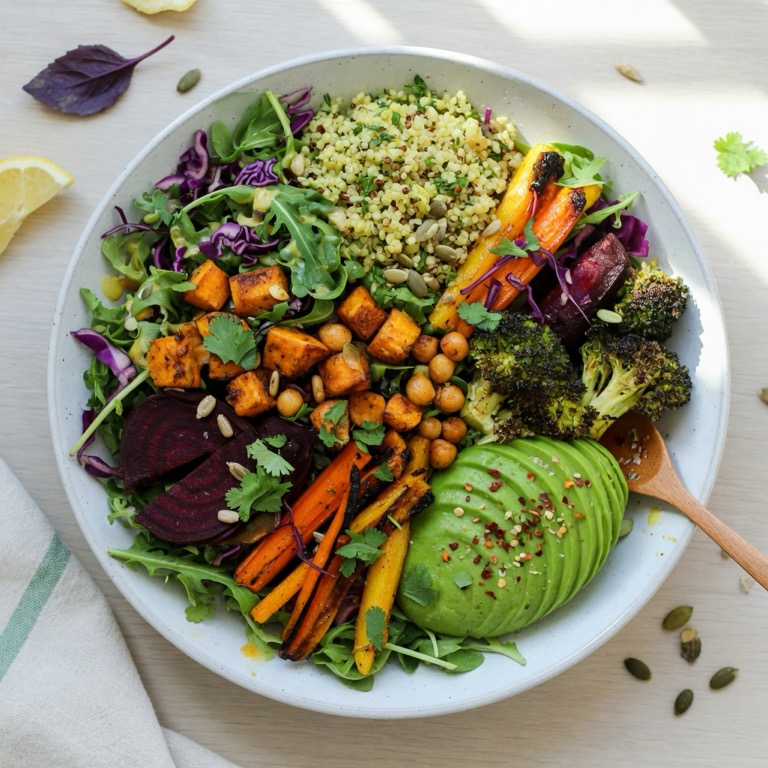
- Roast a big batch of veggies: Broccoli, bell peppers, zucchini, carrots, sweet potatoes, Brussels sprouts. Toss them with olive oil, salt, pepper, and your favorite herbs. Roast on high heat until tender-crisp.
- Cook your grains: Quinoa, brown rice, or even gluten-free pasta (cooked al dente) are perfect. Cook enough for several meals.
- Prepare your proteins: Bake or grill chicken breasts, cook a big batch of ground turkey, roast a tray of chickpeas, or boil a dozen eggs for quick breakfasts and snacks. Lentils are also fantastic for batching; they can be used in soups, salads, or as a base for veggie burgers.
- Whip up a sauce or dressing: A simple vinaigrette, a peanut sauce, or a batch of pesto can totally transform your meals throughout the week.
4. Store for Success
Proper storage is crucial for keeping your food fresh and safe. This is where your investment in good containers pays off.
- Airtight containers: Glass containers are excellent because they are non-reactive and microwave-safe. Plastic works too, just ensure they’re BPA-free.
- Portion control: Store individual portions if you know exactly what you’ll be eating for lunch, or larger family-sized portions for dinner.
- Cool before sealing: Always let food cool completely before sealing and refrigerating. This prevents condensation and keeps food fresher longer.
- Freezing: Many items freeze beautifully! Cooked grains, roasted chicken, and even some cooked vegetables can be frozen in individual portions for up to 2-3 months. Just thaw overnight in the fridge. For more detailed food safety guidelines on storing and freezing, check out resources like FoodSafety.gov.
GF-Specific Considerations for Batch Cooking
Being gluten-free means we have a few extra things to keep in mind, but they’re easy to manage!
- Cross-Contamination is Key: Always use separate cutting boards, utensils, and serving dishes for your GF batch cooking if you share a kitchen with gluten-eaters. A dedicated set of brightly colored tools can help.
- Label Everything: If you’re freezing, clearly label containers with the date and contents. No mystery meat (or veggies!).
- GF Bread & Pasta: Cook gluten-free pasta right before serving for best texture. If you want to batch a Best Gluten-Free Sandwich Bread, store it sliced and frozen, then toast from frozen.
- Sauces & Marinades: Double-check all ingredients. Soy sauce (use tamari!), broths, and spice blends can sometimes hide gluten.
Batchable GF Staples & Meal Ideas
Here are some of my favorite GF-friendly staples that are perfect for batch cooking, and how you can turn them into incredible meals.
Protein Powerhouses
- Roasted Chicken Breast/Thighs: Slice for salads, shred for tacos, or dice for stir-fries.
- Cooked Ground Meat (Turkey, Beef, Lentils): Season simply, then use for chili, lettuce wraps, or over roasted potatoes.
- Hard-Boiled Eggs: Quick breakfast, salad topping, or a grab-and-go snack.
- Roasted Chickpeas: Great for adding crunch to salads, or just plain snacking.
Versatile Veggies
- Roasted Root Vegetables (Sweet Potatoes, Carrots, Parsnips): Serve as a side, add to grain bowls, or mash.
- Steamed or Roasted Broccoli/Cauliflower: Excellent side dish, add to curries, or toss into a quick pasta.
- Caramelized Onions: A flavor bomb! Use in sandwiches, omelets, or as a base for sauces.
Grains & Starches
- Quinoa: The ultimate GF grain. Use as a base for grain bowls, add to salads, or mix with veggies.
- Brown Rice: Perfect for stir-fries, alongside curries, or in burrito bowls.
- Baked Potatoes/Sweet Potatoes: Eat as a side, or load them up with your prepped proteins and veggies.
Putting It All Together: Sample Week Ideas
Let’s say you batch-cooked roasted chicken, quinoa, roasted broccoli, and some simple tomato sauce. Here’s a peek at your week:
| Meal | Monday | Tuesday | Wednesday | Thursday | Friday |
|---|---|---|---|---|---|
| Lunch | Quinoa salad with roasted broccoli & chicken | Leftover quinoa salad | Chicken & veggie lettuce wraps | GF Gluten-Free Soup (pre-made batch) | Chicken & roasted veggie bowl |
| Dinner | Roasted chicken, broccoli, & quinoa bowl | Chicken & tomato sauce over GF pasta | Chicken tacos with fresh salsa | Broccoli & quinoa stir-fry (add fresh protein) | “Clean out the fridge” meal with remaining components |
See? So many possibilities from just a few core ingredients! This approach takes the guesswork out of daily meals and lets you enjoy the incredible variety a gluten-free diet offers.
One Last Tip: Don’t Stress, Just Start
Batch cooking isn’t about becoming a chef overnight. It’s about creating a system that works for YOU. Start small. Pick just one or two things to batch cook this week. Maybe it’s a big pot of brown rice, or a tray of roasted chicken. Once you see how much time and effort it saves, you’ll be hooked. You’ll likely want to expand your repertoire, perhaps exploring a 7-Day Gluten-Free Meal Plan for Beginners to get more structured ideas.
Embrace this powerful tool. It’s a gift you give yourself – the gift of time, of health, and of delicious, stress-free gluten-free eating. Your future self (and your wallet!) will thank you. Now go forth, my friend, and batch cook your way to a calmer, tastier week!
For additional information on the economic benefits of meal prepping, you can explore studies and articles from reputable economic research institutions, such as those that analyze consumer spending and food habits. For example, some analyses by agricultural economics departments at universities or consumer advocacy groups often discuss the financial advantages of home cooking and meal planning. The USDA Economic Research Service offers various publications on food consumption and expenditures that indirectly support these benefits.